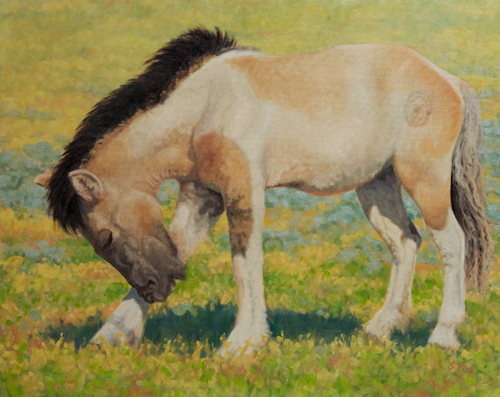
Take the quiz and find how much of a Mongolphile you REALLY are. Post your answers in the comments. Below are the second ten questions. Answers will be accepted until March 30, then I’ll do a tally. The person with the most right answers will receive an 8×10″ print of Mongol Horse #3-Young Stallion :
Good luck!
1. What is a “morin khuur”?
2. From what people did the Mongols get their classical vertical script?
3. What are each of the four sides of a sheep’s anklebone called?
4. Name the Five Snouts.
5. Which ikh khan founded Kharkhorin?
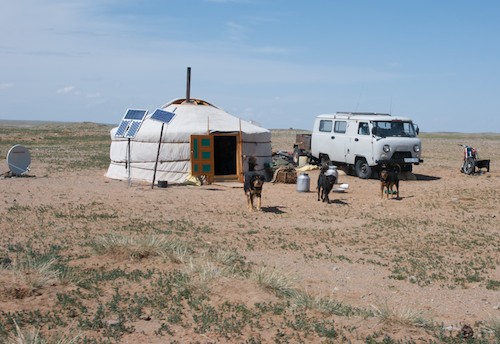
Herder's ger, Gobi, July 2010
6. Which direction do gers always face?
7. Who is the lead singer of Hurd? For bonus points, what does his name mean?
8. What is the name of the mountain where Temujin took refuge?
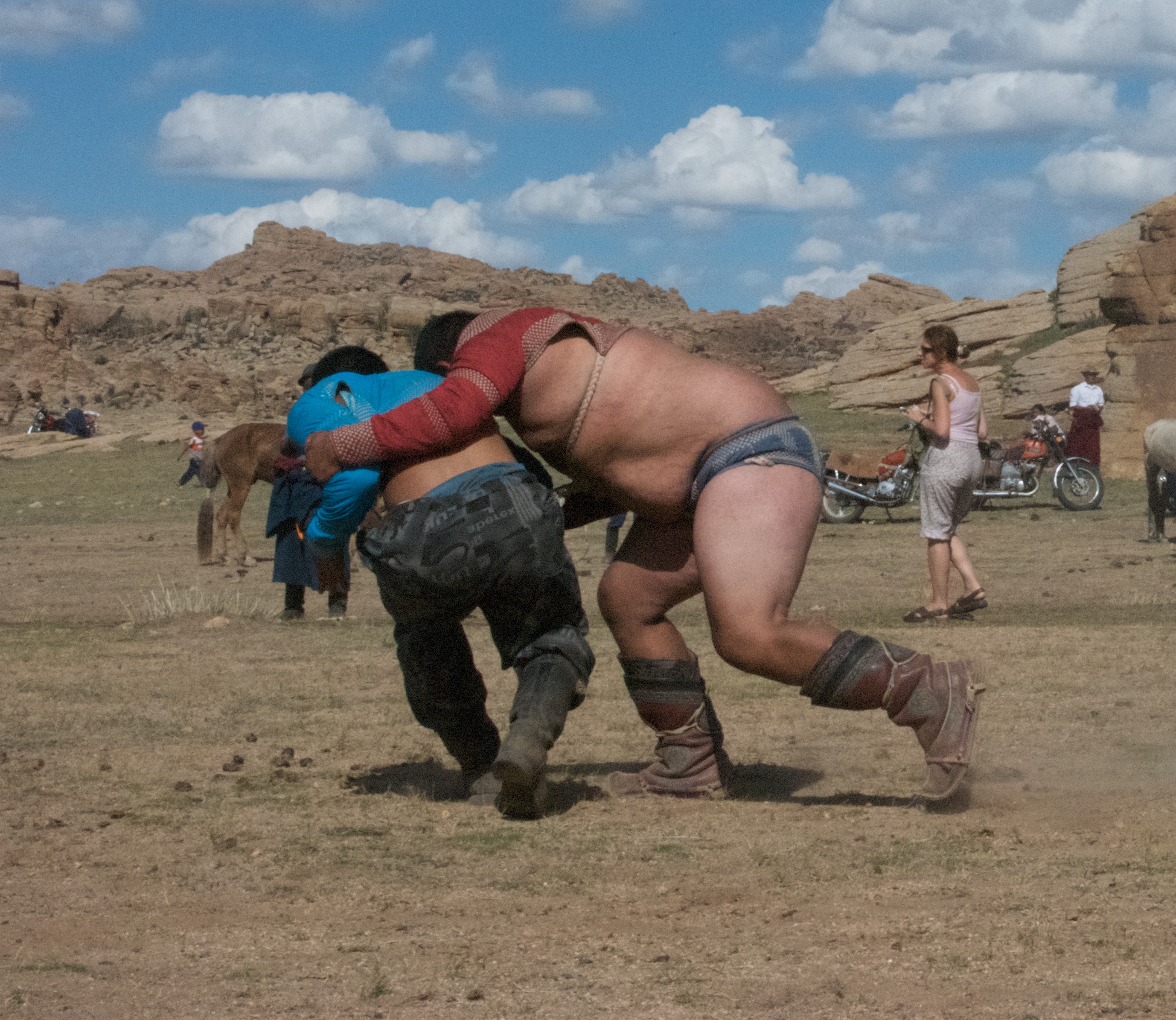
9. What are The Three Manly Sports?
10. Name the two main political parties in Mongolia.
Mongol script used on advertising banner, Ulaanbaatar, Sept. 2006
One of the best-kept secrets about Mongolia is how important art is to Mongol culture. It reminds me of what I’ve heard about Bali, where it seems that everyone does something creative. I’ve found that as soon as someone in Mongolia finds out that I’m an artist, I come into focus and more or less jump to the head of the cultural line.
Artistic expression in Mongolia ranges far and wide, from traditional painting and sculpture to singing, music, dance, calligraphy, leatherwork, feltwork, embroidery and more.
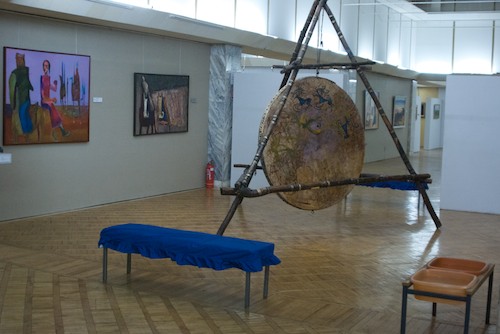
One of the gallery areas in the Modern Art Gallery, with a large shaman's drum
Mongol painters have been able, for the past seventy or so years, to travel to art schools in Eastern Europe, including Russia, where they have learned classical academic methods at a time when that instruction was impossible to find in the United States. The results can be seen today, especially in the Mongolian Modern Art Gallery. which is really a museum with a permanent collection.
Horses Hooves by P. Tsegmid, Modern Art Gallery; a personal favorite
There is also a national organization, the Arts Council of Mongolia, which runs a variety of programs to support young and emerging artists. I spent an hour with the director of the Council this past trip and came away very impressed by the quality of the programs and the staff.
Political commentary from an artist who was part of a group show at the Union of Mongolian Artists' gallery last year
There are also at least a couple of artist-run organizations. One of them, the Union of Mongolian Artists, has excellent light-filled exhibition space in a building just south of Sukhbaatar Square. I go there every time I’m in UB and the current offering is always interesting and of good quality.
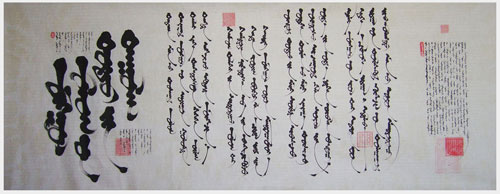
Mongol calligraphy by Sukhbaatar Lkhagvadorj
Some of the artists have their own websites. Here’s one from an incredible Mongol calligrapher, Sukhbaatar, who I have gotten to know on Facebook. He and his fellow calligraphic artists use the ancient Mongol vertical script which Chinggis Khan got from the Uigher people since the Mongols had no writing at the time he established the empire. The script also exists in type fonts and is taught in the schools.
Tsagaandarium Art Gallery and Museum
There are also a few commercial art galleries where you can see a very wide range of contemporary Mongolian painting, sculpture and other media. I’ve been to the Valiant Art Gallery a number of times. It has two locations: one in the same building as the famous expat restaurant, Millie’s, which is right across the street from the Museum of the Chojin Lama and the second near the State Department Store. Last, but certainly not least, is the Tsagaandarium Art Gallery and Museum, which is located on a corner in Zaisan, across the river from the main part of Ulaanbaatar. They not only have great art, but offer all kinds of community events and art classes.
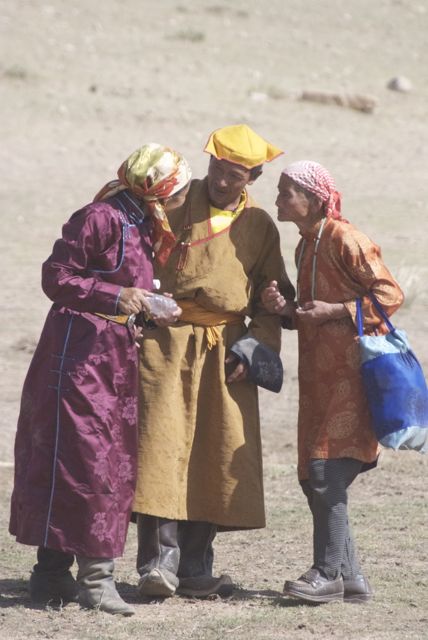
Buddhist priest chats with two women, Baga Gazriin Chuluu mountain blessing naadam, July 2009
There are many proverbs in Mongolia concerning good and bad character traits. Many are meant to teach children how they are expected to act. Others are intended as reminders about how to get along in life.
A good character and name is very important and is shown (or not shown) in one’s actions:
Take care of your deel when it is new Take care of your name when it is clean
Person who has bad character loses his name Person who works hard will tell his name
Being humble is considered a very good character trait:
A large sea is calm A knowledgeable person is humble
Many proverbs encourage people to work hard and finish what they start:
If you are bold, work will be finished If you are persistent, happiness will come
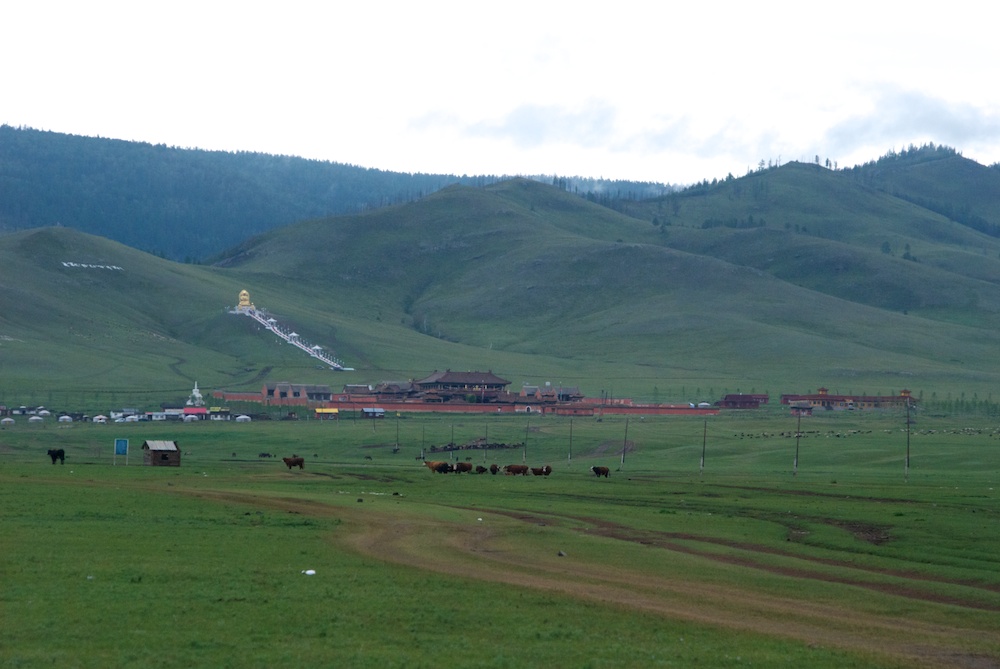
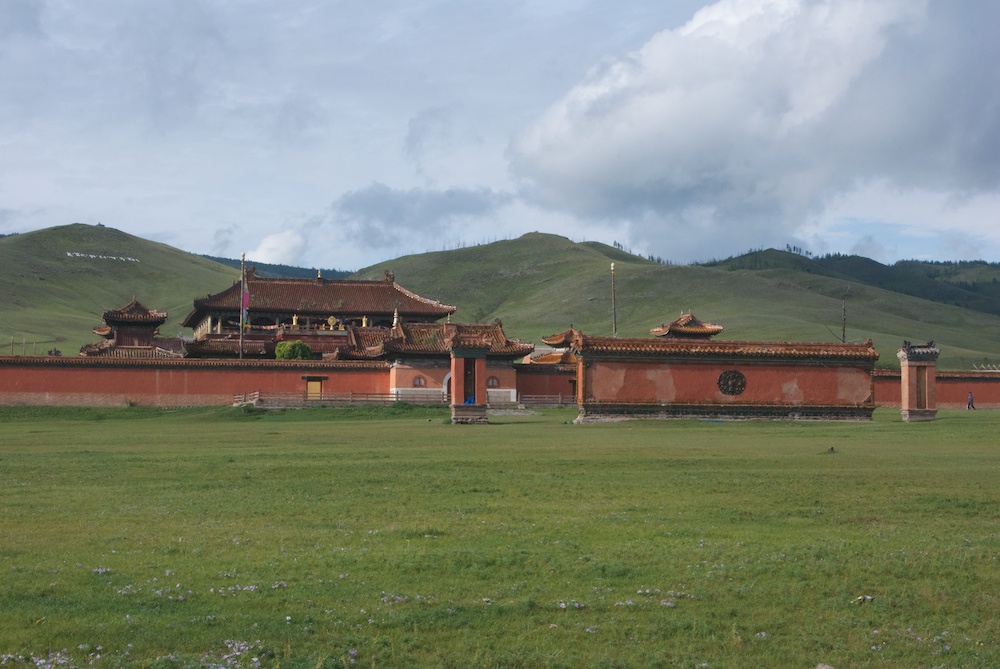
I’d heard about this large monastery to the north west of Ulaanbaatar and decided that I wanted to see it, along with the northern mountains. It is one of the three most important khiids in Mongolia, along with Gandan in Ulaanbaatar and Erdene Zuu, which is adjacent to the site of the old Mongol imperial capital Kharkhorin and built partly with stones from it. I’d already visited them.
Nomadic Journeys put together a one week camping trip for me on short notice and Amarbayasgalant Khiid (“khiid” means “monastery” in Mongolian) was the first stop. And was it ever worth the drive, even though there’s a somewhat tacky ger camp very close to the complex that needs to be moved.
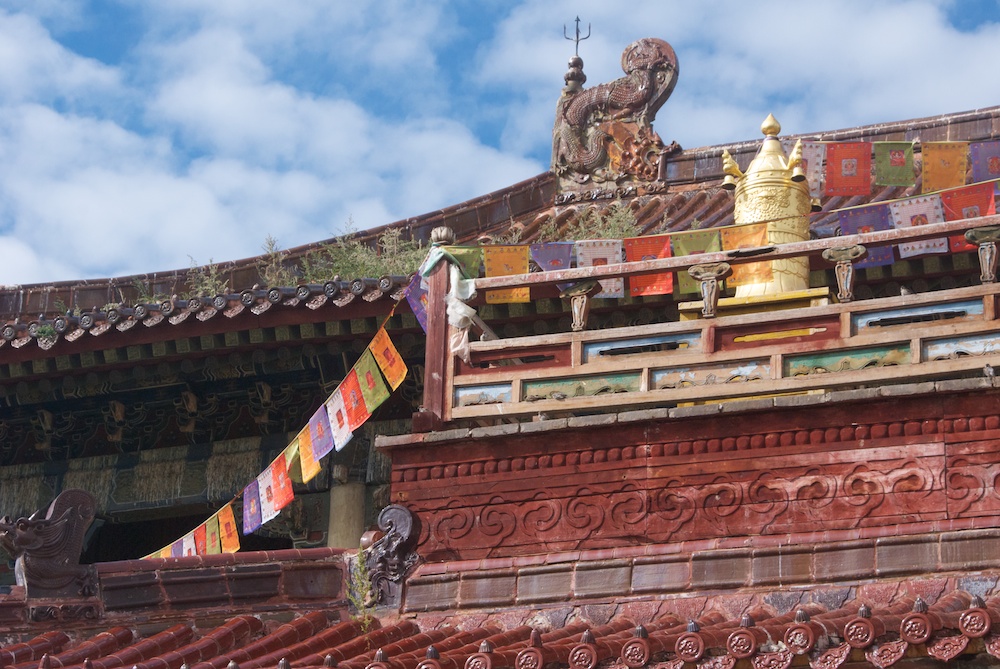
The monastery was built between 1727 and 1737 by a Manchu emperor, so the architectural style is Manchu. It survived the destruction of most of the monasteries in Mongolia in 1937, but now there are around 60 monks in residence instead of over 2000.
Unfortunately, there are no guide books, or at least I haven’t been able to find anything, so I can’t offer a lot of information on what is in the photos. But I hope you’ll enjoy a look at a very special place.
First view of Amarbayasgalant Khiid, situated at the head of a lovely valleyThe main entry gate
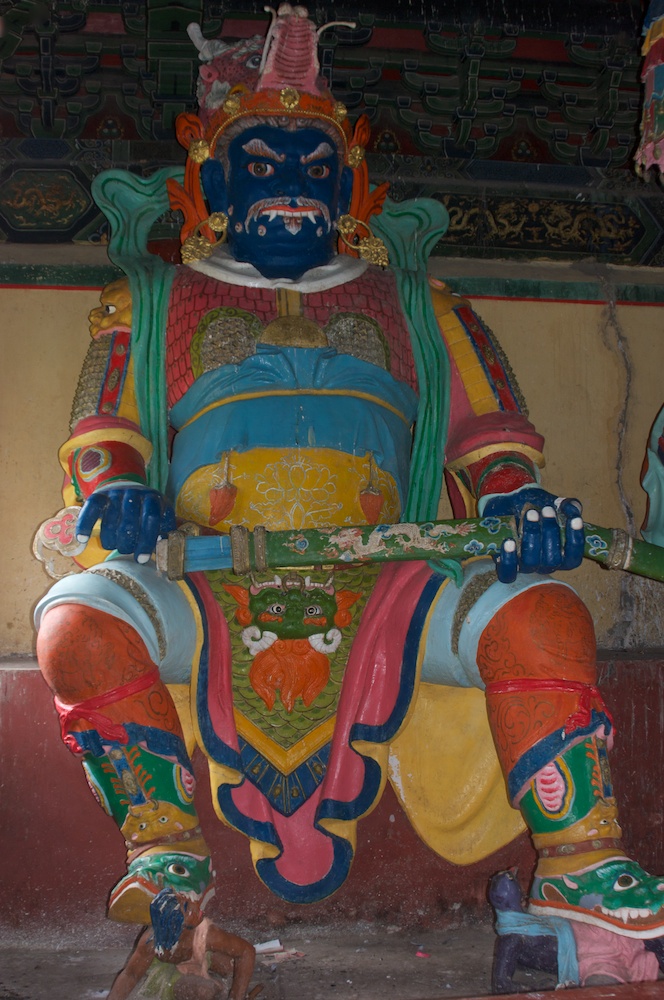
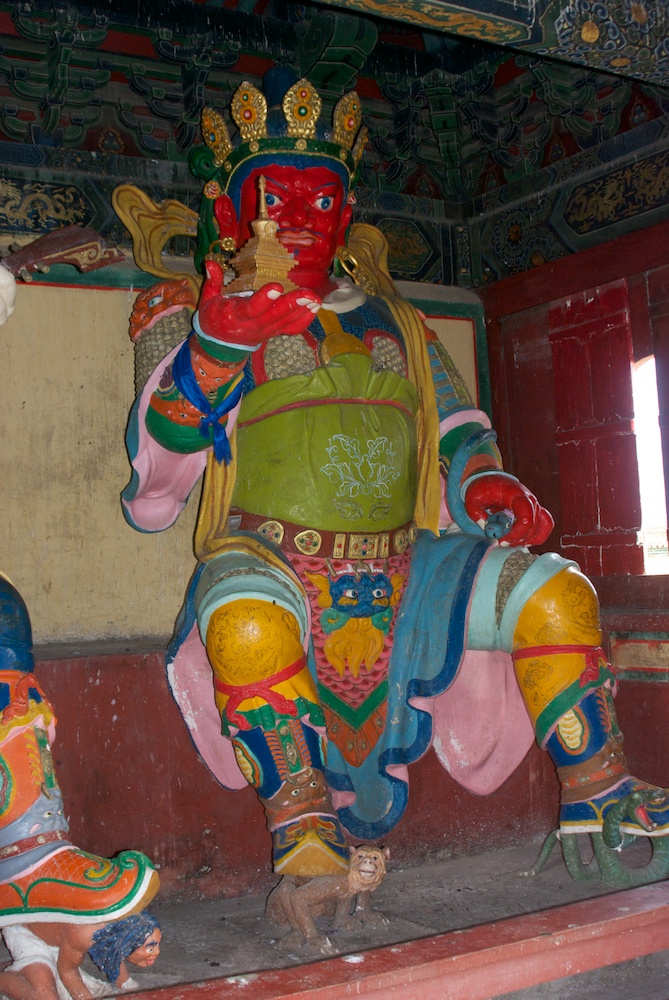
Unfortunately, my guide’s English was only ok and I didn’t have a way to take notes, so I don’t know who these statues are of and what they symbolize.
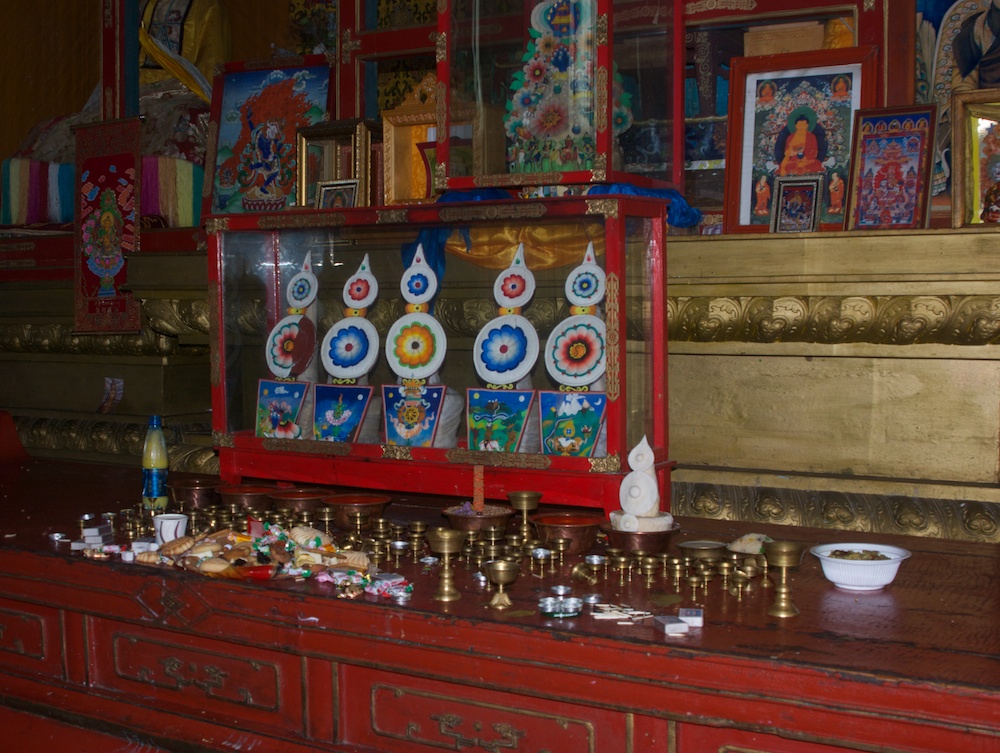
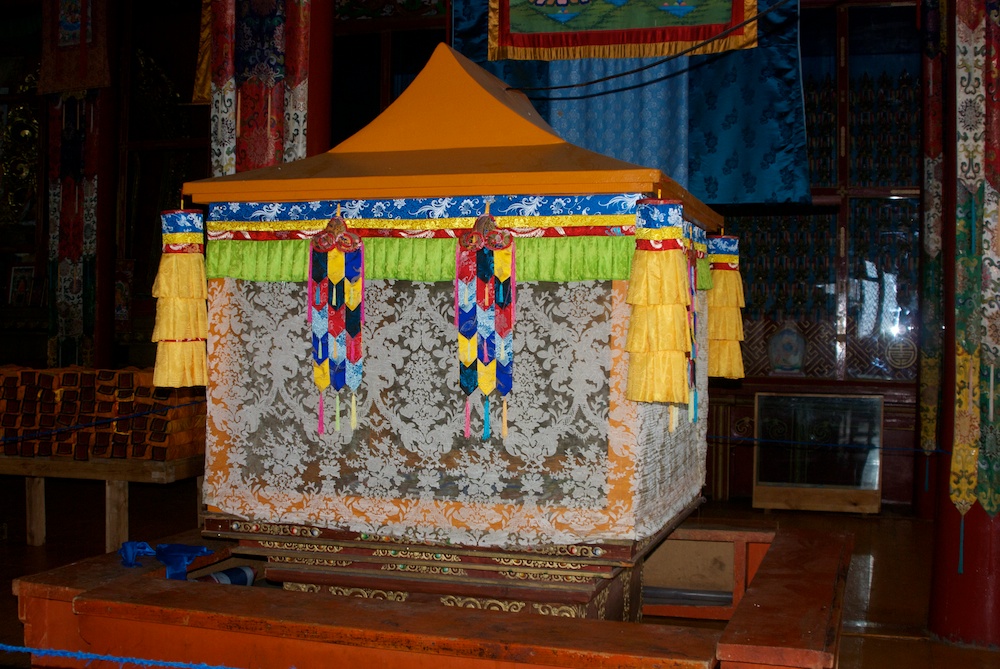
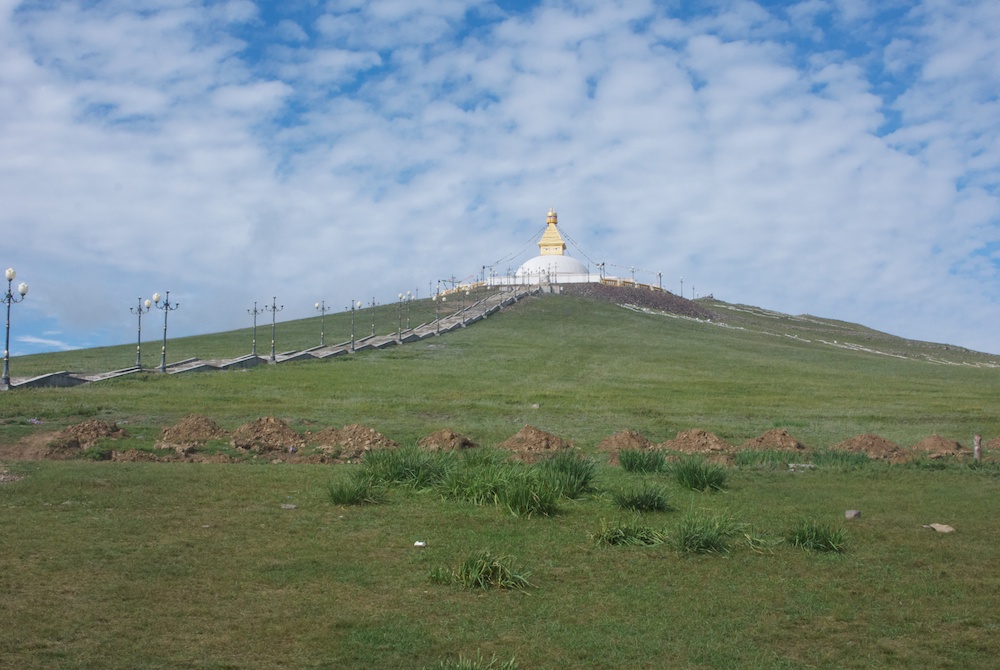
Statue inside gatehouseStatue inside gatehouseStatue inside gatehouseStatue inside gatehouseThe main templeOne of the altarsI was told there was a model of Shambala withinCeremonial drumAn example of the beautiful decorative paintworkLayers of decorationWheel symbol over temple entranceStudent monks passing byNew stupa; yes, we went all the way to the topThe view from the stupaThis Buddha was on an adjacent hill; I definitely got some exercise while I was thereOffering tablea charming decorative touchI was told that a Lama had spent four years in the building meditating and that it was now a schoolLast look at we headed off to our campsite about a kilometer away
I’m on my way to New York for a Society of Animal Artists board meeting, so I’m taking a break from the story of my 2011 trip to Mongolia.
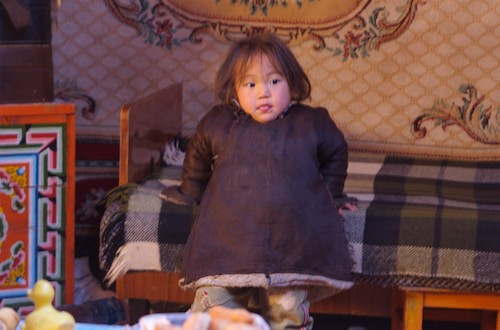
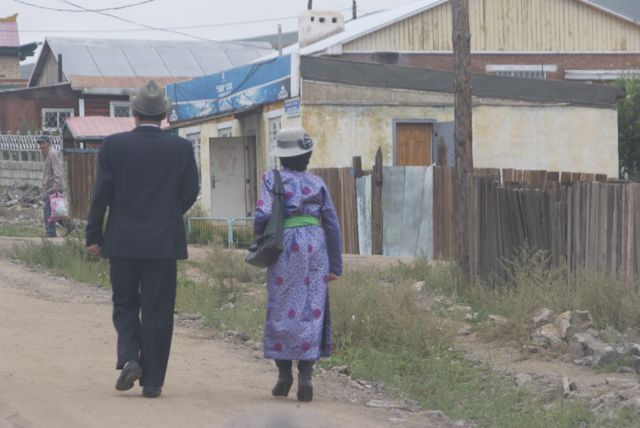
Mongol couple, Erdenet, August 2011: the city
Instead, I thought I would share a few proverbs from a book that I found in Ulaanbaatar called, appropriately enough, Mongolian Proverbs. They were collected by Janice Raymond and the book published in 2010 by Alethinos Books, San Diego.
You will have four nights Taking a short cut
That’s one we all know….the short cut that ends up taking much longer than the original route.
Fox will starve to death
While waiting under an ox
This one describes trying to do something impossible since the fox will never be able to eat the ox
Calf is not grown But he thinks he can make bull’s dung
A good description of someone who talks big, but can’t deliver
One finger short
Of being crazy
This one doesn’t really require an explanation, but is interesting because of how it resembles similar American sayings
Mongol kids, south of Bulgan, August 2011: the countryside
Those of you who have followed this blog for awhile know that I’ve been going to Ikh Nart since my first trip in 2005. This time I had the pleasure of sharing the reserve with a fellow artist, Pokey Park.
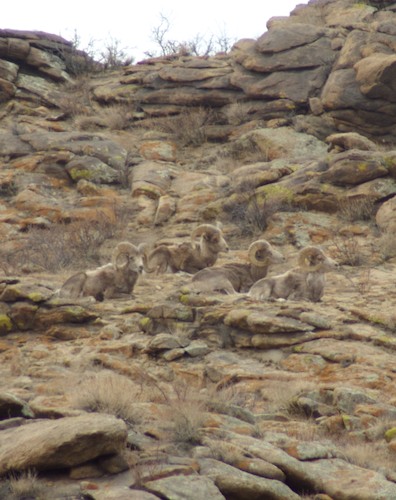
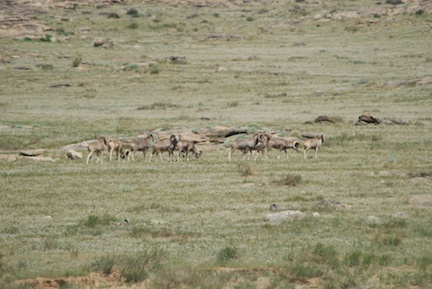
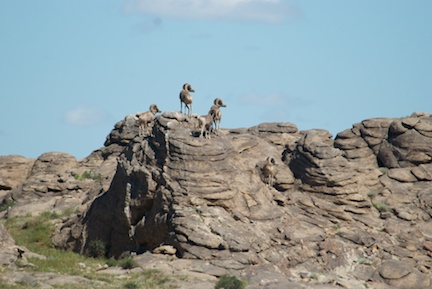
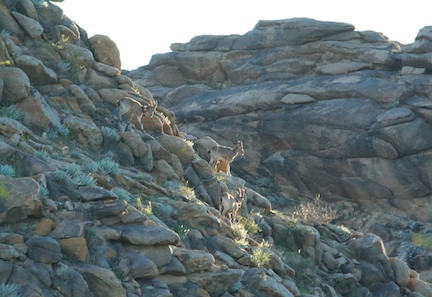
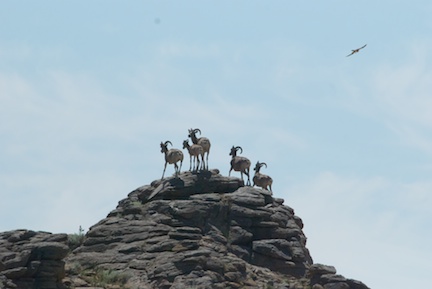
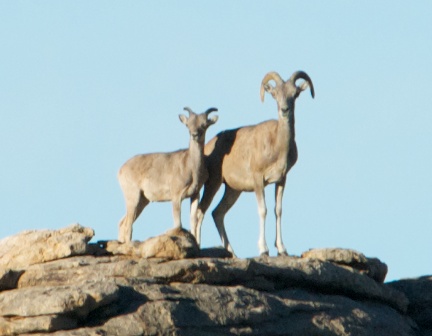
Wildlife being what it is, one never knows what one will see on a given trip, or even if. But this visit exceeded our every reasonable expectation. For two of the four days, it seemed like we could hardly go an hour as we drove around the reserve without seeing argali, ibex, argali and ibex in the same place or cinereous vultures, a golden eagle or other birds. And we had sightings both other days, but not nearly as often.
The universe being what it is, on our way out of the reserve we drove through one of the areas where we had had multiple sightings of argali and ibex the previous morning and saw not a single animal.
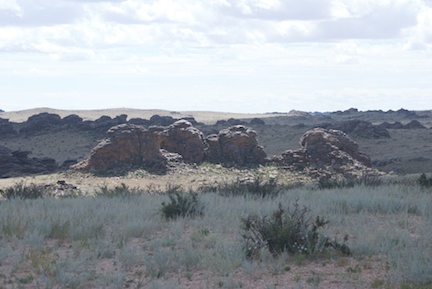
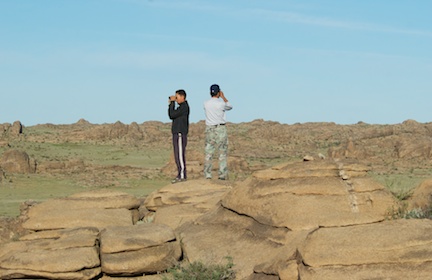
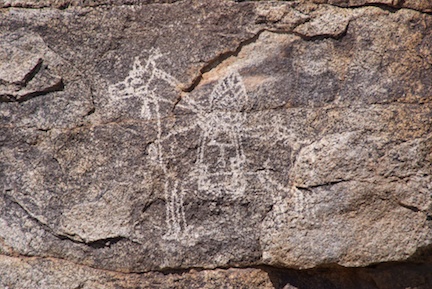
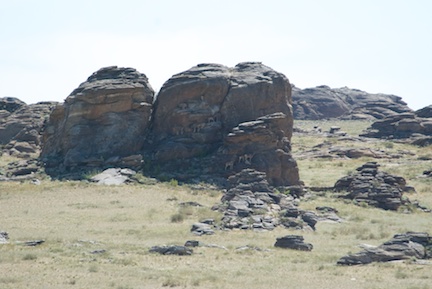
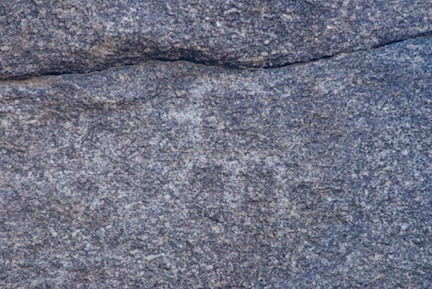
We stayed at Nomadic Journey's Red Rock Ger CampIkh Nart landscapeScanning for argali and ibexBut I was the lucky one who first spotted a single ram, who then joined up with a big group making ten all together. What a sight they were!We maneuvered through the rocks, caught up and re-sighted them three timesThey've seen something, we had no idea whatGolden eagleA herder's winter shelter for his livestockOne of the pictographs on the rock cliffWe went to the valley where the research camp is located and got great sightings of a large group of ibexAnd for a bonus, a beautiful sunsetWe also were able to follow this group of ewes and lambsHow many sheep can you see?They are totally at home in these rocky uplandsBlack kiteWe drove south to see the pictographs and Tibetan inscriptions on the cliff in the backgroundPokey helped fill the troughs; it's a Mongol tradition that passersby will fill them if they are emptyIbex pictograph; researchers have just started to catalog and study the cultural resources of the reserve, of which there are manyArgali ewe and lambArgali ram

























 Susan Fox, American Artist