
I’m offering a calendar for the first time!
It’s available here at my Zazzle store.
Every month you can share a little of “My Mongolia” with images of my original oil paintings.
I’m offering a calendar for the first time!
It’s available here at my Zazzle store.
Every month you can share a little of “My Mongolia” with images of my original oil paintings.
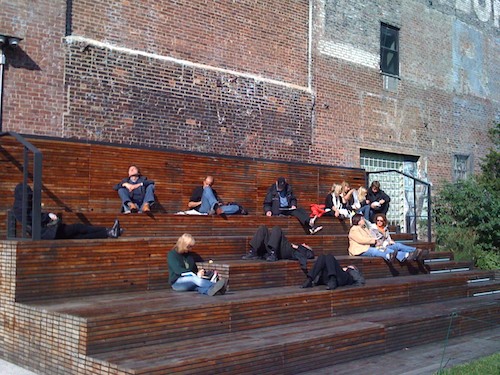
I just got back from the Big Apple and had a great time. Got to spend the day before my meeting wandering up and down the High Line, an old elevated railway that has been converted into an incredible mile long park. It’s located not far from the river and runs through Chelsea and the Meatpacking District. The Chelsea Market was a great place to get lunch (Thai food, in my case), use the restroom and poke around.
As is usually the case, the powers that be, lacking any imagination, much less vision, wanted to tear down an eyesore, but one man saw the potential and now I think it is one of the absolute must-sees for anyone visiting New York. Judging from the number of people there on a chilly November weekday, I’m not the only one. And it seemed to be almost equal parts visitors and locals.
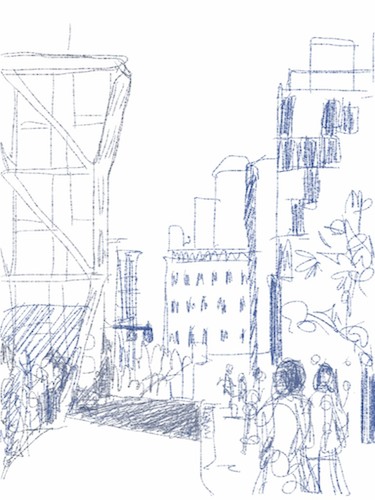
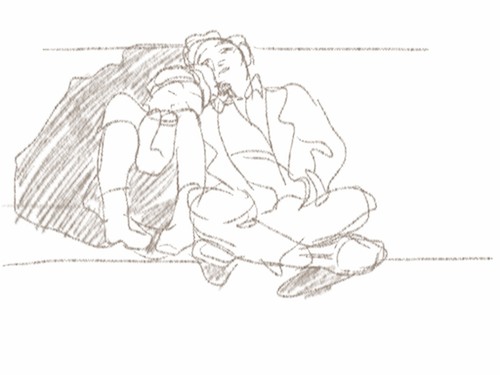
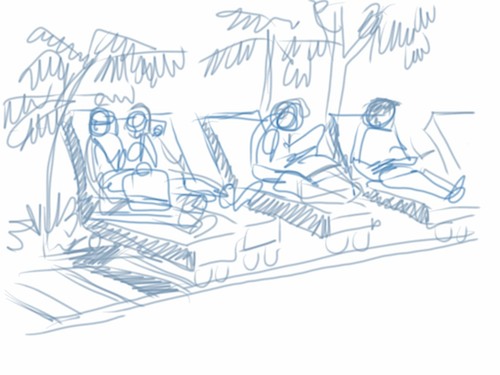
I had my trusty iPad with me and really enjoyed taking advantage of all the cool places to sit and sketch. And I had my iPhone for taking photos.
To set the scene:



And here are some of the sketches, done quickly in just a few minutes, for which I used Autodesk’s Sketchbook Pro:

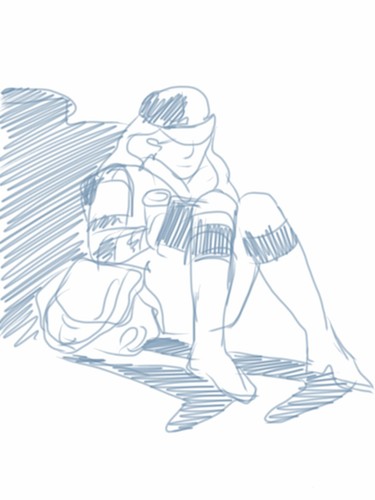
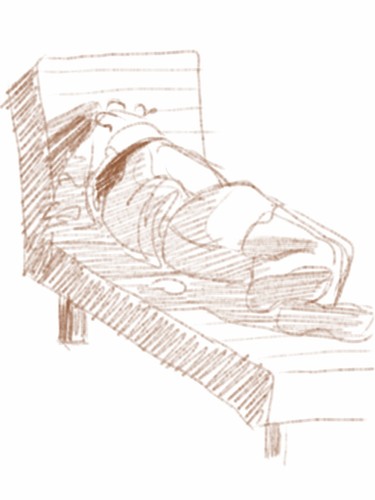
 Starting next Tuesday, I’ll be teaching “Traditional Drawing” at Westhaven Center for the Arts. Here’s the information and if you live in central or northern Humboldt County, Calilfornia, I invite you to sign up.
Westhaven Center for the Arts
501 S. Westhaven Dr.
Trinidad, CA 95570
Tuesdays 7-9pm, Oct. 11-Nov. 22 (no class Nov. 1)
6 week sessions- $55
Beginner/Intermediate
Description: A traditional approach to drawing based on the methods used at the Academy of Art University, San Francisco. The emphasis will be on learning accurate observational and motor skills, fundamentals such as line, composition and values and putting all these together to develop a personal point of view. Students will be able to experiment with a variety of drawing media and papers while they draw an interesting variety of objects from Susan’s personal collection, many from her travels to countries such as Kenya and Mongolia. Painters who would like to polish their drawing skills are encouraged to sign up.
A required materials list will be provided, but students are also encouraged to bring their own favorite drawing supplies and paper. You will need a drawing board with attached, or a separate pair of large, clamps and an easel or tabletop prop to hold it in a vertical position.
Susan Fox, BFA Illustration, Academy of Art University, is a Signature Member of the Society of Animal Artists and a member of Oil Painters of America, California Art Club, Redwood Art Association and Westhaven Center for the Arts. Her paintings have been accepted into many national and regional juried shows and are included in a number of private collections. She works full-time as a oil painter, specializing in subjects from Mongolia and has loved to draw since she was a child.
Email me at sfox at foxstudio dot biz to sign up
Five wonderful weeks in Mongolia just flew by. I managed to spend three of those weeks in the countryside: two weeks doing the “wildlife watching” tour with nationally-known sculptor Pokey Park and then a week of camping with a guide/cook and driver.
Lots of great reference and stories to match will be posted here in the weeks to come, but for now I’m still catching up and working on a couple of new projects, about which more later.
In the meantime, here’s a collection of the photos that have me in them, most taken by our great driver/guide, Khatnaa, who brought his own camera and who definitely has an eye as a photographer.

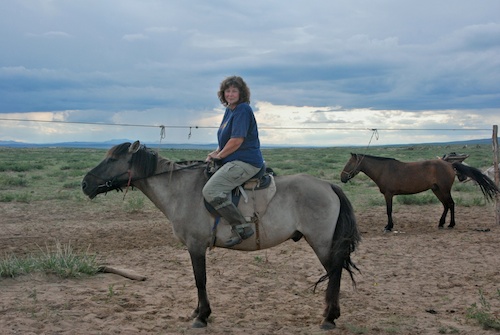
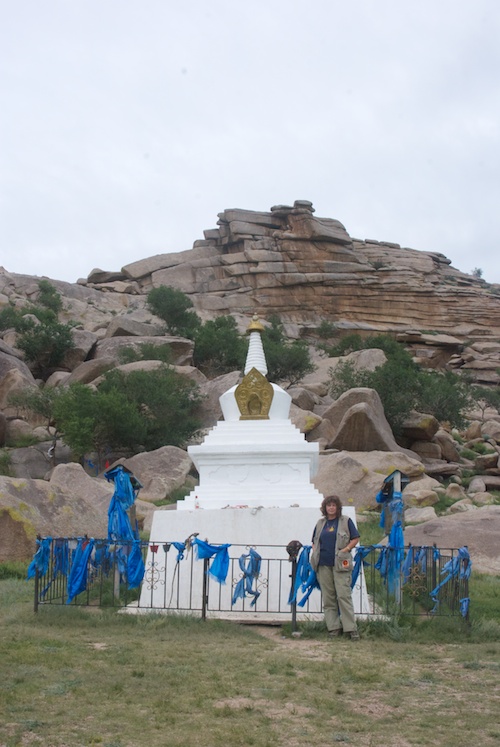
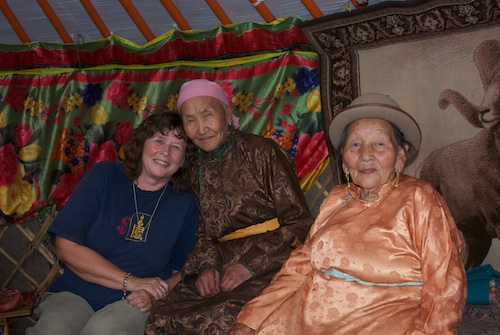
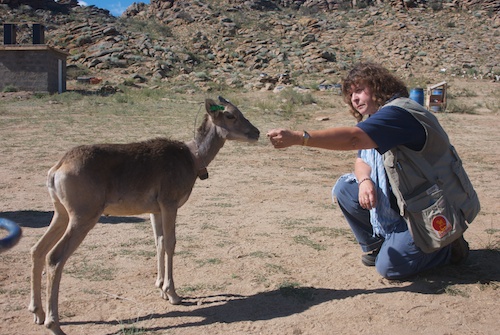


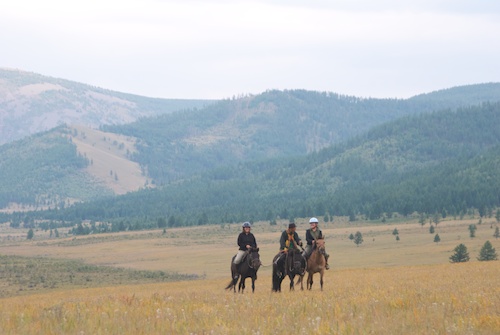
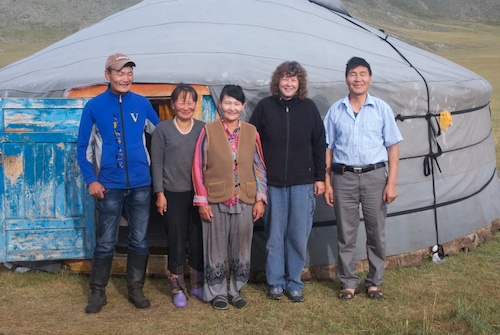
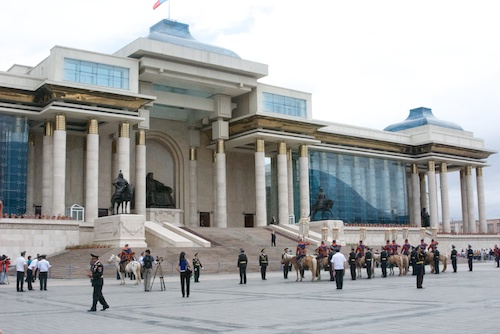
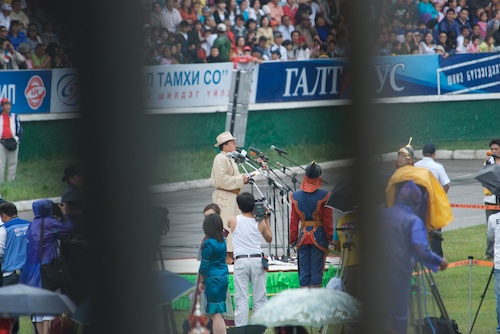
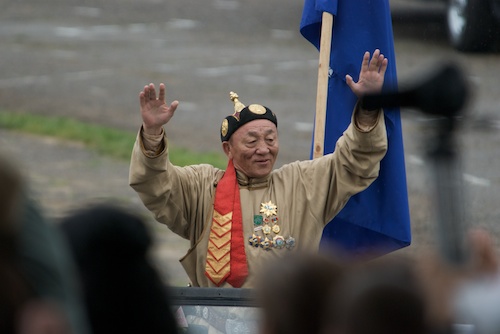
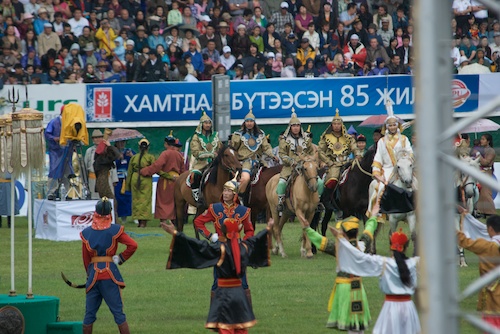
This is the biggest holiday in Mongolia. Ulaanbaatar pretty much shuts down for a few days while everyone celebrates and attends competitions in the Three Manly Sports: horse racing, wrestling and archery.
I got to see all of it, including a local celebration, in 2009. Here’s some photos, ending with a wonderful music video by one of the most famous singing groups in Mongolia, Nomin Talst. The group is no longer together and this video was made some years ago, but it still gets played on the music video channel around this time of year. And it’s one of the things that hooked me on Mongolia. I had to find out more about the kind of people who are shown in it and who clearly know how to have a good time today, while preserving their ancient traditions and sports.



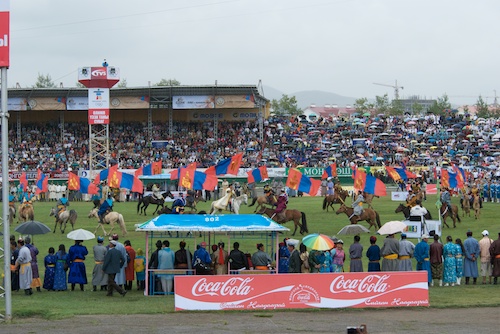

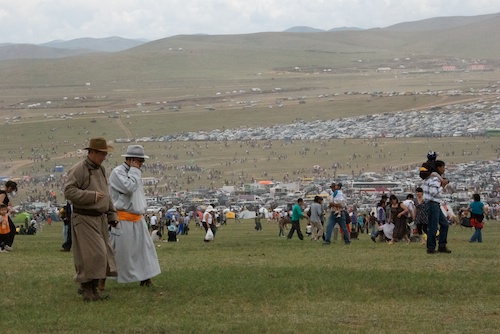
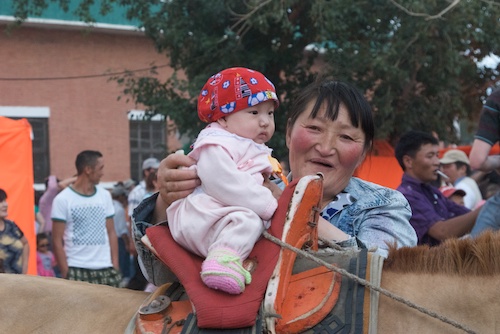

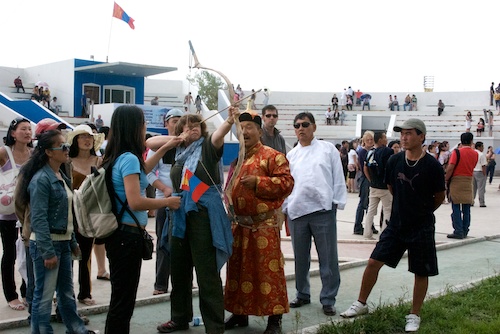
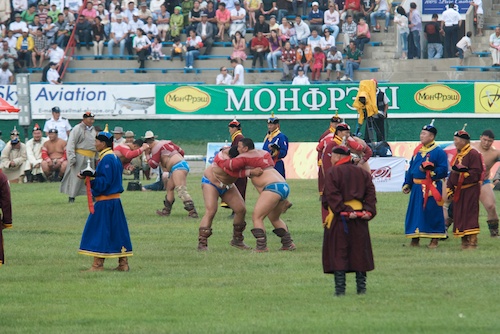

And now….Nomin Talst singing “Minii Mongol Naadam” (My Mongol Naadam):
My main hobby when I’m not in the studio is gardening. I love old roses and English style borders. It’s also really good exercise.
And it’s an art form, too, interesting partly because it adds the dimension of time. And also impermanence.
The orchestration of bloom through the seasons is fun and an on-going challenge.
I started this garden almost five years ago and there have already been a lot of changes.
What you’ll see here, with the exception of ‘Ispahan’, is the front “yard”, where most of the roses are. We killed off the grass in the middle a couple of years ago and put our vegetable garden there instead. The rose borders are coming along, but some plants are going to be moved this fall having already gotten too big for their allotted space. It’s hard to tell how a plant will do. Some never do well and some totally overdo it. The David Austin English roses are known to sometimes become vigorous climbers in California, but stay sedate shrubs elsewhere.
So here is an album of the front garden with photos I took day before yesterday, mostly the roses, but also a few other favorites.

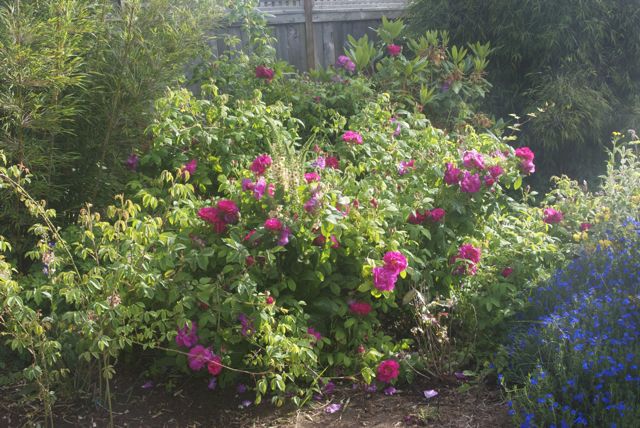
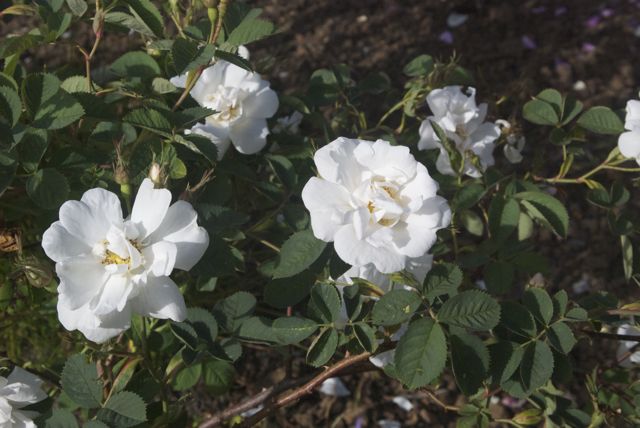


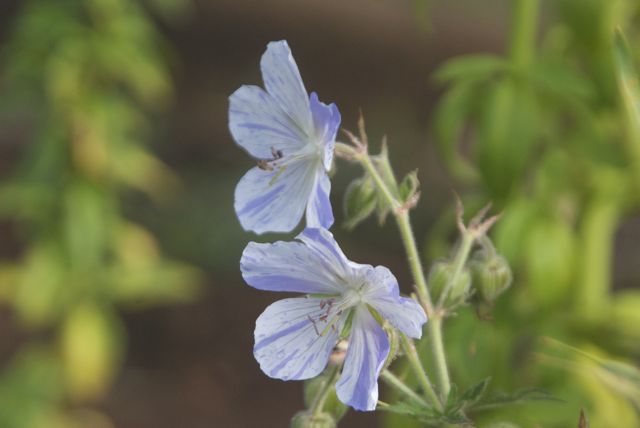
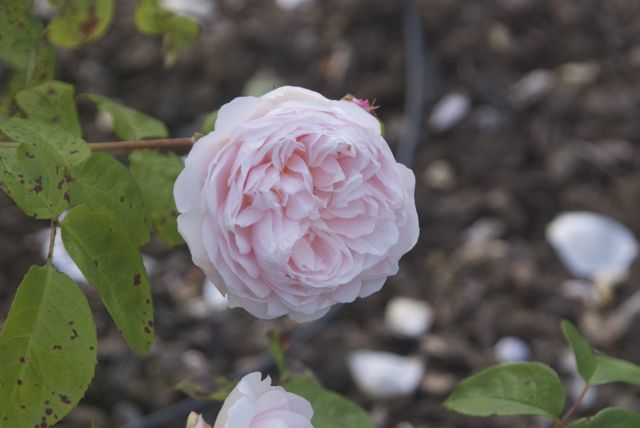


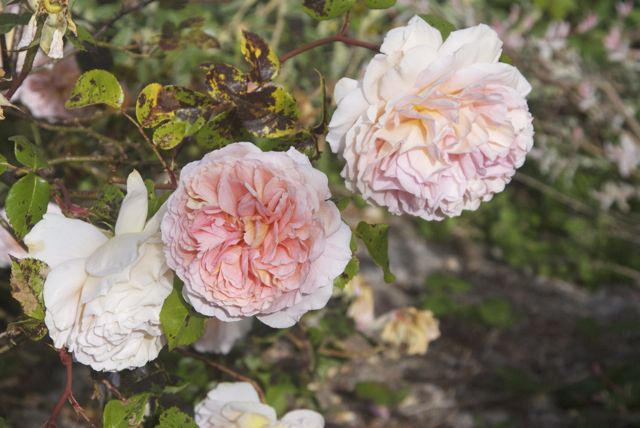
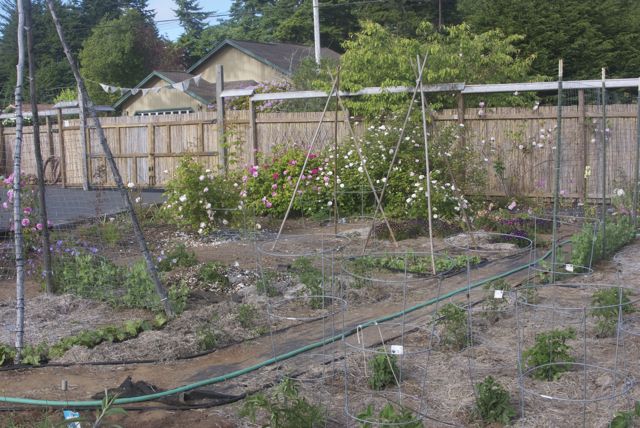
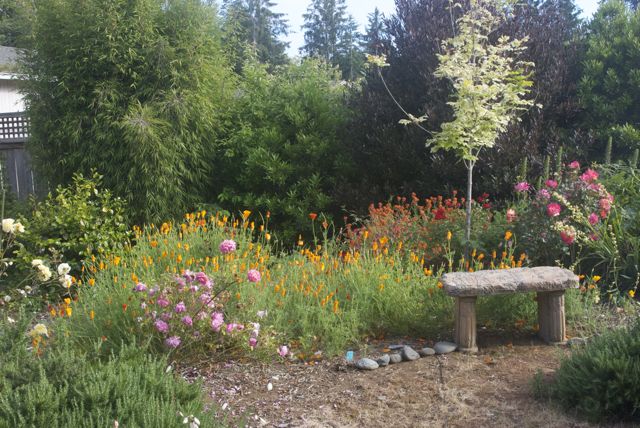
I’m back from my latest trip, which was a great combination of work and play.
It started with being one of the jurors for the Society of Animal Artists‘ prestigious national juried show “Art and the Animal” which, along with the board meeting the next day, was held at the legendary Salmagundi Art Club, located on 5th Avenue in New York. And ended with a walk through the Great Swamp National Wildlife Refuge in central New Jersey
In between, there was a great road trip with fellow Society members and friends, Guy Combes and Andrew Denman. We had a jam-packed five days that included a visit to the Delaware Natural History Museum, Longwood Gardens, Assateague and Chincoteague Islands, the Ward Museum of Wildfowl Art, the Brandywine River Museum and the Great Swamp National Wildlife Refuge in New Jersey.
Here’s an album of the highlights:
First was Longwood Gardens, at one time a Du Pont family property.
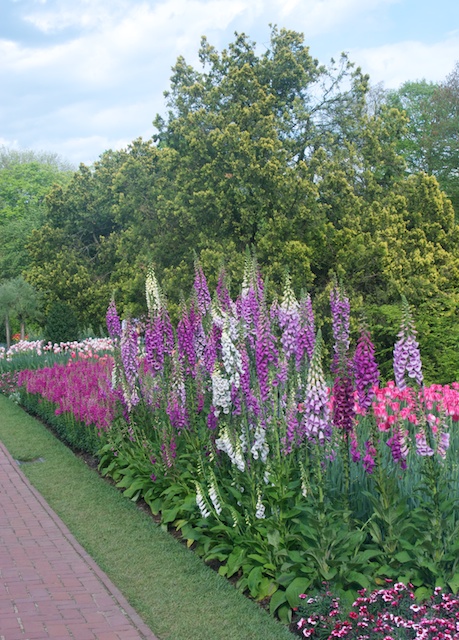
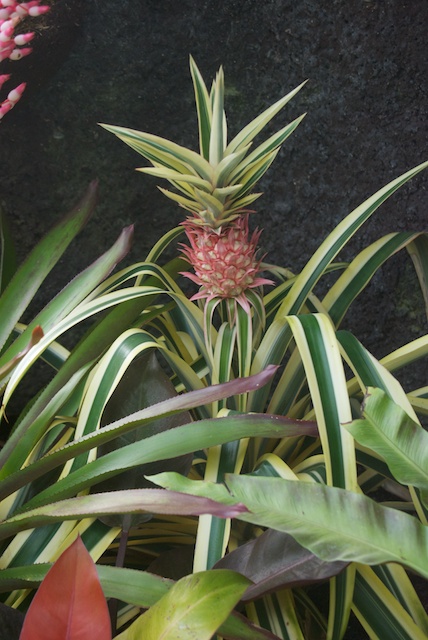
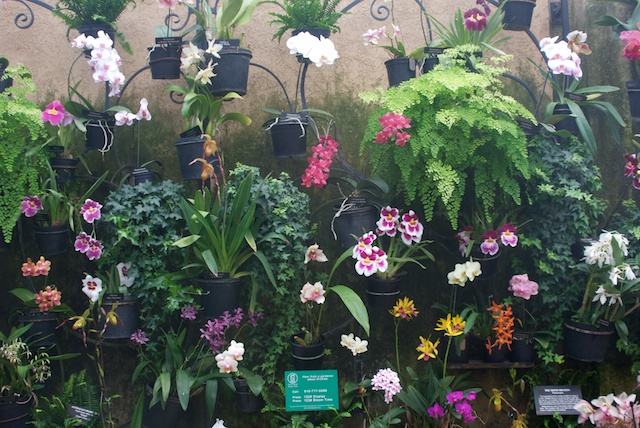
Then it was off to the Delaware coast where a comfortable condo had been put at our disposal. I had read “Misty of Chincoteague” as a child and was excited to finally visit both it and Assateague National Seashore, where we turned out to be in the right place at the right time to record this stunning encounter between two young stallions. It went on for at least a half hour and these are just a few of the hundreds of photos I shot, but it shows the pattern of interaction that emerged and was repeated at least a half dozen times.
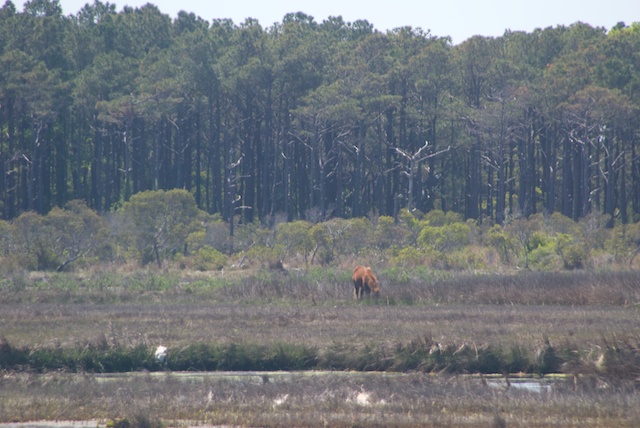

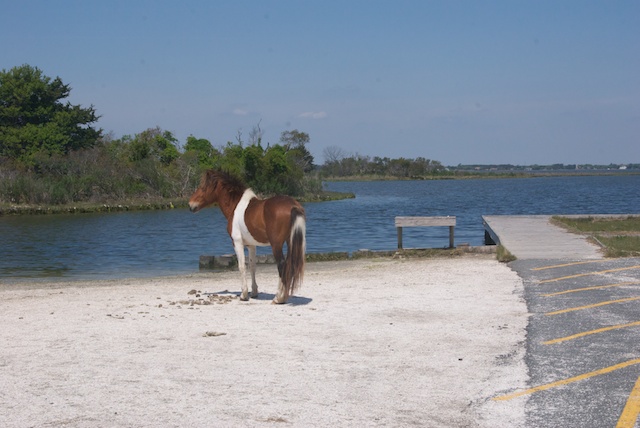
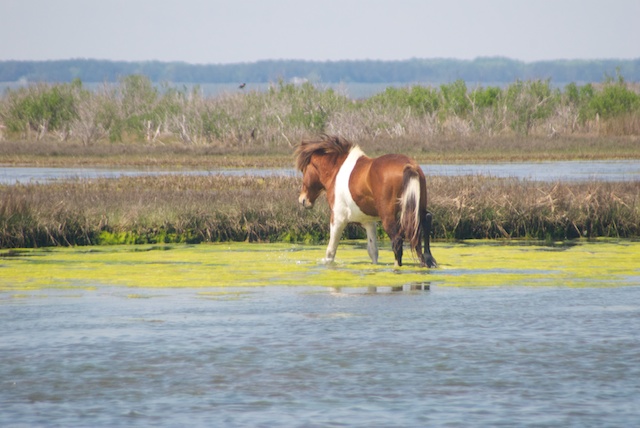
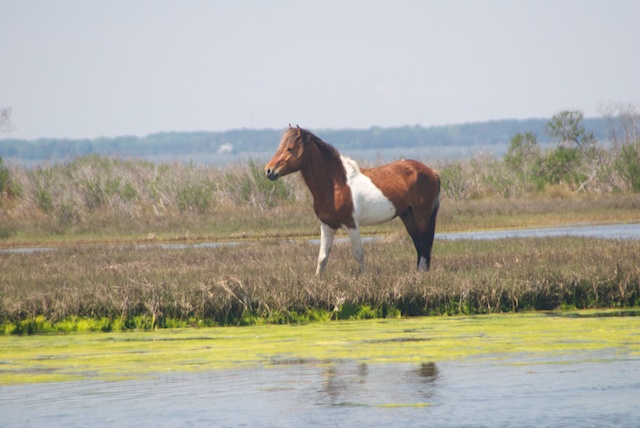
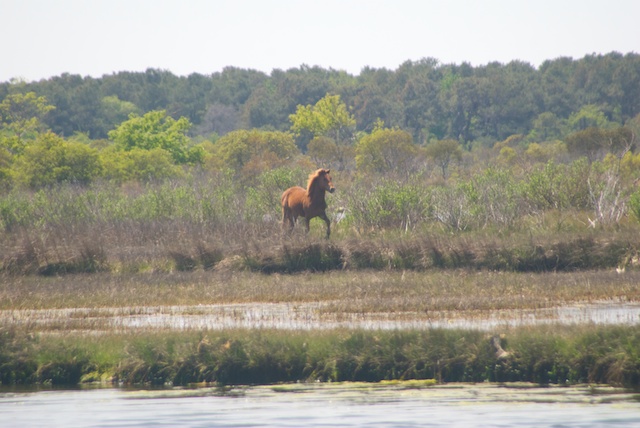

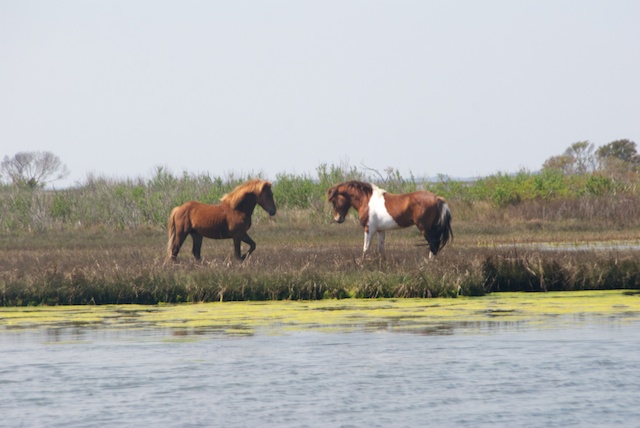
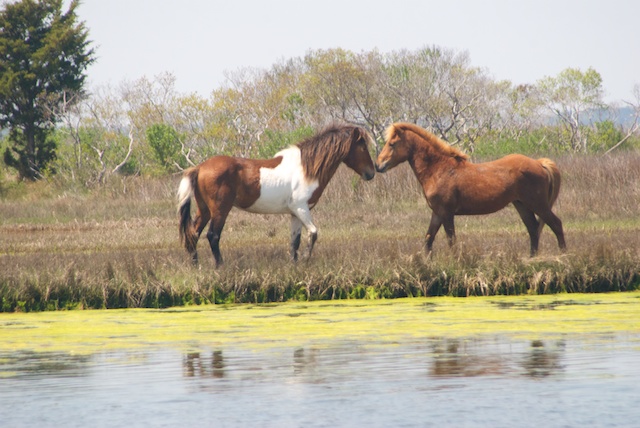
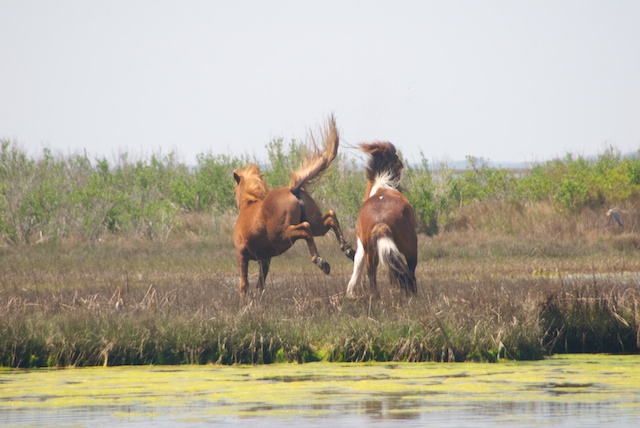
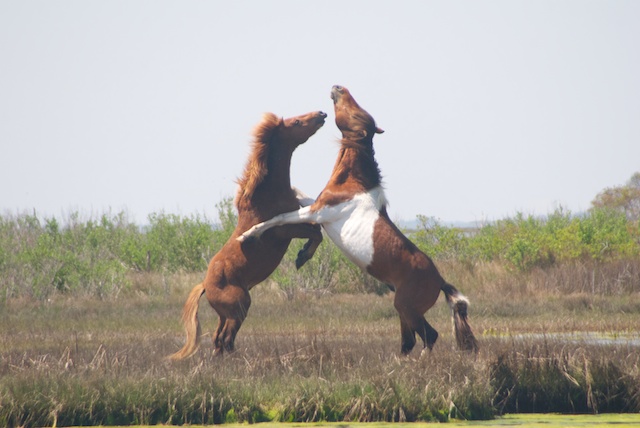
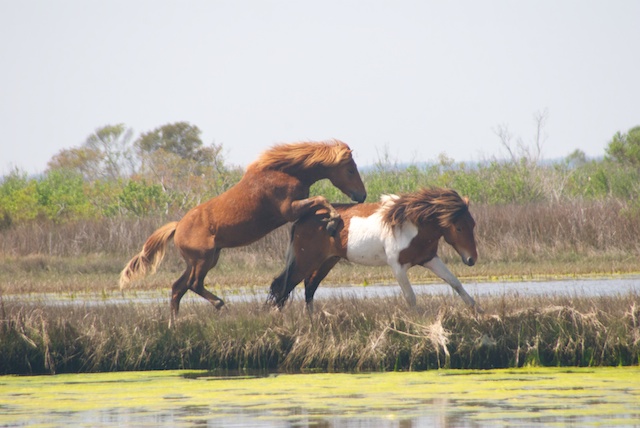
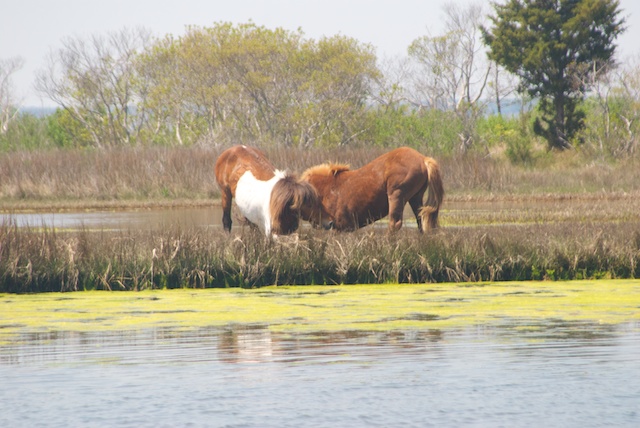

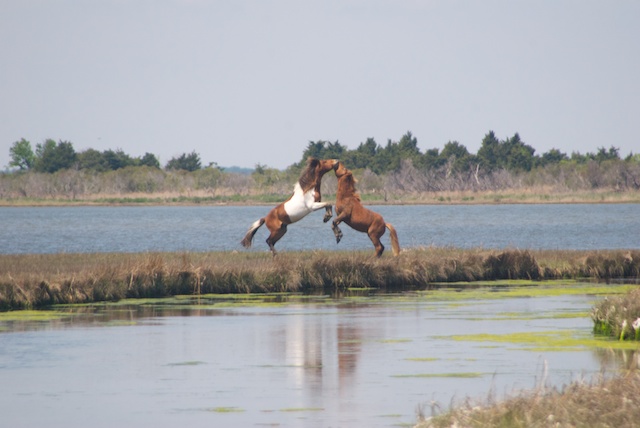
What an eyeful that was! We drove on, stopping to hike a number of trails, seeing a variety of birds and more horses.
From Assateague, we took a “detour” to Salisbury, Maryland to visit the Ward Museum of Wildfowl Art, which houses an incredible collection of hand-carved birds. Then it was back out to the coast to Chincoteague Island.
I was dubious at first, since the entry point to the island is a town that, although having lovely old buildings, was definitely a tourist destination. But I need not have worried. Once east of town and into the refuge, we were in a wonderland of scenery and wildlife.
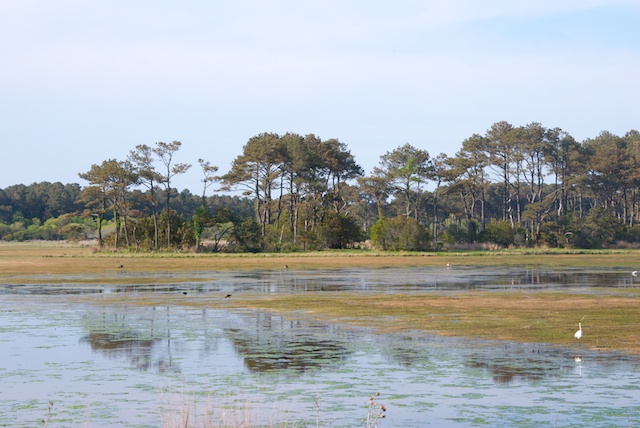

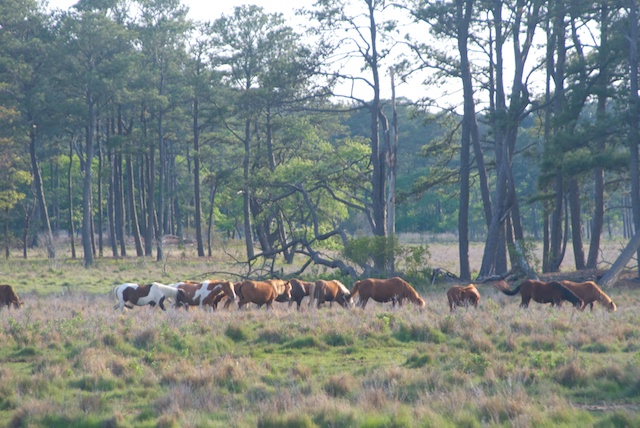

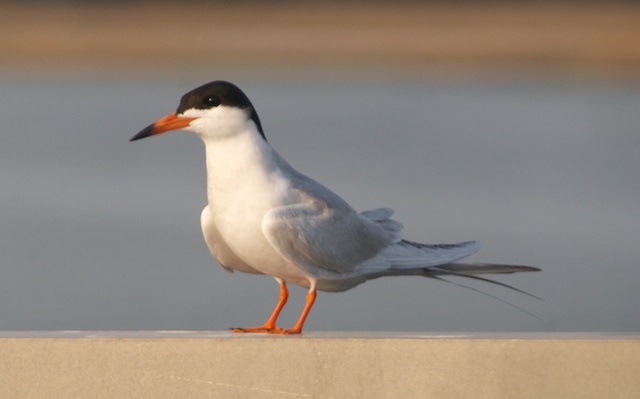
The next day, after a visit to the National Gallery of Art in Washington D.C., Andrew had to catch a plane home, but Guy and I soldiered on, paying a visit to the Brandywine River Museum, home to an astonishing collection of original illustration by N.C. Wyeth, Howard Pyle and many other legendary illustrators, along with galleries featuring both Andrew and Jamie Wyeth. Very inspiring, to say the least.
The final wildlife stop on the trip was the Great Swamp National Wildlife Refuge in central New Jersey. Surrounded by rural residential development, it is essentially a bowl between the hills that collects water, forming rich swamp and wetland habitats. The main access is a boardwalk trail that winds through the swamp out to a large bird blind. But we were barely one hundred feet down the trail when the wildlife show began.

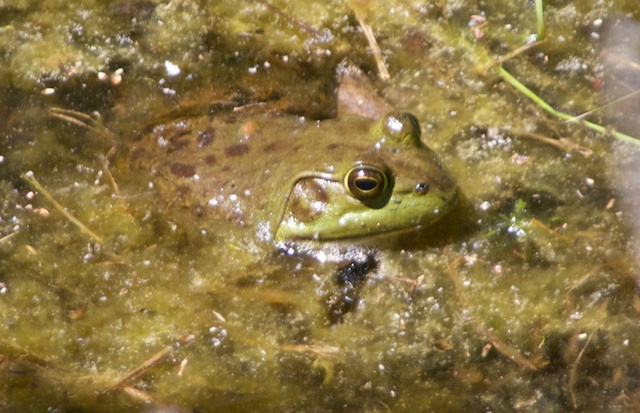

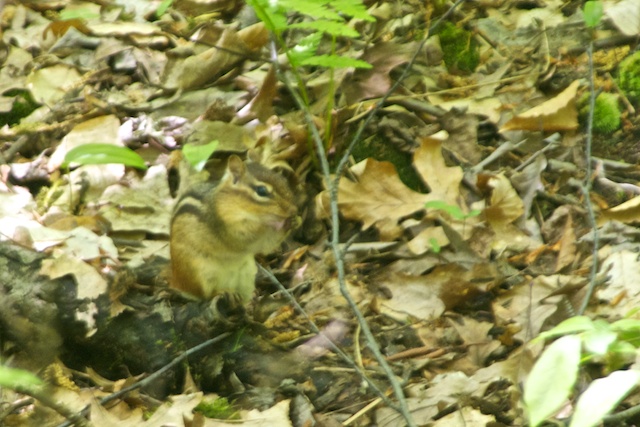

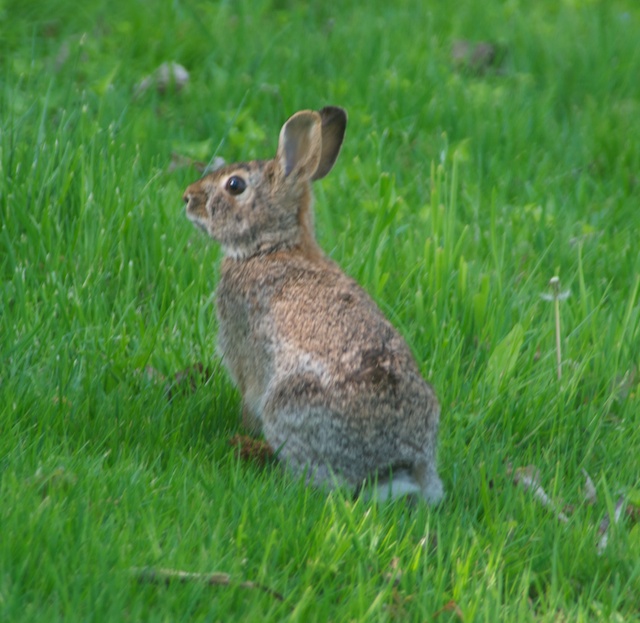
I spent the last night of the trip at the Hiram Blauvelt Art Museum cottage where Guy is the artist in residence, along with a groundhog and eastern cottontail rabbits. The groundhog managed to stay out of camera range, but I did get some good photos of the bunnies.
I completed a major painting last week. It’s one I’ve been anxious to take on since I spent a hour with a group of five argali rams this past July at Ikh Nartiin Chuluu Nature Reserve. I was there for six days, staying in one of the gers and taking meals with the scientists and an Earthwatch team.
I’d gotten up at 5:30am, thrown on the clothes that I’d laid out the night before, hoisted my camera pack onto my shoulder, slipped out of the ger and began a slow, careful walk down the valley.
I had learned that the only water in the area was coming from a spring just a few dozen yards from camp and that argali were coming to the valley regularly in the morning and evening. Which was quite convenient, saving me a lot of walking around and clambering over rocks trying to find them.
I picked a spot and sat down in plain view, having been told that makes them less nervous than if you try to hide behind a rock. Took a look around through my binoculars and, within a few minutes, up on the cliffs to my right…

As I watched them, wondering if anyone was going to come down, I had a feeling…and looked back over my shoulder to my left.

How long they had been standing there watching me, I have no idea. Then they started to move towards the stream bed.


As I watched, the sun started to hit the tops of the cliffs. Would I get to see these guys in morning light before activity in the camp behind me spooked them?

The first three crossed the stream bed to a small clump of trees. Two more rams had come down from the cliffs on the right. The Sunrise Boy’s Club was now in session.
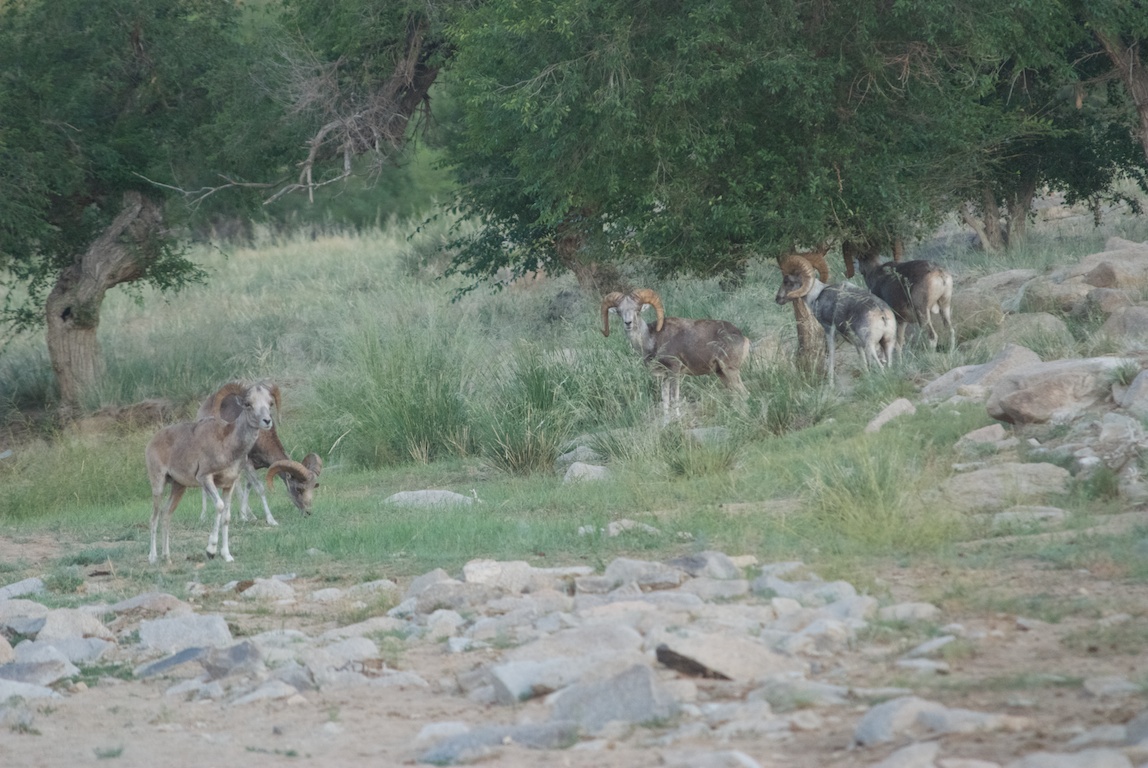
There were three older adults with massive horns and two younger rams. The big guys were almost grey, their juniors a reddish-brown.
They browsed in the trees, did a little pre-rut testing (a future painting). And then….

But everyone settled back down. Except for this young one who decided to check me out, walking almost straight towards me. It made the others nervous at first, but they didn’t run.
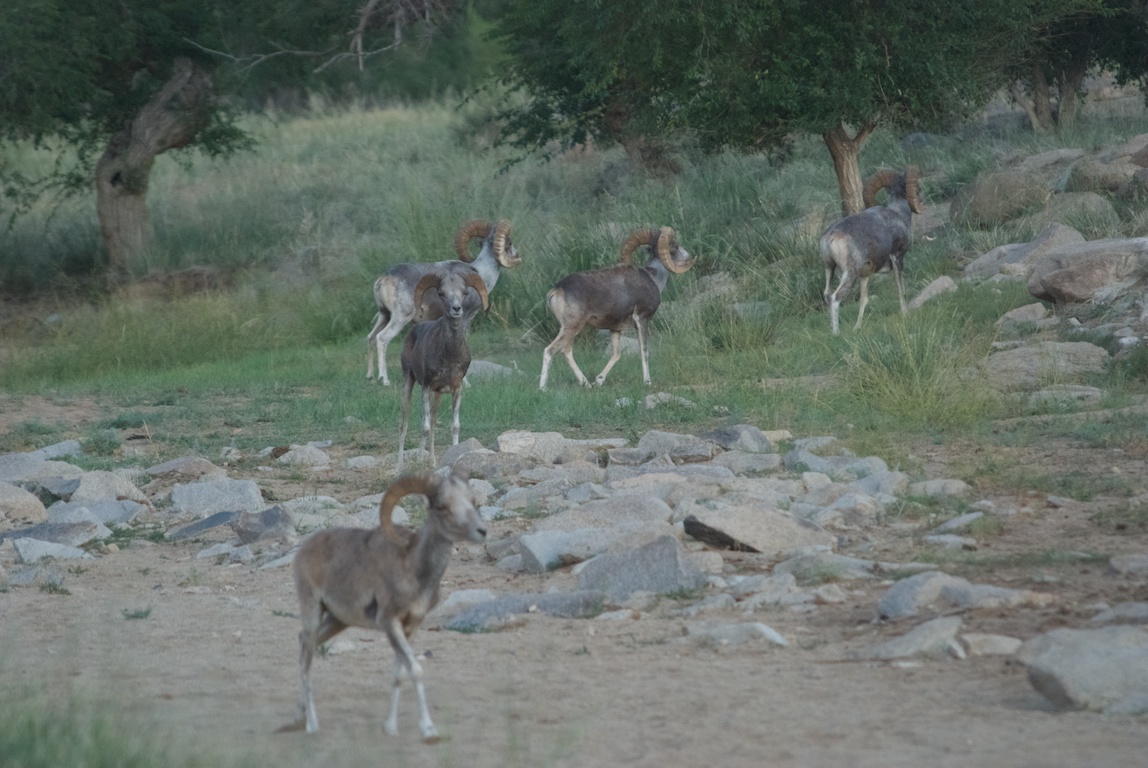
I sat there in disbelief. For me, this is the grail of wildlife fieldwork: sitting out in plain view and having a wild creature choose to approach you.

But I wasn’t so paralyzed with delight that I forgot to take pictures, getting the best argali head reference I’ve shot so far.

He finally turned and walked back to the others who, as you can see, are standing there, watching. I found myself running this little thought thread: “We didn’t get this old and big by being stupid. Let the young guy check her out.” And then imagining the adventurous ram, kind of like a young British officer, reporting back to his superiors. “No problem, sir. None at all. Piece of cake.”

But he wasn’t done yet. For a second time, he walked down the stream bed towards me.

He finally rejoined the group. Suddenly they were up on their feet just as the light was starting to reach the valley floor. Oh, no! They’re facing the wrong way. Are they going to run up the hill?

Suddenly one of the young rams turned and bounded into the light. Yes!
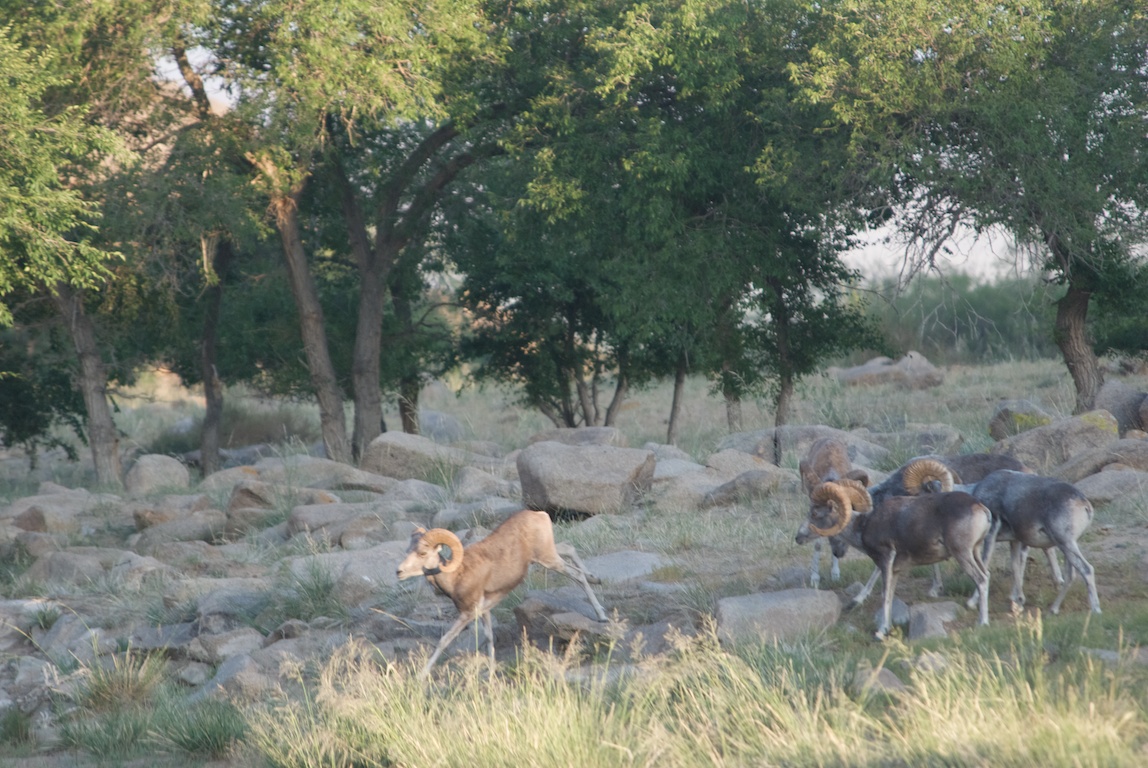
And everyone else followed, crossing right in front of me and occasionally stopping for a nibble.
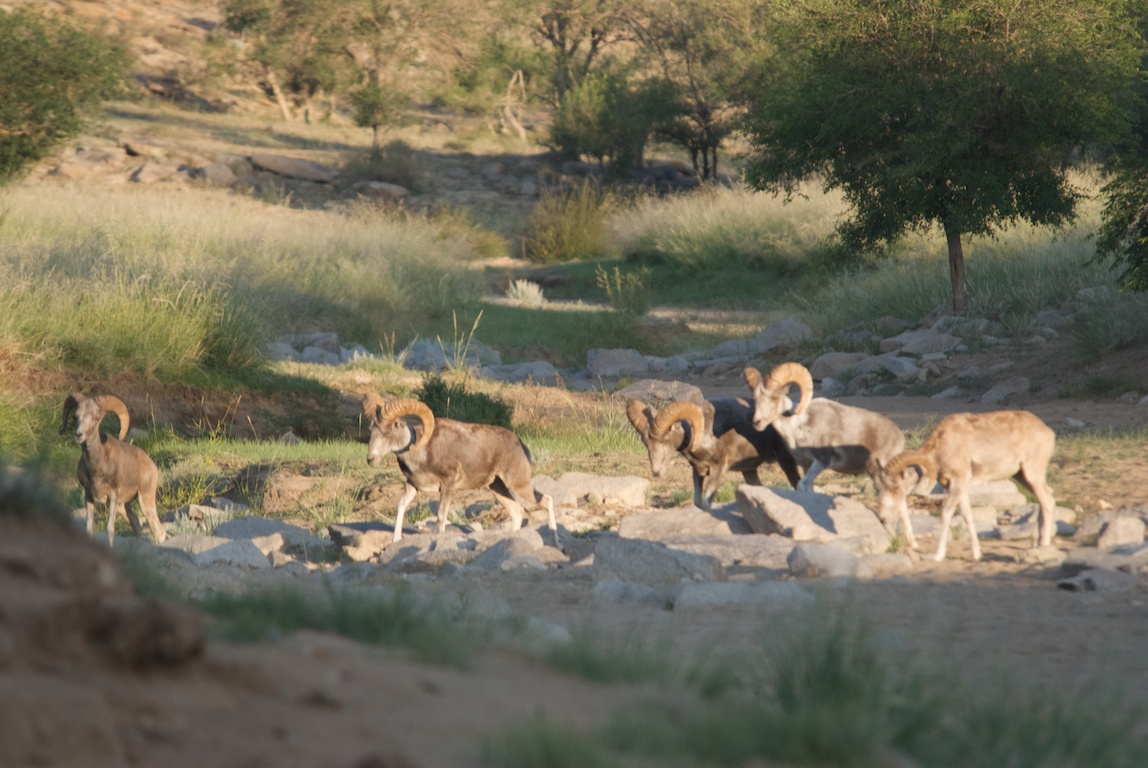
But now I could hear movement in the camp. The group split up, two of the rams going up into the rocks.

Three of them walked on down the valley in the bright sunshine.

I looked behind me and saw one of the scientists from the camp. He walked past me. The rams kept moving, but never ran. It’s good they’ve learned that in this place they don’t have to fear people.

The three finally made a right turn up into the cliffs, stopping, as argali often do, to take one last look.
On Friday, Part 2 will present a step-by-step post on the painting that came out of this wonderful experience.
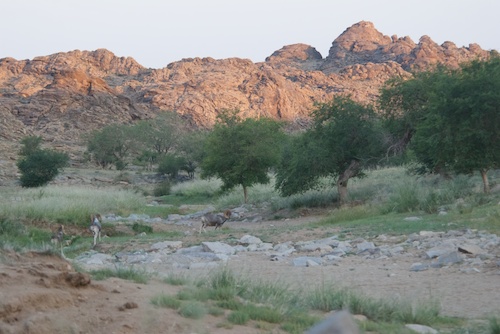
I’m proud and pleased to announce that I am one of four Americans and seven Mongols who have recently been appointed by the Dornogobi Aimag Governor (an aimag is the equivalent of a state or province) to the Ikh Nart Natural Resource Area Working Group!
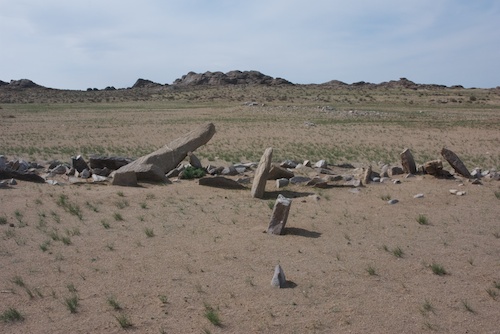
Ikh Nartiin Chuluu Nature Reserve is becoming a model for how a reserve or park can be managed in Mongolia, which has set aside one of the largest percentages of its land area of any country, 13%, as protected in some way.

The other Americans are Dr. Richard Reading, the Vice President for Conservation at the Denver Zoo, who in charge of the research camp that was established at Ikh Nart in 1994; retired Anza-Borrego California State Park Superintendent Mark Jorgensen, (Anza-Borrego is officially a sister park to Ikh Nart and its supporters have been very generous in their support of Ikh Nart, donating both money and equipment like spotting scopes and binoculars) who will continue to nurture the sister park relationship; and retired state park employee Lynn Rhodes, who has been offering her expertise on law enforcement policies and training.
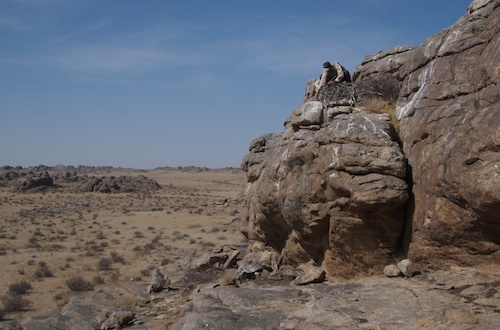
I have been tasked with continuing to support Ikh Nart Is Our Future, the women’s craft collective and also to publicize Ikh Nart and the collective outside of Mongolia.
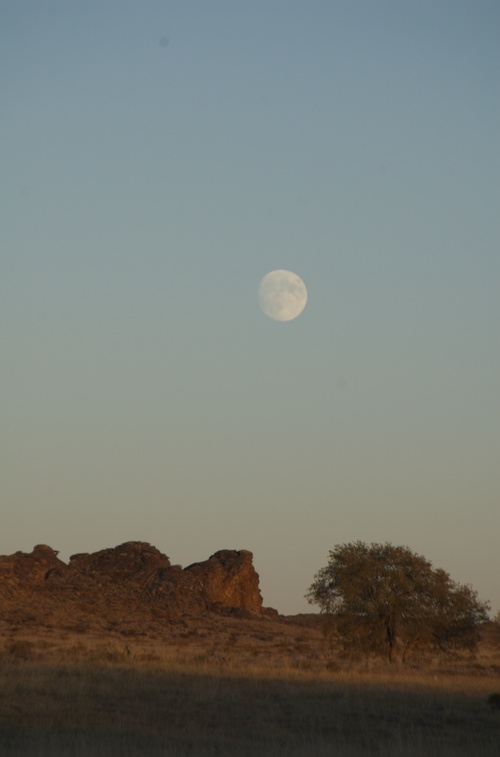
The Mongols in the Group include the scientist in charge of argali research for the Mongolian Academy of Sciences, Amgalanbaatar (Amgaa), who has become a good personal friend; the head of the aimag’s environmental agency; two soum (county) governors; the reserve ranger; and a representative of the local herders. So I will also have an opportunity to see how another country’s government operates at a local level.
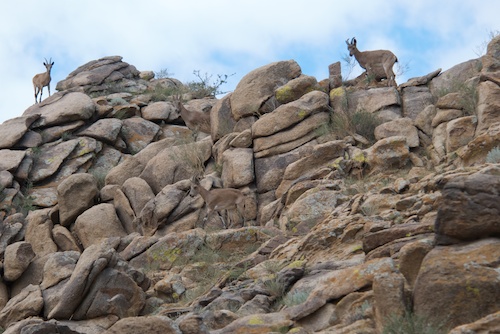
I feel very privileged to be included in this on-going effort to conserve a very special place and to work with the Mongols in doing so.

UPDATE AS OF MARCH, 2012: As of a few months ago, the Working Group decided to create an advisory council on which the four westerners would serve. I am now a member of that council. My direct work with the collective, Ikh Nart Is Our Future, has not changed.
 Susan Fox, American Artist