Stillman and Birn Beta paper (a little smoother than a cold press watercolor paper)
Every year in the winter, I try to set aside time to review my painting process and experiment with new media and supports, both for painting and drawing. Last year in January I had to swing into action for the “Wildlife Art: Field to Studio” group exhibition at the Flinn Gallery, but after three exhibitions in four years I currently don’t have one scheduled for 2017 so have time to mess about and explore ways to improve my work.
I purchased a set of Cretacolor AquaMonolith pencils last year, took them to Mongolia without much of a pre-departure tryout and wasn’t happy with what I did. Tough to test drive a new media in field conditions. I also had some Derwent Inktense water soluble pencils that had been sitting around for a year or so with no time to play with them. I’d been using their regular water soluble colored pencils on and off for years. So a couple of weeks ago I sat down with all three and a bunch of different papers.
Cretacolor is an Austrian company. I’d already started to use their Monolith graphite pencils and I like them a lot. I use them now for my finished drawings. They and the AquaMonoliths are woodless graphite with a lacquer coating. The difference is that the latter are color and water soluble. Derwent is an English company, based in the Lake District, which was founded in 1832. Wood pencils were invented by them and we’ve visited the factory during a past trip to England (a definite stop for artists if you’re there). I’ve used a variety of their products for years, including their wood drawing pencils.
Once I laid down the colors I went back with a waterbrush (more on those in a future post) and did some blending. It’s a “hit it and leave it” for the most part. On most of the papers continuing to wet and push the color around makes a mess. I experimented with how hard and thick to lay on the strokes and found that I liked leaving them visible.
I’m posting them in the reverse order that I did them because of how Google and other sites will choose the header image and I’d like the “good ones” to show up. Fingers crossed. :0)
None of them are more than about 2×2″, so thumbnail size.
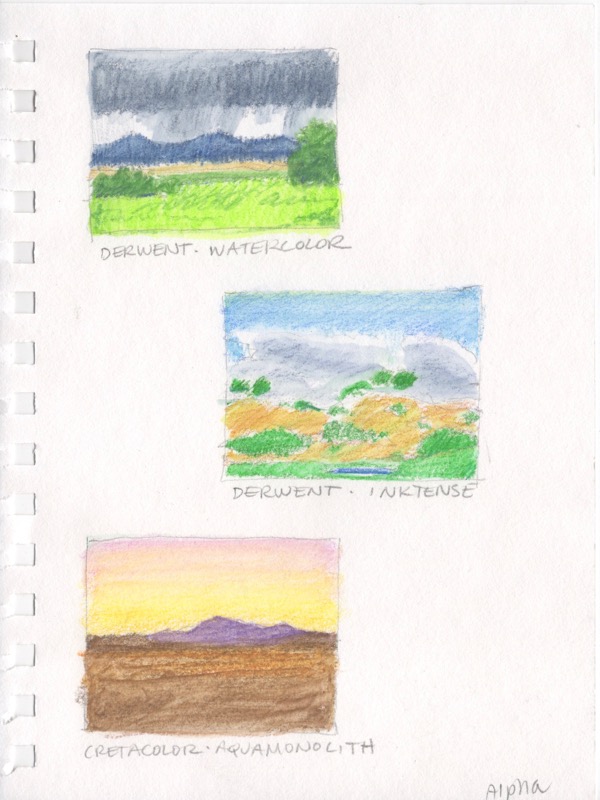
Stillman and Birn Alpha paper (slight texture, a little on the thin side for adding water, but it didn’t buckle at all)
I had fun getting the rain effect in the top sketch.
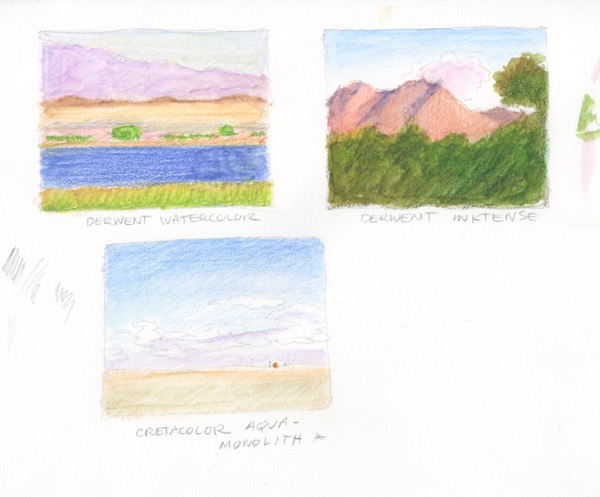
Stillman and Birn Zeta paper (smooth, almost a plate finish)
The pencils worked, but I like them better on a paper with more tooth.
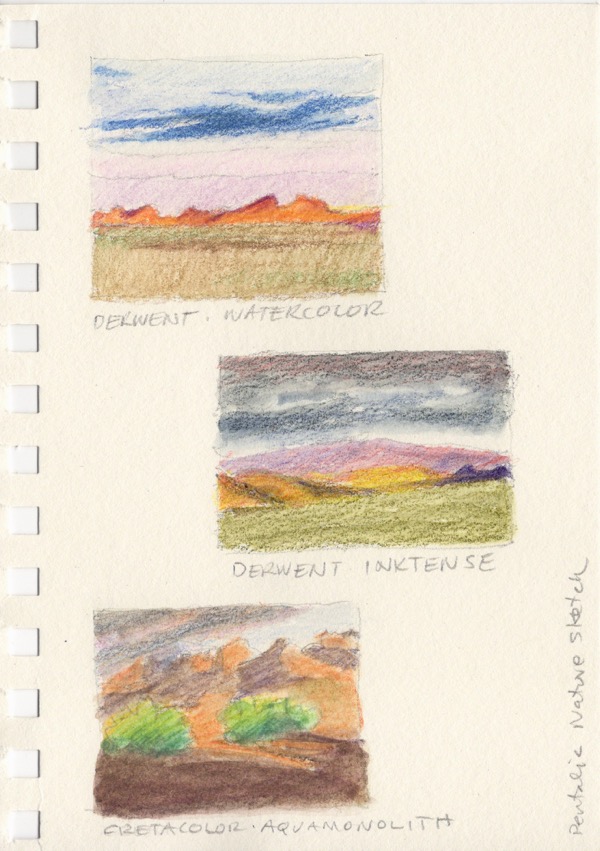
Pentalic Nature Sketch sketchbook (not thrilled with this first try, but I otherwise really like the paper so will experiment further; it does have some tooth and is off-white)
I’ve been using the Pentalic Nature Sketch sketchbooks for a couple of years, carrying a small one around with me and also to Mongolia. They’re reasonably priced, come in a variety of sizes including a 6×12″ which I like a lot. The paper is acid free and 25% cotton and really is multimedia, including watercolor if you don’t go too heavy on the washes.
Strathmore 400 vellum bristol
I’ve been using this paper, along with Rives BFK, for my finished drawings that I frame for sale at my local gallery, Strawberry Rock Gallery in Trinidad, California. While it has a bit of tooth, it was the least successful and is off the list for now, but I really like it with the Monolith pencils.
Happy New Year! I’m going to change things up on the blog for the coming year, my tenth as a blogger. I’ve been lucky enough to do a lot of traveling over the years to a variety of destinations. And do I have stories? I certainly do. So the first Friday of each month will be “Tales from the Field”, which will include Mongolia, of course, but also Kenya, Canada, Europe and the US. Then I plan to do a post on whatever I’ve got cooking in the studio or on location, followed the next week with one of useful tips and information on painting and drawing. The fourth Friday will be a “gallimauphry” post, a great medieval term for “this and that”… announcements, special offers, whatever has caught my fancy. There may be posts in between for news that just can’t wait.
To start off Tales from the Field, here’s the story of my encounter with a yak in the northern mountains of Mongolia….
I was on my way to Jalman Meadows, a Nomadic Journeys ger camp located in the Han Hentii Strictly Protected Area at the northern reaches of the Tuul Gol (River), which wends its way down through Ulaanbaatar and on west.
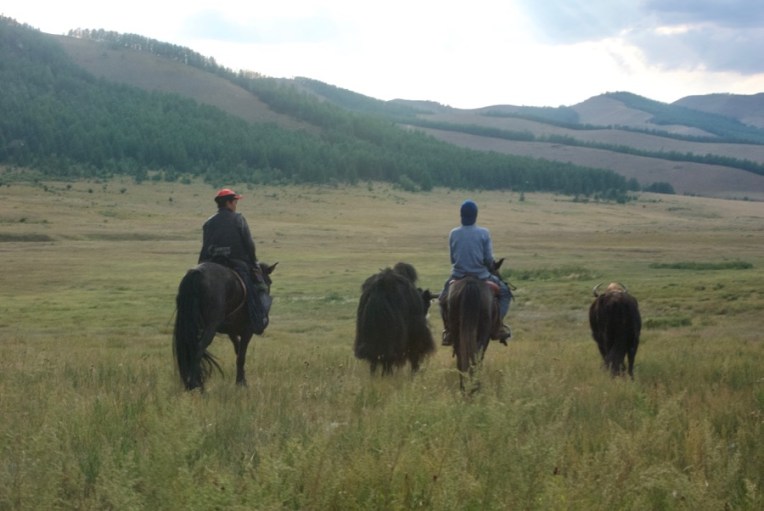
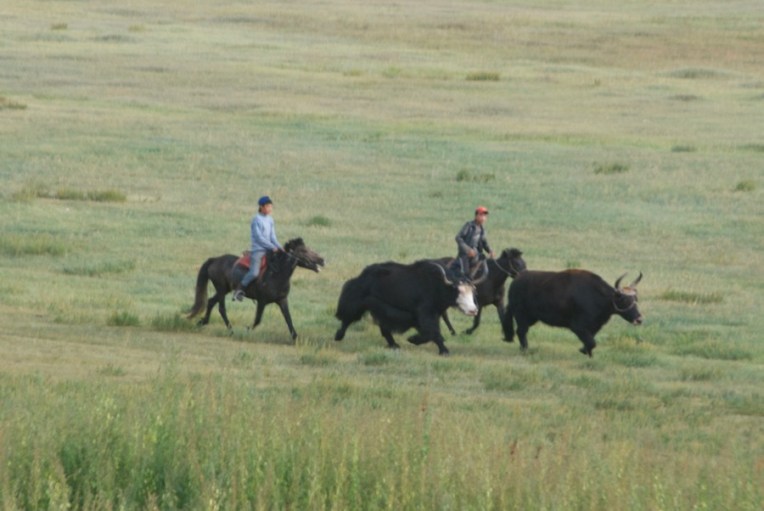
We had left the pavement behind and were traveling on earth roads through the beautiful late summer countryside, passing local herders and their livestock, along with their white gers, the quintessential Mongolian landscape. Driving along a slope overlooking a valley we came upon (top photo) these two young men and a couple of yaks, both of which appeared to be gelded yak/cow crosses, which are stronger for work than pure yaks. The intact bulls have their horns removed because otherwise they would be too dangerous to handle.
They were keeping a careful eye on their charges.
But clearly experienced in moving these big beasts along. The horses were as phlegmatic about it as they always are.
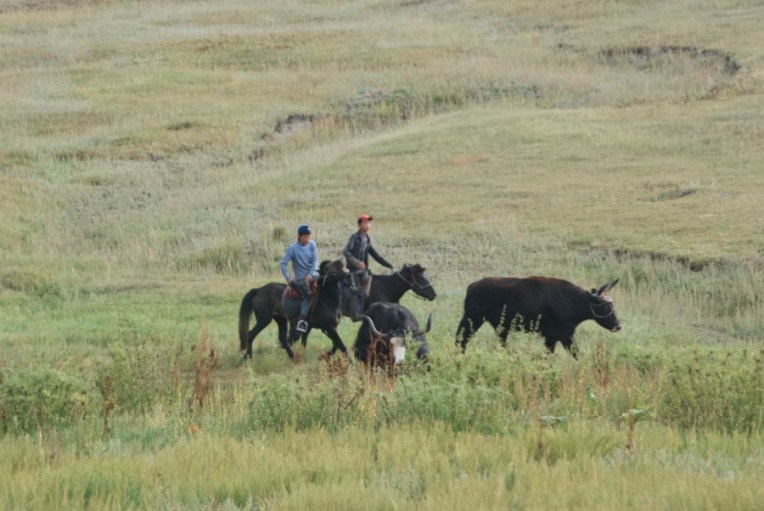
We stopped while they crossed the road in front of us. I was sitting in the front seat of the Land Cruiser on the left side, the car being right-hand drive, and shooting photos through the windshield, but was able to have the window down next to me.
The boys and their charges moved off down towards the valley floor and we drove on.
There was a summer rain storm coming in and the light was spectacular at times. While we were stopped the riders and yaks caught up with us.
Got more photos of them passing us, although this one was a little blurry, it was the best composed. Then things changed in a hurry…
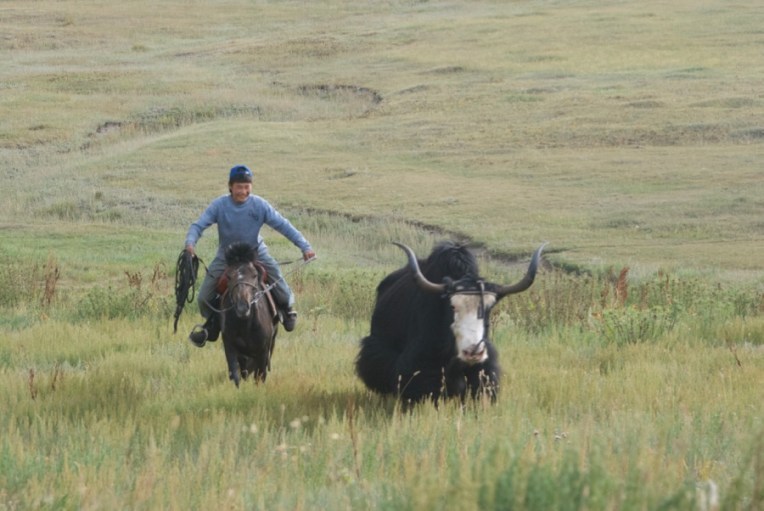
The bigger of the two yaks suddenly turned towards the car.
And started to charge towards it, aimed right at the passenger door. The boy had been smiling, but became quite serious. I wasn’t going anywhere.
Now he needed to really get his horse moving to catch up. I remember thinking that there was going to be collision with the car door and I would be looking right at those horns from a very, very short distance.
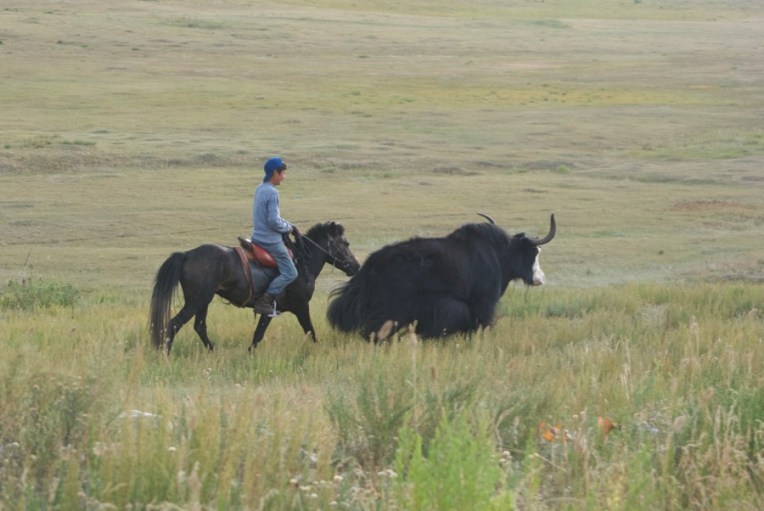
But he got the yak turning away and started to grin again. At this point he was about 15′ from the car. I and the driver exhaled. There had been no time for him to start the engine and no place to drive to anyway. Best to just stay put, stay quiet and not move. So I just kept, rather fatalistically, I suppose, taking pictures out the open window.
The yak was now turned away from the car and going in the right direction.
And the rider herded him towards the other boy and his charge.
Our yak encounter over, the herders moved their charges on down the valley with a pretty good story to tell when they got home.
And we drove on to our destination, Jalman Meadows, set high on a bluff overlooking the river and the mountains. You can see photos of my stay there on a previous blog post here.
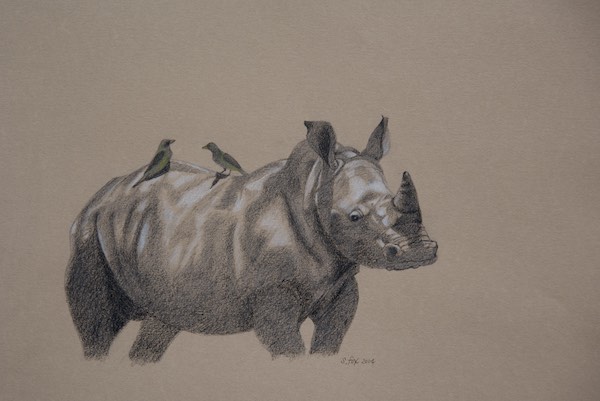
“Baby White Rhino” colored pencil on toned paper $150
Just in time for the New Year….affordable original art by Susan Fox, Signature Member of the Society of Animals Artists, Juried Member of the American Academy of Equine Art and Artist Member of the Salmagundi Club. I’ll be adding more every month. They are one-of-a-kind originals so once they’re sold they’re gone.
If there’s a particular species you’re interested in, let me know. I have many more drawings available and can send you an image on request if I have something.
Don’t miss out on these one-of-a-kind original drawings!
“Bobcat” This bobcat posed nicely for me when I was at the Arizona Sonora Desert Museum a few years ago for the opening of an invitational exhibition I was participating in, “The Sea of Cortez”. You can see the paintings I created for that show here.
14.5×9.5″ graphite on paper
$175
Payment accepted through PayPal (within 24 hours or piece will be made available again). US shipping is included, as is sales tax when applicable.
To purchase: Leave a comment with “Sold”. I will reply and request mailing information. All work subject to prior sale.
On Monday, January 2, all unsold drawings will be posted on a website page gallery.
Don’t miss out on these one-of-a-kind original drawings!
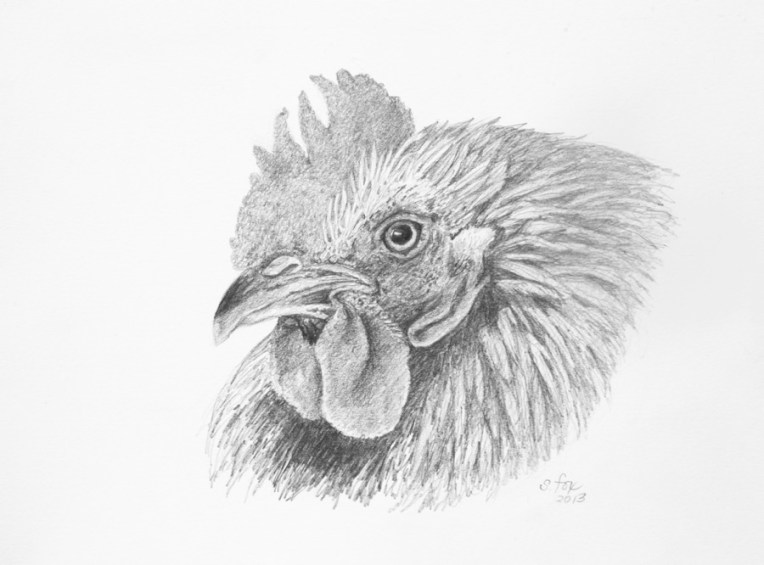
“Rooster” For some years I volunteered for one evening a week at our county animal shelter, showing dogs and cats to potential adopters, taking the dogs for walks, playing with the cats etc. I came in one day to see a small group of chickens in one of the outdoor enclosures, including this rooster. They’d been spotted walking down a road. Animal Control managed to catch them. They were all adopted pretty quickly.
9×12″ graphite on paper
$125
Payment accepted through PayPal (within 24 hours or piece will be made available again). US shipping is included, as is sales tax when applicable.
To purchase: Leave a comment with “Sold”. I will reply and request mailing information. All work subject to prior sale.
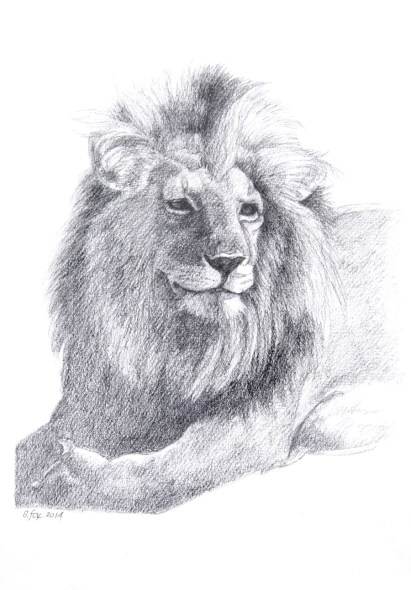
PREVIEW:”Relaxed” graphite on paper (African lion I saw in Kenya in 2004).
I love to draw! And I love to draw animals the most!
For the third year I will be offering one-of-a-kind original drawings of a variety of species. They are created in graphite on acid-free bristol vellum paper and are unframed. All will be under $200. Payment accepted through PayPal. Shipping is included, as is sales tax when applicable.
The drawings will be posted here on my blog and also on Facebook, Instagram, Pinterest and Twitter. All work will be subject to prior sale. On December 30, any unsold work will be listed in a new gallery on my website.
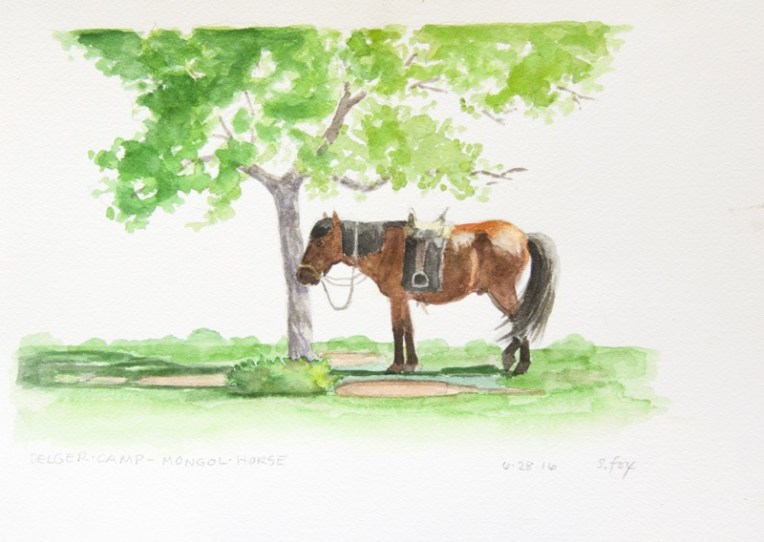
A local herder came by the ger camp I was staying at to help put up more gers and “parked” his horse right in front of mine. The horses are stoic about standing like this for hours at a time. He shifted around over the two hours I spent on this piece but always came back to this position. I had never done a watercolor of a live animal before, but he was a good model and once I got the drawing and shadow shapes down it was fun
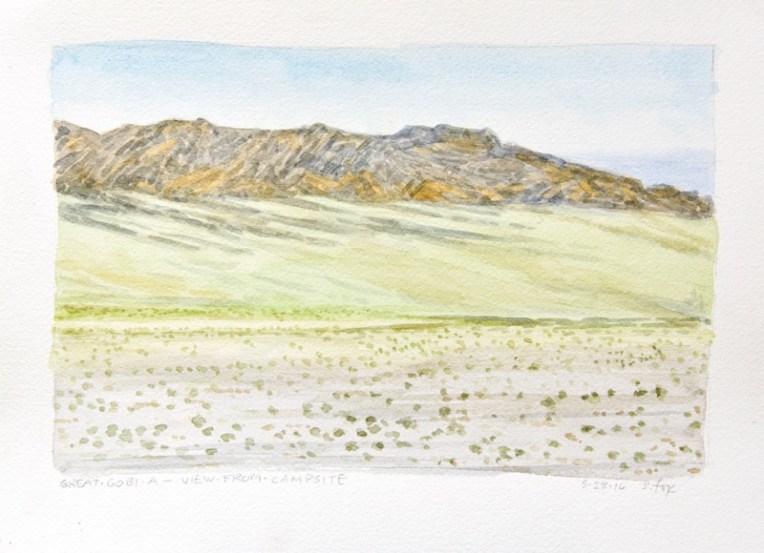
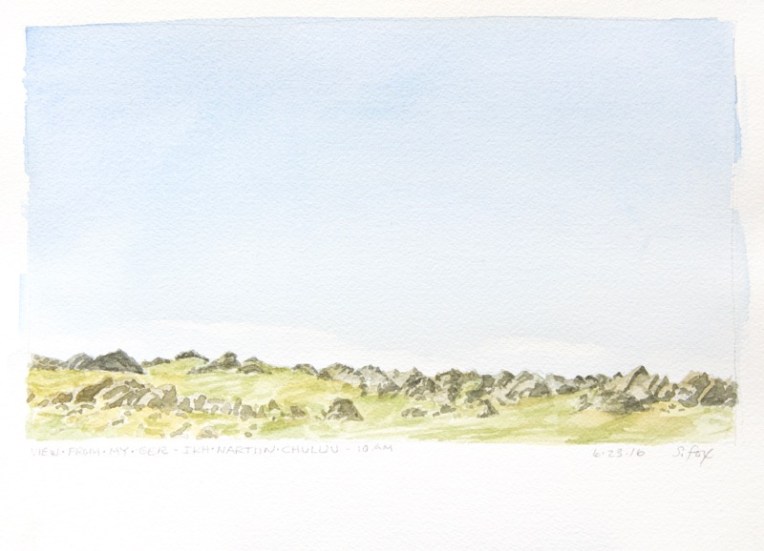
The weather on this last trip often wasn’t conducive to sitting and painting since a watercolor can easily take an hour or more. We had snow, rain and wind on the Expedition. It was hot at Ikh Nart and rainy at Delger Camp. I mostly drew in my journal and I’ll share those with you next week. But I did get some watercolor time in and here’s the result…
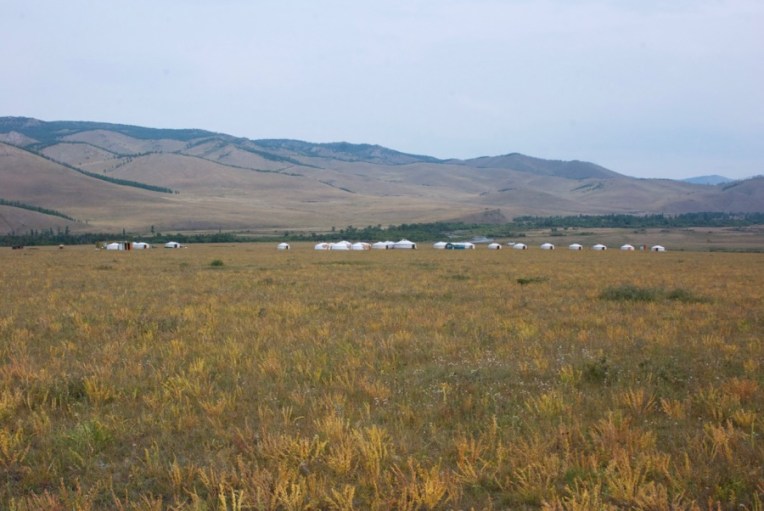
This was our view from camp across an open plain when we were in the Great Gob A Strictly Protected Area. It was really hot so I sat in the shade of our dining tentI was able to break free for a hour or two when we were visiting the Gachen Lama Monastery in Erdenesogt Soum after we came back north from the Gobi. It’s located in the central Hangai Mountains and is a totally different ecosystem. I’ve always loved seeing the stupas which overlook the river valleyAs described in a previous post, I had purchased my own ger and lived in it for a week at Ikh Nartiin Chuluu Nature Reserve. These are some of the rock formations that I could see from nearbyMy last stop was Delger Camp in the Hogno Han Nature Reserve. I had arranged to be dropped off in the wetland/dune area to paint and decided to start with the clouds moving over the mountains of the reserve. They kept getting closer and closer and the wind started to come up. It started to rain and I took cover under a tree. As the front moved over me there were loud rumbles of thunder. Fortunately the driver, who is the brother-in-law of the camp owner, had left a mobile phone with me, a first and something I’ve never worried about having since there’s usually no service in areas like this. I called and managed to get through to the camp owner who had the driver, who’d gone into the soum center for gas and was too far east to have seen the storm moving in, come back and get me as quickly as possible. Other than getting wet, I was fine. It was the end of my painting day, but I do have this not-quite-finished one as a memory.
An impressive stallion watches over his family group at Hustai National Park
All journeys come to an end and the Expedition concluded near Hustai National Park, one of three places in Mongolia where takhi/Przewalski’s horse have been reintroduced. Of course we went to see the horses, but our main mission was to spend time with the staff of the Mongolian Bankhar Dog Project.
Hustai also has a healthy population of endangered Siberian marmotsThe second time we went out to see the horses we got quite an eyeful, four family groups in sight
I had been in contact with Greg Goodfellow, the project scientist, before I left for Mongolia in mid-May. We arranged for the Mongolian Bankhar Dog Project to be featured by the Expedition. A mutually agreed upon statement was written which you can read here. It provides all the basic information on what the project mission and goals are.
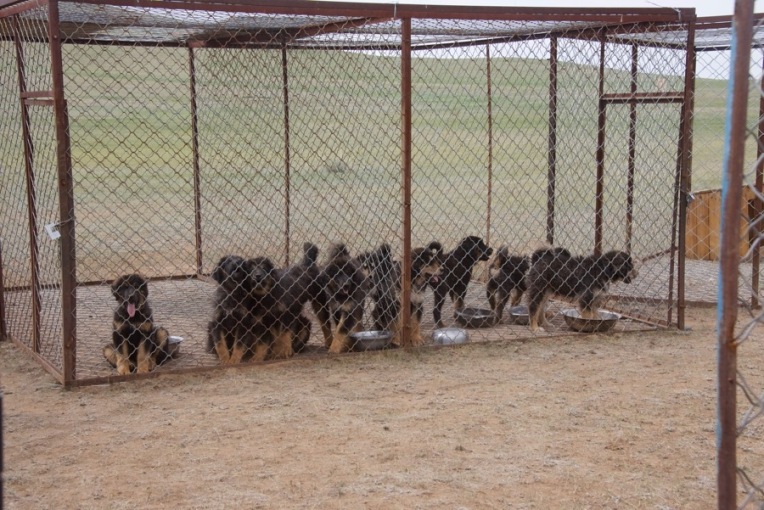
From left to right: Oliver Hartman, Greg Goodfellow, Batbaatar Tumurbaatar and Kim Campbell ThorntonThere was one pen full of bankhar puppies, as cute as puppies are anywhere
The project’s first step had been to go out into the countryside and find pure bankhar through DNA testing. There are a lot of mixed heritage dogs due to the Russians turning loose their German Shepherd guard dogs when they left Mongolia after the fall of the Soviet Union, plus other breeds and types have found their way into the country over time. But enough dogs were found to start a breeding program. These were temporary kennels that had just been set up since the project needed to relocate the dogs away from UB. The new permanent ones are in place now, but I don’t have any photos of them yet.
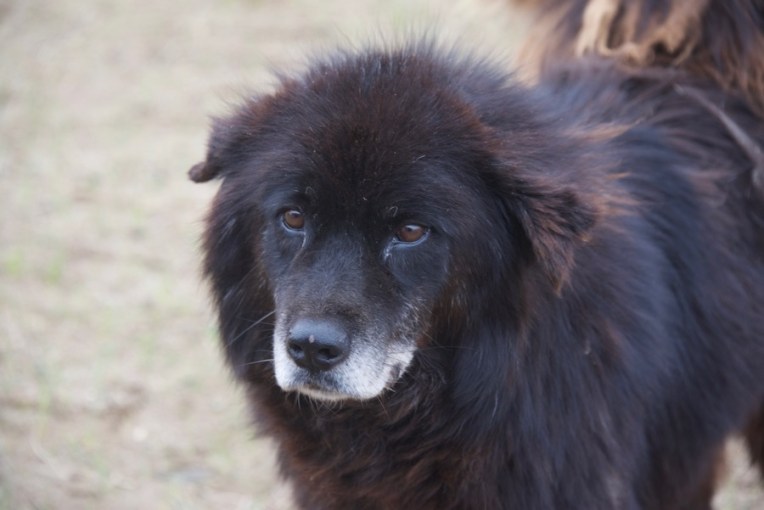
A bankhar, the traditional guard and livestock guardian dog of the Mongols.
Bankhar are a “landrace”, not a breed, which means they developed their traits through adaptation to the environment they live in, not human selection. The ones I’ve encountered over the years, the “ger dogs”, have always been highly aggressive when we’ve approached a ger in a vehicle or when we’re leaving. And that’s their job. Usually they’re ok once we’ve been in their owner’s ger, but sometimes I’ve seen the dogs held even when we leave. So it was a surprise to see these calm dogs who made eye contact and sought an interaction even with strangers. Still, no fingers through the wire.
Batbaatar, one of the staff who is trained as a wildlife biologist, brought out one of the big male bankhar so we could get photos without the wire in the way. He’s a pretty serious-looking dogBut not always. He’s starting to shed out his winter coat so looks a bit moth-eatenOne of the puppies got loose and dashed around, but was “captured” and returned to his penBatbaatar showing how the dogs are weighed as Oliver shoots some video and Greg Goodfellow looks onThese pups are all destined to be sent to various herder’s to be livestock guardian dogs. This female caught my eye. Something about her that I really liked. Greg promised to update me on her story. And it turns out that she and another pup got to their new home down in the Gobi and promptly escaped. Fortunately both were recaptured. They were taken back to UB to be placed in a new home. I’ll update her story when I canThe project ger, set up not far from the dogs. Oliver is doing a filmed interview with GregHustai National Park is a beautiful place and only two hours from Ulaanbaatar“Hustai” means “birch” in Mongolia. The park is in the mountain-steppe ecosystem and, at higher elevations there are areas of birch forest like the one ahead
The second day of our visit we went with Greg and Baagii as they visited two herder families who have project dogs. There is a protocol, a work in progress as new information and knowledge is gained, for how the recipients are to get the dogs to stay with the livestock 24/7. Most herders have only had ger dogs. The livestock guardian function pretty much died out during socialist times due to collectivization and many being killed. Herders also started to use lethal methods of predator control like poison. So what the project is actually doing is not introducing a new thing, but reviving an old traditional use of the dogs.
Two of the project pups following their owner. They’d been at the ger so Greg wanted to see how they would do with livestockOne of the pups, nine months old and personality plus, but what would he do?It took some coaxing and direction, also the tossing of some stones to signal that he was to go to the livestock and not stay with the humans, but he did what he was supposed to doThis is what the project people want, a dog that stays with the sheep and goats, relaxed but keeping watchThe herder who the project was working with rode up and consented to be interviewed by Oliver and Kim, with Batana translating, a job he did for us a number of times and very well. Mongols are not sentimental about animals so it was interesting to see the open affection the man showed towards the pupWe took our leave and drove off to the second ger. The herder was in town with his wife, who was having a baby, so a friend filled in. Both pups were at the ger and looked to be in good shape.
I had made arrangements in advance for a special late lunch, khorhog, the “real” Mongolian BBQ. Greg was happy to set it up since the purchase of a sheep by visitors is something that supports the local community and it turned out that our “supplier” was also someone who had project dogs.
Khorhog- mutton, in this case, roasted in a metal container with hot rocks. It was delicious!The valley of the Tuul Gol, which also flows through Ulaanbaatar. Hustai National Park is to the leftFrom left to right: Batbaatar Tumurbaatar, Susan Fox, Oliver Hartman, Kim Campbell Thornton, Greg Goodfellow (photo by our most excellent guide, Batana)
We had plans to go horse riding and takhi watching on our last day, but the weather had other ideas. A very strong front moved in overnight with heavy wind and rain. In the morning it was pouring and blowing. Batana called in to see what the forecast was, which was that the storm would continue through the day and beyond. It was pretty miserable. We’d had more than our fair share of wind and rain on the Expedition. With no prospect of clearing in sight, our guide and drivers said we needed to pack it up and head back into town and I agreed. Another driver had been sent out, so we and all our gear went into the two Land Cruisers as quickly as possible. Puugii, our van driver, and Soyoloo, our cook, stayed behind to take down and pack everything else. So we all said our goodbyes and parted. Nomadic Journeys arranged for us to stay at the Bayangol Hotel at no cost to us, a consideration that was greatly appreciated. So in we came from three adventurous weeks in the field to hot showers and soft beds, the 2016 WildArt Mongolia Expedition at its end.
I want to personally thank everyone who made the Expedition possible. First, the staff of Nomadic Journeys, who arranges these very “custom” trips for me every year, particularly Jan Wigsten, one of the owners, who listens to my ideas and plans, offers input and advice and, with the staff, makes my Mongolia travel dreams come true. And we don’t go anywhere without a solid, professional field crew: our super drivers Erdenebat and Puugii,, Soyoloo our wonderful cook and our guide Batana, who rose to every challenge. And Kim and Oliver who, no matter the conditions, and they were challenging at times in a variety of ways, could not have been better traveling companions. I loved being able to share some of “my” Mongolia with them both.
Final notes: Kim Campbell Thornton has written an excellent article on the Mongolian Bankhar Dog Project. You can read it here.
Oliver Hartman is a filmmaker and also a member of the Explorers Club. His company is called “Jungles in Paris”. You can check it out here.
Nomadic Journeys has made all my in-country travel arrangements in Mongolia since my second trip in 2006 (2o16 was trip no. 11). You can find out more about them and their special brand of sustainable, ecologically and culturally responsible travel here.
To learn more about takhi and Hustai National Park, go here.
The website of the Mongolian Bankhar Dog Project is here.
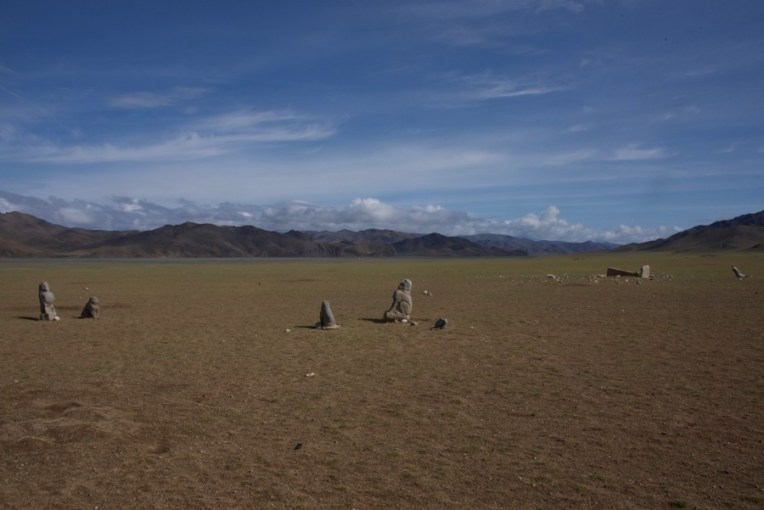
We camped within walking distance of a Bronze Age grave complex that the local people call the “Chess Stones”. I first saw them in 2014 on another trip to Erdenesogt because my driver, Erdenbat, our Land Cruiser driver for the Expedition, had been my driver then and knew about them. I did a few drawings in my journal and didn’t think about seeing them again, but here we were.
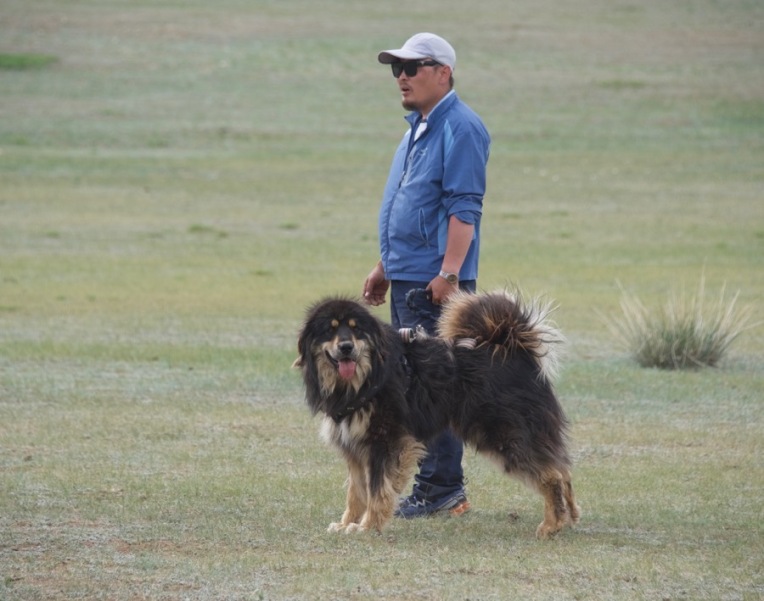
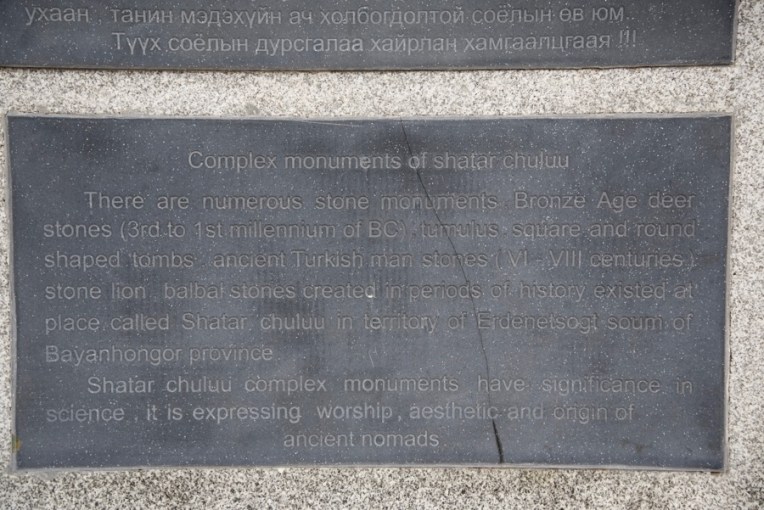
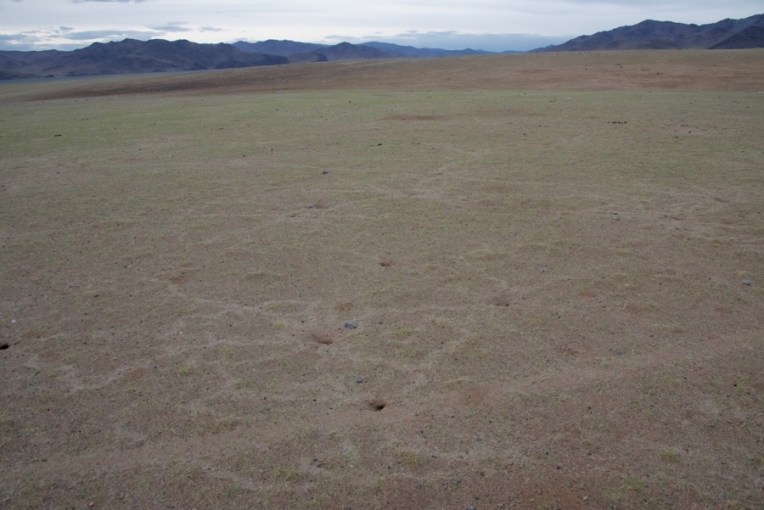
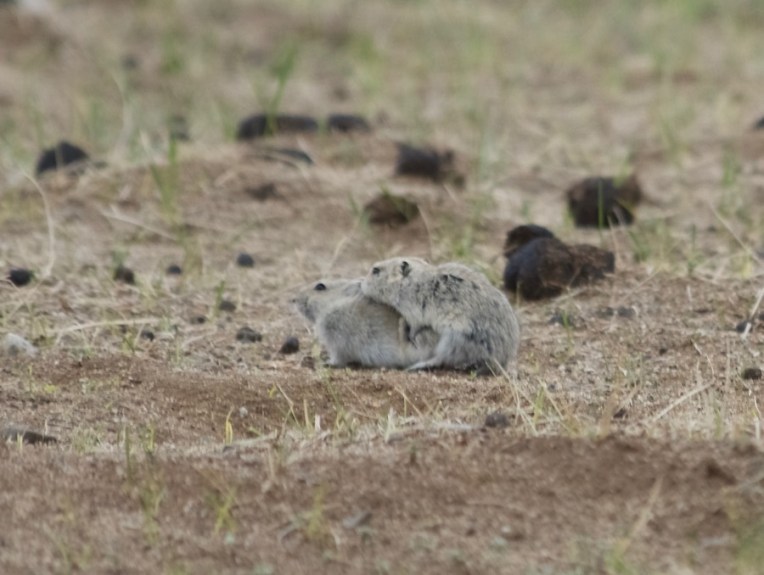
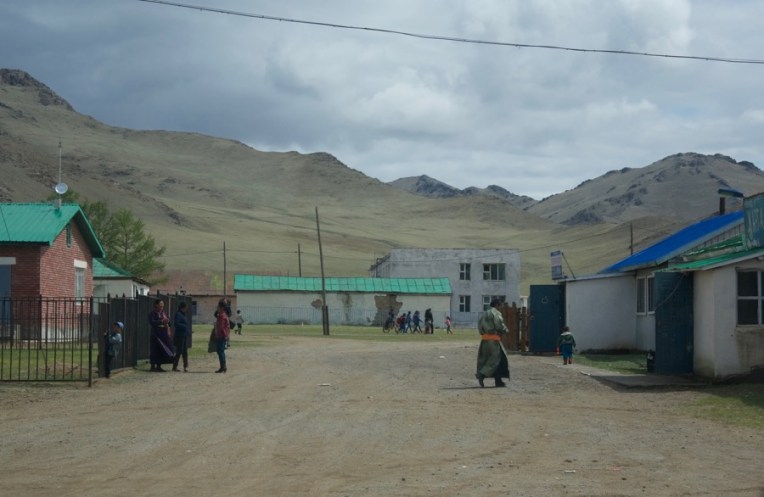
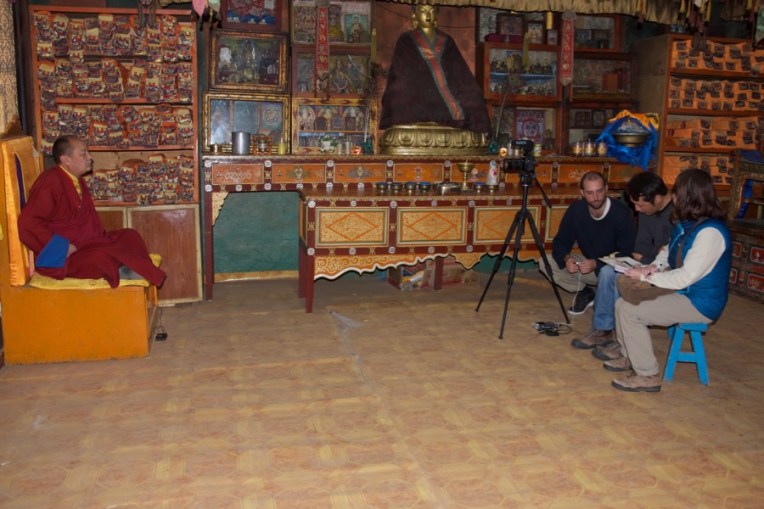
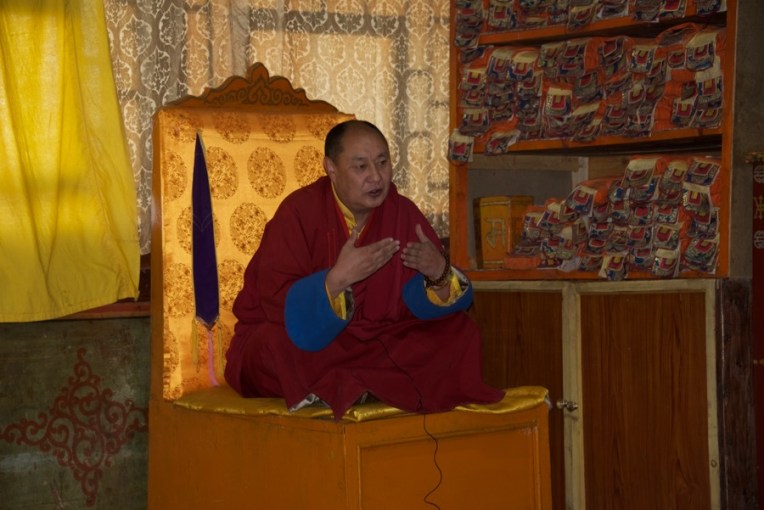
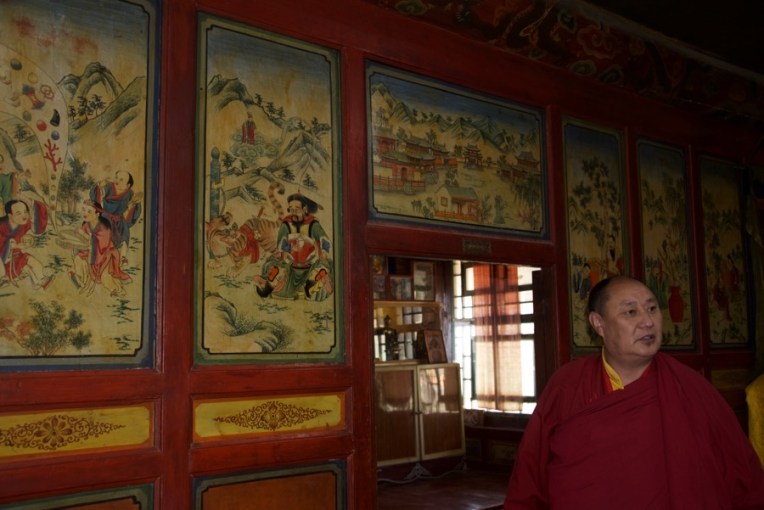
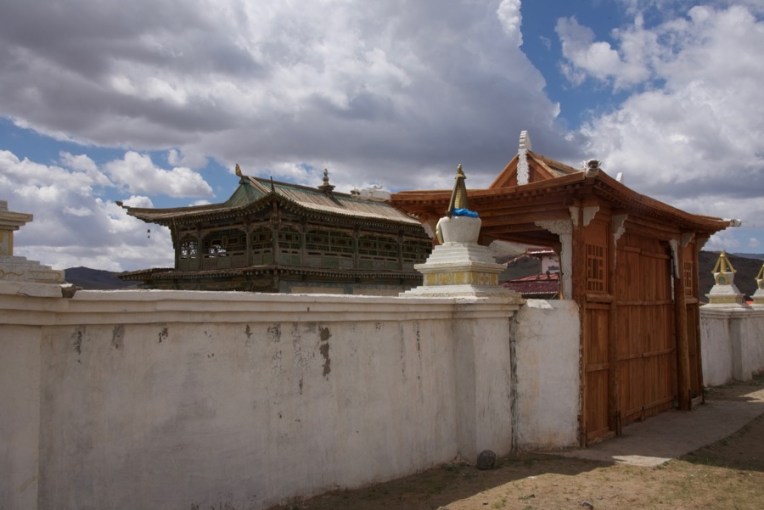
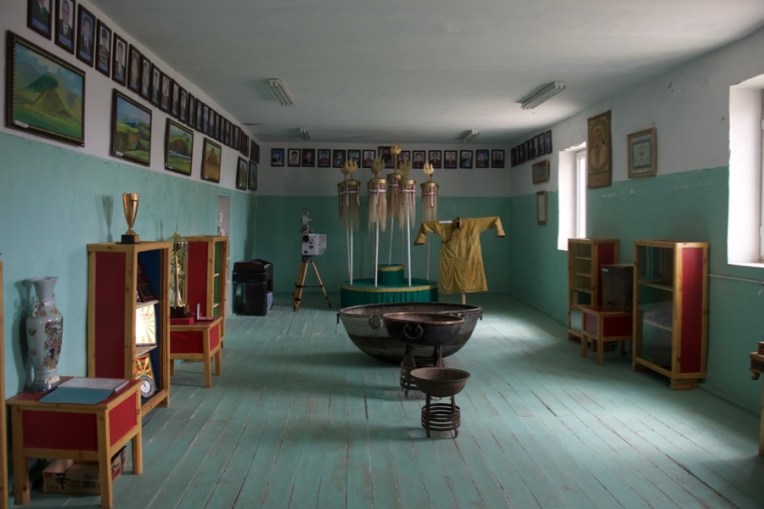
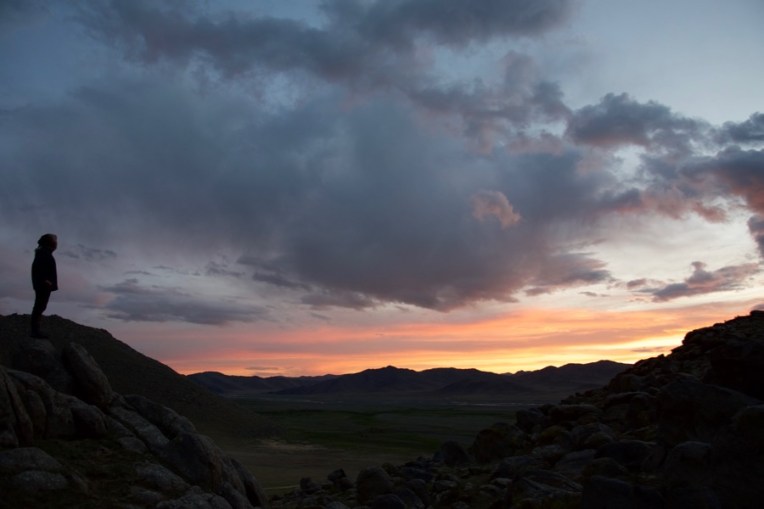
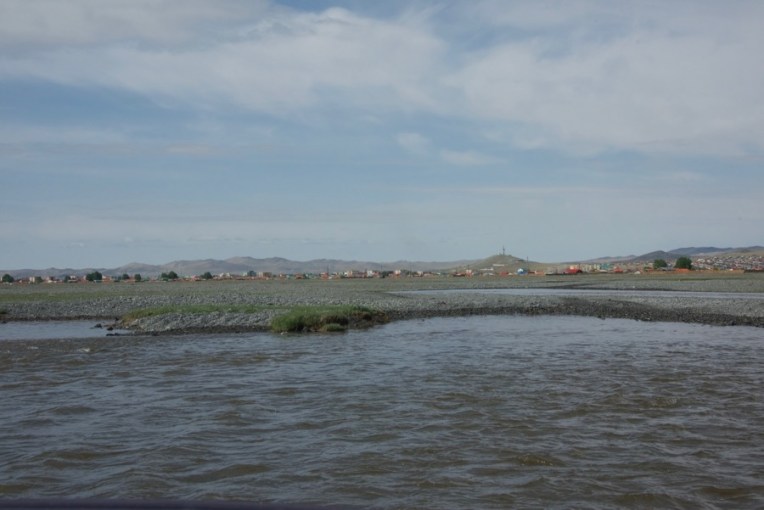
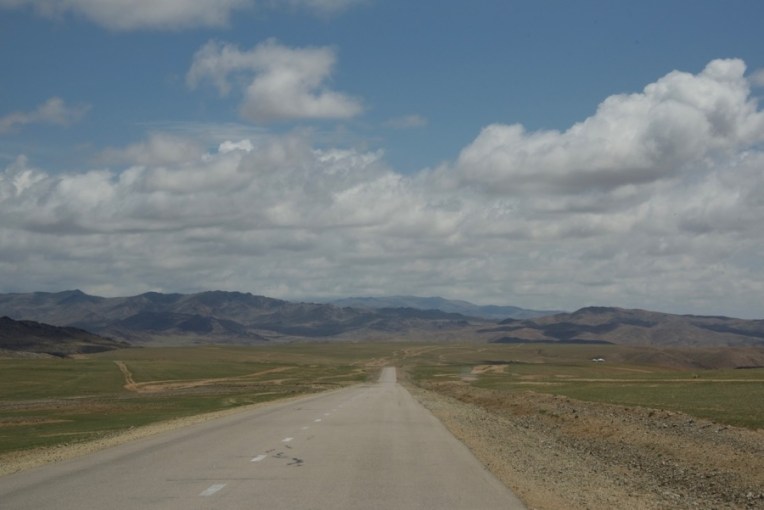
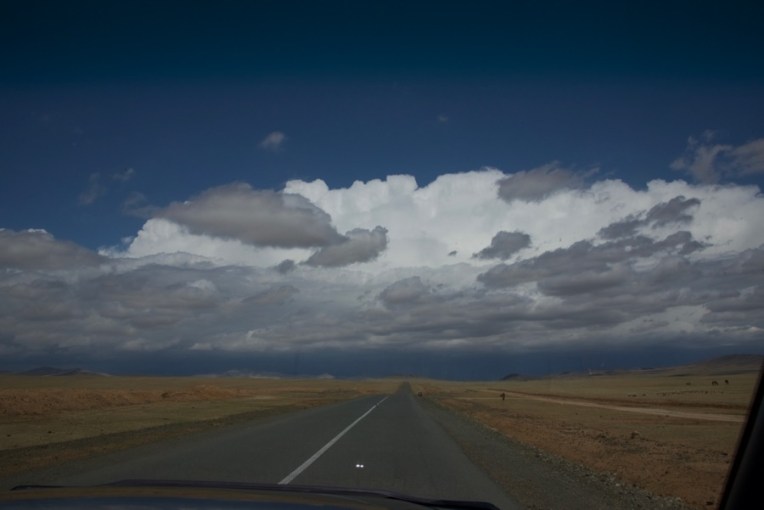
There is one deer stone and others with decorative motifs carved into themThe big change from the previous stop was the addition of these plaques, one in Mongolian and one in English, mounted on a granite base. The “real” name for the stones and burials is “Shatar Chuluu”. It was interesting to experience the complex just as something that was out there on the landscape and the second time as something that had this official recognitionWe set up camp in this grassy area and I noticed all these little dirt lines, many quite straight and forming interesting patterns, like miniature Nazca linesThat evening Kim produced, to my utter surprise, a bag of marshmallows that she’d brought all the way from California! A fire was quickly set going in the stove. The Mongols, as near as I could tell, had never seen them before. But as soon as Oliver found a piece of wood thin enough to use, Erdenebat saw exactly what was needed, found a length of heavy wire and formed it into a roasting rodKim demonstrating the fine art of roasting marshmallows, while Oliver waits with the wire holder. The three of us Americans discussed our various preferred ways of cooking them. I like to do it pretty quickly, but without charring them blackErdenebat took a turn as Puugii looks on. Soyoloo joined us and everyone had at least one or two. It was a really fun surprise after the long haul from the GobiThe “Nazca lines” mystery was solved the next morning. We’d set up camp right in the middle of a very large colony of Brandt’s voles. About hamster size and very fluffy, we could just sit in front of the dining tent and watch their anticsWhich turned X-rated, causing Kim to call out at them “Get a room!”A few popped out of the ground just a few feet from where I was sitting. This is not croppedThe presence of so many possible menu items drew a variety of raptors, including this black kite. I also photographed a saker falcon, an upland buzzard and a booted eagle, all circling around our campsiteDuring the day a dog showed upThen a second one. I figured they had a home ger somewhere in the area, but they more or less moved in with us while we were there. First time in all my camping trips that we had our own temporary “ger dogs”A local herder’s horses came and went past the camp a couple of times, something I always enjoyWe had made arrangments on a first trip into town to interview the head lama for a short video piece Oliver wanted to do. I’m usually in and out of soum centers, there just long enough to get gas, do any required shopping and then leave. But this time we’d go back and spend most of the day and I would get to see my favorite monastery, Gachen Lama Khiid, again.Beautiful evening lightIt turned out that we were in Erdenesogt on an “auspicious day”, which meant that there would a service with the monks chanting sutras all day long. The head lama of the monastery made time for Oliver’s interview, which we really appreciatedHe explained the history of the monastery, which was built in 1901. Around the Buddha on the main altar of the old temple, seen above, were cases containing objects and artifacts that had been saved from destruction in 1937 when nine of the ten temples were destroyed, leaving only the one we were inHe gave us a tour of the old temple, pointing out one painting, the tall one on the left next to the doorway, which had been painted by a Mongolian artist. All the others were done by Chinese artists. His father had been the head lama also and we could tell he was very proud to have inherited the job. After the tour was over he had us to him home for lunch, a real treat! Erdensogt Soum, it turns out, is well-known for its tsagaan idee…white food or dairy.While Oliver shot video and Kim stayed to watch the service, I took my watercolors and walked down towards the river (photo by Batana Batu)This is the scene I was looking at…Looking back towards the monastery. The old temple is on the right and the new one on the left. When I first came there in 2010 there was no wall around the perimeterThere was also a new gate being built which opens towards the townIt turned out that the monastery wasn’t the only sight in town. The lama also took us to the local museum. Small, but with a lot very interesting things like vintage garments, a hand carved wood chess set and a very large old movie projector. The horse hair standards in the back would be brought to the local stadium for the annual naadam festival or other special occasionsWe finally said our goodbyes and headed back to camp with one stop up on a hillside for photos of the monastery and town in their beautiful riverside setting in the Hangai MountainsWe all hiked up onto the hilltops to the south of camp to watch the sun go down. That’s Soyoloo enjoying our last evening thereBefore leaving the area we drove back to the Bronze Age Shatar Chuluu stones so that I could see the lions. And there they wereClose-up of lion with barrow tomb in the backgroundBreaking camp. “Our ger dogs” hung around until we drove off then trotted off towards the river. I last saw them approaching a ger, so knew that’s where they really livedWe’d experienced a hellacious rain and wind storm the night before, as violent as anything I’d experienced in ten years of travel in the Mongolian countryside. I wondered what the river would be like and of course it was running quite high. But our trusty Land Cruiser made it just fine. The van stalled out 2/3s of the way across, but Puugii got it going and also made it just fine. Ahead in the photo is Bayanhongor.Summertime on the road in Mongolia. Love it!I’ve had Soyoloo as the cook a number of times but this was the first time I’d seen her heat up water for lunchtime ramen noodles in a pot on a cooktop placed on the top of the van’s engine compartment.Summertime on the road in Mongolia! Uh oh. That was a very dark looming front ahead. Would it mean it was raining where we would be stopping to camp? As it turned out, no, we went into the rain and wind and came out the other side, but it had clearly gone through the place where we finally stopped for the night.The old and new… one man on his horse and the other on a motorbike.Visiting beside the Tuul Gol (river)The end of another day on the road in Mongolia
Next week is the final stop for this year’s Expedition…the Mongolian Bankhar Dog Project, located near Hustai National Park and that means takhi too.


 Happy New Year! I’m going to change things up on the blog for the coming year, my tenth as a blogger. I’ve been lucky enough to do a lot of traveling over the years to a variety of destinations. And do I have stories? I certainly do. So the first Friday of each month will be “Tales from the Field”, which will include Mongolia, of course, but also Kenya, Canada, Europe and the US. Then I plan to do a post on whatever I’ve got cooking in the studio or on location, followed the next week with one of useful tips and information on painting and drawing. The fourth Friday will be a “gallimauphry” post, a great medieval term for “this and that”… announcements, special offers, whatever has caught my fancy. There may be posts in between for news that just can’t wait.





























 Susan Fox, American Artist