I’m back from my latest trip, which was a great combination of work and play.
It started with being one of the jurors for the Society of Animal Artists‘ prestigious national juried show “Art and the Animal” which, along with the board meeting the next day, was held at the legendary Salmagundi Art Club, located on 5th Avenue in New York. And ended with a walk through the Great Swamp National Wildlife Refuge in central New Jersey
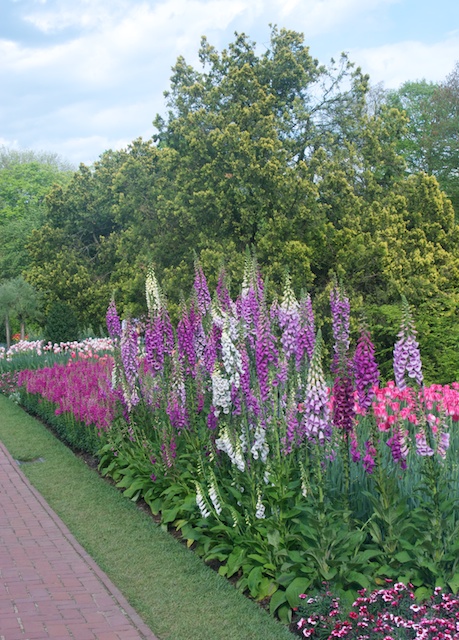
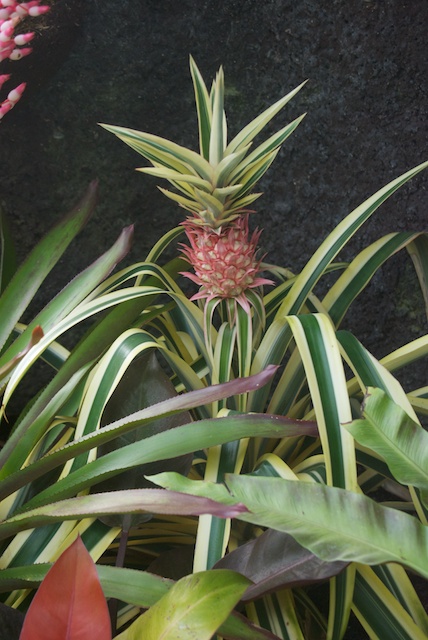
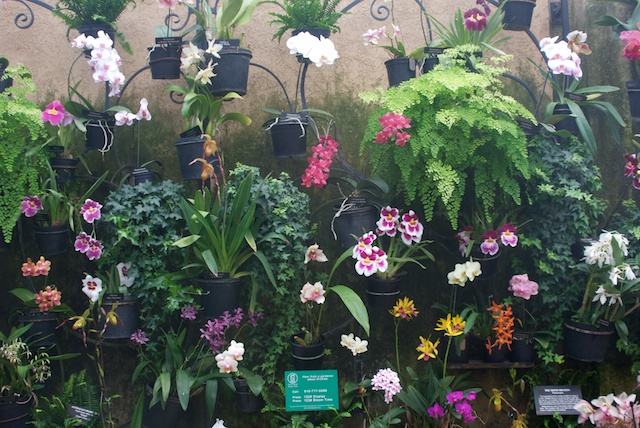
First was Longwood Gardens, at one time a Du Pont family property.
Longwood Gardens spring border with foxgloveA favorite; Longwood Gardens varigated pineappleA wall of orchids at Longwood Gardens
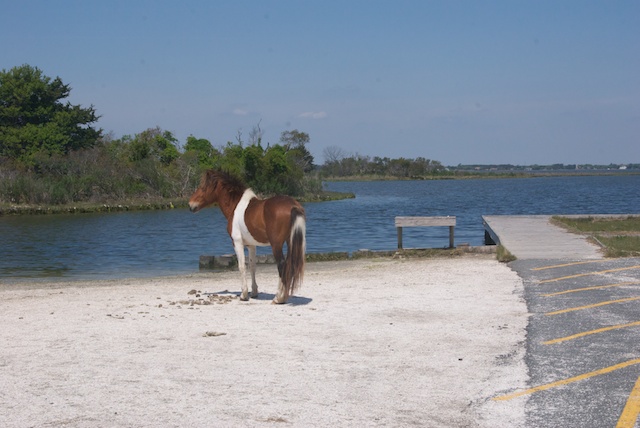
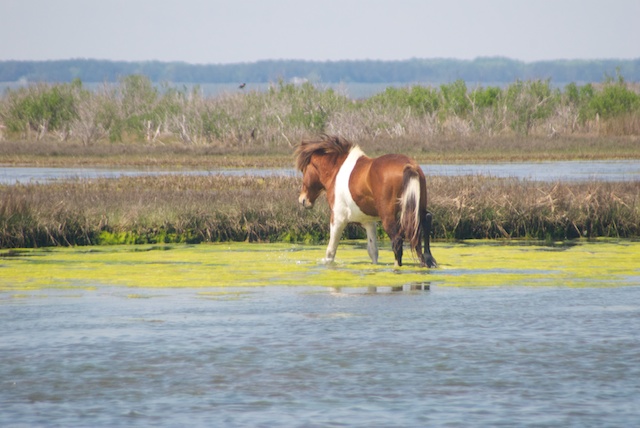
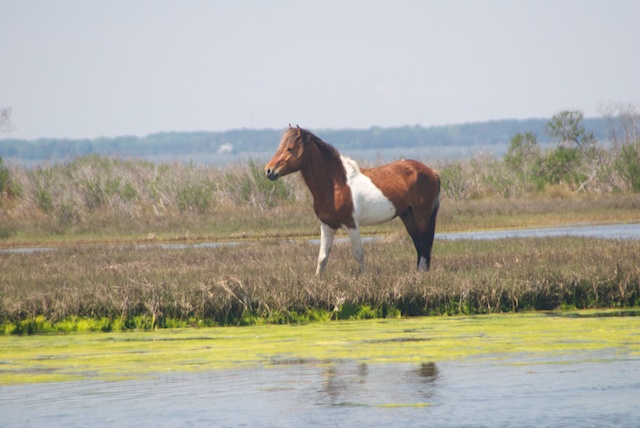
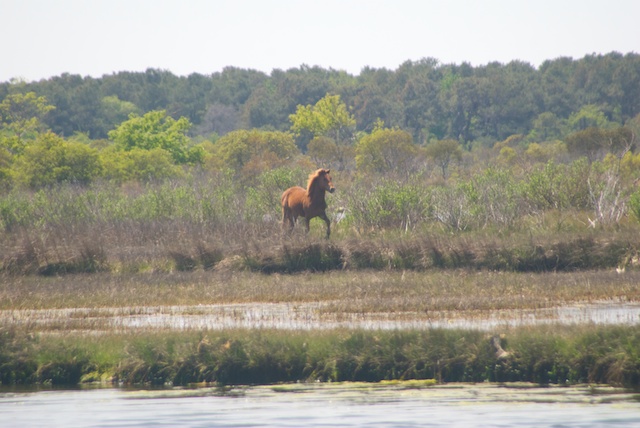
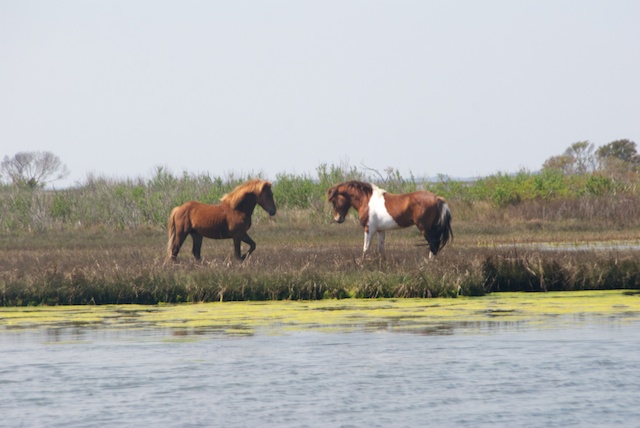
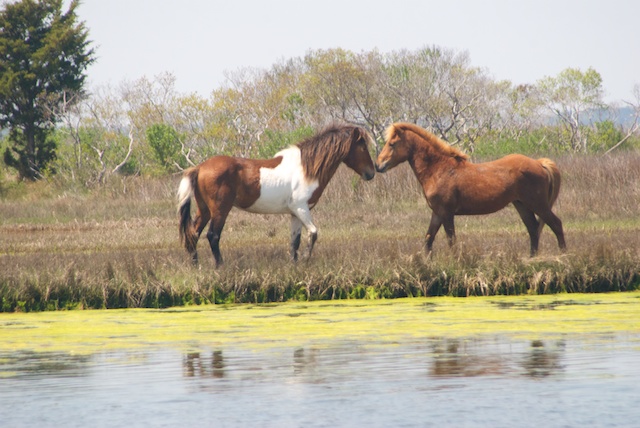
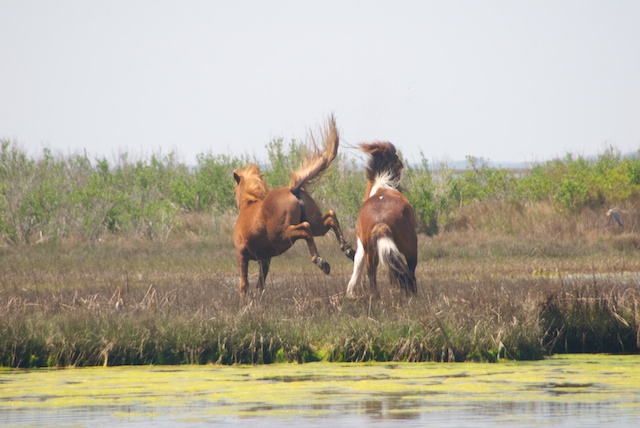
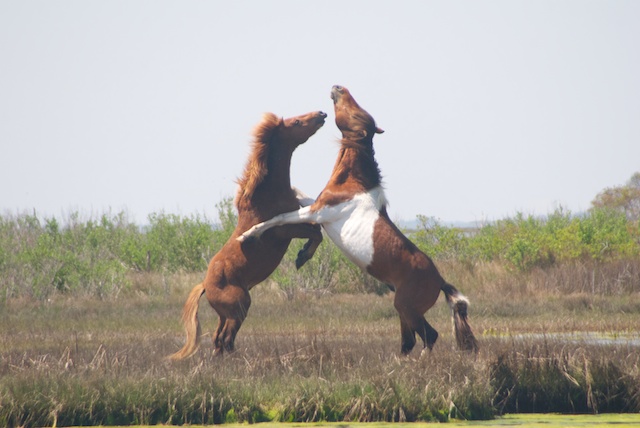
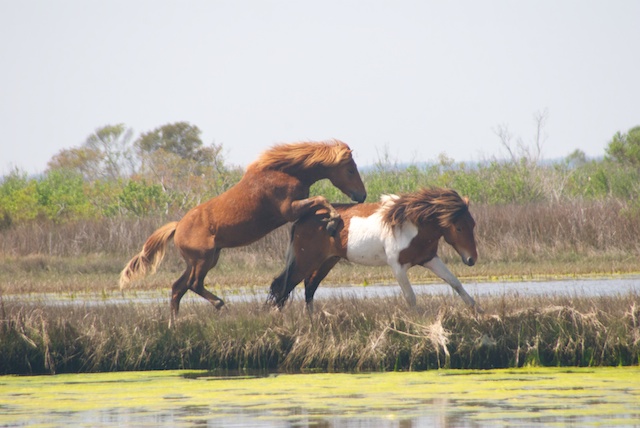
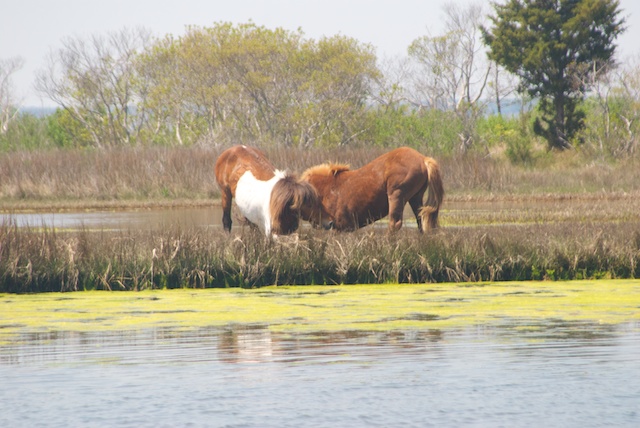
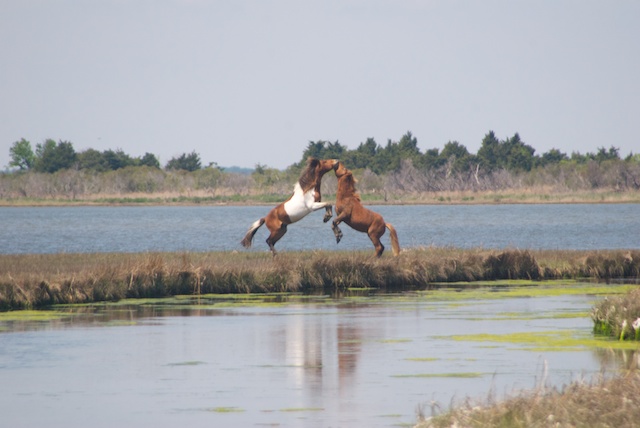
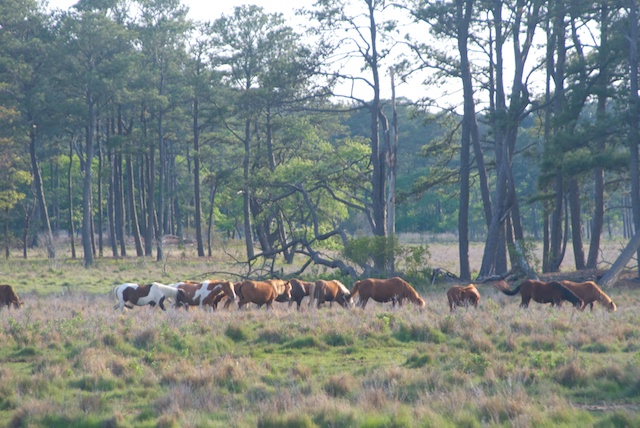
Then it was off to the Delaware coast where a comfortable condo had been put at our disposal. I had read “Misty of Chincoteague” as a child and was excited to finally visit both it and Assateague National Seashore, where we turned out to be in the right place at the right time to record this stunning encounter between two young stallions. It went on for at least a half hour and these are just a few of the hundreds of photos I shot, but it shows the pattern of interaction that emerged and was repeated at least a half dozen times.
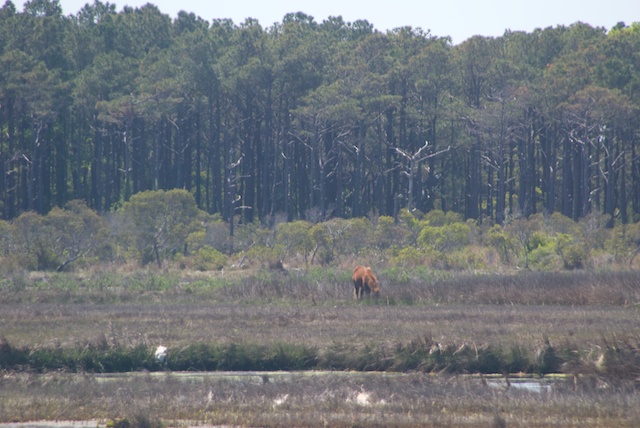
First we saw this chestnut horse grazing off in the distanceThen this paint horse came strolling down the middle of the road right past usHe walked out to the edge of the waterAnd waded across to the spitHe winnied loudly a few times and then waitedThe chestnut we'd seen earlier came at a fast trotThe two stopped and seemingly sized each other upThe meetingThe nose touchA quick turn and a kick by one of themThen they would rear up and "grapple"Maneuvering for advantageBoth would go down on their knees head to headAnd then it would start againAnd it all happened in this tremendous setting of water and tideland
What an eyeful that was! We drove on, stopping to hike a number of trails, seeing a variety of birds and more horses.
From Assateague, we took a “detour” to Salisbury, Maryland to visit the Ward Museum of Wildfowl Art, which houses an incredible collection of hand-carved birds. Then it was back out to the coast to Chincoteague Island.
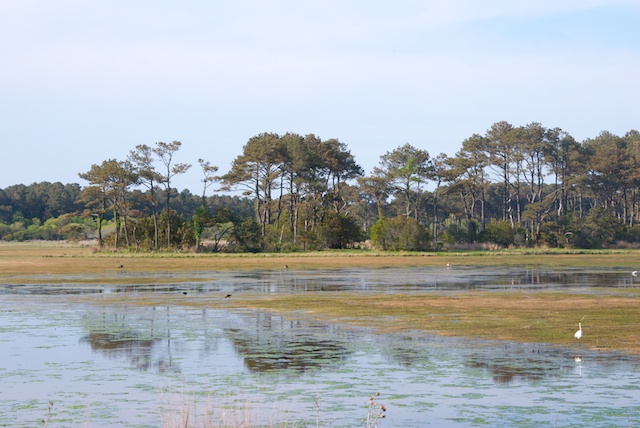
I was dubious at first, since the entry point to the island is a town that, although having lovely old buildings, was definitely a tourist destination. But I need not have worried. Once east of town and into the refuge, we were in a wonderland of scenery and wildlife.
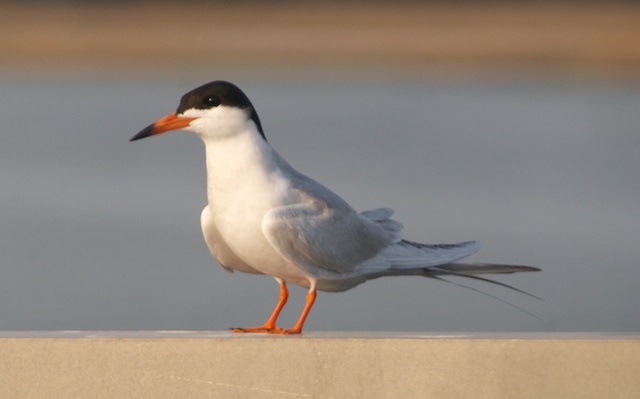
The scenery was stunningOne of the highlights- multiple sightings of glossy ibisAnd of course there were the famous Chincoteague poniesOut on the beach were large numbers of very entertaining Franklin's gullsAnd perched on the causeway railing in great light was this, I believe, Forster's tern
The next day, after a visit to the National Gallery of Art in Washington D.C., Andrew had to catch a plane home, but Guy and I soldiered on, paying a visit to the Brandywine River Museum, home to an astonishing collection of original illustration by N.C. Wyeth, Howard Pyle and many other legendary illustrators, along with galleries featuring both Andrew and Jamie Wyeth. Very inspiring, to say the least.
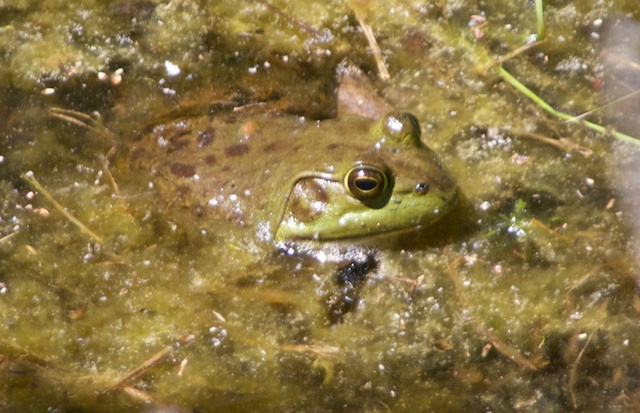
The final wildlife stop on the trip was the Great Swamp National Wildlife Refuge in central New Jersey. Surrounded by rural residential development, it is essentially a bowl between the hills that collects water, forming rich swamp and wetland habitats. The main access is a boardwalk trail that winds through the swamp out to a large bird blind. But we were barely one hundred feet down the trail when the wildlife show began.
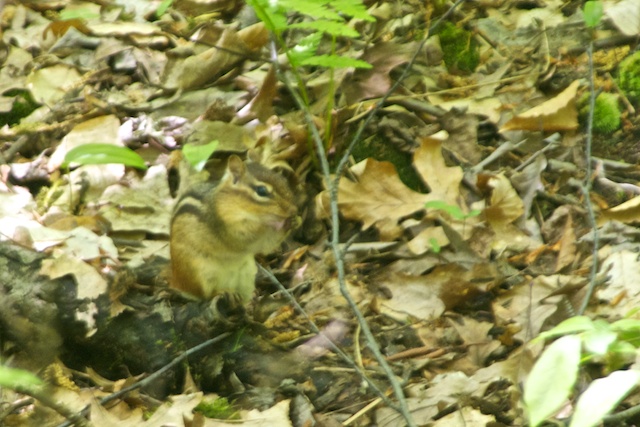
The Great SwampOne of the first sightings, a green frogThen we spotted two northern black racers mating right below where we were standingIt was a bit of a challenge, but I did get a few shots of this chipmunkFor the finale, I got a good look at a snapping turtle
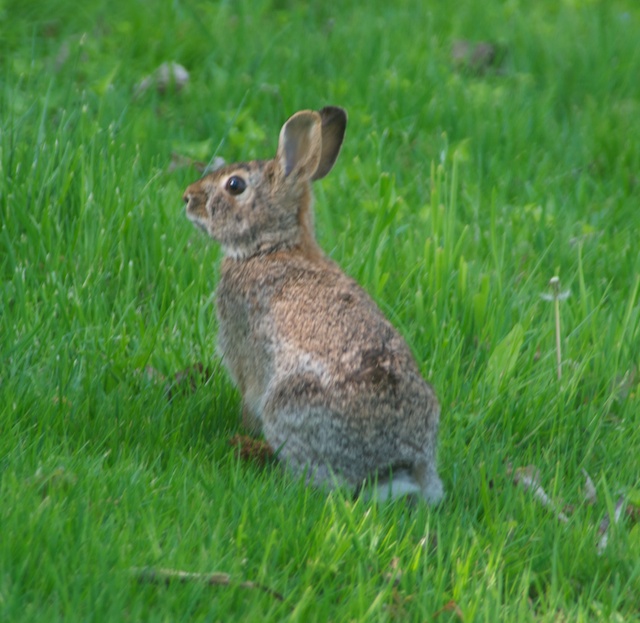
I spent the last night of the trip at the Hiram Blauvelt Art Museum cottage where Guy is the artist in residence, along with a groundhog and eastern cottontail rabbits. The groundhog managed to stay out of camera range, but I did get some good photos of the bunnies.
I’m proud to announce that “Mongol Horse #5-Evening Run” has been accepted into the Society of Animal Artists 51st Annual Exhibition of “Art and the Animal”. The subjects are part of a herd of horses which wandered past the Red Rocks ger camp at Ikh Nartiin Chuluu Nature Reserve when my husband and I were staying there in 2008.
Currently I’m down on the Delaware Coast. My artist friends, Guy Combes and Andrew Denman, and I are planning to spend tomorrow exploring Assateague and, if we have time, Chincoteague islands.
I’m in New York for both the jurying of the Society of Animal Artists’ annual show “Art and the Animal”, which will be tomorrow and then, the following day, the board of director’s meeting and review of applications for membership and “promotion” of current members from Associate to Signature Status.
Afterwards, I’ll be hitting the road with two artists friends and colleagues, Guy Combes and Andrew Denman, heading south to the Delaware shore where we will visit Assateague and Chincoteague Islands and then up to the Philadelphia area for a couple of art museums and other sights.
I’ll try to post a few photos as we go, depending on internet availability.
Mongolia Monday’s regularly scheduled programming will resume on May 16. In the meantime, here’s one of my favorite music videos, which is one answer to a question I sometimes get: “Why Mongolia?”
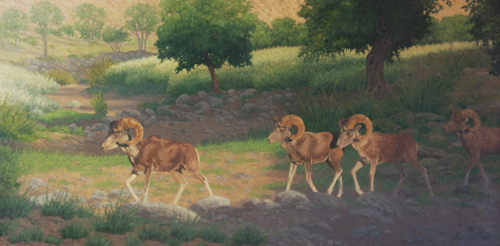
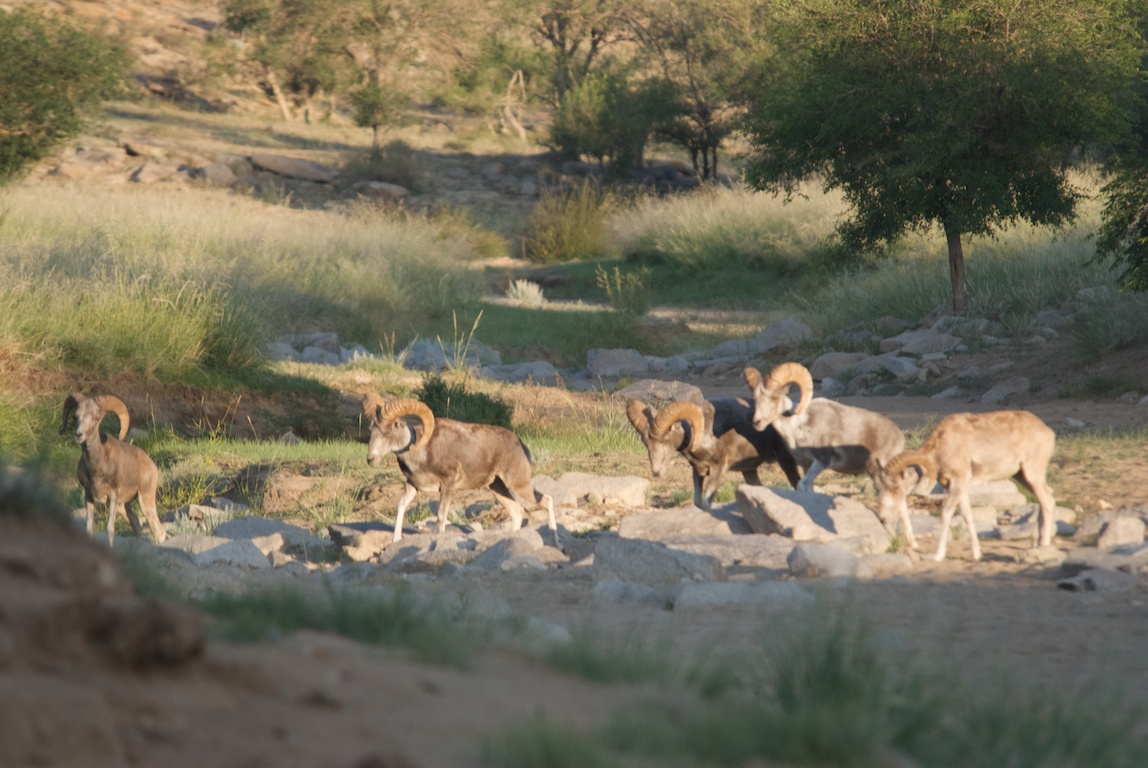
Continuing on from last week, I knew that I was going to do a big painting (big for me, at this point) when the five rams walked across the stream bed in the beautiful morning light.
I also knew that it would be a complex piece that would take more planning than I’d done in the past. I’ve started a couple of big paintings, only to have them bog down and fail because, while I did do preliminary sketches and drawings, I found that I hadn’t really solved some critical problems and then was faced with figuring them out on the canvas. A recipe for frustration and failure.
Not this time. First, I thought about what it was that made me want to paint this scene. It was not only the argali, but the interesting alternating pattern of light and shadow, which started in the foreground and went all the way back. And it was important that it be about my emotional response to this very special experience.
Here’s one of the reference shots. I create Albums in Aperture where I can put all the images I’m using on a painting. In this case, thirteen. Here’s the lead ram.
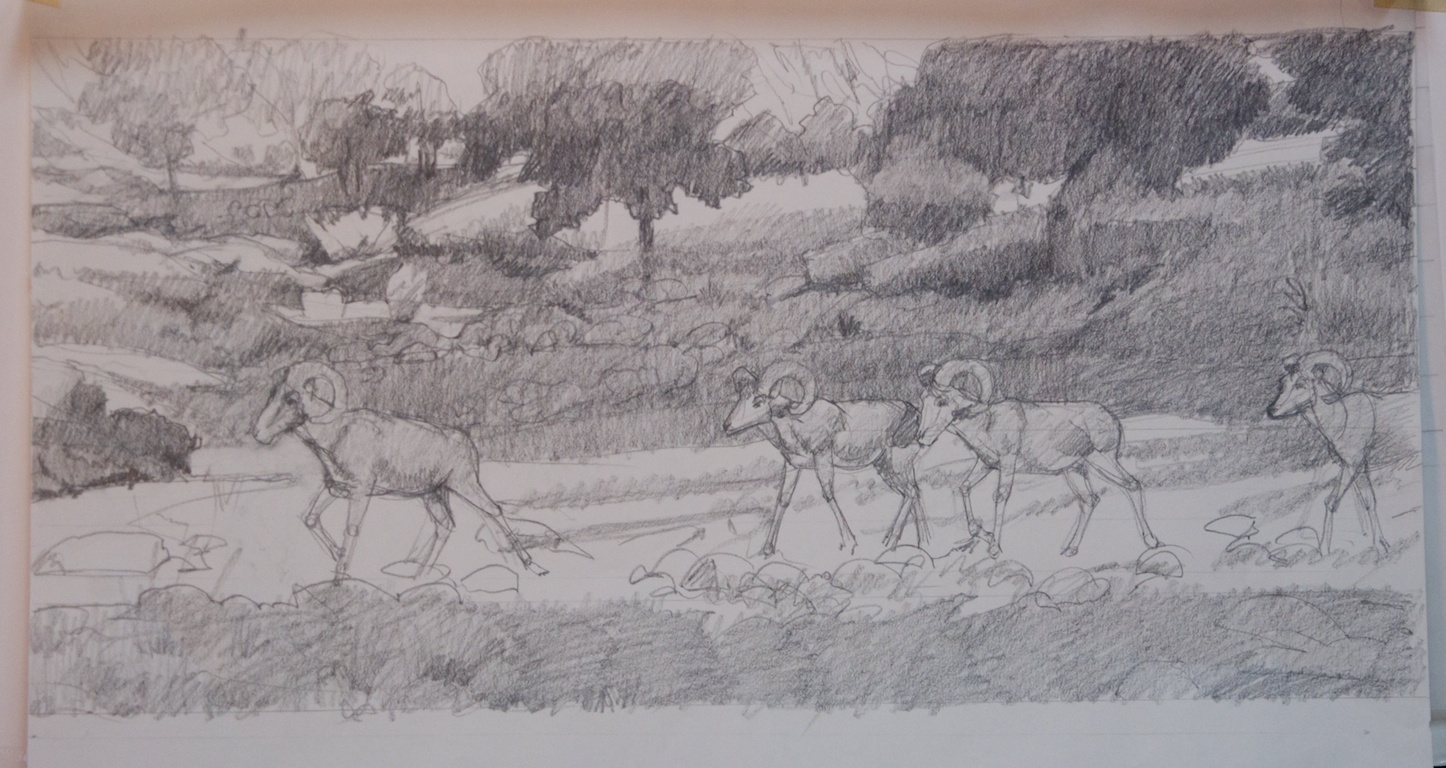
Since I had a pretty clear image in my head of where I wanted to end up, I didn’t do thumbnails this time. And, having struggled with understanding how to work larger, I decided to start larger right away. This is the first layout, done on 19×24″ Canson Calque tracing paper.
As you can see, I adjusted the proportions as needed. I wanted the emphasis to be on the rams, but still show enough of the background to place them in a specific setting and show that alternating light and shadow pattern.
You will also notice that I have an even number of animals, which breaks a “rule”. But they are in an uneven number of “groups”. This doesn’t happen by accident. Or if it does, then there is a conscious decision to keep it.
I had also done a finished drawing of the two rams, which some of you saw a few months ago on Facebook (you can “Like” my public page here).
The next step was to do a small color rough to figure out how I would achieve the visual effect I was looking for. This is on a 6×8″ canvasboard. I blocked out the part that didn’t fit the proportion.
What was critical was to play up the golden light on the ram’s horns and to make sure the argali were the objects of highest contrast by placing them against the central shadow shape. Notice that I’m just painting blobs of color to get the relationships down.
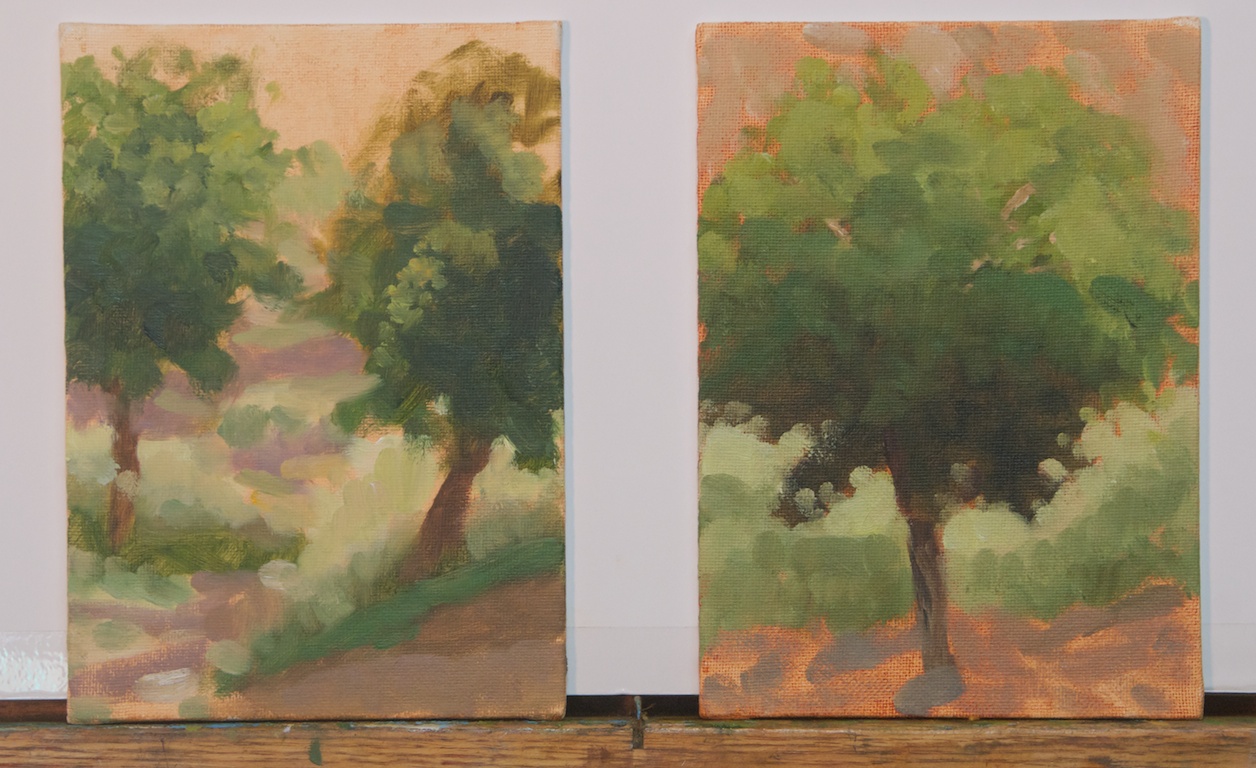
The central tree has a cast shadow. This is something that has given me trouble in the past. The shapes, edges and value relationships have to be just right. So I did a couple of studies of just that tree, along with another to figure out some of the same things where the stream bed goes back into space.
Now it was time to do a large value study, 12×24″. I adjusted the relative position of the rams, moving the pair forward a little.
I had to know if what I had come up with would work at the final size I had decided upon- 24×48″. This is where I’d gotten into trouble before. I asked an artist colleague for advice and he said to take my finished drawing to a copy place and have it blown up to the final size, which I think is a really good idea.
But I chose to try something else. I have found great value in the re-drawing process. It allows me to refine, correct, simplify and really learn to know my subjects in a way that would not be possible if I simply did a drawing, transferred it and started to paint, or worse, heaven forbid, projected them. The depth of understanding and flexibility I get is critical to the quality of my finished product.
First I put a sheet of tracing paper over the drawing above and drew a one inch grid on it.
Then I placed my untoned canvasboard on the easel and ruled a grid on it in pencil. I taped tracing paper to it. It took three sheets to cover it. I lightly sketched a transfer drawing so that every element was in the right spot.
Once the background was laid in, I taped on three more pieces of tracing paper and did the final pencil drawings of each argali. Now I had this:
Because the argali were all on their own pieces of paper, I could do a final check on position and easily move them if needed. I also now had the whole composition at the final size and could see that it did, in fact, work. Whew!
I removed the tracing paper, toned the canvas, re-attached it and, using a No. 7 pencil and a sheet of homemade graphite transfer paper, transferred the drawing.
Using the tracing paper drawings as a guide and referring back to the photo reference if necessary, I carefully re-drew the argali with a brush, figuring I’d get the most important elements down first. Here’s a close-up which also shows the loose lay-on of the background. Notice that you can see three of the four hooves. They vanish later as I decide to add additional and larger rocks to create more of a visual separation between the sheep and the viewer.
Here’s the finished drawing, with basic values starting to be indicated. Notice that the rocks in the foreground and middle ground are just roughed in. No need to spend a lot of time on them at this point.
Finally it was time to start adding color! I work all over a canvas in a sitting, keeping the edges soft and letting colors “bleed” into each other. This lets me control where the harder edges will be later on. I’ll also “lose” the drawing, knowing that, having drawn the animals multiple times, I can “find them” again with no problem. First I established the shadow shapes, letting the undertone be the light.
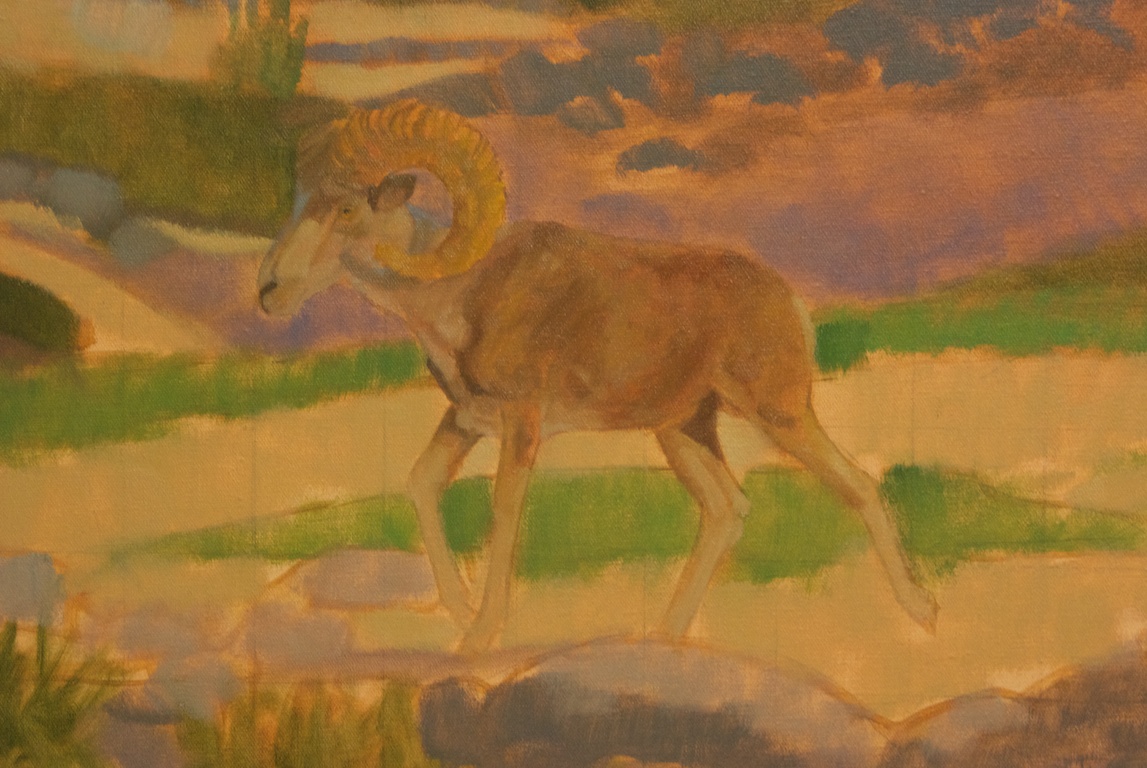
Here’s a close-up of the lead ram in progress. Still keeping it loose, but working on light and shadow and correct structure.
I started to see a problem in the forequarters and it nagged at me for a couple of sittings until I realized that the leg closest to the viewer was too far forward. Moving it and the shoulder back about a quarter of an inch solved the problem. His head was also a little too small. That’s a big advantage of working this way. I can make changes at any point in the process, which turned out to be really important when I was trying to keep track of so many pictorial elements and their relationships to each other.
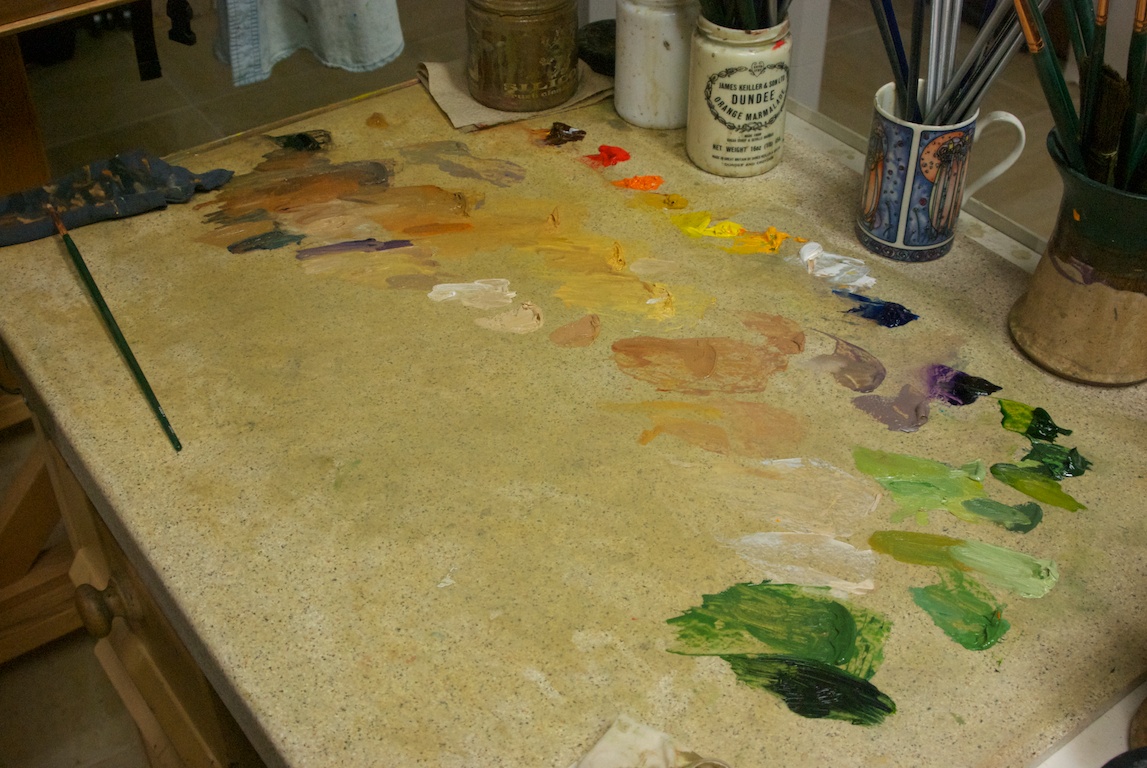
Let’s take a quick break. Here’s my palette. For this painting, I used my standard color range: transparent oxide red, cadmium red medium, cadmium orange, yellow ochre light, cadmium yellow pale, cadmium yellow, titanium white, ultramarine blue, Winsor violet (dioxine), sap green, terra verte, chromium oxide green.
Missing this time around is cobalt blue and magnesium blue hue. I mix my own earth colors and greys. My black is a mix of transparent oxide red and ultramarine blue. I can easily shift the color temperature by changing the proportions.
The palette itself is a scrap of Swanstone solid surface countertop. I got the idea from another art blog and I like it much better than the glass one I’d been using.
Ok, back to the painting. I’m probably about mid-way through at this point. All the value relationships are set (at least I thought so) and basic colors are on.
Oh, darn. I realized that having all the rams in the same light wasn’t very interesting. I went back to my reference images and found a nice shot of the very first one coming out of the shadows. Now I needed to put the fourth ram in that light. Aperture is great for this since it lets you show multiple images at once.
Much better. Having solved that final, somewhat major problem, it was now a matter of simply pushing on, solving all the problems, making decisions, tweaking and tweaking (what Scott Christensen more elegantly calls “orchestration”).
Until, finally, after far longer than I have ever spent on a single painting, it was done.
Then They Walked Out Into The Morning Light 24x48" oil
I completed a major painting last week. It’s one I’ve been anxious to take on since I spent a hour with a group of five argali rams this past July at Ikh Nartiin Chuluu Nature Reserve. I was there for six days, staying in one of the gers and taking meals with the scientists and an Earthwatch team.
I’d gotten up at 5:30am, thrown on the clothes that I’d laid out the night before, hoisted my camera pack onto my shoulder, slipped out of the ger and began a slow, careful walk down the valley.
I had learned that the only water in the area was coming from a spring just a few dozen yards from camp and that argali were coming to the valley regularly in the morning and evening. Which was quite convenient, saving me a lot of walking around and clambering over rocks trying to find them.
I picked a spot and sat down in plain view, having been told that makes them less nervous than if you try to hide behind a rock. Took a look around through my binoculars and, within a few minutes, up on the cliffs to my right…
Morning "scouts".
As I watched them, wondering if anyone was going to come down, I had a feeling…and looked back over my shoulder to my left.
Less than 100 feet away.
How long they had been standing there watching me, I have no idea. Then they started to move towards the stream bed.
Oh, look, there's three!Coming down the hill.
As I watched, the sun started to hit the tops of the cliffs. Would I get to see these guys in morning light before activity in the camp behind me spooked them?
Out into the valley as the sun comes up.
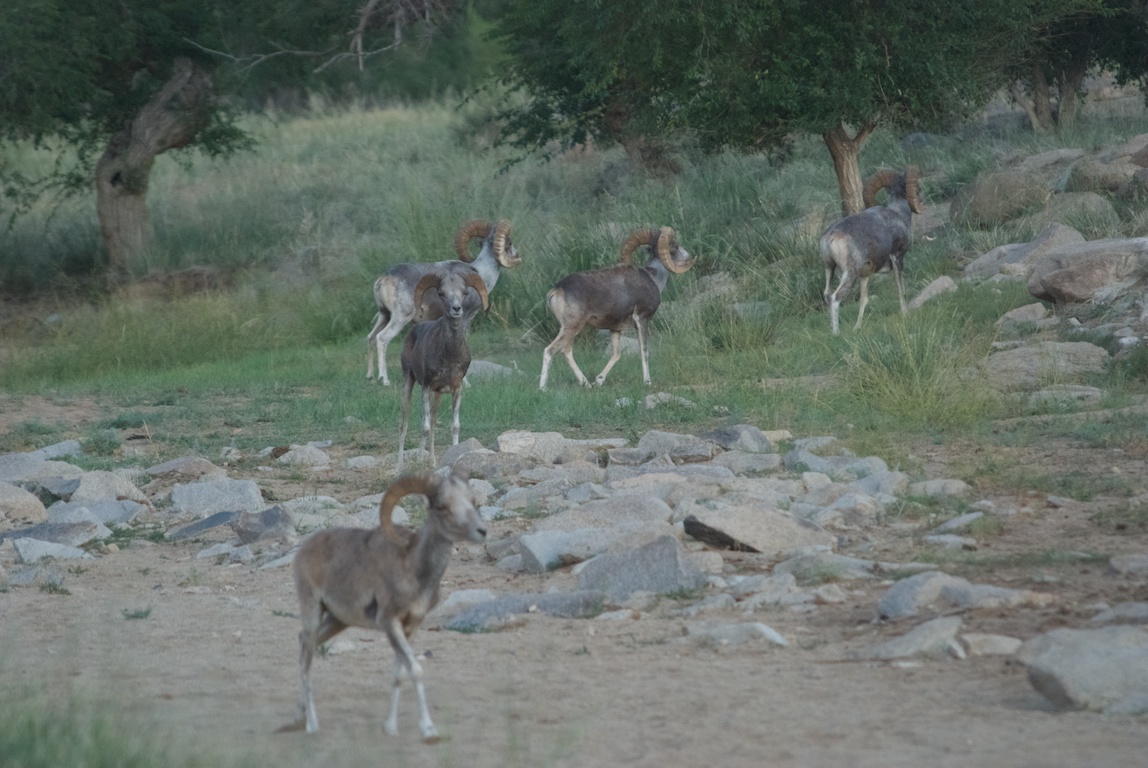
The first three crossed the stream bed to a small clump of trees. Two more rams had come down from the cliffs on the right. The Sunrise Boy’s Club was now in session.
Five rams hanging out.
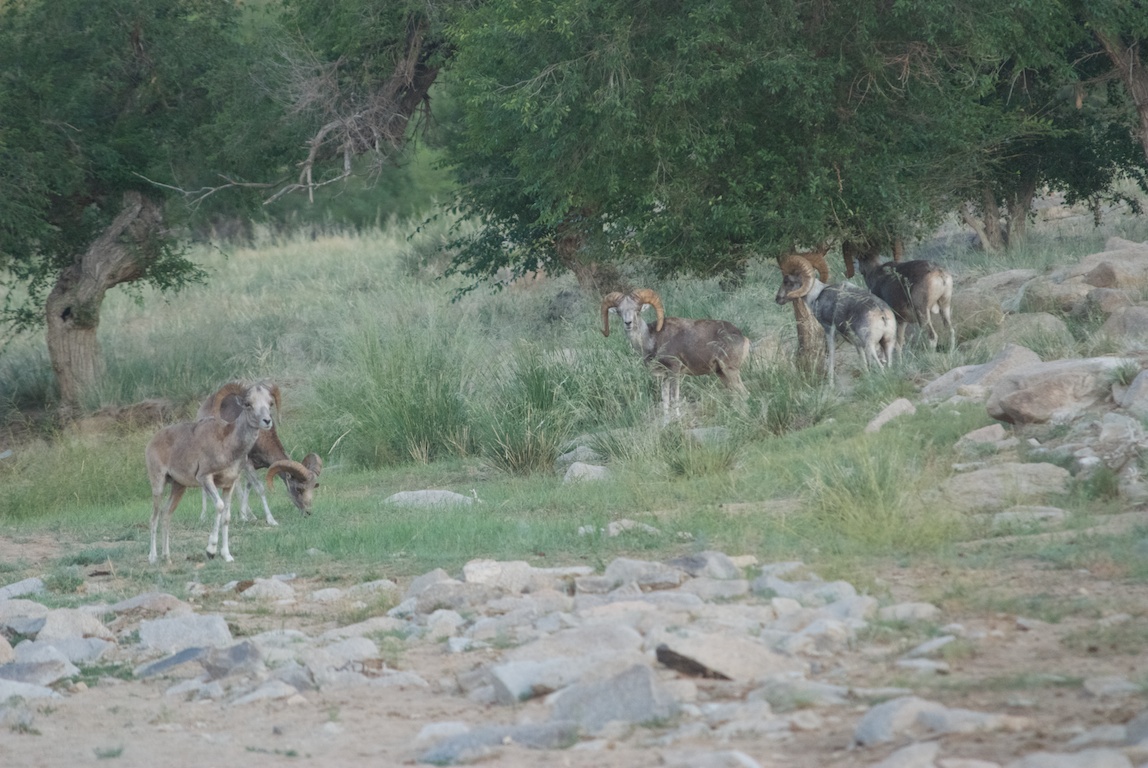
There were three older adults with massive horns and two younger rams. The big guys were almost grey, their juniors a reddish-brown.
They browsed in the trees, did a little pre-rut testing (a future painting). And then….
Noise from camp. Oh, no.
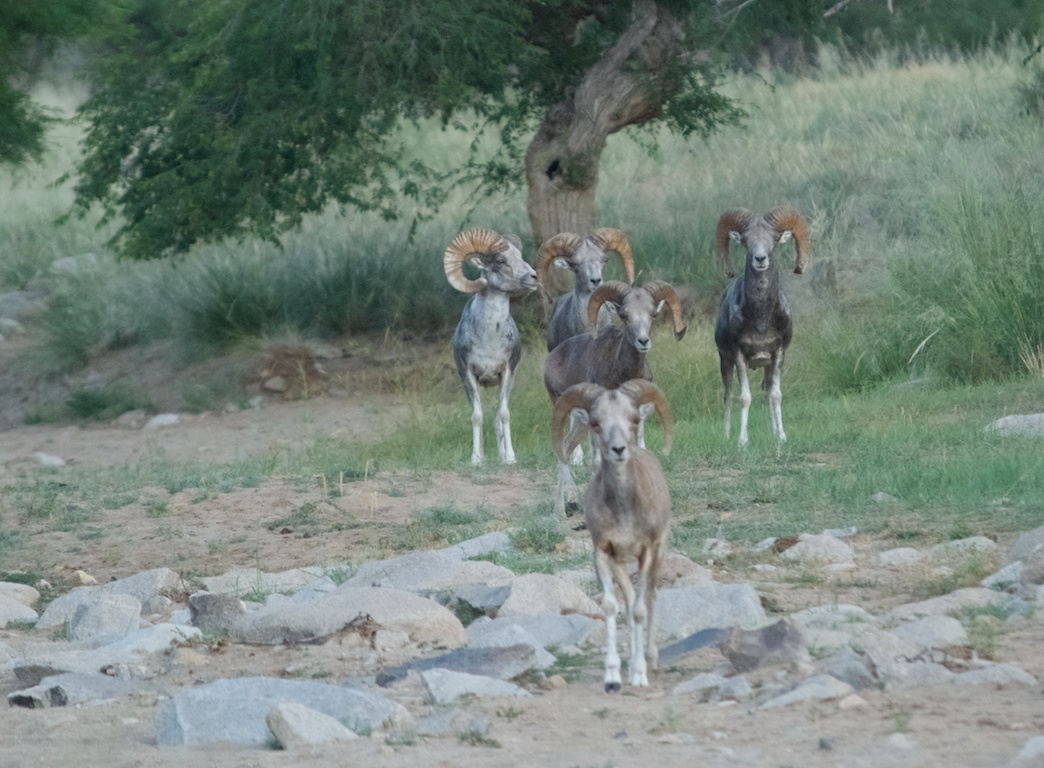
But everyone settled back down. Except for this young one who decided to check me out, walking almost straight towards me. It made the others nervous at first, but they didn’t run.
It was a bit much for the three older rams.
I sat there in disbelief. For me, this is the grail of wildlife fieldwork: sitting out in plain view and having a wild creature choose to approach you.
He finally stopped and looked straight at me from about 30 feet away.
But I wasn’t so paralyzed with delight that I forgot to take pictures, getting the best argali head reference I’ve shot so far.
Returning to the group.
He finally turned and walked back to the others who, as you can see, are standing there, watching. I found myself running this little thought thread: “We didn’t get this old and big by being stupid. Let the young guy check her out.” And then imagining the adventurous ram, kind of like a young British officer, reporting back to his superiors. “No problem, sir. None at all. Piece of cake.”
I guess I was just part of the furniture by now.
But he wasn’t done yet. For a second time, he walked down the stream bed towards me.
Comfortable enough to put his head down and graze.
He finally rejoined the group. Suddenly they were up on their feet just as the light was starting to reach the valley floor. Oh, no! They’re facing the wrong way. Are they going to run up the hill?
Up on their feet.
Suddenly one of the young rams turned and bounded into the light. Yes!
Into the light. At last!
And everyone else followed, crossing right in front of me and occasionally stopping for a nibble.
A short pause.
But now I could hear movement in the camp. The group split up, two of the rams going up into the rocks.
One went right up the cliff face.
Three of them walked on down the valley in the bright sunshine.
Time to move on.
I looked behind me and saw one of the scientists from the camp. He walked past me. The rams kept moving, but never ran. It’s good they’ve learned that in this place they don’t have to fear people.
Last look.
The three finally made a right turn up into the cliffs, stopping, as argali often do, to take one last look.
On Friday, Part 2 will present a step-by-step post on the painting that came out of this wonderful experience.
It’s clear that one lesson we, as a species MUST learn, is to share. All of these animals have just as much right to be here as we do. As they go, in the end, so shall we.
I’ve never made a point, for the most part, of specifically seeking out endangered or threatened species to photograph for my paintings. But, as it’s happened, in less than ten years I’ve seen two dozen, plus one, all in the wild. Quite a surprise, really.
Sometimes they’ve been pretty far away, but that in no way diminished the thrill of seeing them. Close-ups in a zoo or other captive animal facility can be useful, within certain limits, but seeing a wild animal in its own habitat, even at a distance, is much more satisfying and gives me ideas and information for my work that I couldn’t get any other way.
In no particular order, because they are all trying to survive on this planet:
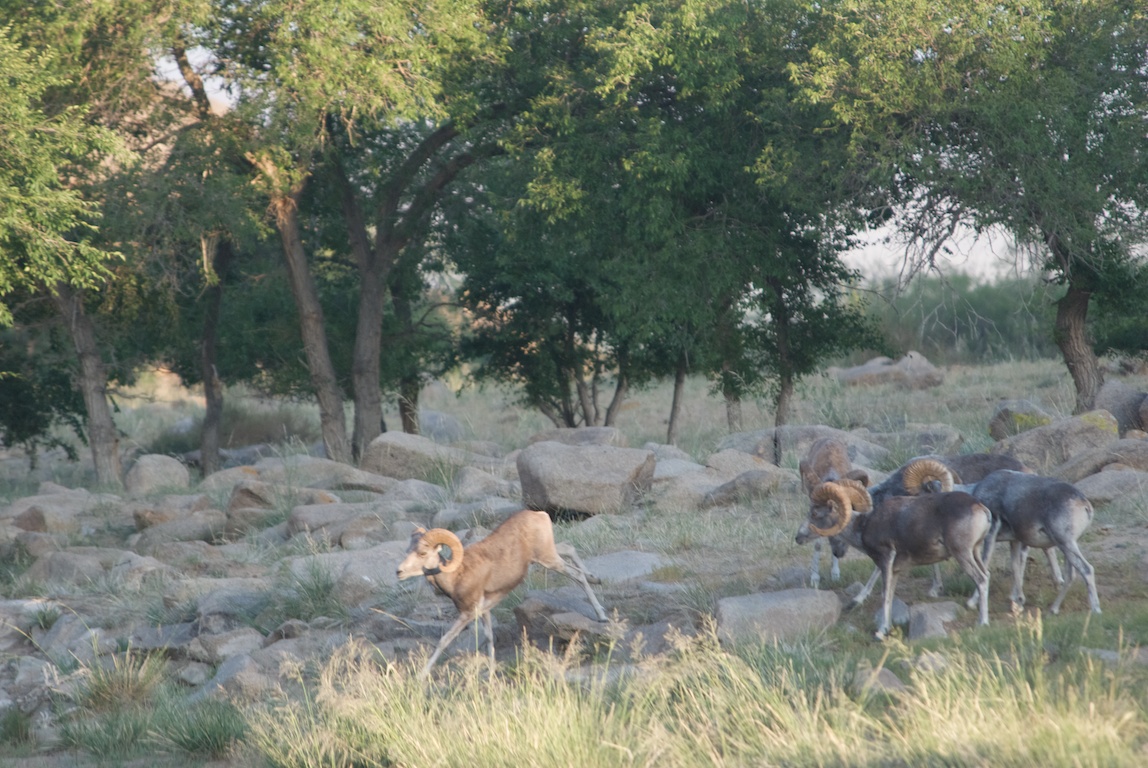
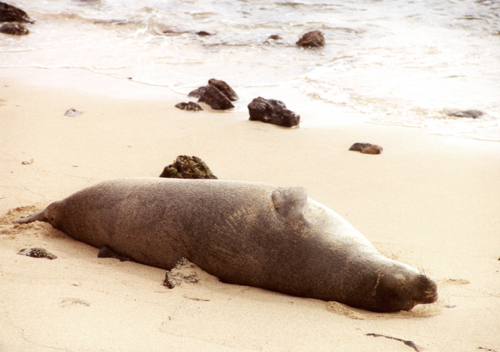
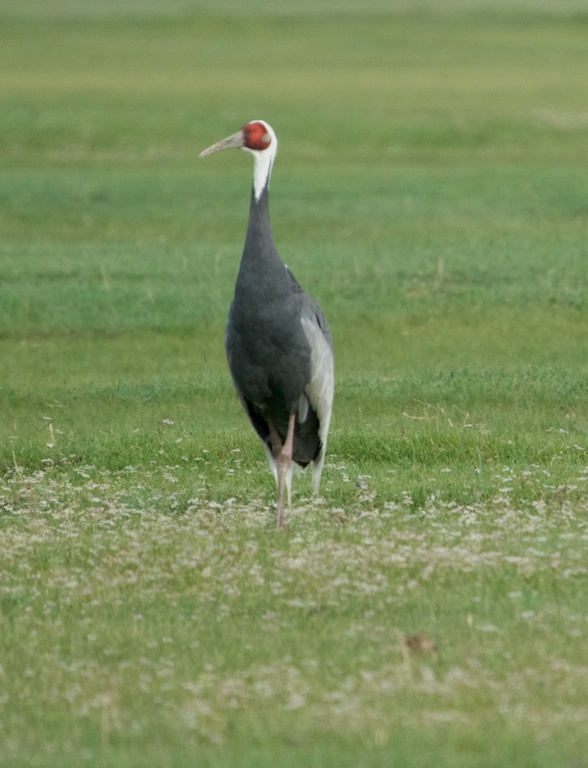
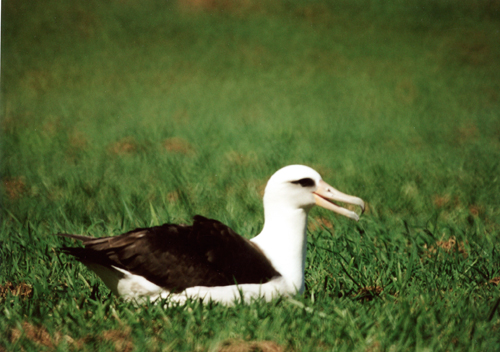
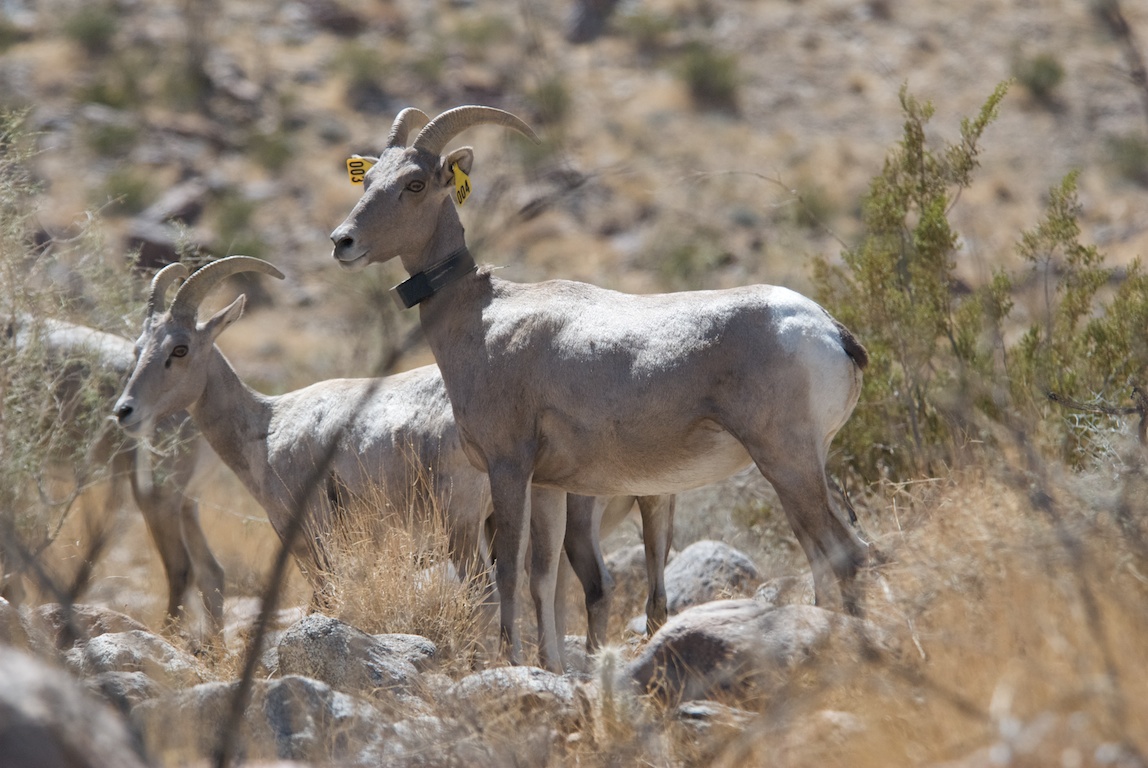
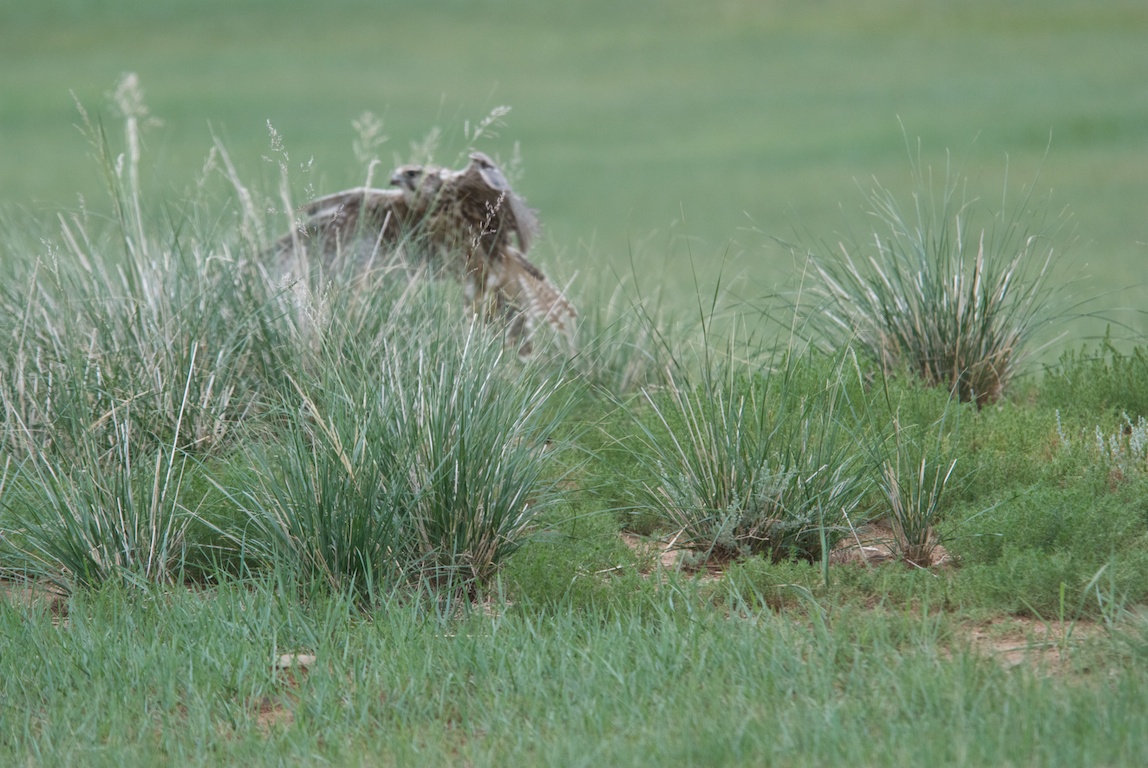
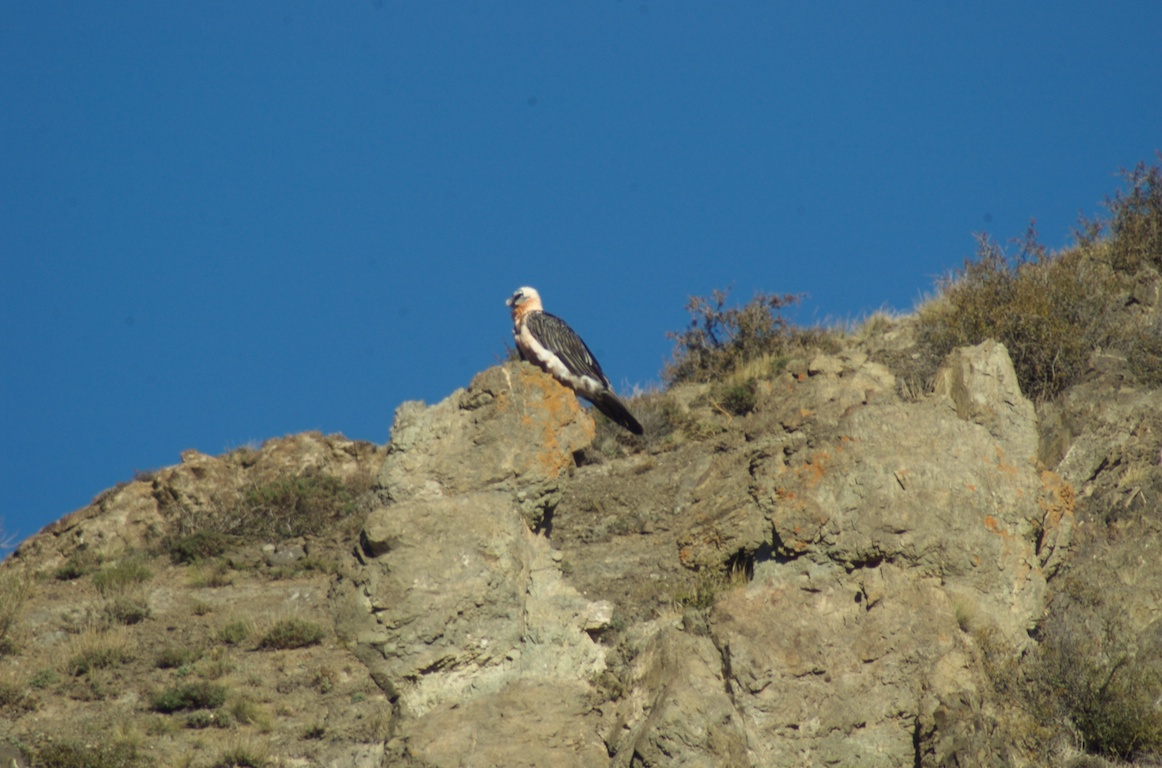
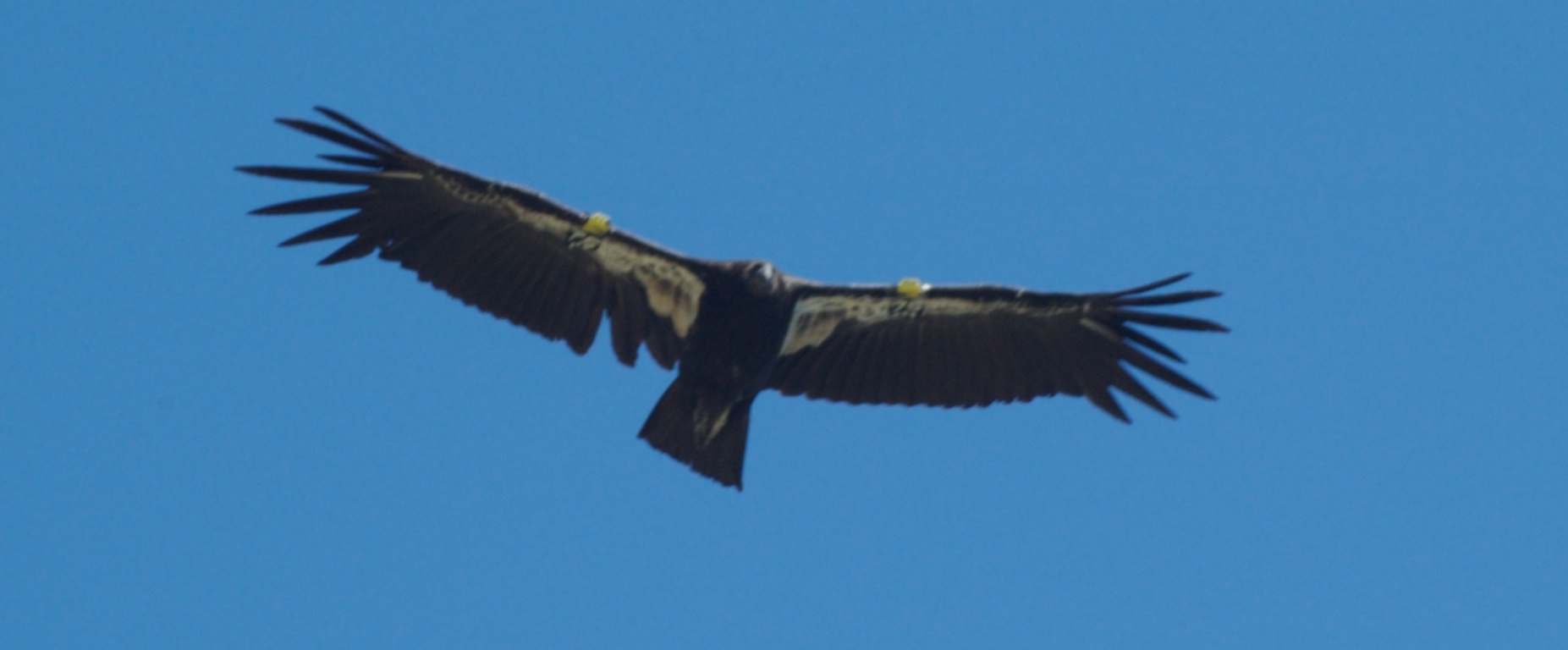
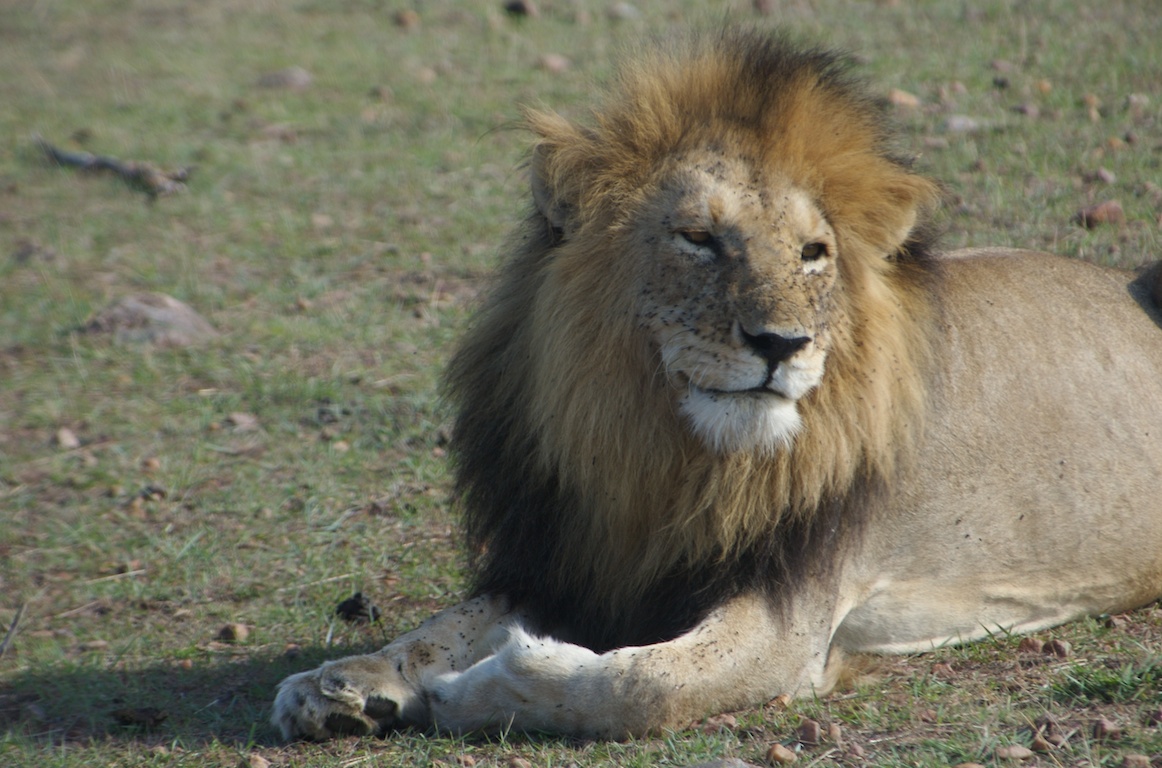
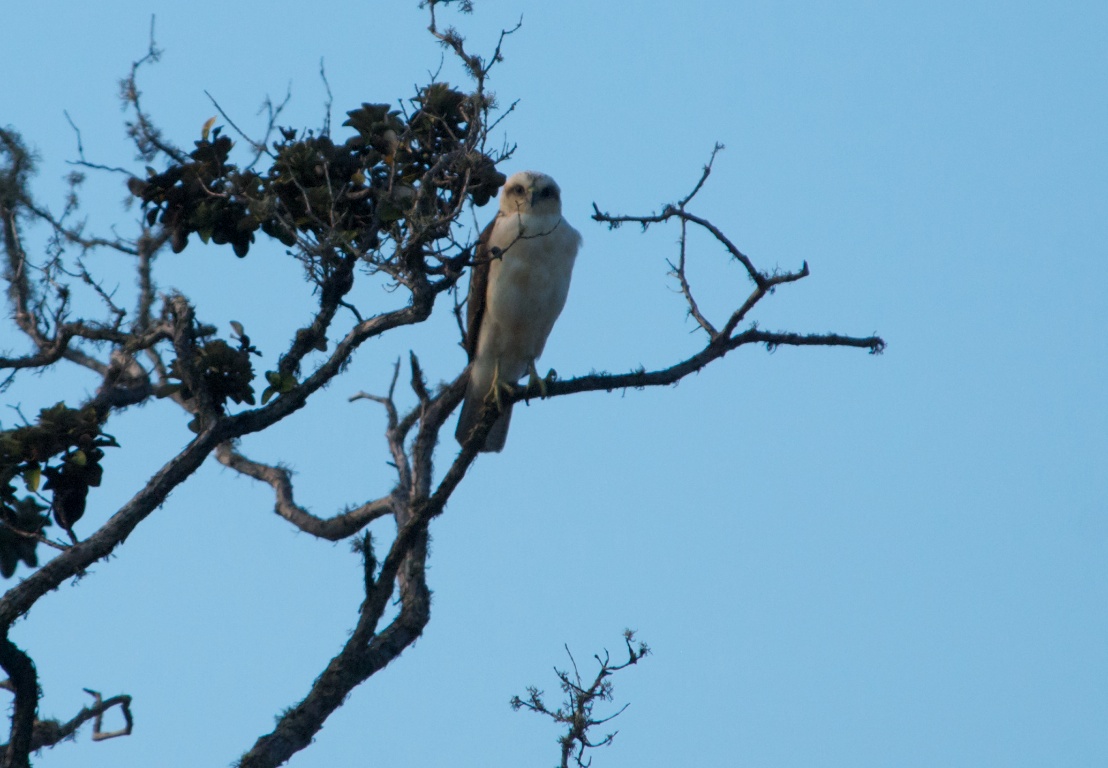
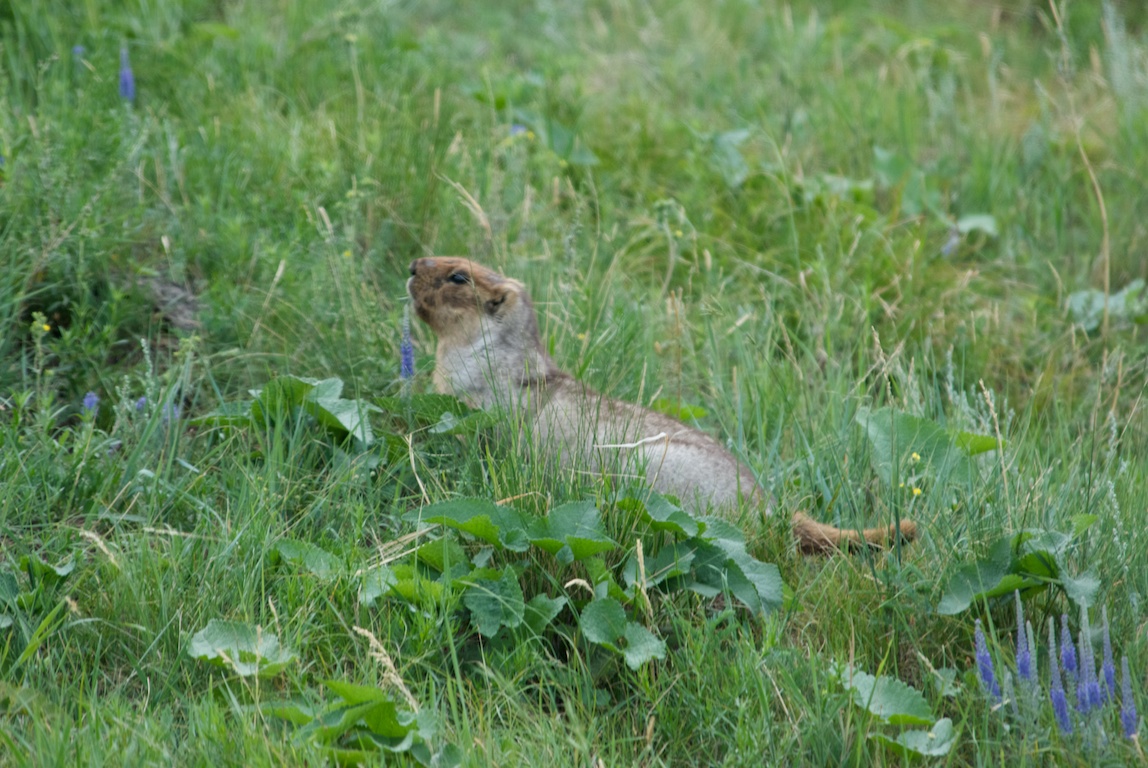
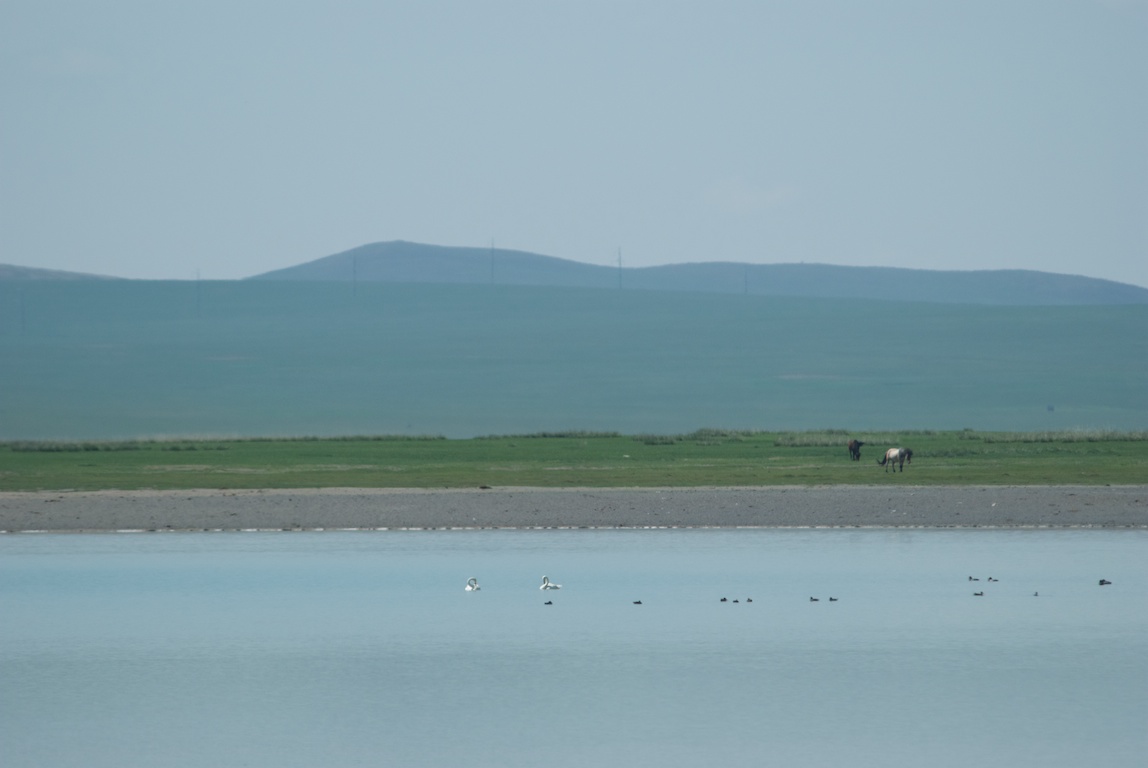
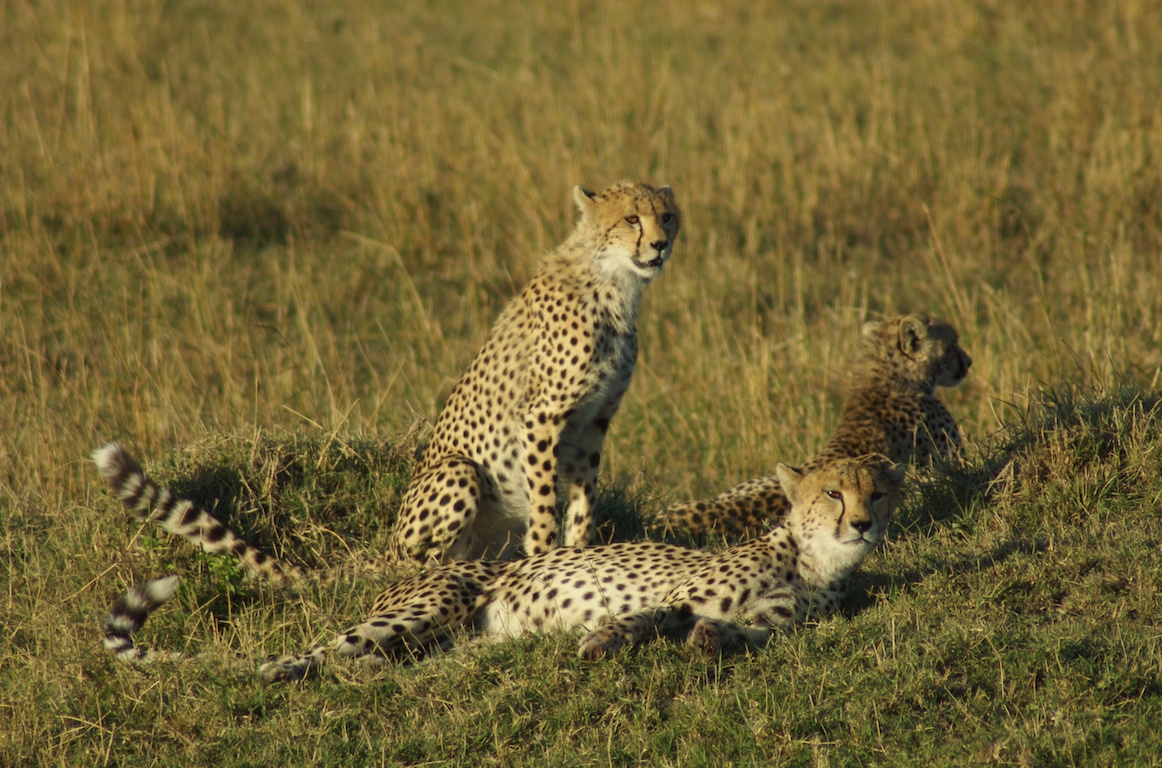
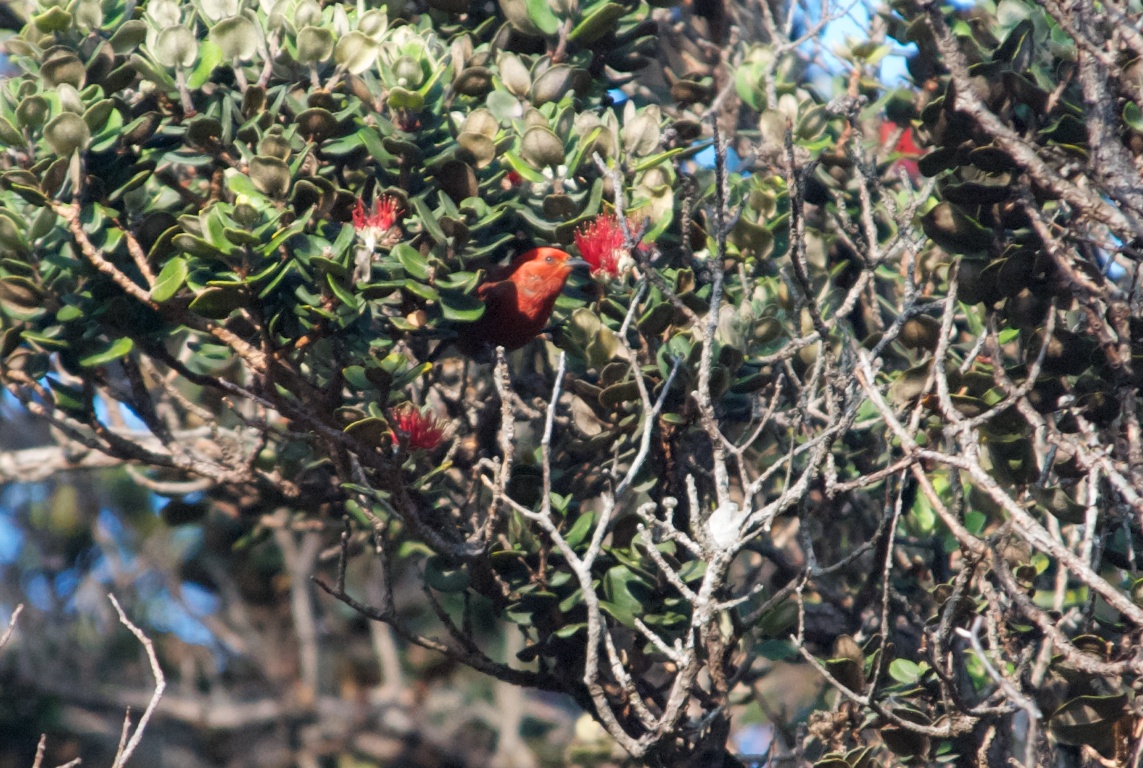
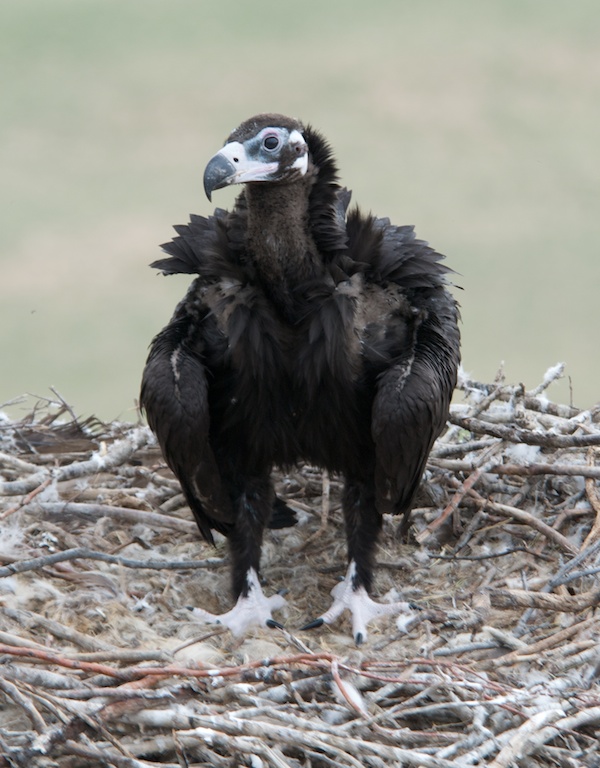
Takhi, Hustai National Park, MongoliaMonk Seal, Kauai, Hawaii, United StatesWolf, Lamar Valley, Yellowstone National Park, Wyoming, United StatesWhite-napped crane, Gun-Galuut Nature Reserve, MongoliaWhite Rhino, Lewa Downs Conservancy, KenyaLaysan Albatross, Kauai, Hawaii, United StatesTule Elk, Point Reyes National Seashore, California, United StatesRothschild's Giraffe, Soysambu Conservancy, KenyaNene, Hawaii Big Island, Hawaii, United StatesDesert Bighorn, Anza-Borrego State Park, California, United StatesGrizzly Bear, Yellowstone National Park, Wyoming, United States (Bear 264)Saker Falcon, near Hangai Mountains, MongoliaGreen Sea Turtle, Hawaii Big Island, Hawaii, United StatesGrevy's Zebra, Lewa Downs Conservancy, KenyaLammergeier, Gobi Gurvansaikhan National Park, MongoliaCalifornia Condor, Central Coast, California, United StatesAfrican Lion, Masai Mara, KenyaHawaiian Hawk (Juvenile), Volcano National Park, Hawaii Big Island, Hawaii, United StatesSiberian Marmot, Hustai National Park, MongoliaWhooper Swans, Gun-Galuut Nature Reserve, MongoliaCheetahs, Masai Mara, KenyaApapane, Hawaii Big Island, Hawaii, United StatesTrumpeter Swans, Yellowstone National Park, Wyoming, United StatesCinereous Vulture (Juvenile), Baga Gazriin Chuluu Nature Reserve, MongoliaArgali, Ikh Nartiin Chuluu Nature Reserve, Mongolia
I’ve posted a number of music videos here on my blog, but it occurred to me this morning that so far I’ve not posted any spoken work. I happen to love listening the Mongols speak their language, even if I mostly don’t know yet what they are saying. I thought that you might enjoying hearing what it sounds like.
Here’s a YouTube video of the recitation of a famous poem “Love One Another, My People” by one of Mongolia’s most beloved poets, O. Dashbalbar. It is followed by an English translation.
It’s accompanied by “White Stupa No. 1” from one of Mongolia’s favorite composers, N. Jantsannarov. The images are a wonderful look at Mongolia. I recognized quite a few of the places.
Love one another, my people, while you are still alive. Don’t keep from others whatever you find beautiful. Don’t wound my heart with heedless barbs, and Don’t push anyone into a dark hole.
Don’t mock someone who’s gotten drunk, Think how it could even be your own father. And, if you manage to become famous, Open the door for happiness to others! They should also not forget your kindness. To someone who is lacking a sngle word of kindness, You should search for it and speak it out. Whether outside in the sun or at home when it’s cold, Don’t spend one moment at rest.
Don’t use harsh words to complain, you women,
About the kind young man you remember. Speak lovingly to those who loved you! Let them remember you as a good lover.
Our lives are really similar, Our words constrict in our throats the same way, Our tears drop onto our cheeks the same way – Things are much the same as we go along the road. Wipe away a halt woman’s tears without a word, Talk your lover up when she’s tripped and fallen!
Today you’re smiling, tomorrow you’ll be crying. Another day you’re sad, and the next you’ll be singing. We all pass from the cradle to the grave – If for no other reason, love one another! People must not lack for love on this wide earth! I grasp happiness with the fire of my human mind, The golden shines lovingly upon us all the same, and So I think that loving others in the path of life, I understand that to be loved by others is great joy.
Cinereous Vulture, Ikh Nartiin Chuluu, Mongolia 16x20" oil on canvasboard
I happen to love vultures, who form a big part of nature’s clean-up crew. Cinereous vultures are the largest raptors in Eurasia. They can weigh up to 30 lbs and have a 10′ wingspan. As it turns out, Ikh Nartiin Chuluu is a “hotspot” for them, with almost 250 known nests, a quarter of which are used each year. One of the interesting things about this species, as you can see from my painting is that, unlike other vultures, the adult’s heads are not bare of feathers.
It has recently been learned that that a large number of juvenile vultures, many of which are born and fledge during the spring and summer at Ikh Nart, winter in South Korea, thanks to a combination of GPS radio collars, wing tags and dedicated observers.
So far, the species seems to be doing well in Mongolia. I sincerely hope that continues because they are always an impressive sight as they soar overhead in the beautiful blue skies.
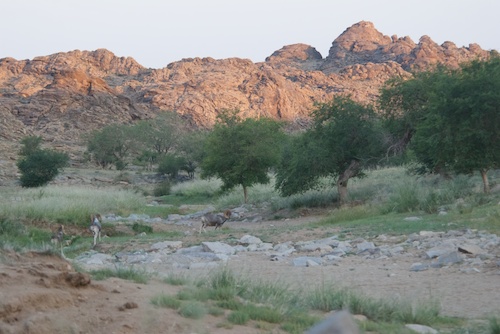
Sunrise in the valley where the research camp is...with argali
I’m proud and pleased to announce that I am one of four Americans and seven Mongols who have recently been appointed by the Dornogobi Aimag Governor (an aimag is the equivalent of a state or province) to the Ikh Nart Natural Resource Area Working Group!
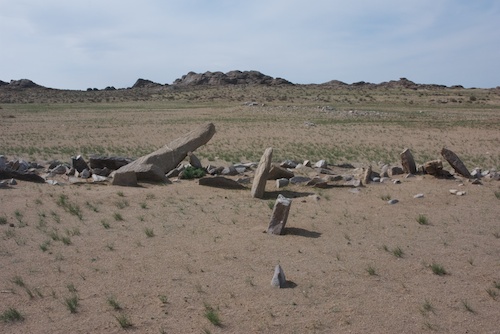
Ancient Turkic grave; there have been humans at Ikh Nart for a very long time
Ikh Nartiin Chuluu Nature Reserve is becoming a model for how a reserve or park can be managed in Mongolia, which has set aside one of the largest percentages of its land area of any country, 13%, as protected in some way.
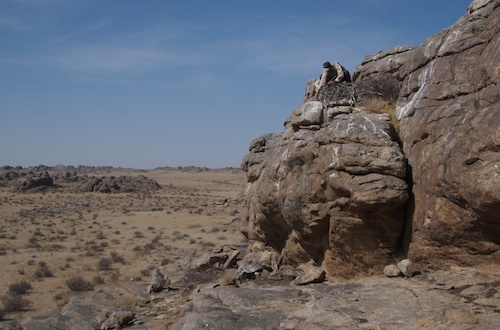
Pictographs near a well
The other Americans are Dr. Richard Reading, the Vice President for Conservation at the Denver Zoo, who in charge of the research camp that was established at Ikh Nart in 1994; retired Anza-Borrego California State Park Superintendent Mark Jorgensen, (Anza-Borrego is officially a sister park to Ikh Nart and its supporters have been very generous in their support of Ikh Nart, donating both money and equipment like spotting scopes and binoculars) who will continue to nurture the sister park relationship; and retired state park employee Lynn Rhodes, who has been offering her expertise on law enforcement policies and training.
Dr. Reading inspecting a cinereous vulture nest
I have been tasked with continuing to support Ikh Nart Is Our Future, the women’s craft collective and also to publicize Ikh Nart and the collective outside of Mongolia.
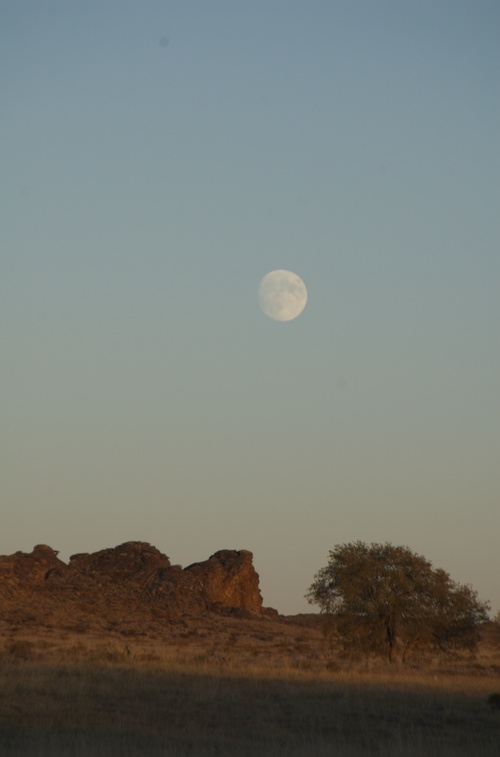
Ikh Nart moonrise
The Mongols in the Group include the scientist in charge of argali research for the Mongolian Academy of Sciences, Amgalanbaatar (Amgaa), who has become a good personal friend; the head of the aimag’s environmental agency; two soum (county) governors; the reserve ranger; and a representative of the local herders. So I will also have an opportunity to see how another country’s government operates at a local level.
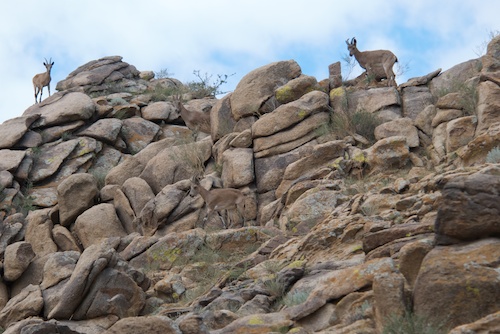
Four Siberian ibex
I feel very privileged to be included in this on-going effort to conserve a very special place and to work with the Mongols in doing so.
Local herder Choibalsan and I at the end of the Earthwatch project, April 2005; I still see him most times I visit the reserve
UPDATE AS OF MARCH, 2012: As of a few months ago, the Working Group decided to create an advisory council on which the four westerners would serve. I am now a member of that council. My direct work with the collective, Ikh Nart Is Our Future, has not changed.


































 Susan Fox, American Artist
