The WildArt Mongolia Expedition, Part 9: Takhiin Tal, In The Great Gobi B Strictly Protected Area

Takhiin Tal
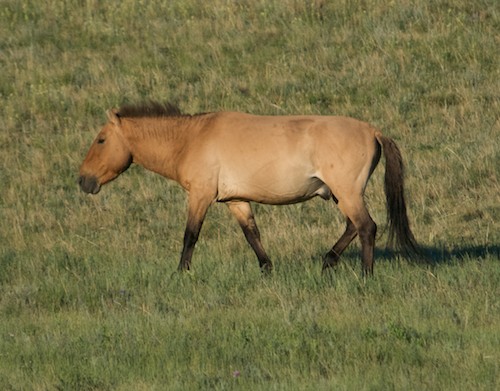
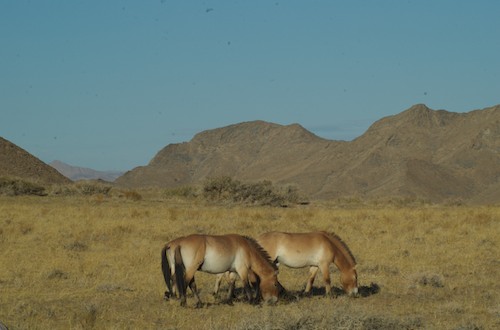
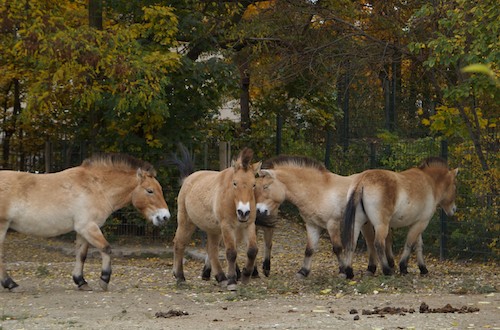
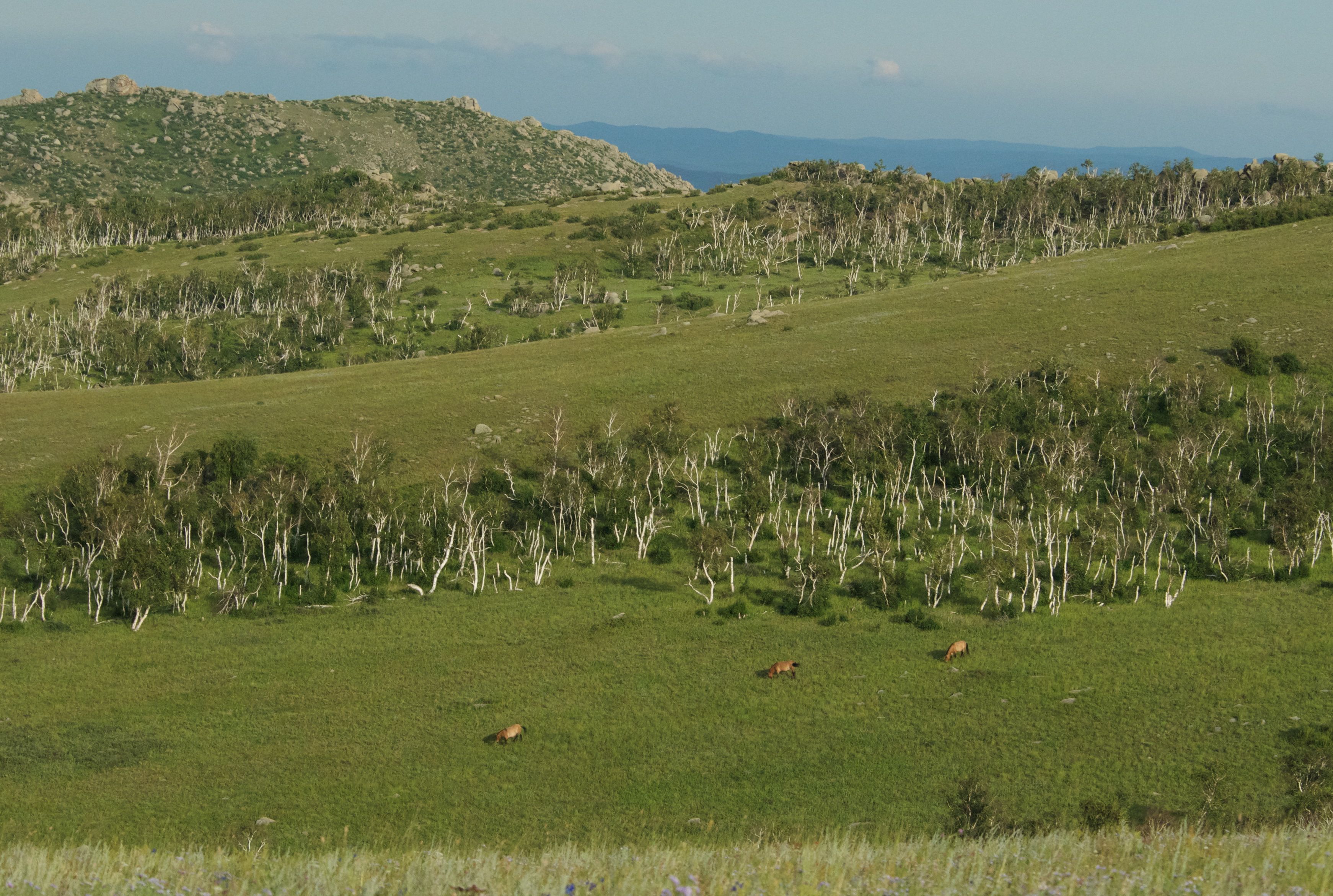
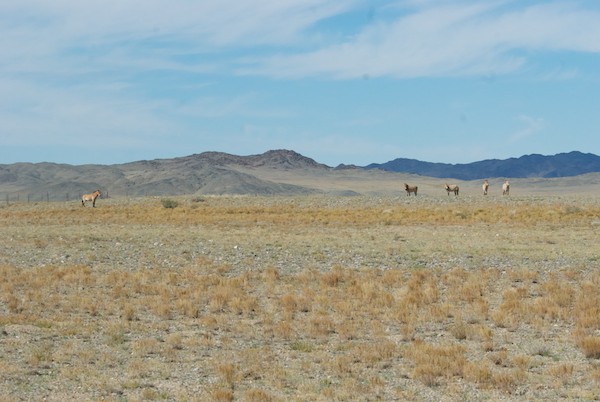
Takhiin Tal. On the left is a wild-born takhi stallion. On the right are four mares who had been flown in from the Prague Zoo two months earlier in July, so were still being kept in a big acclimation enclosure. The reintroduction people had learned early on that if the transhipped horses were simply released into the reserve upon arrival they would mostly not survive the winters (temperatures as low as -50C) or the wolves. Rangers keep an eye on all of them, but ultimately nature is allowed to take its course.

We had finally reached the main goal of the Expedition, Takhiin Tal, the second location where takhi/Przewalski’s horses were reintroduced to Mongolia in 1992. I had wanted to go here for years, having already been to the other two release sites: Hustai National Park (at least six times) and Khomiin Tal (in 2006, my second trip), which is in Zavkhan Aimag.

My friend, Anne-Camille Souris, a khulan/Mongolian wild ass researcher, had given me an introduction to the Director of Takhiin Tal, Oyunsaikhan Ganbaatar, He proved to be a most wonderfully gracious host, taking time out during a very busy part of the year when he and the staff were preparing for winter to give us a detailed briefing on the project and making one of his rangers available to us as a guide.

Everyone at Takhiin Tal went out of their way to make us feel welcome. We stayed in the guest gers and had the use of another for our kitchen and dining room. There were shower stalls in which we could use our pump sprayer to get clean for the first time in days. The camp managers took care of any problems, other members of the staff aided our drivers in doing badly needed repairs to our Russian fergon vans, which had just gone over some very rough terrain on the way. One repair required welding equipment, which was generously loaned to us as needed. To top it off, there was a party our final evening with khorhog (real Mongolian BBQ, a sheep roasted in a metal can over hot coals), side dishes from our wonderful cook. Soyoloo, and good Mongol vodka. I got coaxed into singing a Mongol song. I held everyone off for as long as I could, not knowing any that didn’t require having the lyrics in front of me, but finally remembered that I could probably get through “Zoolon, Zoolon Zambuulin” with help and that’s what I did. Magvandorj presided over the evening and led the toasts, of which there were, well, quite a few.

And….we saw the horses!

(Note: I was totally focused on seeing and photographing the takhi and other wildlife in the too short time we had there, so I didn’t get the names of the individual horses, the mountains or plants in the photos below. I hope to do so and will add them when I do.)

Four takhi mares
The four takhi mares from Prague Zoo, plus “their” stallion (darker horse on the left).
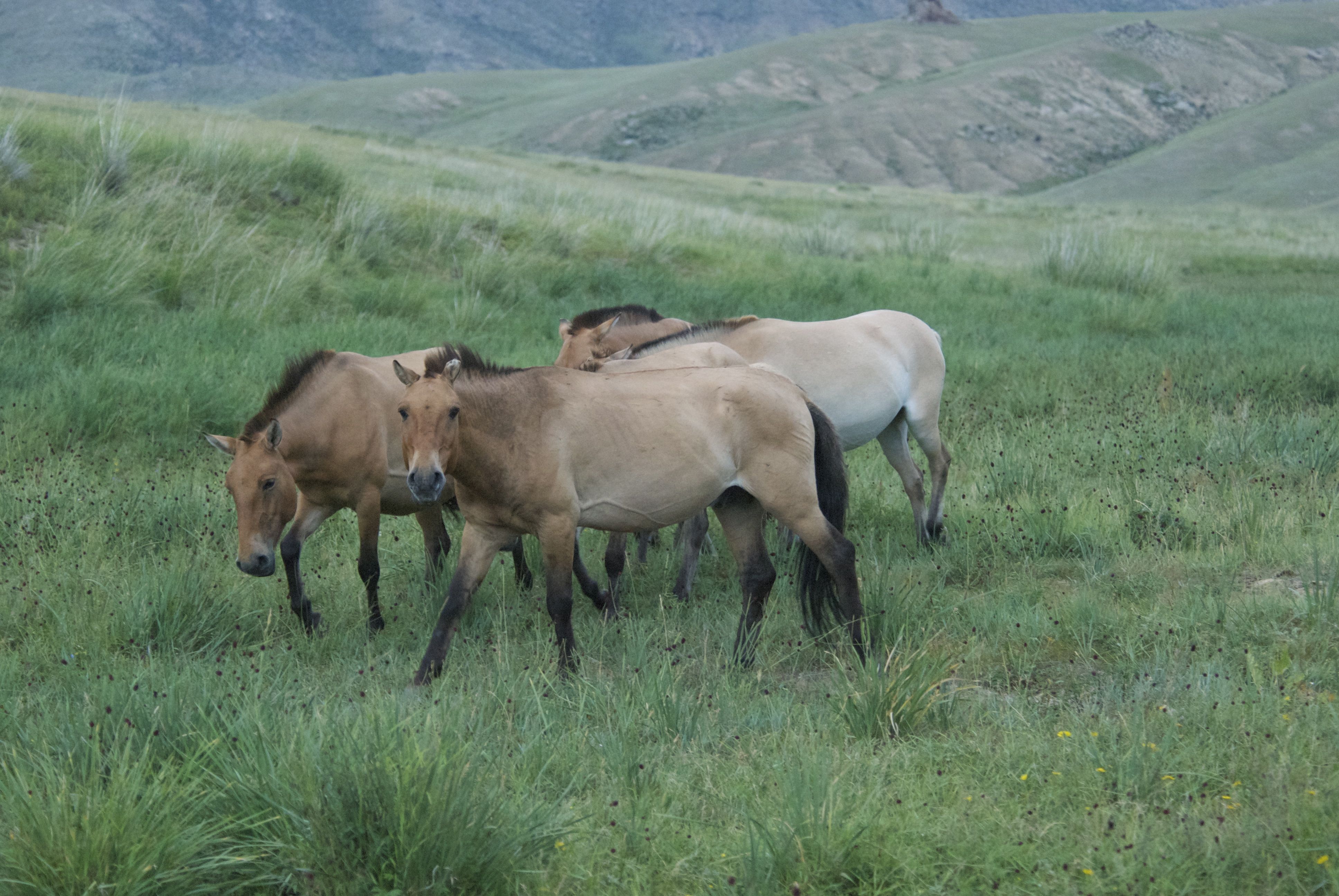
Wild harem
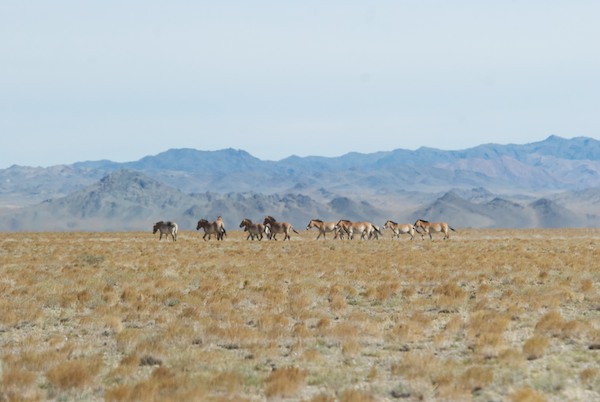
We went on a morning “game drive” and had a great encounter with this purely wild family group.
Wild harem
Stallions don’t lead the family group, the dominant mare does. The stallion keeps them in front of him, ready to defend them from predators like wolves. Domestic Mongol horses do the same.
Wild harem
I worked my way slowly towards them, always going at a diagonal and stopping if it looked like they were tensing up. They were definitely more cautious and ready to run than the takhi at Hustai who are far more used to seeing humans walking around.
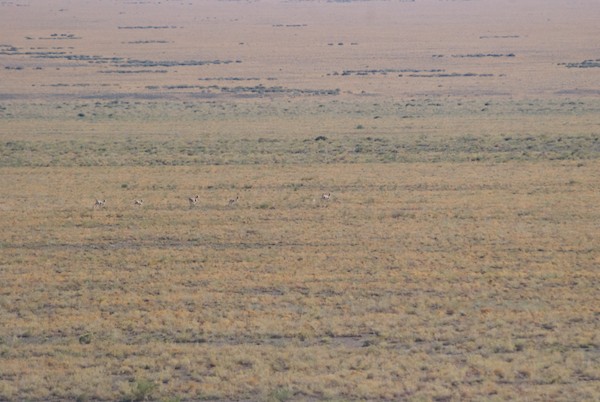
Gazelles
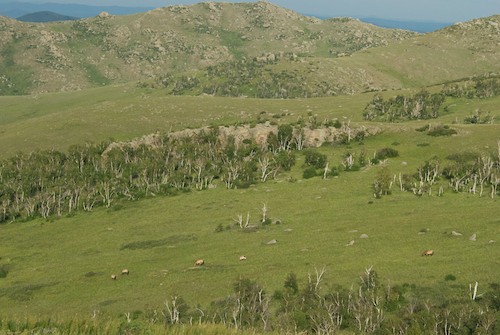
We saw this one group of goitered gazelles (Gazella subgutturosa) from a long distance. I think of these as my “I saw them.” shots.
Khulan
There are two wild equids in Takhiin Tal, the takhi and also khulan/Mongolian wild ass (equus hemionus). They are extremely skittish and we never got closer than this.
Khulan crossing river
The ranger with us hoped that we could do a closer approach by going to the river while the khulan were there to drink. But they must have heard the vans. The line of splashes are khulan dashing across the river.
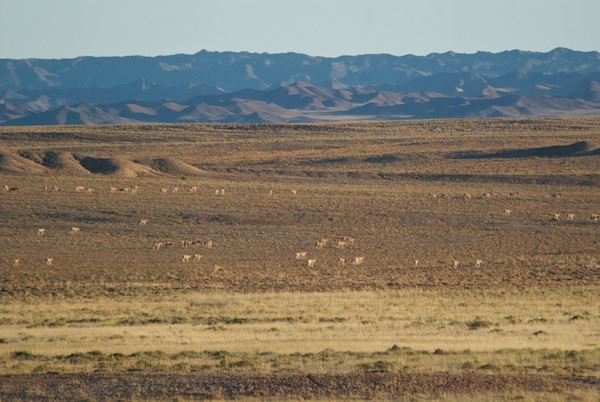
Large herd of khulan grazing in the evening
We went back in the evening, trying a different approach direction, but once again by the time we were able to see them they had moved away, maintaining this distance. It was a huge herd of various family groups that had come together for water and grazing. I took a lot of photos and found when I reviewed them that I had recorded a variety of interesting interactions that will make good paintings. But I’ll have to use other reference to get their appearance correct.
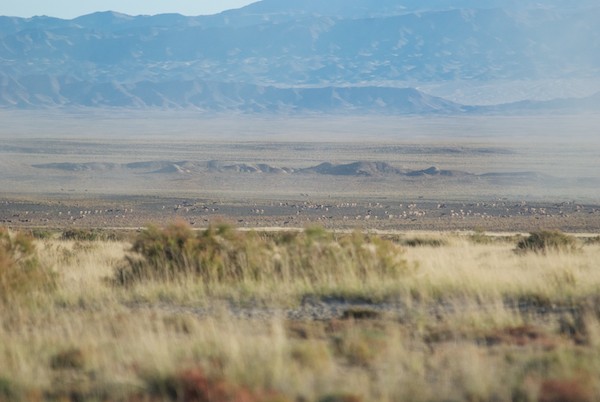
Takhiin Tal scenery
So many….and no way to get closer.
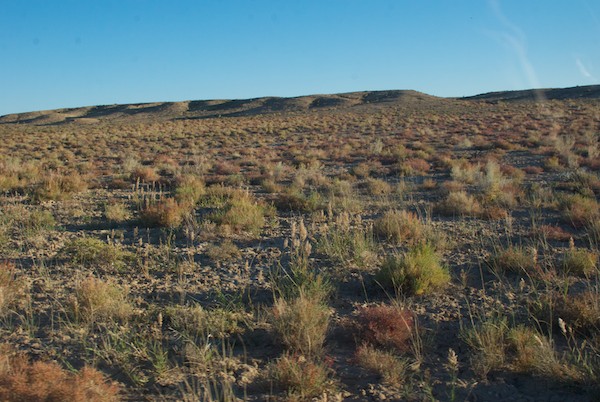
Takhiin Tal scenery
Takhiin Tal scenery showing the wide variety of vegetation found in the Gobi. It’s not all sand, as so many people think.
Takhiin Tal scenery
Takhiin Tal. I would really like to go back again, not only to see the wildlife, but to paint the spectacular scenery.
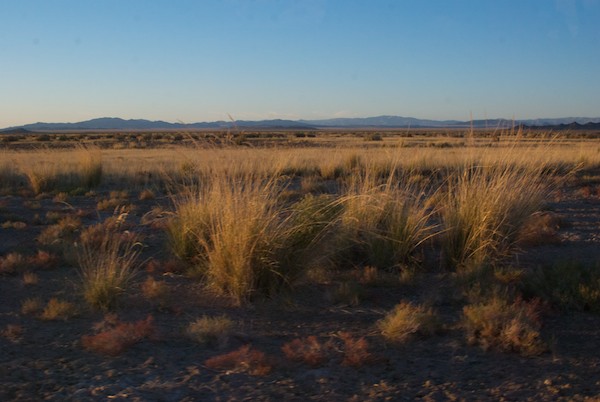
Grasses
Grasses in the evening light.
On the way back
On the way back to the reserve headquarters, we got one last treat…a small group of takhi right by the road. It was totally dark, no tripod and no time, but I got a few shots through the windshield of the van. Still, I think this has an interesting, perhaps a little mysterious feeling with these horses who came very close to extinction.
Plants that are fodder for the takhi
Plants that are fodder for the takhi.
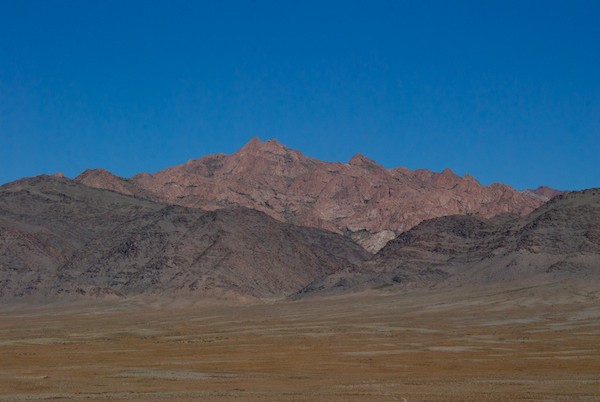
Mountain
Sorry to say that I didn’t get the name of this distinctive pink mountain. A hike was planned and I I started it, but realized that my legs just weren’t going to do it. I stayed down below with our drivers and guide and got in some good sketching time. We were told that snow leopards have been seen here, so this is the second habitat of theirs we observed.
Approach to mountain on road through steppe grassses
We passed through this stretch of lush grasses on our way to the trailhead.
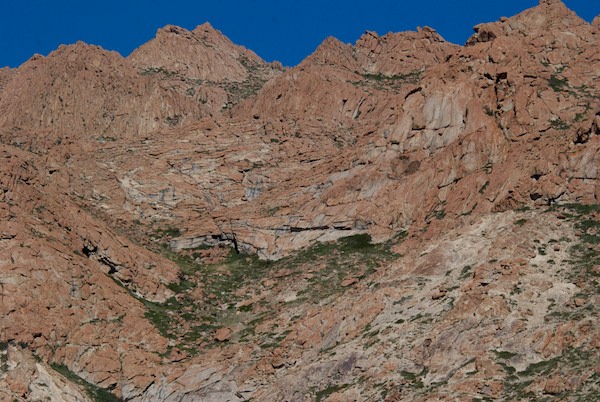
Close-up of the mountain
A close-up of the mountain.
Juniper, a sacred plant to the Mongols, grew in profusion on the hillside
Juniper, a sacred plant to the Mongols, grew in profusion on the hillside; it’s considered an endangered plant since in many places it has disappeared due to harvesting for use in Buddhist ceremonies. I enjoyed having time to sit and do a study of it.
My journal sketch
My journal sketch
Location watercolor
Location watercolor of juniper spilling over a rock in a picturesque pattern
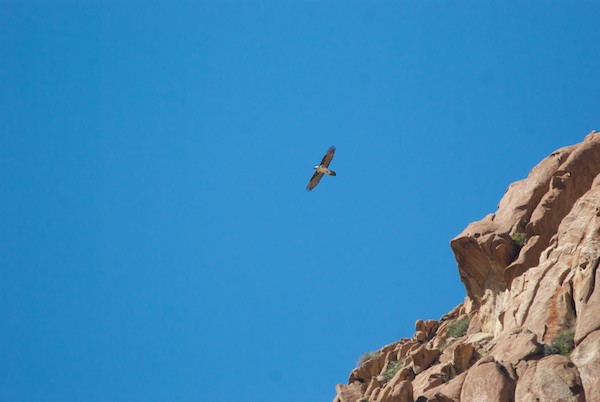
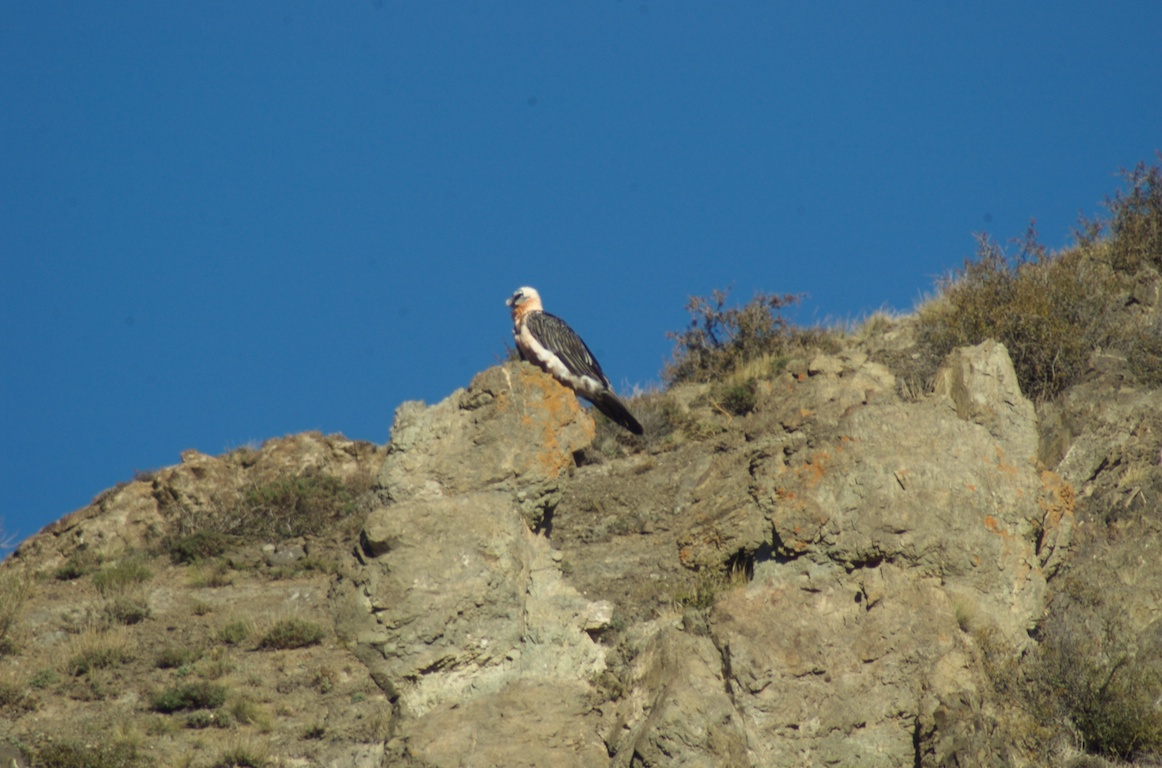
We had been told that there were Lammergeier/bearded vulture on the mountain and, sure enough, while we were sitting around, this one appeared over our heads.
Group shot
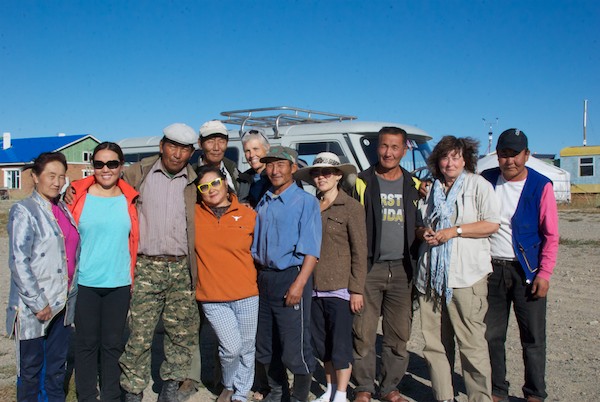
Finally, it was time to depart. But not before the “traditional” group shot, this one taken in Ganbaatar’s office. From left to right: In back- Tugsoyun Sodnom, I.Odna, Oidoviin Magvandorj, Chinbat (ranger/guide), camp manager. Middle: Sharon Schafer, Oyunsaikhan Ganbaatar, reserve director, myself/Susan Fox. In front, our drivers Sendag and Batmaa
Group shot
Group shot from left to right: camp manager, I. Odna, Chinbat, unknown man, Tugsoyun Sodnom, Sharon Schafer, camp manager, Soyoloo (cook), Sendag, me, Batmaa

You can find out more about Takhiin Tal, which is supported by the Switzerland-based International Takhi Group, here.

Next stop: Sharga and Darvi soums for saiga antelope, we hoped.

Mongolia Monday- New Painting Debut! “Morning At Hustai”

Morning at Hustai  16x24"  oil
Morning at Hustai 16×24″ oil

These two takhi/Przewalski’s horses were part of a harem of eight that I watched and photographed for quite awhile at Hustai National Park last September. This “grooming” behavior is as much about social connection and relationship reinforcement as it is about any actual grooming. The harem stallion is on the right and one of his mares is on the left. I loved being able to paint them in such beautiful morning light.

“Enchanted Evening” Has Been Accepted Into “Art and the Animal”!

Enchanted Evening   36×40″ oil

I’m very proud to announce that my latest takhi painting “Enchanted Evening”,
has been accepted into the Society of Animal Artists’ 52nd Annual Exhibition of “Art and the Animal”. This is the fourth year in a row that I have had work in the show and they have all been Mongolia subjects, which pleases me a lot.

The exhibition will be held at the Hiram Blauvelt Art Museum, which is located in Oradell, New Jersey, and officially opens on the weekend of October 5-7. I plan to be there for all the festivities. More details later on as the opening approaches, but consider yourself invited!

The story behind the painting: Last August, nationally-known sculptor Pokey Park and I were on a two-week tour of the best wildlife watching locations. We were leaving Hustai National Park, one of the three places in Mongolia where takhi have been reintroduced, after a last horse-watching drive, which had already been very successful. Then, less than 50 feet from the road we spotted this small group of takhi coming down to a pool of water. We stopped and got our cameras ready. Would they come or not…

Trying to decide…
We’re thirsty!

And here’s a short video that I shot on my Flip HD. Unfortunately we ended up with a lot of cars stacked up behind us, just like a bear or bison jam in Yellowstone. One woman came up next to me out in plain view (I was behind the open door of the car, using it for kind of a blind) and spooked them, but at least they’d all been able to drink. Enjoy!

Mongolia Monday- Wildlife Profiles: Takhi

Takhi stallion, Hustai National Park, 2010

Species: Takhi or Przewalski’s horse (Equus ferus przewalskii)

Takhi, Khomiin Tal, 2006

Weight, height: approximately 300 kg or 660 lbs.; 13 hands (52 inches, 132 cm)

Takhi, Hustai National Park. 2005

Conservation Status: Endangered (IUCN Red List)

Takhi, Hustai National Park, 2011

Habitat Preference: Steppe, semi-desert; now also mountain steppe (Hustai)

Takhi group, Berlin Zoo, 2004 (first time I ever saw the species)

Best places to see takhi: In the wild: Hustai National Park, Mongolia. Captive animals: Many zoos and some reserves, including: San Diego Zoo, Denver Zoo, the National Zoo, the Berlin Zoo, the Wilds (near Cincinnati, Ohio)

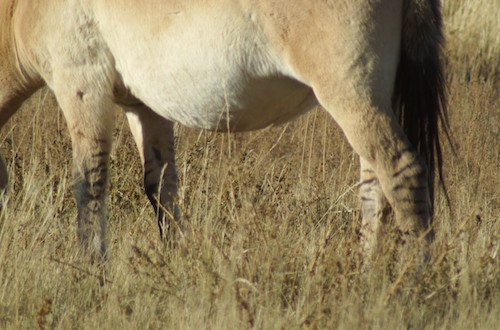
Takhi leg stripes, Hustai National Park, 2005
Domestic Mongol horse with leg stripes, 2011

Interesting facts:

-Takhi are the only surviving species of true wild horse. What are called “wild horses” in the USA are feral domestic horses.

-The last wild takhi, a lone stallion, was spotted at a waterhole in the Dzungarian Gobi in 1969, and not long after the species was declared extinct in the wild. After WWII, only 55 survived in captivity, all descended from 13 founder animals. Today there are approximately 2000 takhi of which, as of 2011, 360 were at three release sites in Mongolia.
-Their range originally included, along with Mongolia: Belarus, China, Germany, Kazakhstan, Lithuania, Poland, Russian Federation, Ukraine.

– Takhi have 66 chromosomes. Domestic horses have 64. They can mate and produce fertile offspring. It is estimated that they diverged around 500,000 years ago, so the speciation process is not complete. Domestic Mongol horses with takhi characteristics like carpal and tarpal leg stripes are fairly common, indicating a cross at some point in the past. Modern horses are not descendents of takhi.

-Other than a few instances of intensively hand-raised foals who would tolerate a rider while young, no one has ever “tamed” a takhi.

-They became known in the west when Col. Nikolai Przewalski brought a skull and skin, which had been presented to him at a border crossing between far western China and Mongolia, back to Russia. The official description was published in 1881.

New Drawings of Takhi

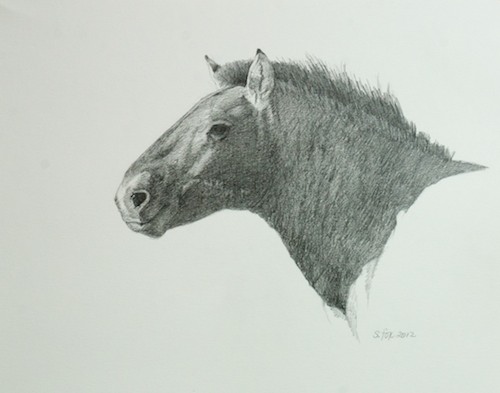
It’s been awhile since I’ve done some finished graphite drawings and that’s what I’ve been doing this week. I’ve always loved to draw, so it was fun to just sit with a pencil (a General’s Draughting Pencil) and paper (Strathmore 300 vellum bristol) and work from some of the takhi photos I’ve shot during my trips to Mongolia.

Tahki Stallion
Takhi foal
Takhi Stallion Head Study
Takhi Stallion "Snaking"

A French equid researcher I know told me that this body position is  known as “snaking”. It’s purpose is to get the stallion’s harem moving quickly. His low body position is suggestive of a stalking predator and triggers the response he wants from his mares. I’ll probably be doing a painting of the whole scene at some point, so this is a useful study.

All of these horses were photographed at Hustai National Park, which is an easy two-hour drive west of Ulaanbaatar.

Mongolia Monday: Flora And Fauna- Hustai National Park

The next ten or so posts will cover all the places I visited on this past trip, some familiar and well-loved and some new.

The two-week trip with Pokey emphasized the best wildlife viewing places that I’ve found. We headed west out of Ulaanbaatar on a sunny August morning….

and spent two productive days at Hustai, seeing lots of takhi and other wildlife. The wildflowers were still in bloom, too, which was lovely.

These horses were part of a group approaching a water hole right by the road; you'll have to wait for the painting to see the rest...
At first this harem was a long way off
But as we watched from behind a line of rocks, they drifted closer and closer
Finally, they grazed their way right past us in the fading light; it was quite wonderful to have them come so close
Marmots generally run straight for their holes when spooked, but for some reason we will never fathom, this one ran for a long way right down the middle of the road
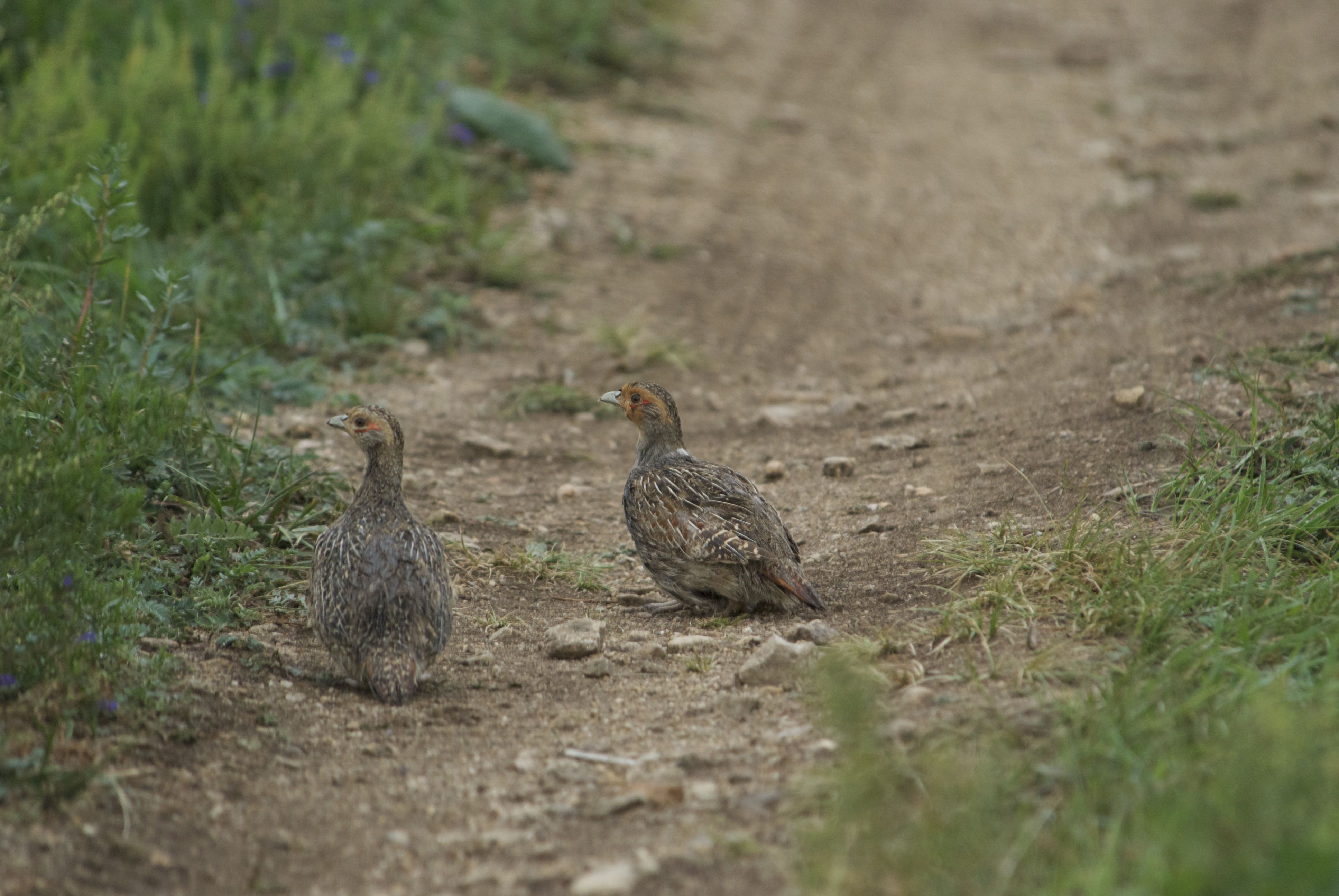
These darian partridges were a new species for me
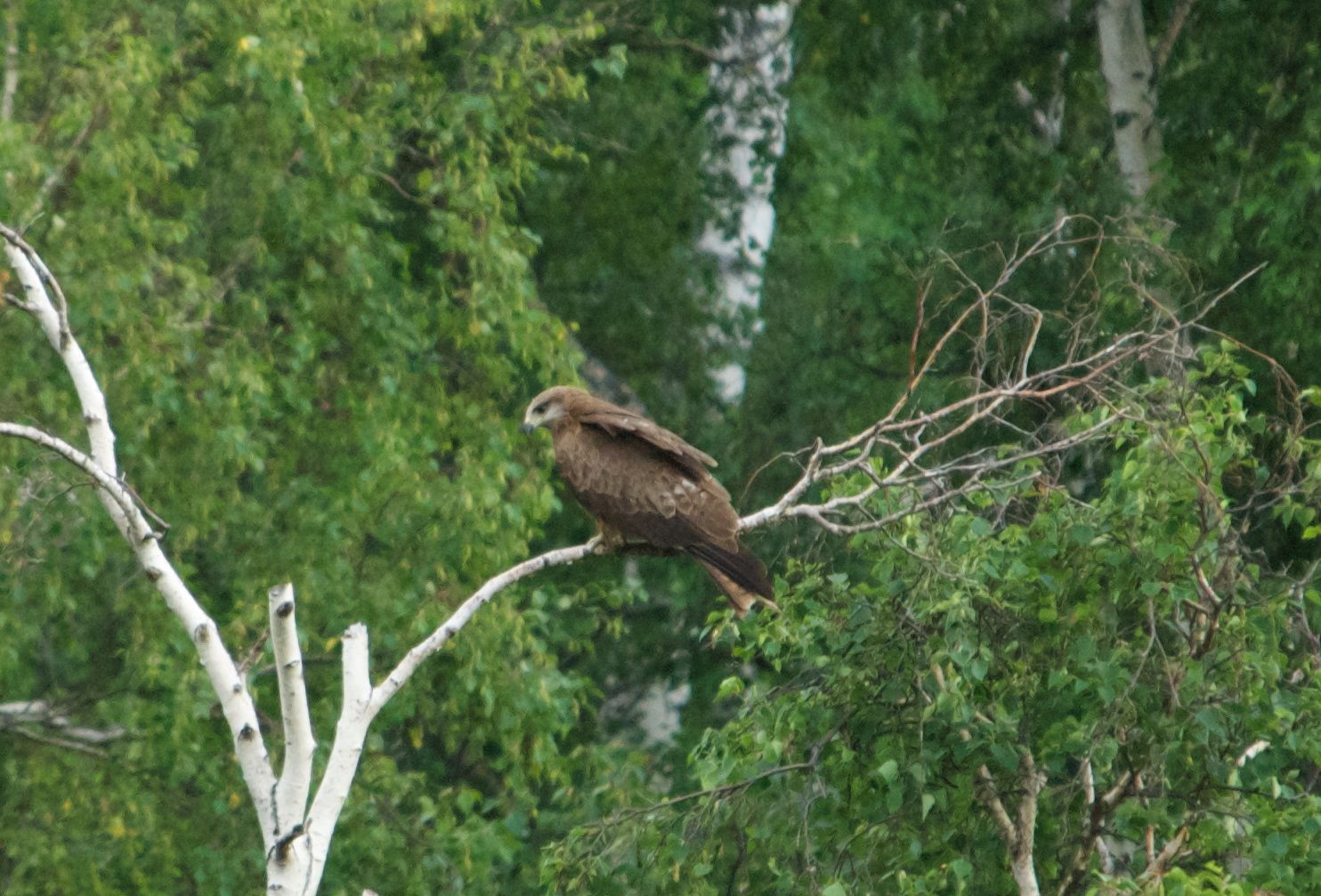
Black kite in a birch tree; "Hustai" means "birch" in Mongolian
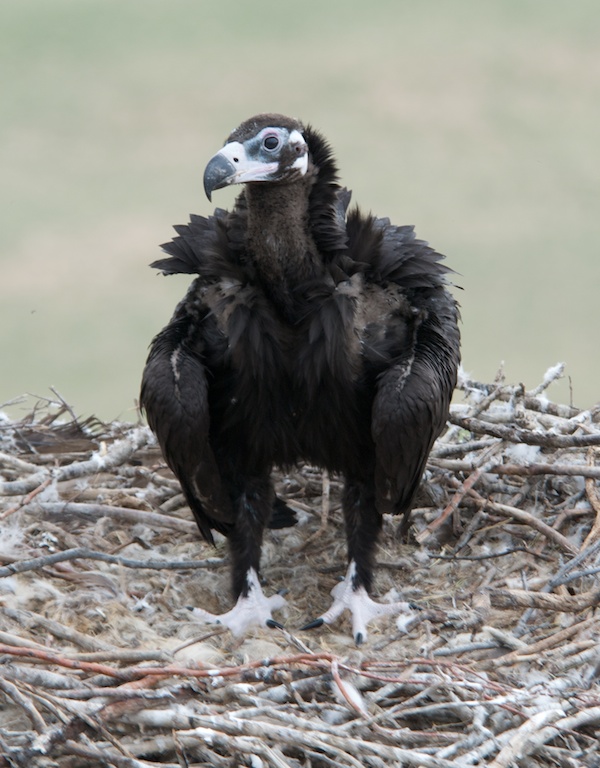
Cinereous vulture, the largest Eurasian vulture which can weigh up to 30 lbs.
This grasshopper suddenly appeared on our windshield
Saw more spiders on the trip this year than ever before, including this one on a member of the phlomis family
Deep purple globe thistles
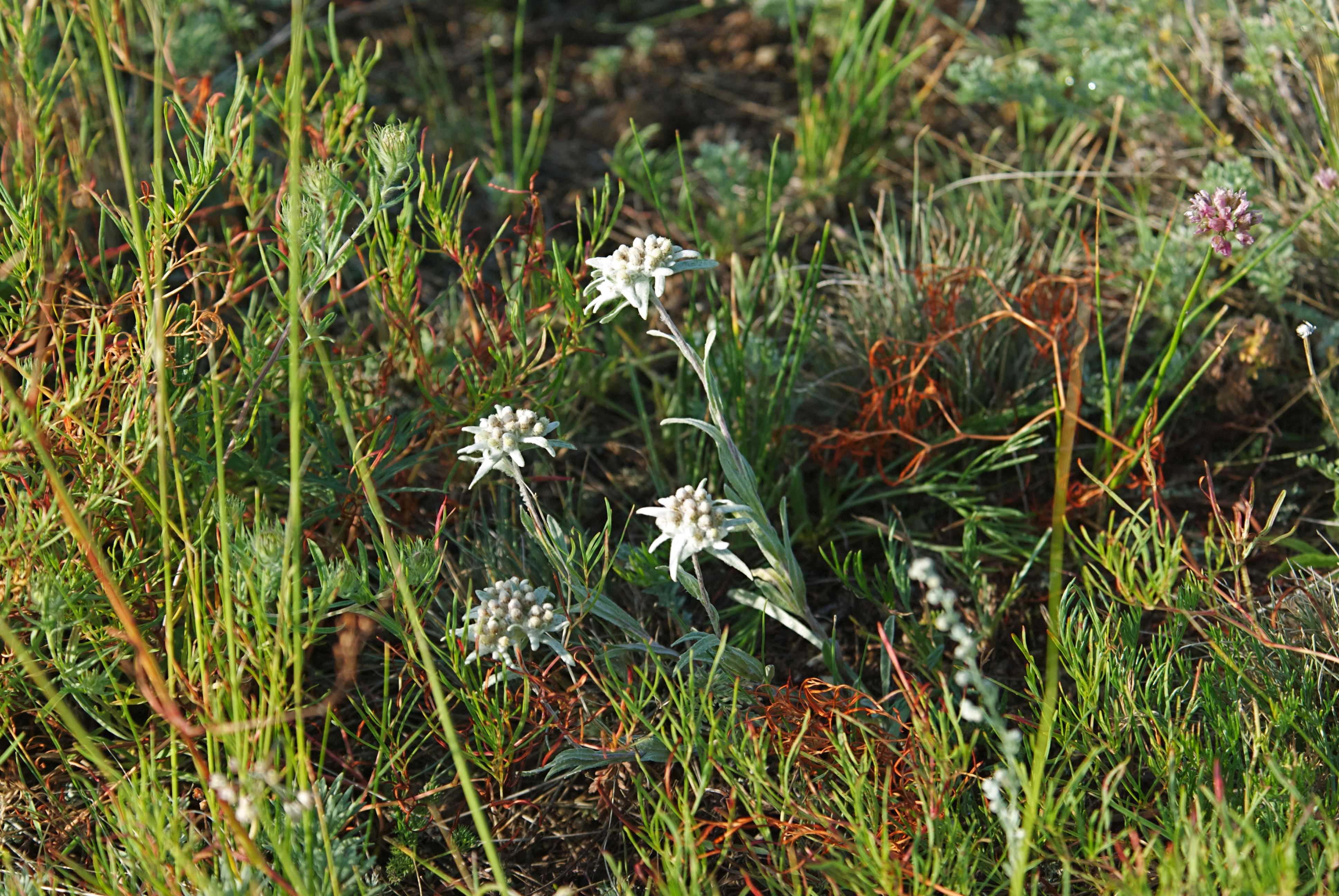
Edelweis

An Earth Day Album Of 25 Endangered/Threatened Species I’ve Seen

It’s clear that one lesson we, as a species MUST learn, is to share. All of these animals have just as much right to be here as we do. As they go, in the end, so shall we.

I’ve never made a point, for the most part, of specifically seeking out endangered or threatened species to photograph for my paintings. But, as it’s happened, in less than ten years I’ve seen two dozen, plus one, all in the wild. Quite a surprise, really.

Sometimes they’ve been pretty far away, but that in no way diminished the thrill of seeing them. Close-ups in a zoo or other captive animal facility can be useful, within certain limits, but seeing a wild animal in its own habitat, even at a distance, is much more satisfying and gives me ideas and information for my work that I couldn’t get any other way.

In no particular order, because they are all trying to survive on this planet:

Takhi, Hustai National Park, Mongolia
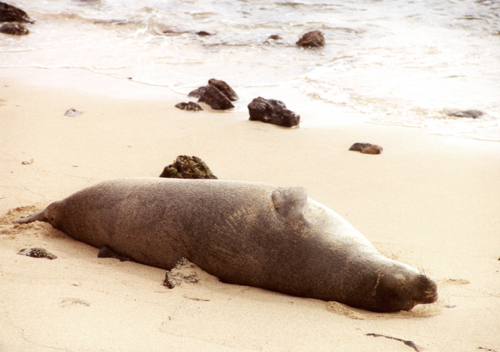
Monk Seal, Kauai, Hawaii, United States
Wolf, Lamar Valley, Yellowstone National Park, Wyoming, United States
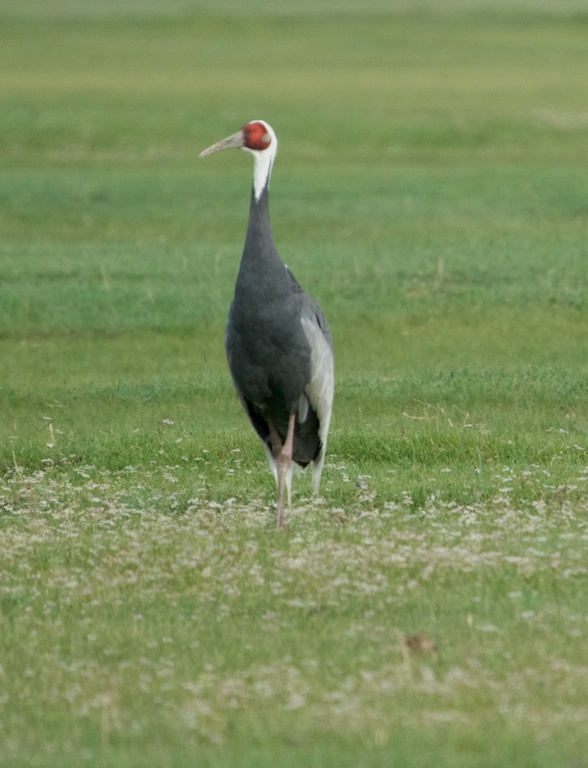
White-napped crane, Gun-Galuut Nature Reserve, Mongolia
White Rhino, Lewa Downs Conservancy, Kenya
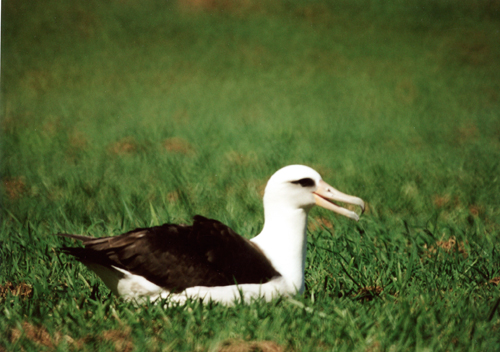
Laysan Albatross, Kauai, Hawaii, United States
Tule Elk, Point Reyes National Seashore, California, United States
Rothschild's Giraffe, Soysambu Conservancy, Kenya
Nene, Hawaii Big Island, Hawaii, United States
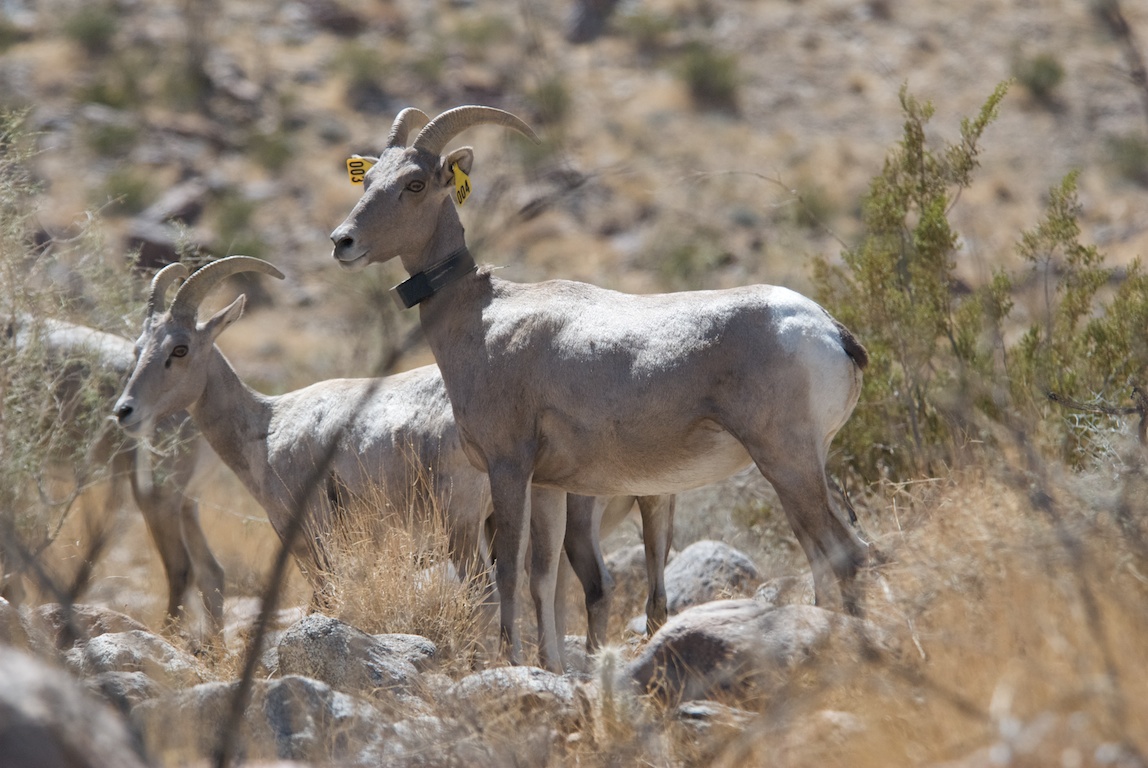
Desert Bighorn, Anza-Borrego State Park, California, United States
Grizzly Bear, Yellowstone National Park, Wyoming, United States (Bear 264)
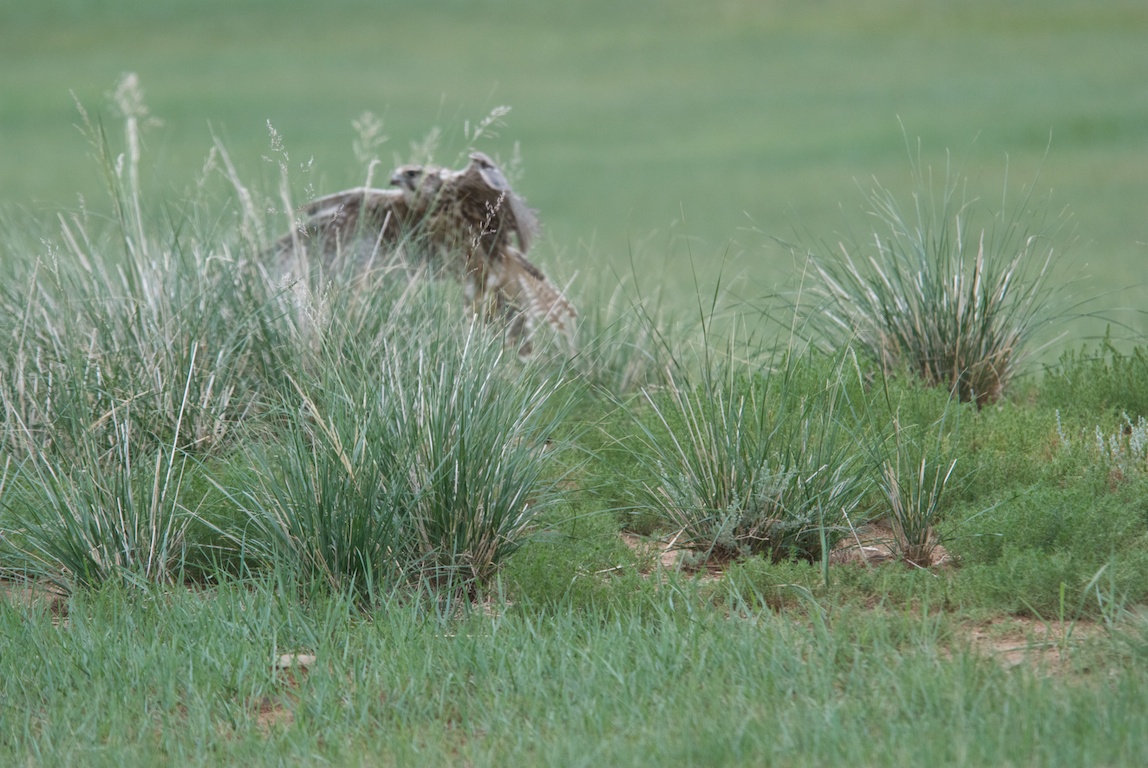
Saker Falcon, near Hangai Mountains, Mongolia
Green Sea Turtle, Hawaii Big Island, Hawaii, United States
Grevy's Zebra, Lewa Downs Conservancy, Kenya
Lammergeier, Gobi Gurvansaikhan National Park, Mongolia
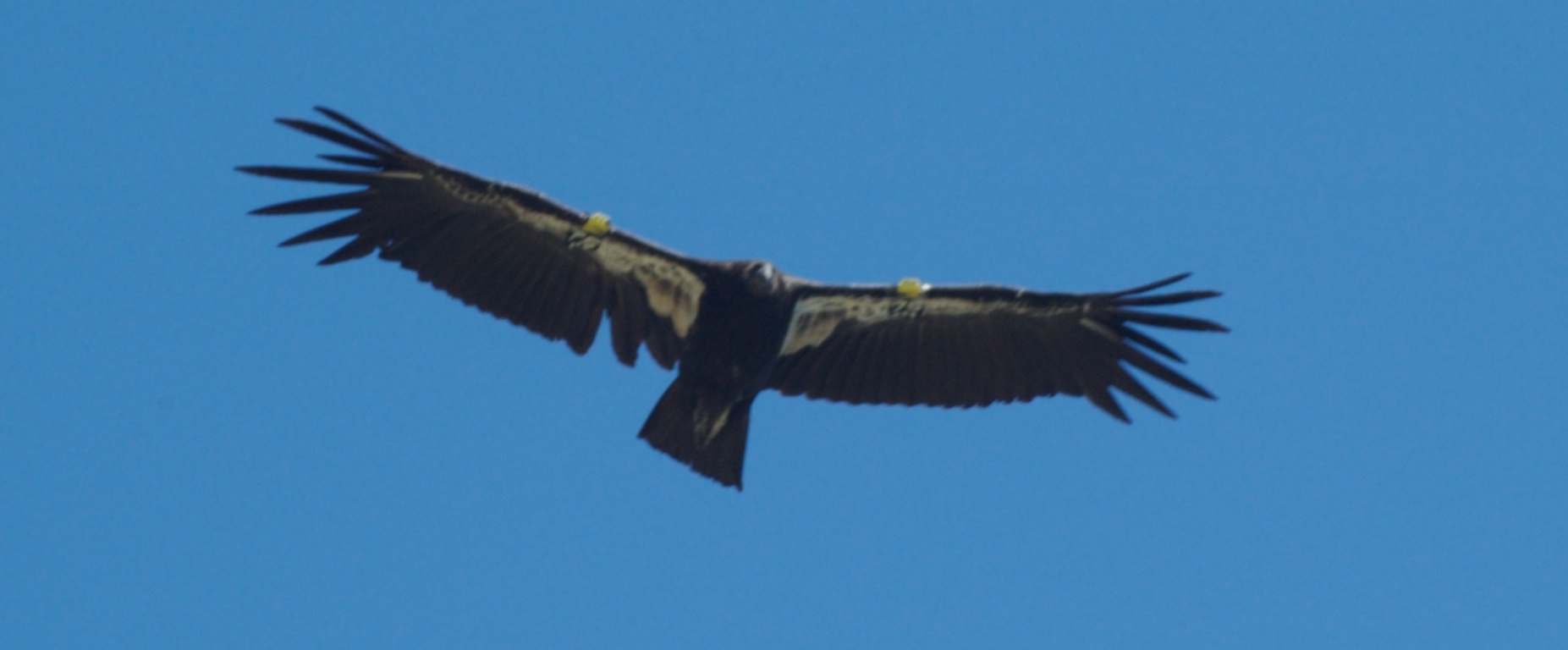
California Condor, Central Coast, California, United States
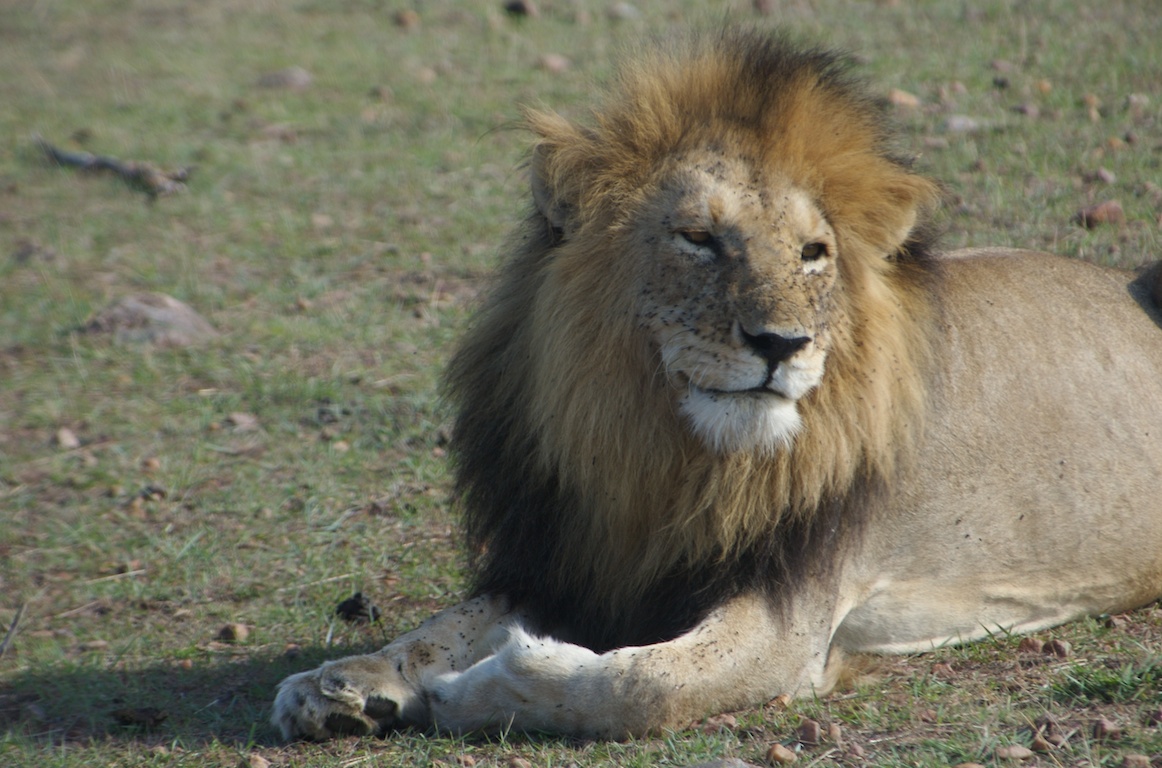
African Lion, Masai Mara, Kenya
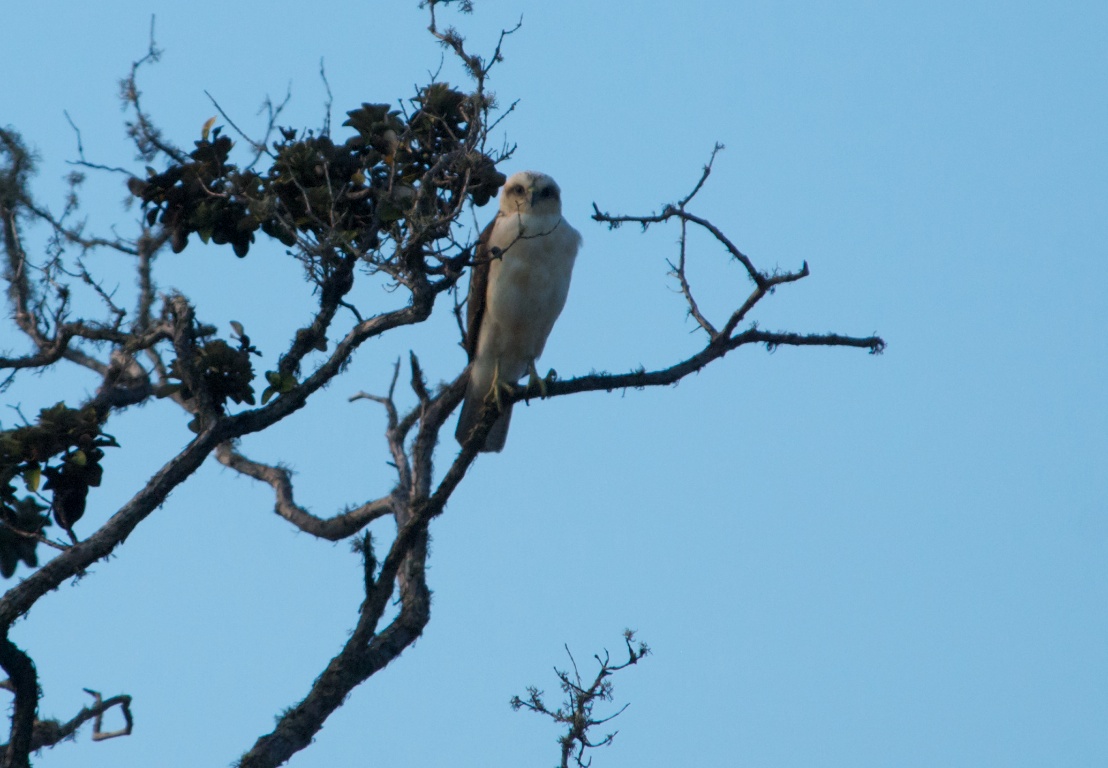
Hawaiian Hawk (Juvenile), Volcano National Park, Hawaii Big Island, Hawaii, United States
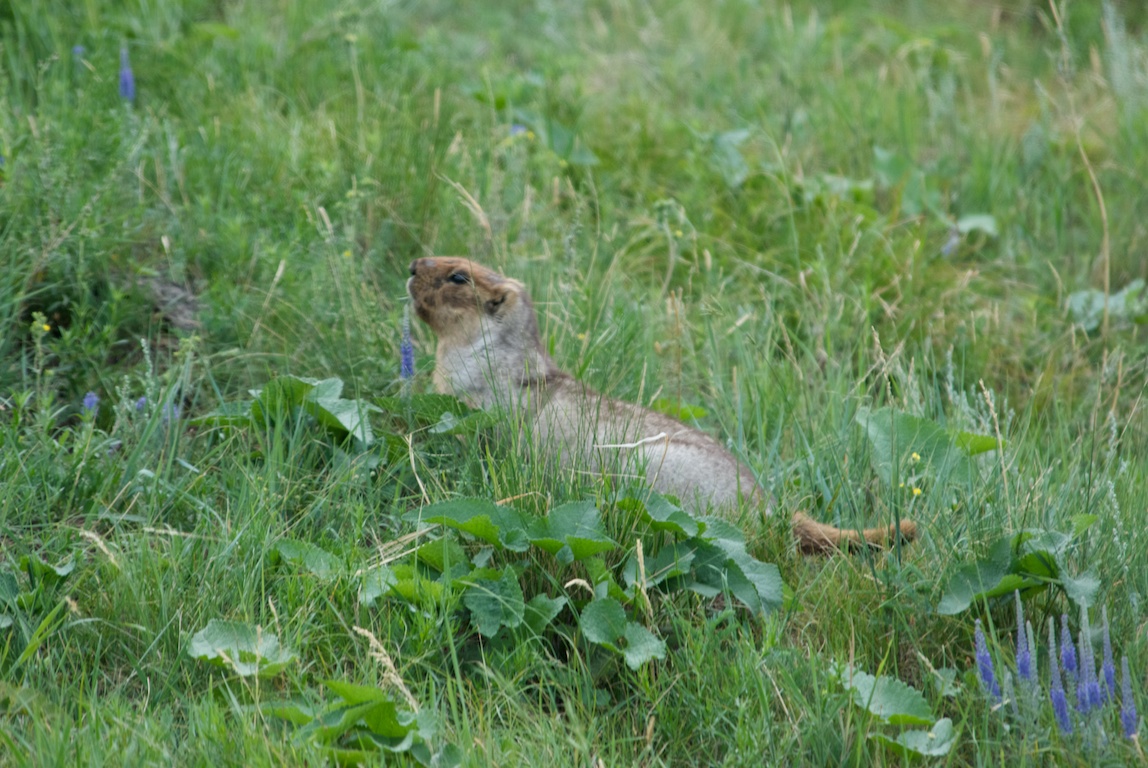
Siberian Marmot, Hustai National Park, Mongolia
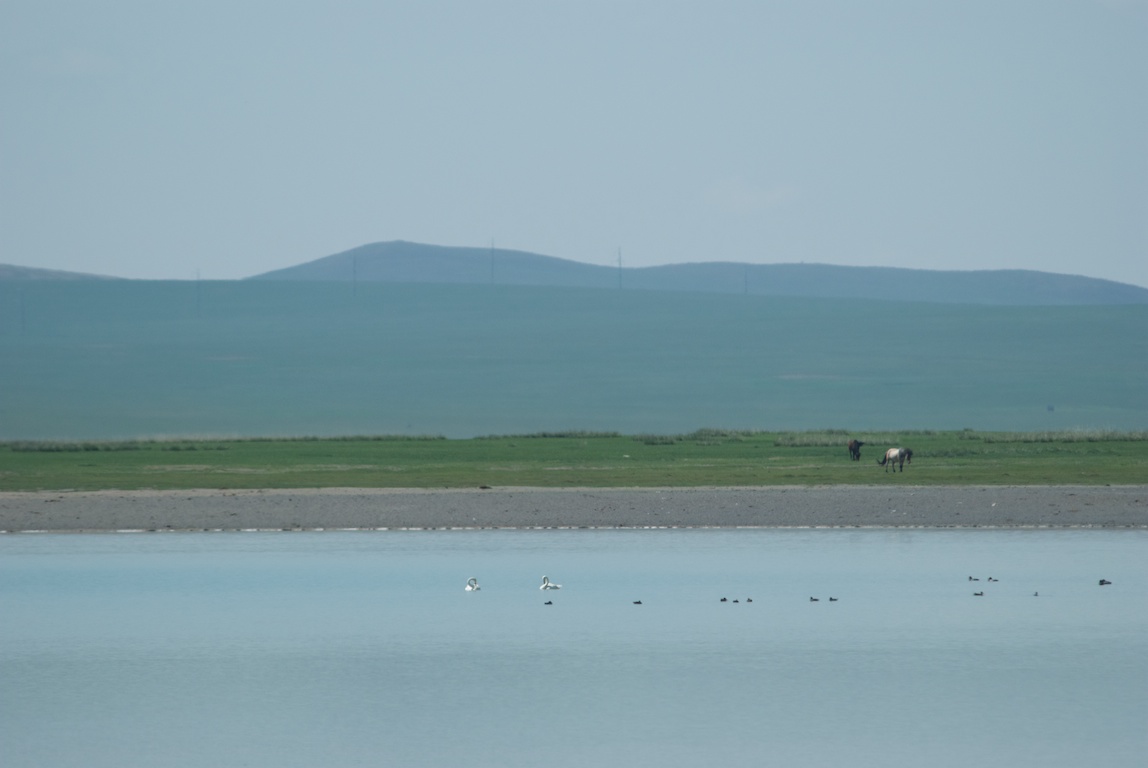
Whooper Swans, Gun-Galuut Nature Reserve, Mongolia
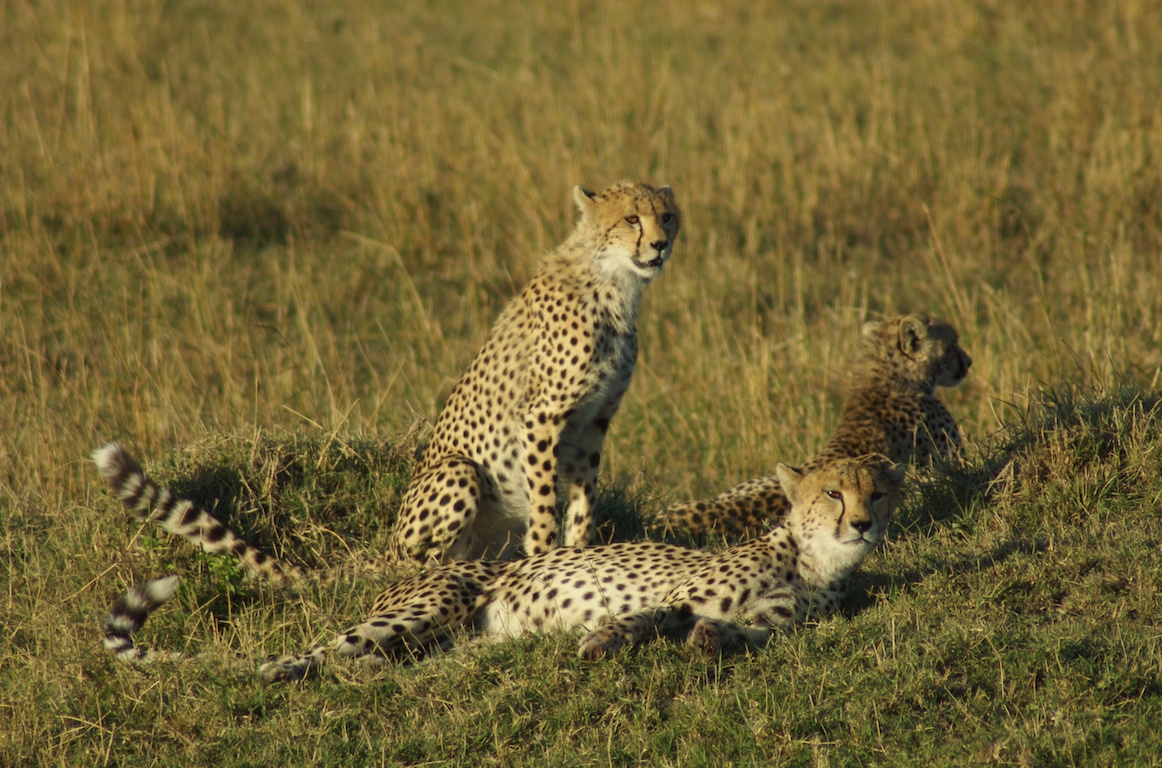
Cheetahs, Masai Mara, Kenya
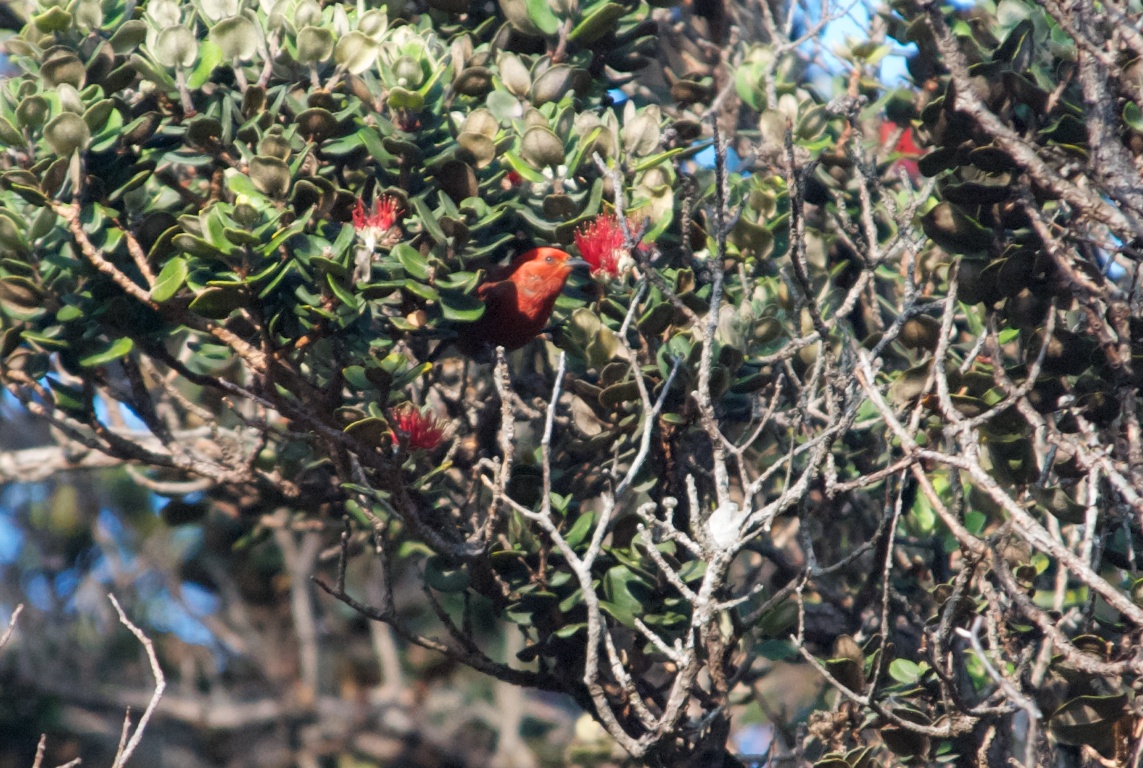
Apapane, Hawaii Big Island, Hawaii, United States
Trumpeter Swans, Yellowstone National Park, Wyoming, United States
Cinereous Vulture (Juvenile), Baga Gazriin Chuluu Nature Reserve, Mongolia
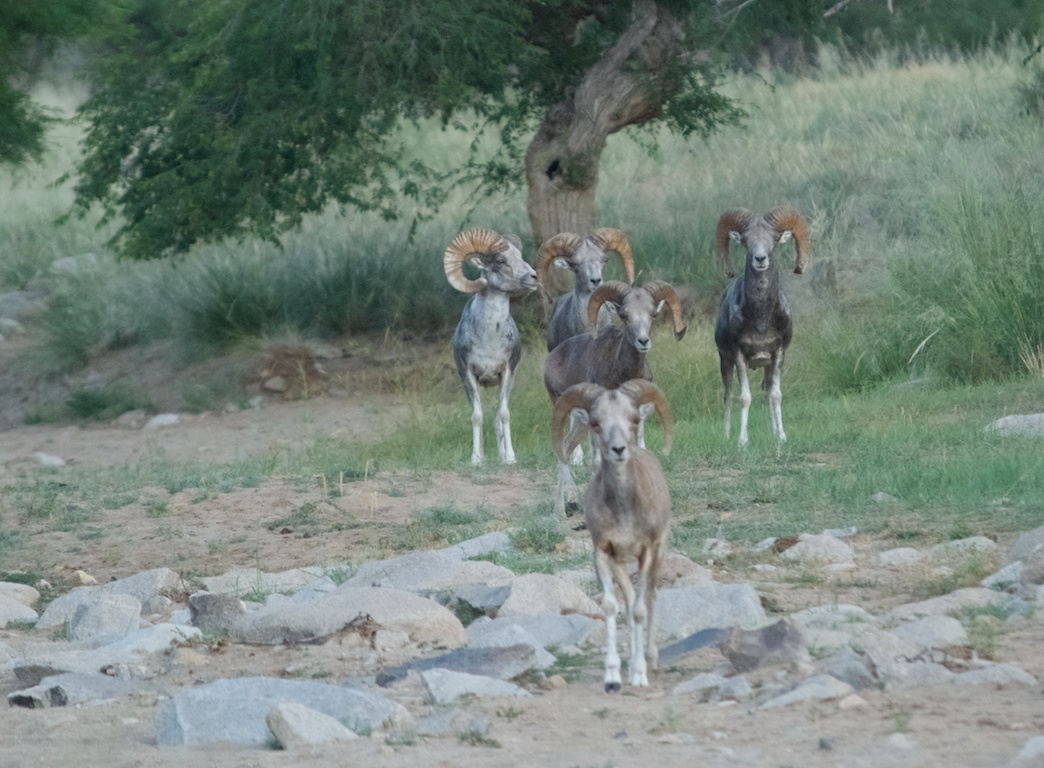
Argali, Ikh Nartiin Chuluu Nature Reserve, Mongolia

“Takhi Stallion, Hustai” Accepted Into Art Of The Animal XVI!

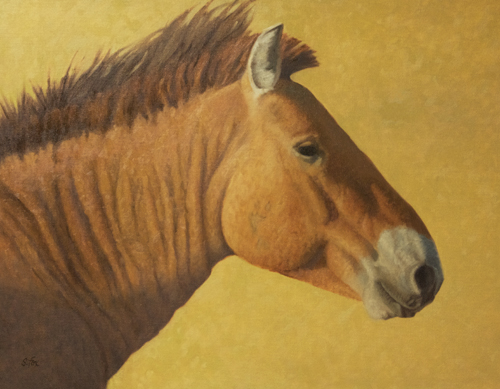
Takhi Stallion, Hustai oil 22x28"

This is the fourth time I’ve gotten into Art of the Animal, a prestigious national juried show held each year by the Bennington Center for the Arts in Vermont, and the second time with Mongolian subjects.

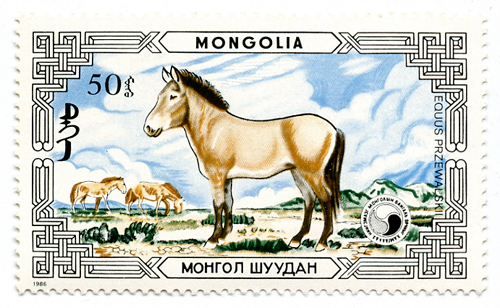
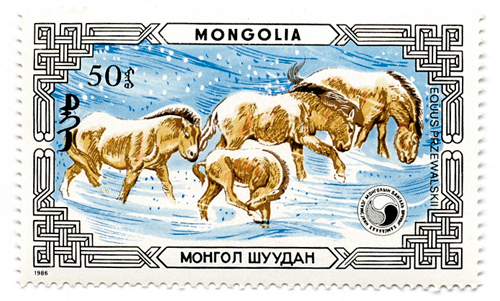
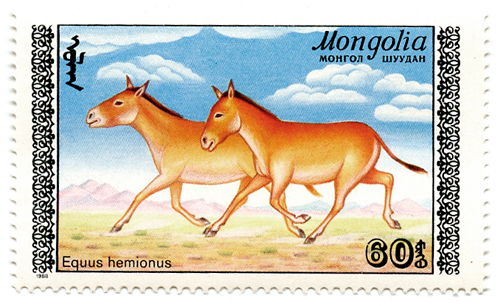
Mongolia Monday- Mongolian Postage Stamps, Part 4; Takhi And Khulan

Concluding this series on postage stamps for now, today’s post features the two native equids of Mongolia, the takhi, traditionally known in the West as Przewalski’s horse, and the Khulan, one of a number of species of wild ass.

Takhi are the only remaining species of true wild horse. What Americans call “wild horses” or mustangs are really, simply, feral domestic horses. The two species diverged around 500,000 years ago, so the takhi is not the ancestor of modern horses, nor have any ever been successfully tamed, other than a few instances where a young horse was taught to tolerate humans riding it for a short time. The last wild takhi was a stallion seen in 1969. Captive animals started to be reintroduced to Mongolia in the early 1990s. Being a horse culture, the Mongols are very pleased to have takhi in their country again. And it’s not a surprise that they have been featured on a set of postage stamps.

Khulan are also known as the Mongolian wild ass. Their survival is threatened by habitat reduction and they are also subject to poaching. Not a great deal is known about their behavior or even their total numbers. However, there is an organization, started by a French researcher who is a friend of mine, which carries out the research needed to learn about the ecology of the animals and what their survival requirements are. You can find out more about her project here.

Unlike the takhi, which is a grassland species, the khulan live in the arid environment of the Gobi.