New Website And A Very Special Endorsement

We've had a friend from New Zealand visiting for the past couple of days, which is why this post is a little late. He wanted to see redwoods, but he also got an eyeful of our local Roosevelt elk, including this big bull who was grazing right next to the road in Prairie Creek State Park.

It’s live! My new website is up and running! I built it on a newish application called Sandvox, which I highly recommend. Nice choices for templates, WYSIWYG interface, fast publishing of updates and good communication from the company, which is based in San Francisco. I think that artists who are looking for something beyond the cookie-cutter fine art template sites ought to check out this product. It also looks like they are very receptive to suggestions for improvements and features, so there may be an opportunity to nudge them in the direction of doing things that would make their product even more attractive to artists.

I love the control I now have and, while I do pay for web-hosting, the existence of my site is not dependent on anyone else, a lesson I’ve just learned from my experience with GoDaddy after they cut off my access for 24 hours, which just coincidentally happened to coincide with the Strike Against SOPA.  The fine art template sites all seem to charge for their services and besides really disliking their pedestrian template choices, who needs a monthly fee just to have a website?

Sandvox costs $79.99, ok, 80 bucks. I just downloaded the latest upgrade, which was free. You can also download a free trial version to test drive it.
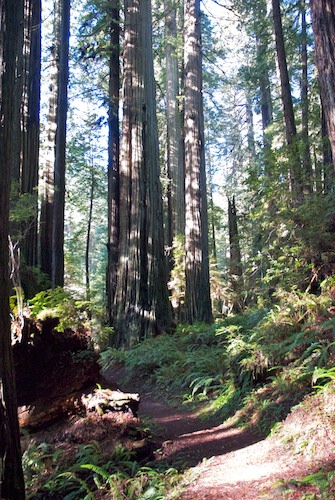
Redwoods in Prairie Creek State Park. When I was a kid I though everyone got to go camping in places like this.

In other news, I recently received this endorsement from Todd Wilkinson, the Editor of Wildlife Art Journal:

“What catches my eye with Susan Fox’s work, inspired by her travels to Mongolia, is her aesthetic, her craving for adventure, her way of naturalistic interpretation that reads, visually, like a beautifully-illustrated field journal.  Susan’s paintings in oil speak of exotic people, animals and outposts set in a distant mythical corner of the world—an ancient kingdom synonymous with Genghis Khan, yet today a modern country surprisingly still unexplored by Western artists. Fox may be the only American animal artist who has devoted so much to Mongolia’s mountains, deserts and steppes. And that’s precisely why her work is more than decoration; it sparks conversations.

I salute art that tells stories—that upon each encounter with a painting or sculpture you realize there’s another narrative layer waiting to be explored.  This involves something that goes beyond the technical virtuosity of an artist or the way light falls upon a piece; it gets, instead, to the reason why some art possesses soul.  Whether she is interpreting traditional Mongolian horse culture, celebrating Argali (bighorn) sheep, or taking us off to the  East  African savannah (yet another destination on Fox’s map of travel), we know we’ve been on a journey to someplace special.  Susan Fox endeavors to set herself apart and it shows.”

Todd Wilkinson, Editor, Wildlife Art Journal

THANKS, TODD!

Mongolia Monday- Gun-Galuut Nature Reserve

We arrived at the Steppe Nomads ger camp at Gun-Galuut Nature Reserve with a broken rear spring on the Land Cruiser, not sure what this meant for the remainder of the trip. While Pokey and I settled in, Khatnaa got on his mobile phone and called the Nomadic Journeys’ office to sort things out. We got laundry done and took welcome hot showers.

That night, at dinner, Khatnaa explained the situation. He would need to take the car out to the tarmac road (13km on earth road each way to get to and from the reserve) the next afternoon to meet up with someone from UB who would bring the new spring out. Then it would have to be installed. How long? Half a day. Did we want the office to also send out a new guide and driver to finish the trip or would we wait for the repair? That decision took about two seconds….we’d wait and finish the trip together. In any case, Pokey and I weren’t sorry to have a break to simply hang around camp and relax.

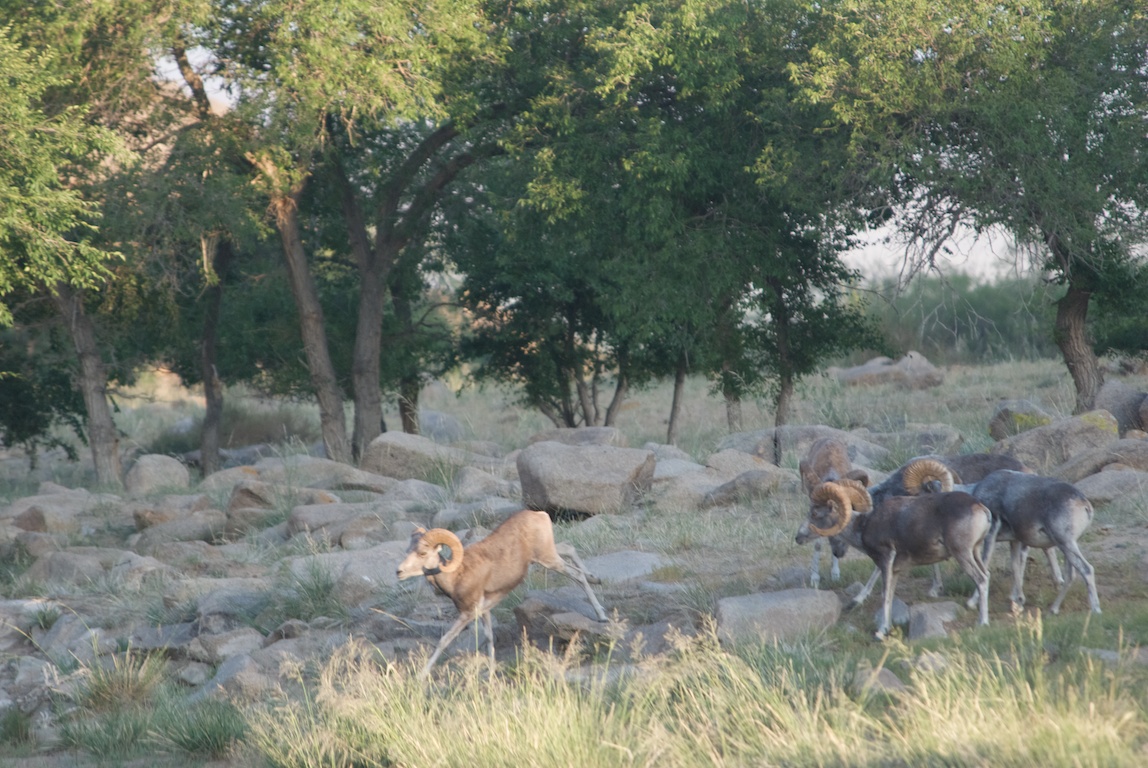
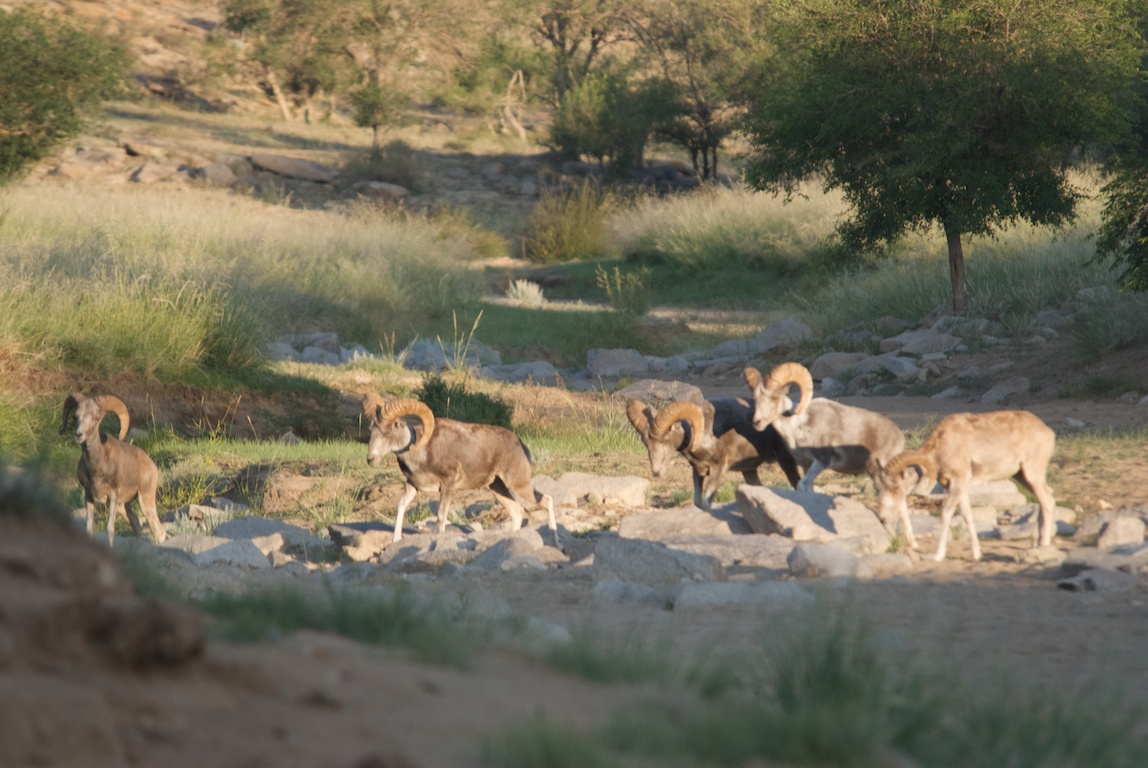
Khatnaa then said that the car was drivable, with care, and we would go out the next morning at 6am, which is exactly what we did. I was impressed by what he considered staying on “easy” roads. We parked and took a good, long hike down to where he thought we might see argali, which we spotted off in the distance almost as soon as we stopped to glass the mountain.

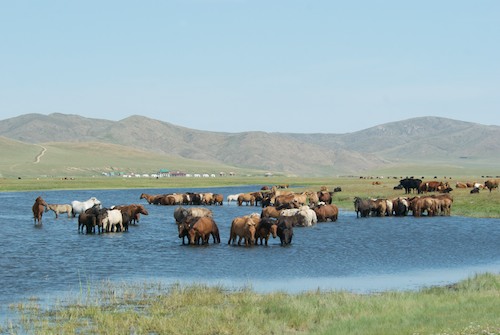
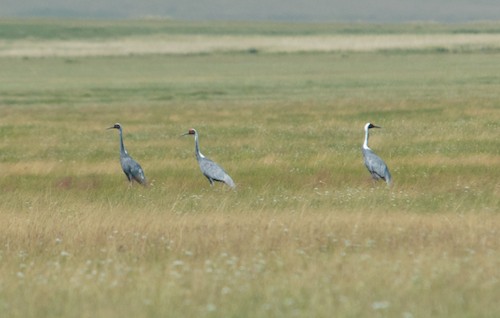
We also got great photos of a big herd of Mongol horses and cranes, but really had to dodge the mosquitos. Back at the ger camp around 1pm, Khatnaa grabbed a quick lunch and took off. To our surprise and pleasure he was back at 5:15, after having to replace BOTH back springs because the replacement was longer than the original one. Dinner was quite festive with beers all around.

We only had one day at Gun-Galuut, but it was a full one, packed with great scenery and animals.

Steppe Nomads Tourist Camp
Morning coffee in front of my ger in my comfy Mongol del and felt slippers
Early morning light along the Kherlen Gol with Baits Uul ahead on the right
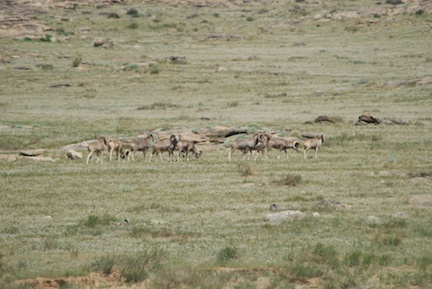
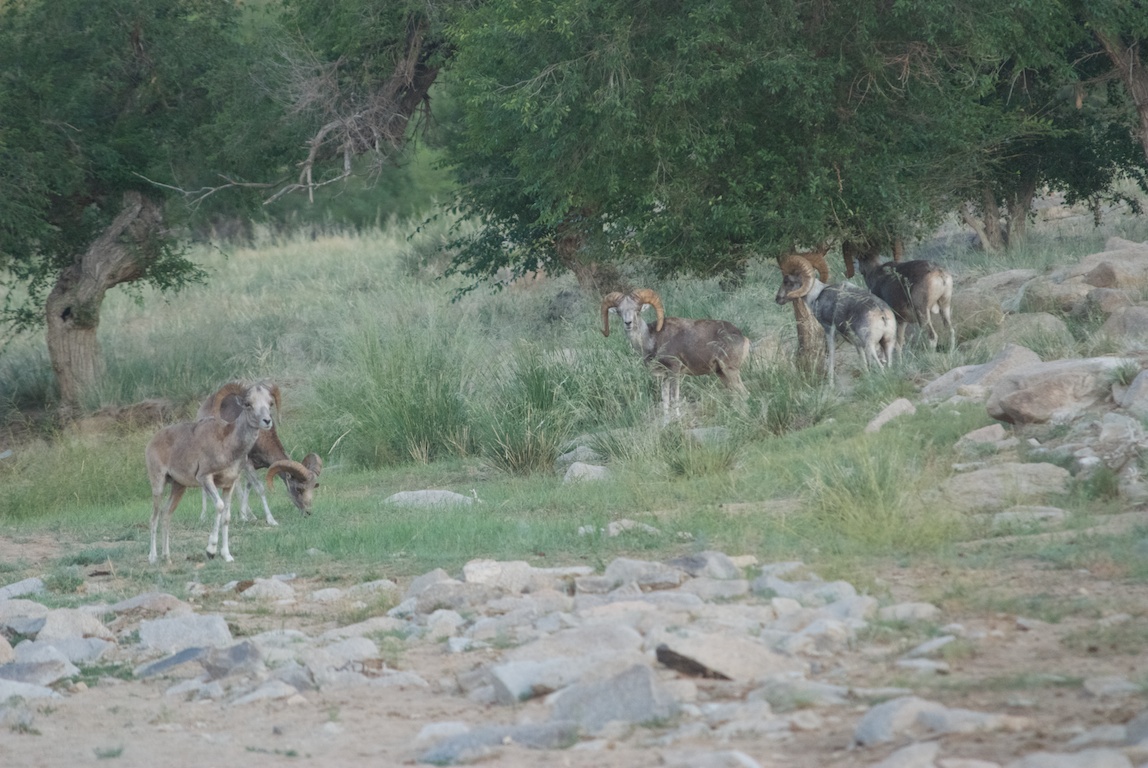
12-13 argali grazing; look in the middle among the shrubs for the white dots which are their rumps; why good binoculars are a must
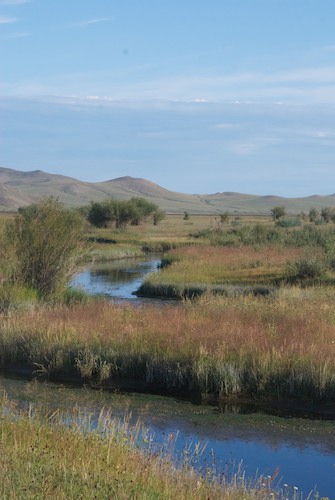
Riverside view
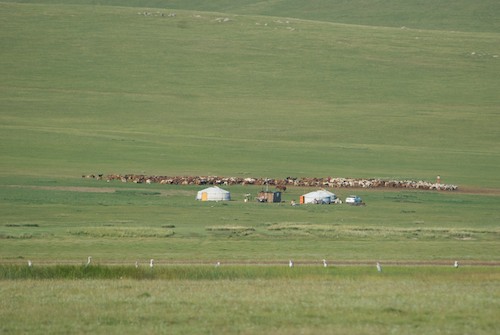
Local herder's gers with a line of grey herons in front
I believe this is a Japanese quail chick
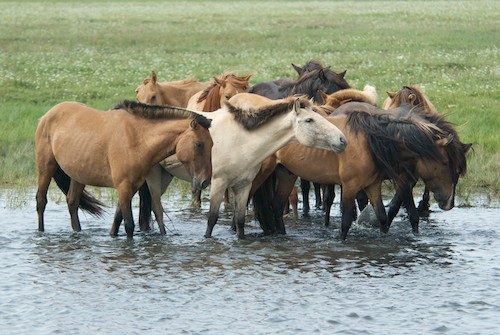
The horses we got great photos of, with the ger camp in the background; they were in the water to get away from the mosquitos
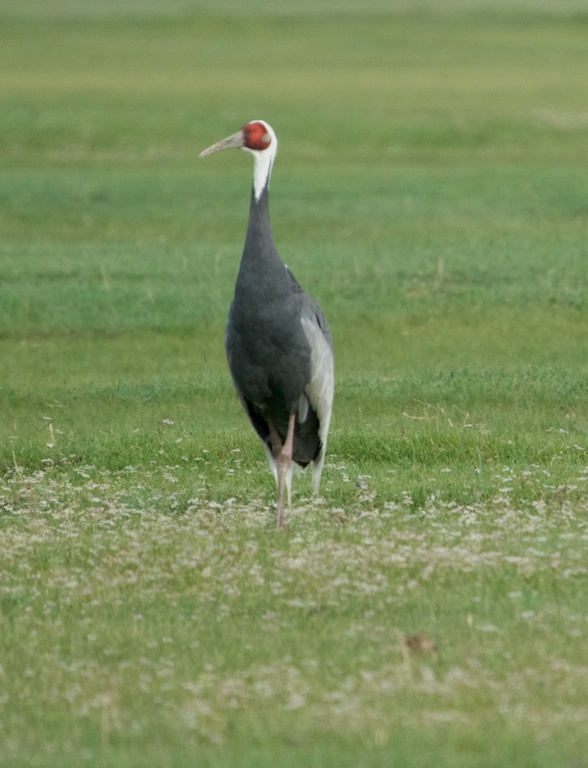
Endangered white-napped cranes
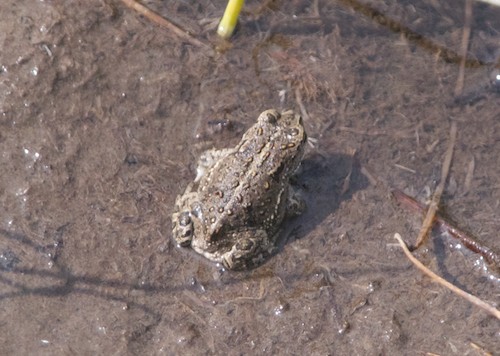
Small toad
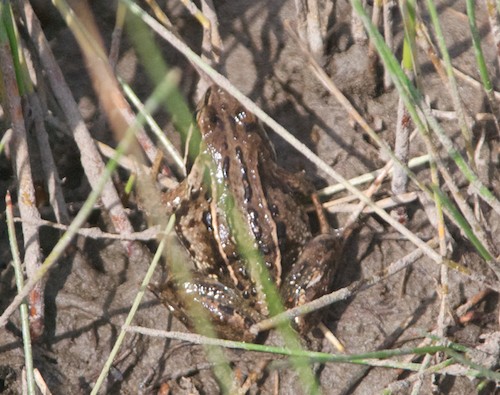
Frog
Wetland and mountain, with cranes
More of the horses; in the afternoon a breeze had come up which kept the mosquitos away, from us at least
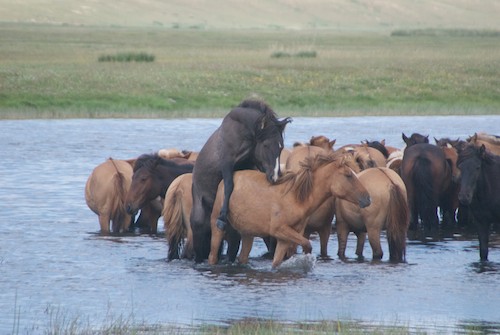
Sometimes the action got pretty hot and heavy
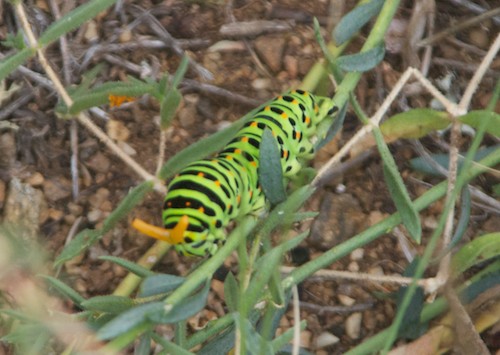
First time I ever saw a caterpiller in Mongolia

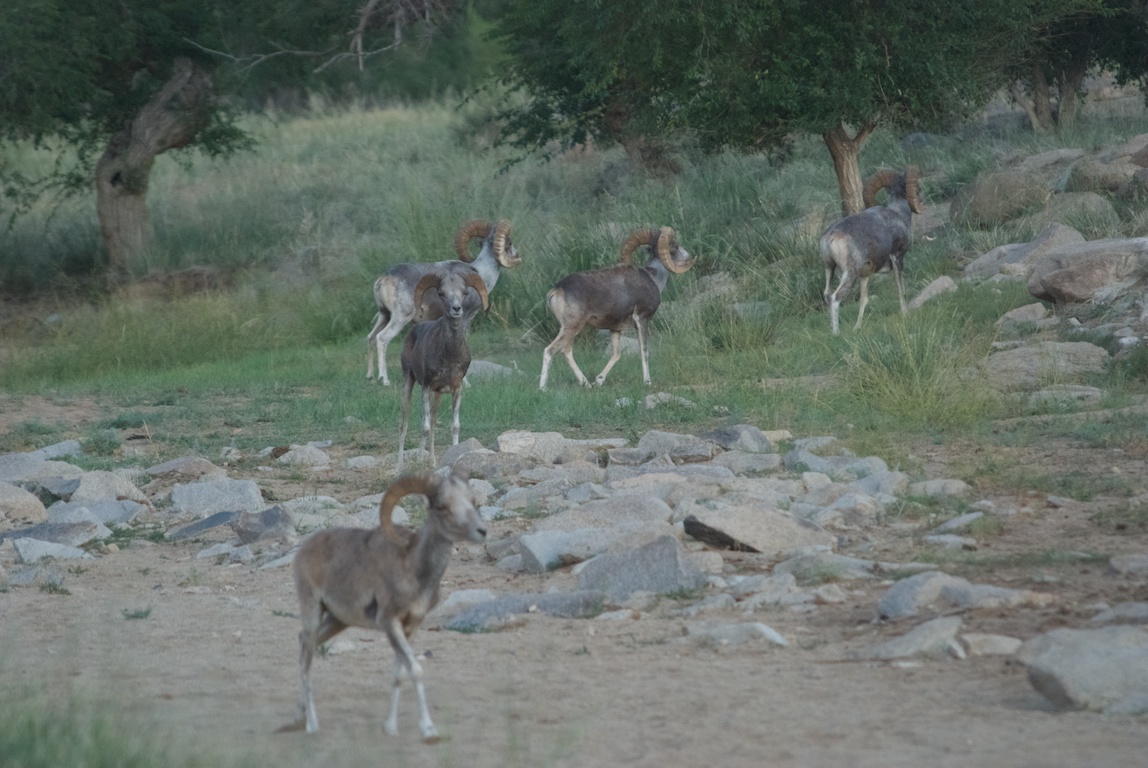
That evening Khatnaa told us that the next day’s drive wouldn’t be a long one, so we would go out into the reserve in the morning and leave after lunch. We went around the “backside” of the mountain, the side away from the river, parked in a draw, got out and almost immediately spotted four big rams running over a ridge to our right. I only was able to get a couple of butt shots before they were gone. But, within minutes, we spotted an argali ewe and lamb to our left. And then a large group moving up the draw directly in front of us, but a pretty long ways off. It’s estimated that there are less than 100 argali in Gun-Galuut, so we saw a fairly good percentage of the population in two tries.

Argali Ewe and lamb
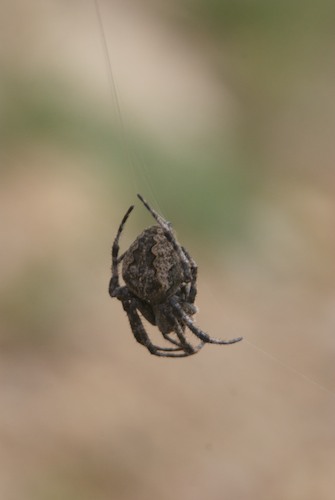
Good-sized spider

We drove to the next draw over where we hoped the argali rams had gone, but saw no one. Pokey wanted to do some sketching, so she stayed with the car while Khatnaa and I hiked up onto the mountain again. Coming around a ridge, the view opened up to the entire river valley. We found a couple of rocks to sit on and simply enjoyed the scenery for a half hour. It was so quiet, except for the occasional animal. No cars, no planes, no radios, no voices. Just. Quiet. One of the things I treasure about being in the Mongolian countryside.

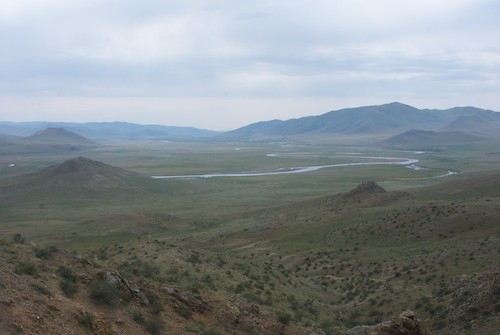
View of the Kherlen Gol valley, looking east
Of course I had to have my picture taken
Back down on the wetland, we spotted a whooper swan
A beautiful butterfly
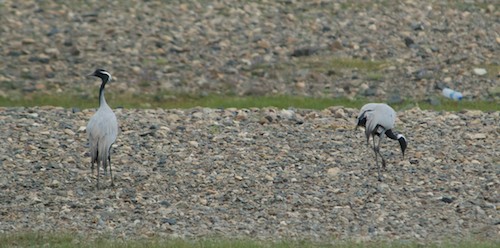
And on the other side of the river, a pair of demoiselle cranes
On our way out of the reserve that afternoon, we stopped by this small lake to photograph another whooper swan
This enormous coal mine at Baikhanuur is visible from the road to and from the reserve

Next week: Onward to Jalman Meadows in the Hentii Mountains

Mongolia Monday- Not MORE Argali? Four Great Days At Ikh Nartiin Chuluu Nature Reserve

Those of you who have followed this blog for awhile know that I’ve been going to Ikh Nart since my first trip in 2005. This time I had the pleasure of sharing the reserve with a fellow artist, Pokey Park.

Wildlife being what it is, one never knows what one will see on a given trip, or even if. But this visit exceeded our every reasonable expectation. For two of the four days, it seemed like we could hardly go an hour as we drove around the reserve without seeing argali, ibex, argali and ibex in the same place or cinereous vultures, a golden eagle or other birds. And we had sightings both other days, but not nearly as often.

The universe being what it is, on our way out of the reserve we drove through one of the areas where we had had multiple sightings of argali and ibex the previous morning and saw not a single animal.

We stayed at Nomadic Journey's Red Rock Ger Camp
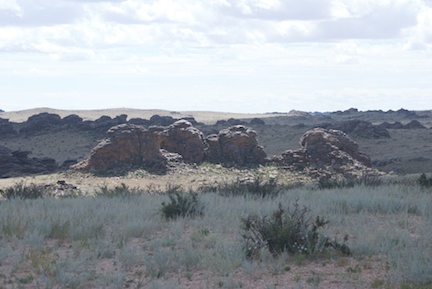
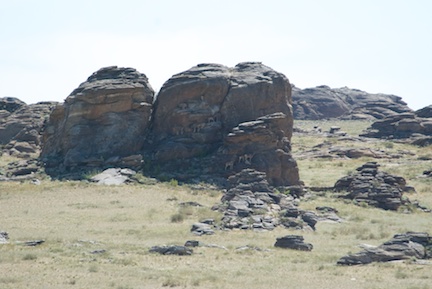
Ikh Nart landscape
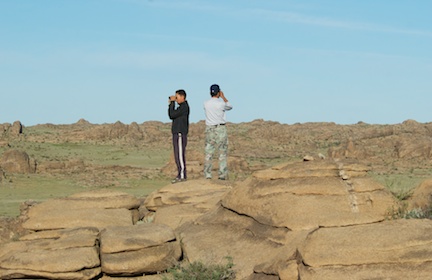
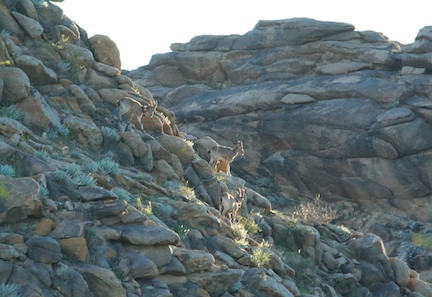
Scanning for argali and ibex
But I was the lucky one who first spotted a single ram, who then joined up with a big group making ten all together. What a sight they were!
We maneuvered through the rocks, caught up and re-sighted them three times
They've seen something, we had no idea what
Golden eagle
A herder's winter shelter for his livestock
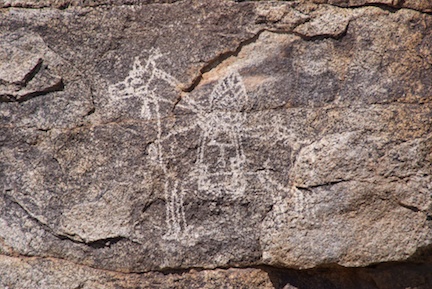
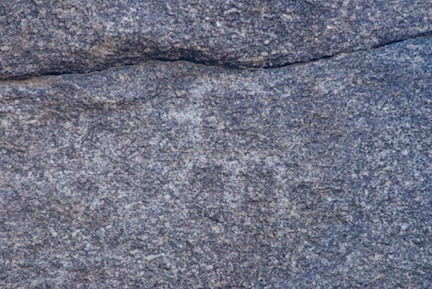
One of the pictographs on the rock cliff
We went to the valley where the research camp is located and got great sightings of a large group of ibex
And for a bonus, a beautiful sunset
We also were able to follow this group of ewes and lambs
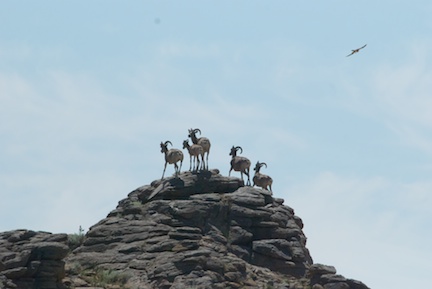
How many sheep can you see?
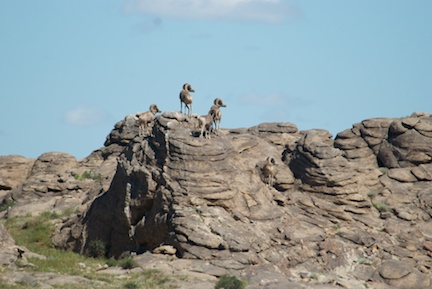
They are totally at home in these rocky uplands
Black kite
We drove south to see the pictographs and Tibetan inscriptions on the cliff in the background
Pokey helped fill the troughs; it's a Mongol tradition that passersby will fill them if they are empty
Ibex pictograph; researchers have just started to catalog and study the cultural resources of the reserve, of which there are many
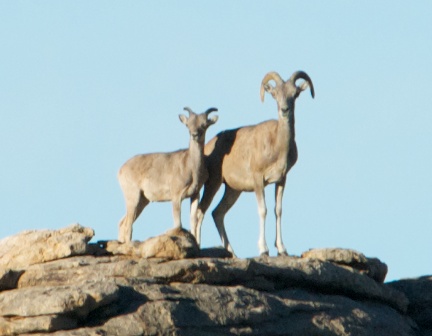
Argali ewe and lamb
Argali ram

Next week, it’s on to Gun-Galuut Nature Reserve.

Mongolia Monday- Real Mongolian BBQ (Boodog)

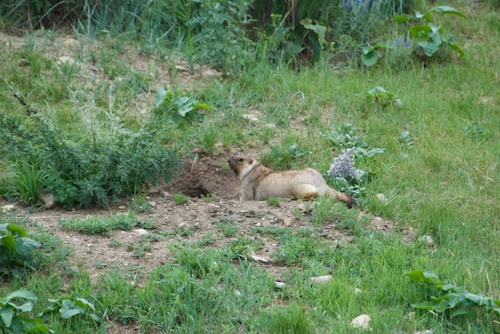
Siberian marmot in Gun-Galuut Nature Reserve, July 2009

Summer is here and I thought I’d present a photo essay on one of the most beloved foods in Mongolia….marmot. Say “tarvaga” to the average Mongolian and watch their eyes light up.

Unfortunately, the native Siberian marmots have gone from occupying the steppes in the millions to Endangered in just ten years, having experienced a 70% population drop.  The major contributor to this decline was a demand for the pelts by….the Chinese.

Hunting is still allowed during August and September, depending on population numbers, according the species listing in the IUCN Red List. Hunting can also be shut down if bubonic plague flairs up. It turns out that marmots in Mongolia are the source vector for the bubonic plague that hit Europe in the 1340s. The Mongols know that if they see a marmot behaving strangely, then it is likely that plague is present.

Marmots in Hustai National Park, May 2005

The cooking traditions surrounding marmot in Mongolia is the stuff of visitor legend. A number of the travel accounts I’ve read have an account of the preparation of marmot, always with a “and you won’t believe this, but….” tone.

I finally had my chance to try it last year. Since this was a personal extension of hospitality to me because they knew I liked Mongol food, I will allow my hosts to remain anonymous.

(Important note: if you are squeamish or think that meat starts out wrapped in cellophane, you may want to stop reading here. This photo essay will show the whole process from beginning to end.)

Any Mongols reading this are invited to add comments, stories, corrections in the comment section. This is accurate to the best of my knowledge, based on what I saw and was told.

Stove heating up rocks and marmot carcass ready to stuff
The meat is stuffed back into the carcass, along with the hot rocks, which will cook the meat from the inside; the cook made sure that the carcass was stuffed with rocks all the way down into the hind legs
Pounding the meat and rocks down into the carcass
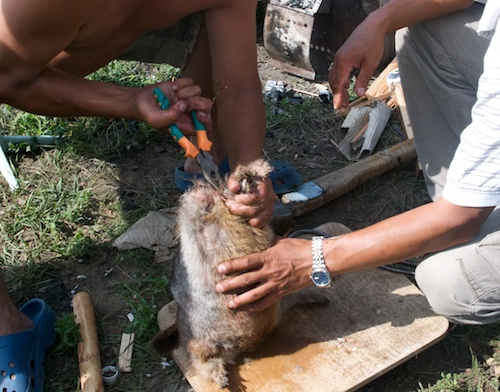
Closing the neck opening with wire
Then we all adjourned to this beautful spot by the river for picnic dinner
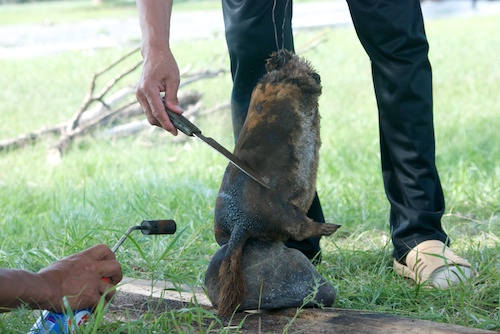
Now for the famous part: removing the fur with a portable torch
A helper scrapped the singed fur off and also the fat as it came to the surface
The next step was to wipe down the carcass with bunches of grass and then rinse and scrub it with water
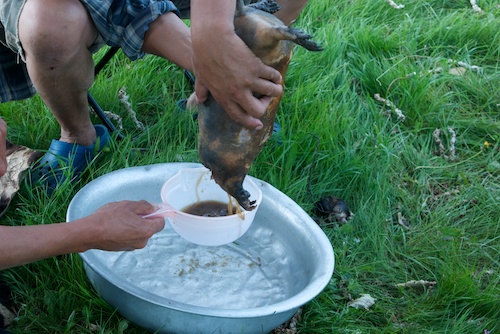
The neck wire was removed and the juice poured into a cup, which was then handed to me. I drank it right down and it was quite good
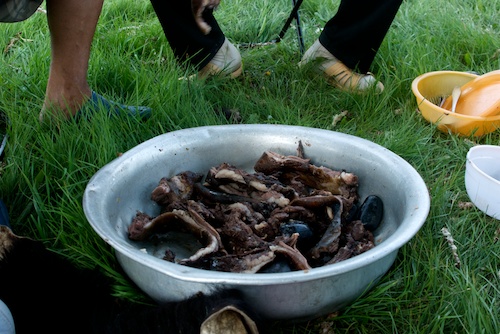
Then the carcass was split open to get at the chunks of meat; I was also given the tongue and it was good, too
Dinner is served
As is traditional, the hot rocks were passed around for health and good luck
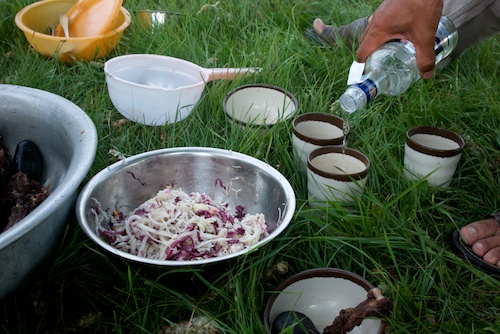
We also had cabbage salad, everything washed down with Mongolian vodka. We had been drinking airag, but my guide said that airag and boodog don't mix, so we switched to the vodka. Did I say I was having a great time?
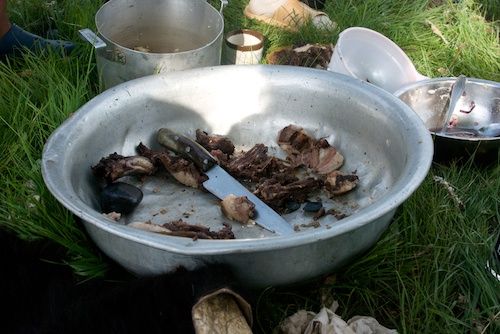
Not much left. I ate my share. Yes, it was good. Really good
Notice the back paw has four toes and the front paw has five; why this is true will be the subject of my next Mongolia Monday post

Fieldwork And Fun On The East Coast

I’m back from my latest trip, which was a great combination of work and play.

It started with being one of the jurors for the Society of Animal Artists‘ prestigious national juried show “Art and the Animal” which, along with the board meeting the next day, was held at the legendary Salmagundi Art Club, located on 5th Avenue in New York. And ended with a walk through the Great Swamp National Wildlife Refuge in central New Jersey

In between, there was a great road trip with fellow Society members and friends, Guy Combes and Andrew Denman. We had a jam-packed five days that included a visit to the Delaware Natural History Museum, Longwood Gardens, Assateague and Chincoteague Islands, the Ward Museum of Wildfowl Art, the Brandywine River Museum and the Great Swamp National Wildlife Refuge in New Jersey.

Here’s an album of the highlights:

First was Longwood Gardens, at one time a Du Pont family property.

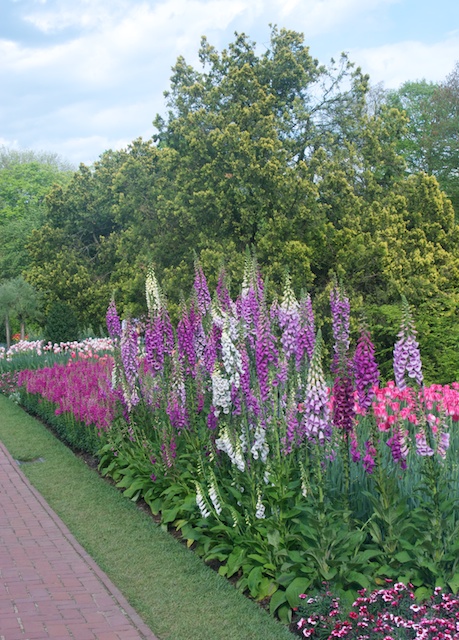
Longwood Gardens spring border with foxglove
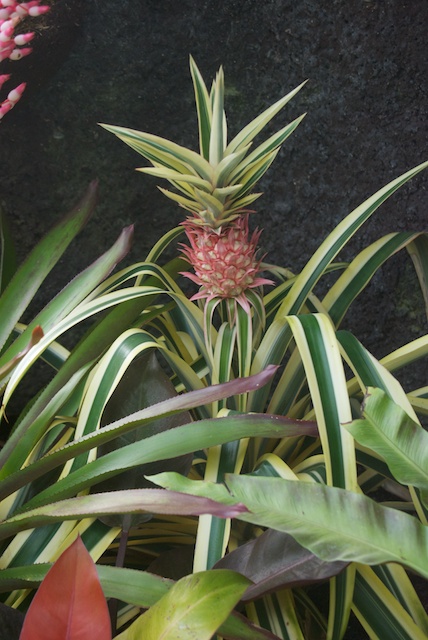
A favorite; Longwood Gardens varigated pineapple
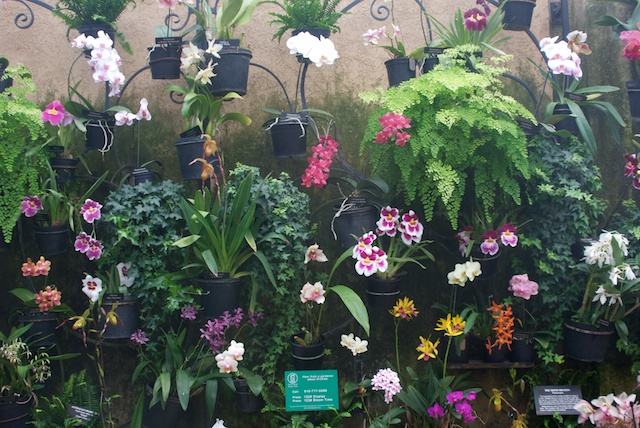
A wall of orchids at Longwood Gardens

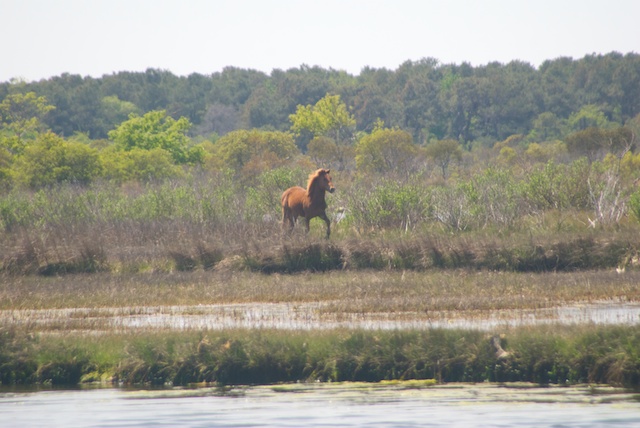
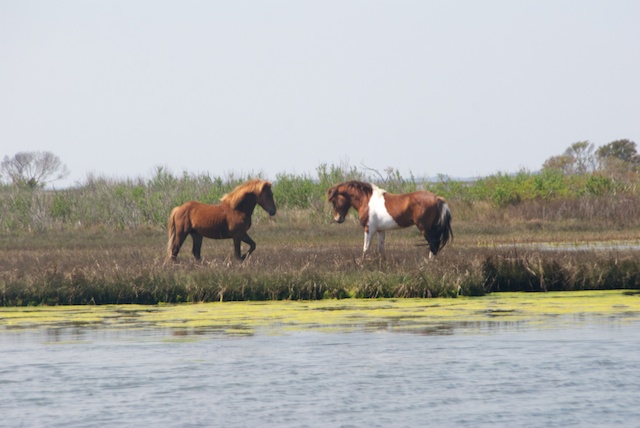
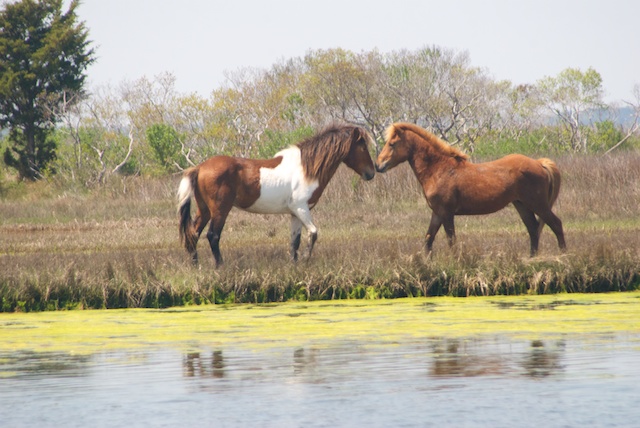
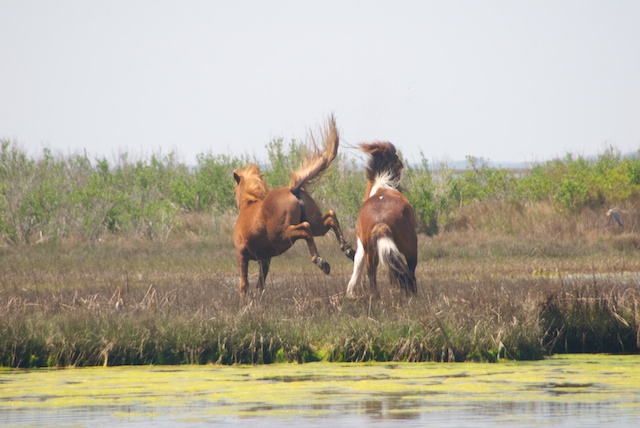
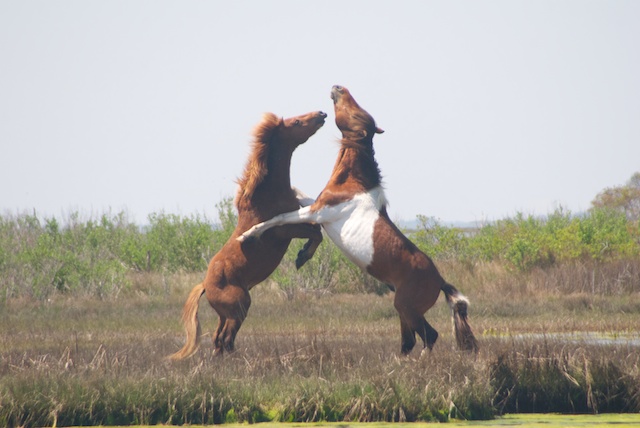
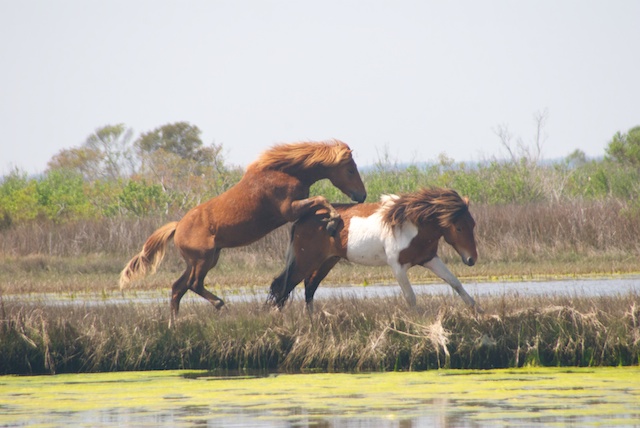
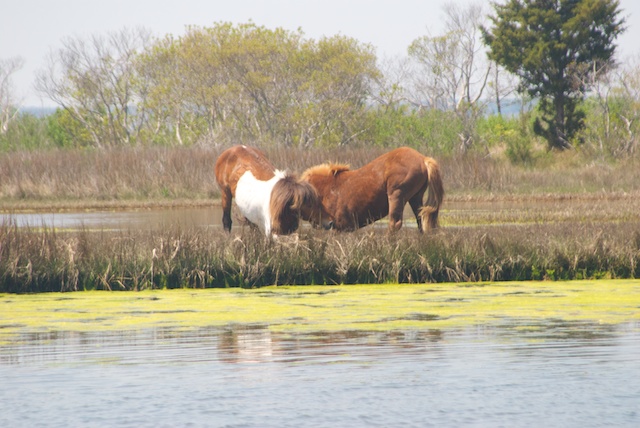
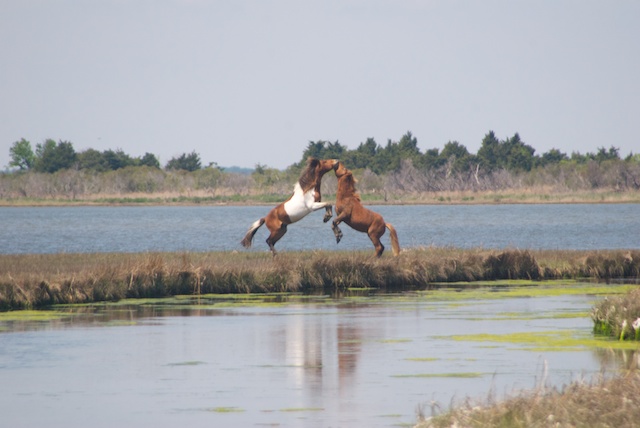
Then it was off to the Delaware coast where a comfortable condo had been put at our disposal. I had read “Misty of Chincoteague” as a child and was excited to finally visit both it and Assateague National Seashore, where we turned out to be in the right place at the right time to record this stunning encounter between two young stallions. It went on for at least a half hour and these are just a few of the hundreds of photos I shot, but it shows the pattern of interaction that emerged and was repeated at least a half dozen times.

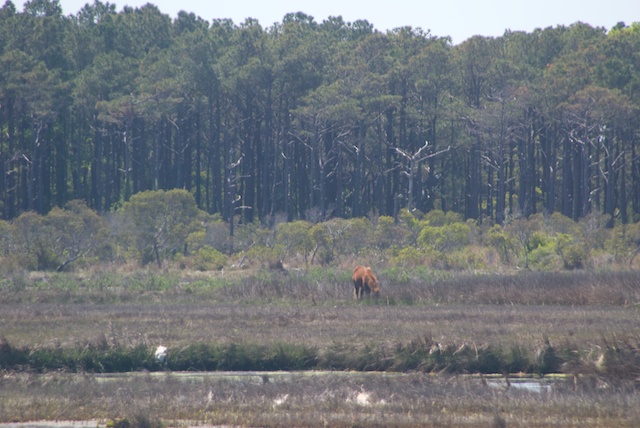
First we saw this chestnut horse grazing off in the distance
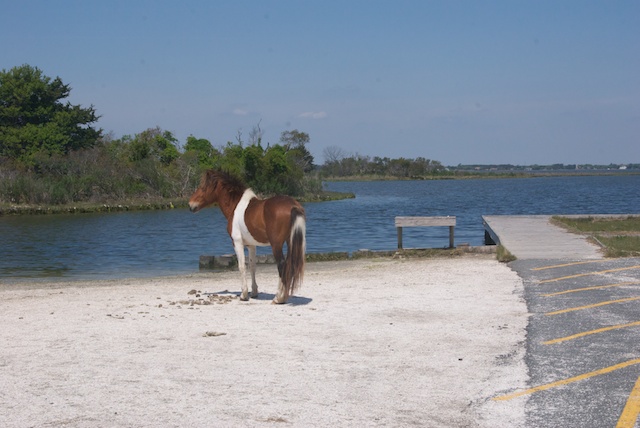
Then this paint horse came strolling down the middle of the road right past us
He walked out to the edge of the water
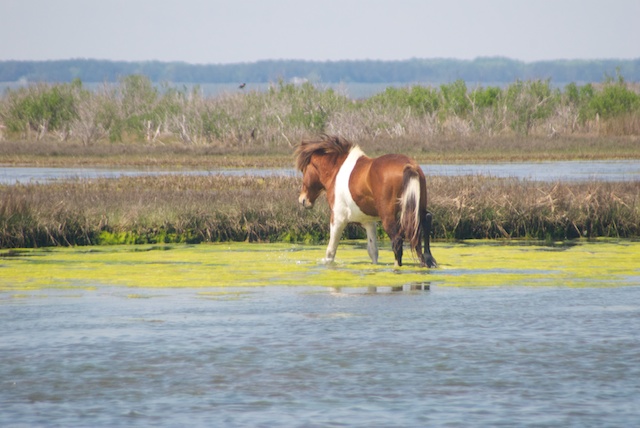
And waded across to the spit
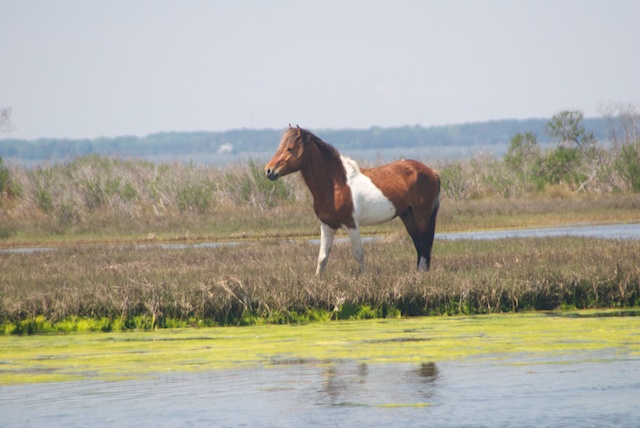
He winnied loudly a few times and then waited
The chestnut we'd seen earlier came at a fast trot
The two stopped and seemingly sized each other up
The meeting
The nose touch
A quick turn and a kick by one of them
Then they would rear up and "grapple"
Maneuvering for advantage
Both would go down on their knees head to head
And then it would start again
And it all happened in this tremendous setting of water and tideland

What an eyeful that was! We drove on, stopping to hike a number of trails, seeing a variety of birds and more horses.

From Assateague, we took a “detour” to Salisbury, Maryland to visit the Ward Museum of Wildfowl Art, which houses an incredible collection of hand-carved birds. Then it was back out to the coast to Chincoteague Island.

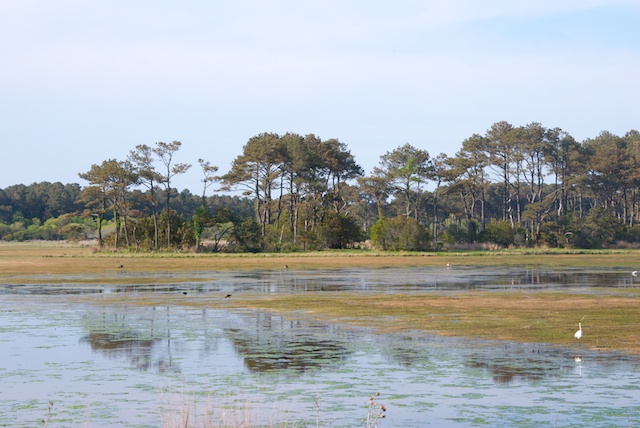
I was dubious at first, since the entry point to the island is a town that, although having lovely old buildings, was definitely a tourist destination. But I need not have worried. Once east of town and into the refuge, we were in a wonderland of scenery and wildlife.

The scenery was stunning
One of the highlights- multiple sightings of glossy ibis
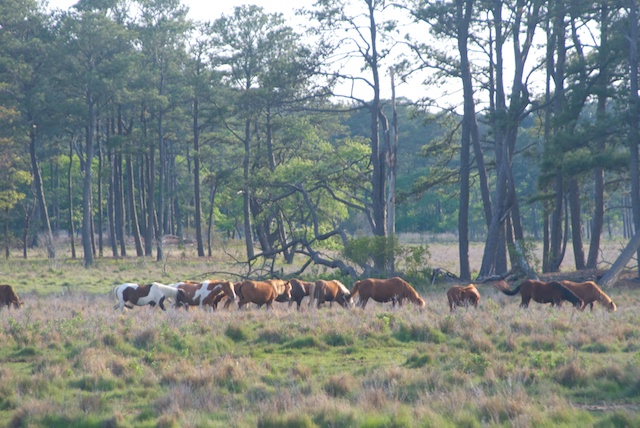
And of course there were the famous Chincoteague ponies
Out on the beach were large numbers of very entertaining Franklin's gulls
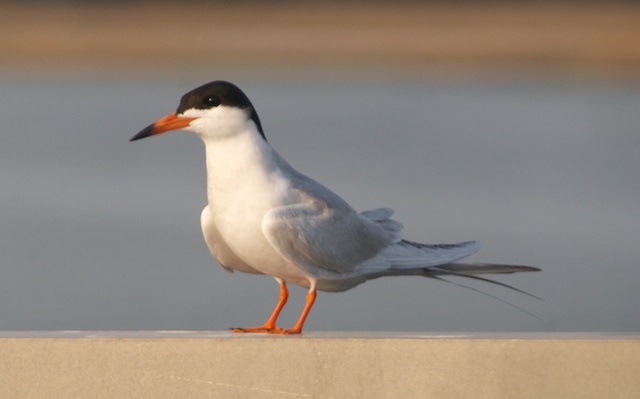
And perched on the causeway railing in great light was this, I believe, Forster's tern

The next day, after a visit to the National Gallery of Art in Washington D.C., Andrew had to catch a plane home, but Guy and I soldiered on, paying a visit to the Brandywine River Museum, home to an astonishing collection of original illustration by N.C. Wyeth, Howard Pyle and many other legendary illustrators, along with galleries featuring both Andrew and Jamie Wyeth. Very inspiring, to say the least.

The final wildlife stop on the trip was the Great Swamp National Wildlife Refuge in central New Jersey. Surrounded by rural residential development, it is essentially a bowl between the hills that collects water, forming rich swamp and wetland habitats. The main access is a boardwalk trail that winds through the swamp out to a large bird blind. But we were barely one hundred feet down the trail when the wildlife show began.

The Great Swamp
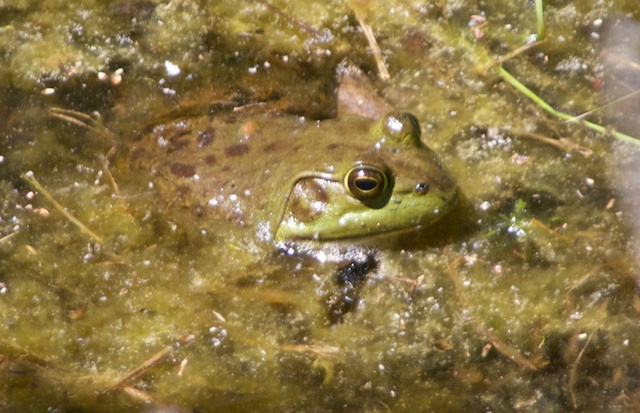
One of the first sightings, a green frog
Then we spotted two northern black racers mating right below where we were standing
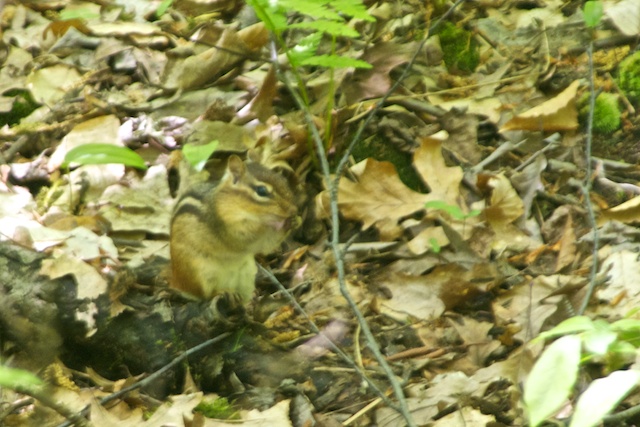
It was a bit of a challenge, but I did get a few shots of this chipmunk
For the finale, I got a good look at a snapping turtle

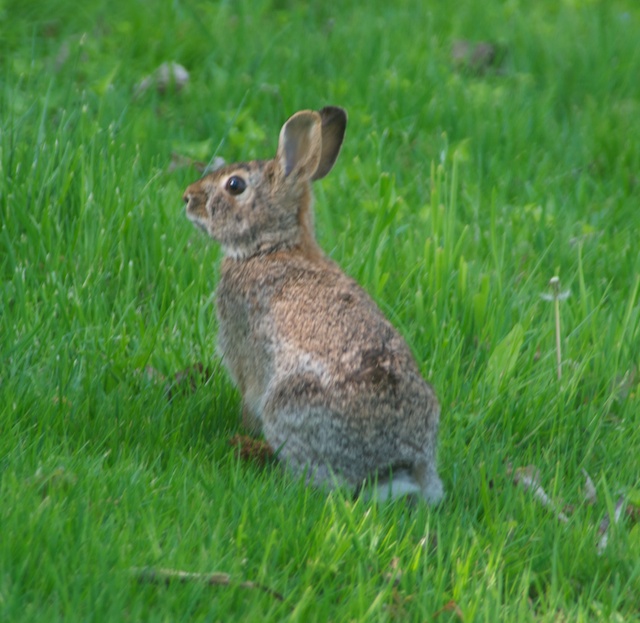
I spent the last night of the trip at the Hiram Blauvelt Art Museum cottage where Guy is the artist in residence, along with a groundhog and eastern cottontail rabbits. The groundhog managed to stay out of camera range, but I did get some good photos of the bunnies.

Eastern cottontail rabbit

Mongolia Monday- The Story Of A New Argali Painting, Part 1

I completed a major painting last week. It’s one I’ve been anxious to take on since I spent a hour with a group of five argali rams this past July at Ikh Nartiin Chuluu Nature Reserve. I was there for six days, staying in one of the gers and taking meals with the scientists and an Earthwatch team.

I’d gotten up at 5:30am, thrown on the clothes that I’d laid out the night before, hoisted my camera pack onto my shoulder, slipped out of the ger and began a slow, careful walk down the valley.

I had learned that the only water in the area was coming from a spring just a few dozen yards from camp and that argali were coming to the valley regularly in the morning and evening. Which was quite convenient, saving me a lot of walking around and clambering over rocks trying to find them.

I picked a spot and sat down in plain view, having been told that makes them less nervous than if you try to hide behind a rock. Took a look around through my binoculars and, within a few minutes, up on the cliffs to my right…

Morning "scouts".

As I watched them, wondering if anyone was going to come down, I had a feeling…and looked back over my shoulder to my left.

Less than 100 feet away.

How long they had been standing there watching me, I have no idea. Then they started to move towards the stream bed.

Oh, look, there's three!
Coming down the hill.

As I watched, the sun started to hit the tops of the cliffs. Would I get to see these guys in morning light before activity in the camp behind me spooked them?

Out into the valley as the sun comes up.

The first three crossed the stream bed to a small clump of trees. Two more rams had come down from the cliffs on the right. The Sunrise Boy’s Club was now in session.

Five rams hanging out.

There were three older adults with massive horns and two younger rams. The big guys were almost grey, their juniors a reddish-brown.

They browsed in the trees, did a little pre-rut testing (a future painting). And then….

Noise from camp. Oh, no.

But everyone settled back down. Except for this young one who decided to check me out, walking almost straight towards me. It made the others nervous at first, but they didn’t run.

It was a bit much for the three older rams.

I sat there in disbelief. For me, this is the grail of wildlife fieldwork: sitting out in plain view and having a wild creature choose to approach you.

He finally stopped and looked straight at me from about 30 feet away.

But I wasn’t so paralyzed with delight that I forgot to take pictures, getting the best argali head reference I’ve shot so far.

Returning to the group.

He finally turned and walked back to the others who, as you can see, are standing there, watching. I found myself running this little thought thread: “We didn’t get this old and big by being stupid. Let the young guy check her out.” And then imagining the adventurous ram, kind of like a young British officer, reporting back to his superiors. “No problem, sir. None at all. Piece of cake.”

I guess I was just part of the furniture by now.

But he wasn’t done yet. For a second time, he walked down the stream bed towards me.

Comfortable enough to put his head down and graze.

He finally rejoined the group. Suddenly they were up on their feet just as the light was starting to reach the valley floor. Oh, no! They’re facing the wrong way. Are they going to run up the hill?

Up on their feet.

Suddenly one of the young rams turned and bounded into the light. Yes!

Into the light. At last!

And everyone else followed, crossing right in front of me and occasionally stopping for a nibble.

A short pause.

But now I could hear movement in the camp. The group split up, two of the rams going up into the rocks.

One went right up the cliff face.

Three of them walked on down the valley in the bright sunshine.

Time to move on.

I looked behind me and saw one of the scientists from the camp. He walked past me. The rams kept moving, but never ran. It’s good they’ve learned that in this place they don’t have to fear people.

Last look.

The three finally made a right turn up into the cliffs, stopping, as argali often do, to take one last look.

On Friday, Part 2 will present a step-by-step post on the painting that came out of this wonderful experience.

An Earth Day Album Of 25 Endangered/Threatened Species I’ve Seen

It’s clear that one lesson we, as a species MUST learn, is to share. All of these animals have just as much right to be here as we do. As they go, in the end, so shall we.

I’ve never made a point, for the most part, of specifically seeking out endangered or threatened species to photograph for my paintings. But, as it’s happened, in less than ten years I’ve seen two dozen, plus one, all in the wild. Quite a surprise, really.

Sometimes they’ve been pretty far away, but that in no way diminished the thrill of seeing them. Close-ups in a zoo or other captive animal facility can be useful, within certain limits, but seeing a wild animal in its own habitat, even at a distance, is much more satisfying and gives me ideas and information for my work that I couldn’t get any other way.

In no particular order, because they are all trying to survive on this planet:

Takhi, Hustai National Park, Mongolia
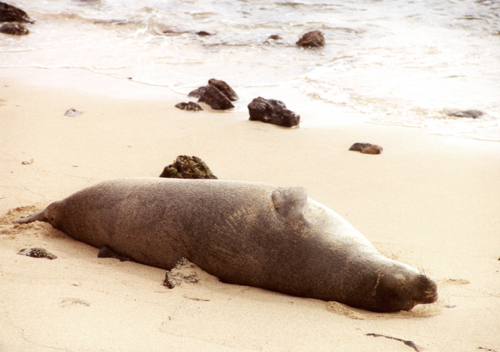
Monk Seal, Kauai, Hawaii, United States
Wolf, Lamar Valley, Yellowstone National Park, Wyoming, United States
White-napped crane, Gun-Galuut Nature Reserve, Mongolia
White Rhino, Lewa Downs Conservancy, Kenya
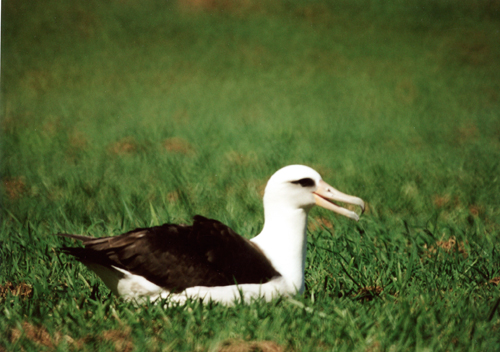
Laysan Albatross, Kauai, Hawaii, United States
Tule Elk, Point Reyes National Seashore, California, United States
Rothschild's Giraffe, Soysambu Conservancy, Kenya
Nene, Hawaii Big Island, Hawaii, United States
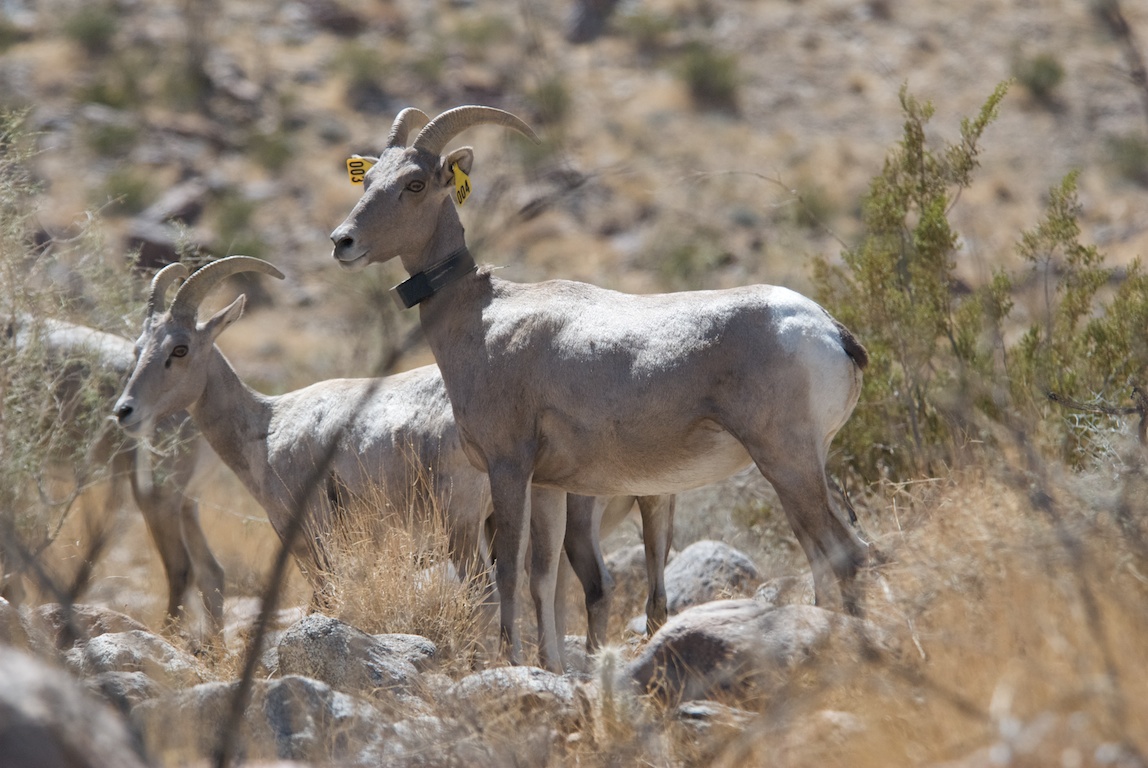
Desert Bighorn, Anza-Borrego State Park, California, United States
Grizzly Bear, Yellowstone National Park, Wyoming, United States (Bear 264)
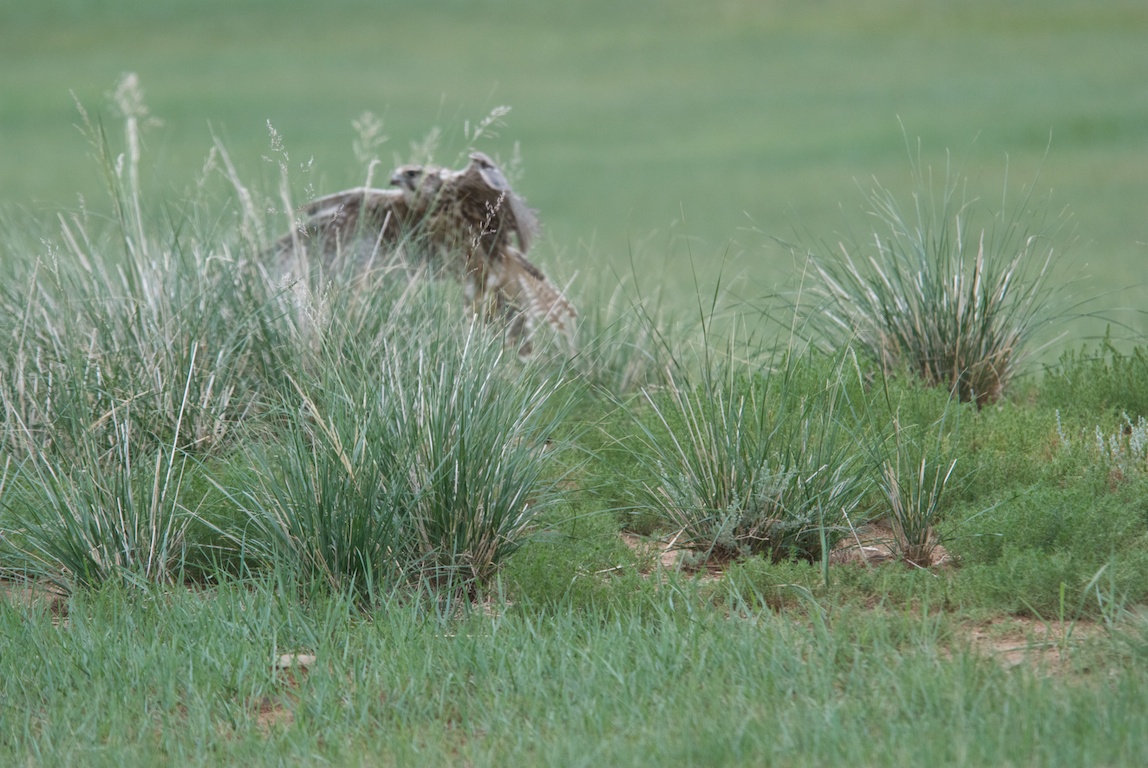
Saker Falcon, near Hangai Mountains, Mongolia
Green Sea Turtle, Hawaii Big Island, Hawaii, United States
Grevy's Zebra, Lewa Downs Conservancy, Kenya
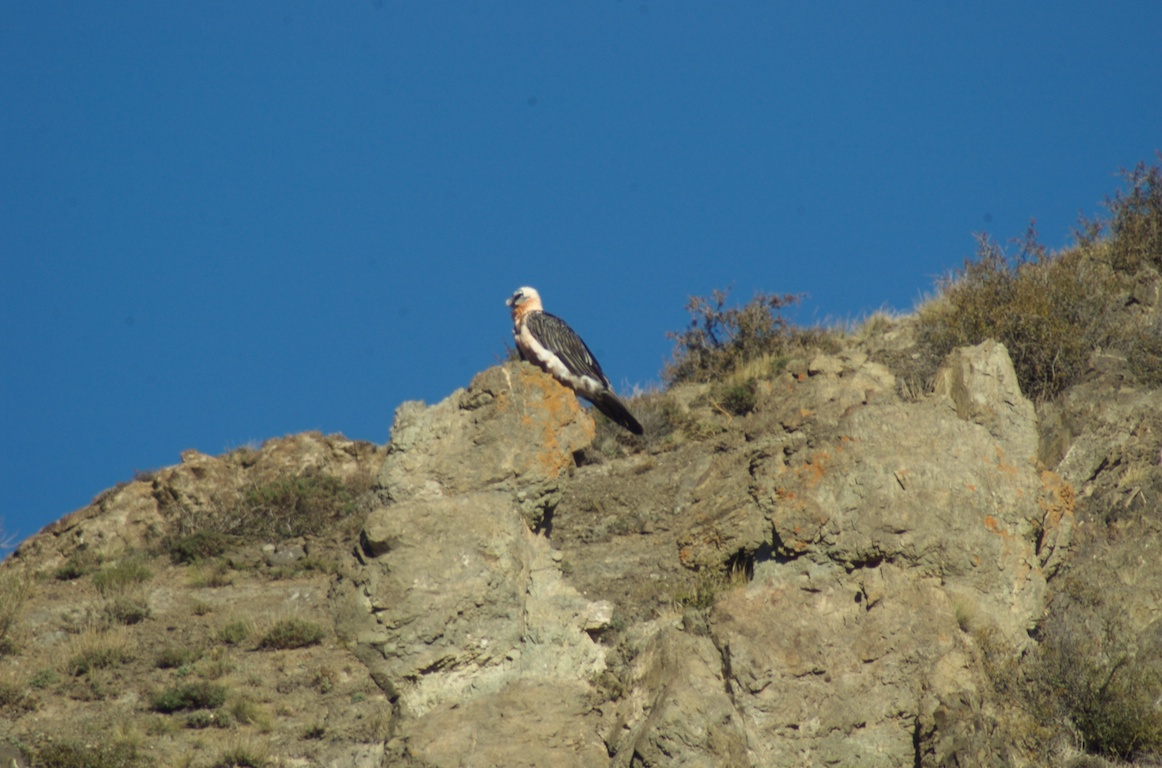
Lammergeier, Gobi Gurvansaikhan National Park, Mongolia
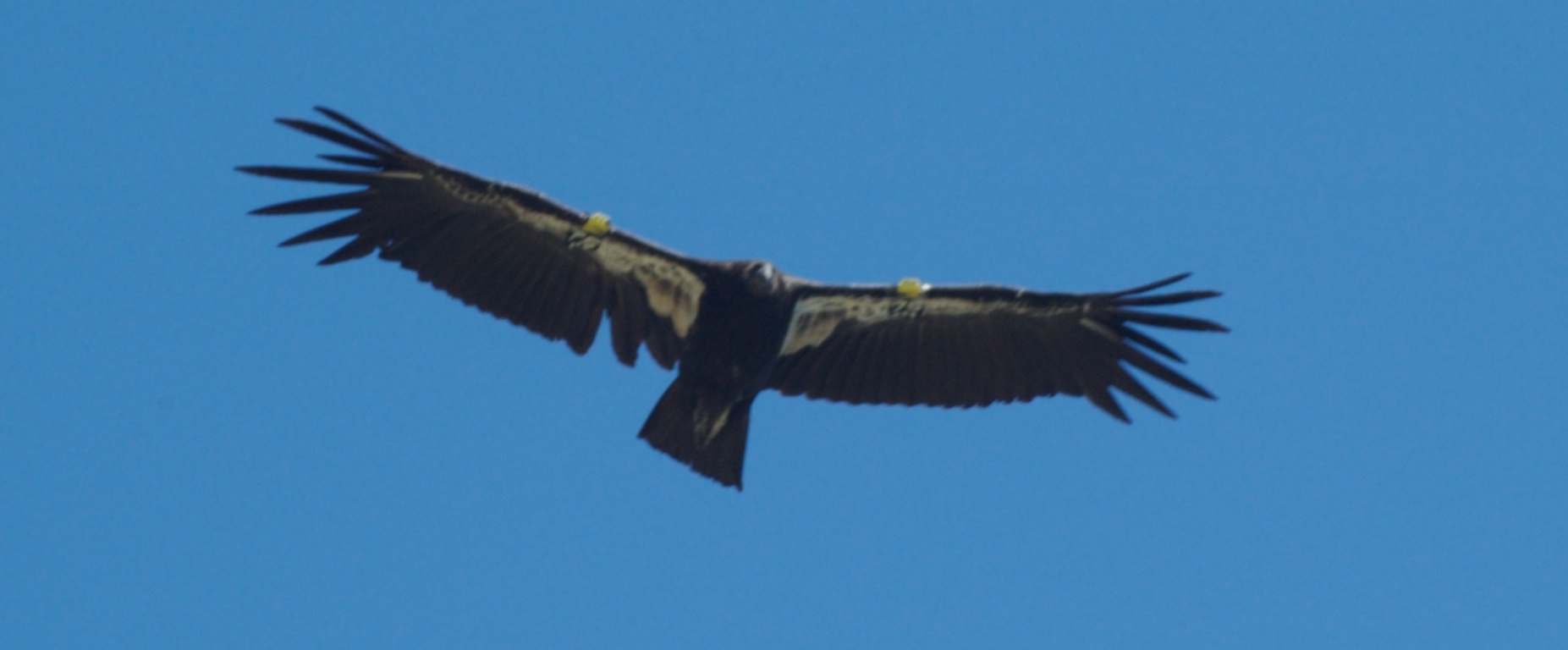
California Condor, Central Coast, California, United States
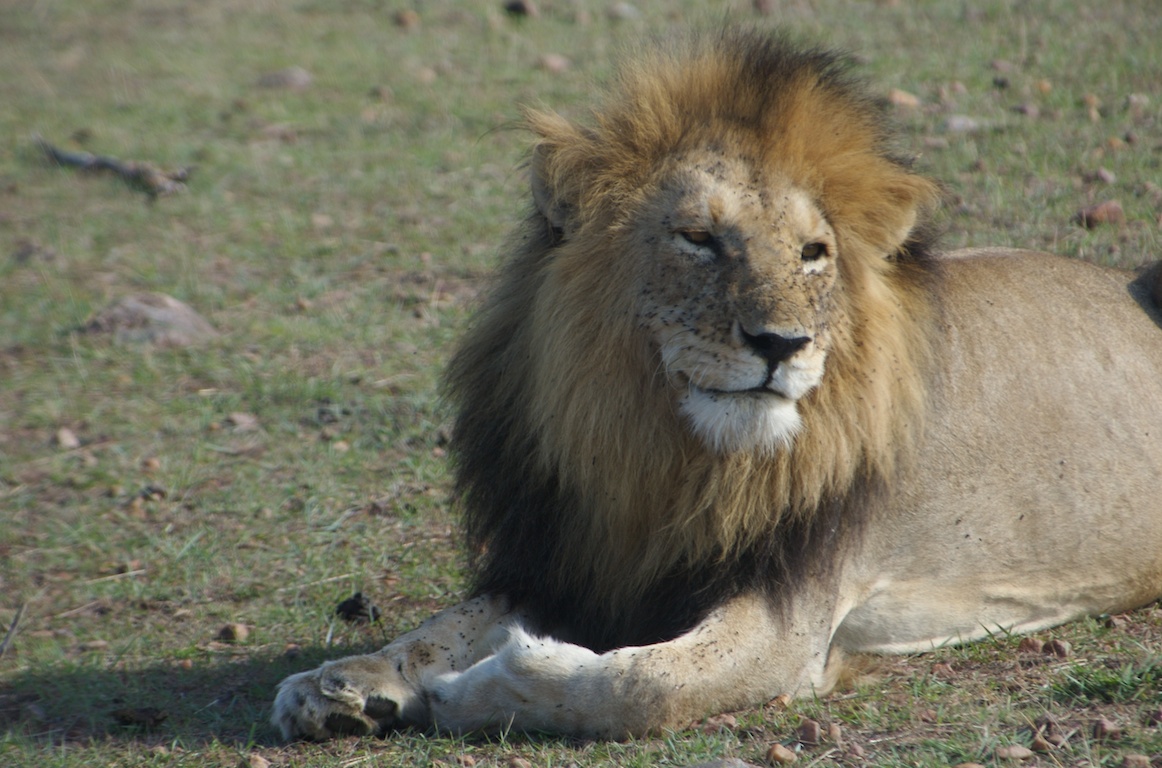
African Lion, Masai Mara, Kenya
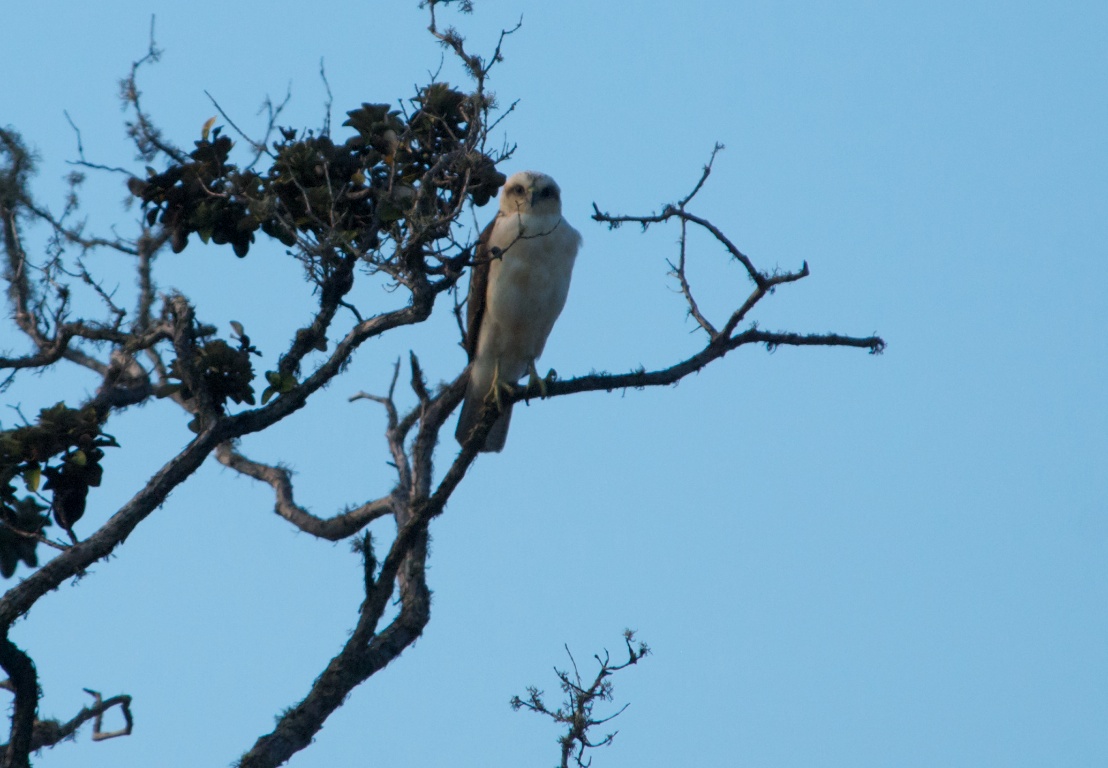
Hawaiian Hawk (Juvenile), Volcano National Park, Hawaii Big Island, Hawaii, United States
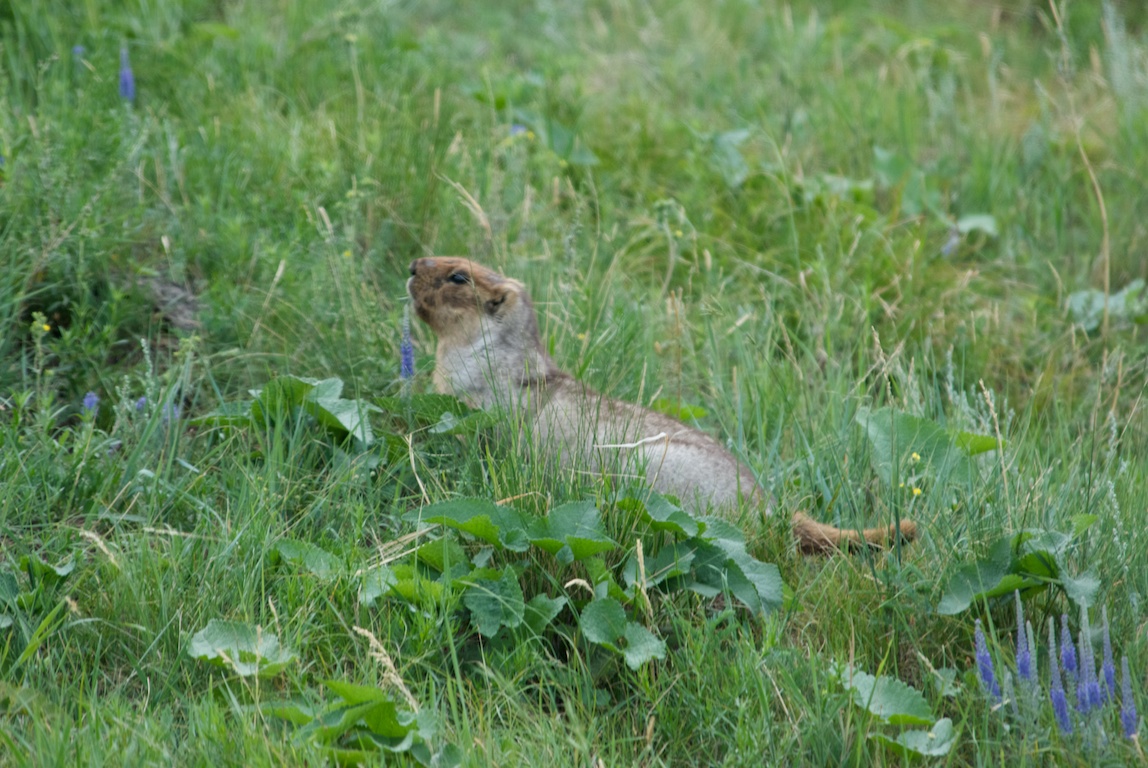
Siberian Marmot, Hustai National Park, Mongolia
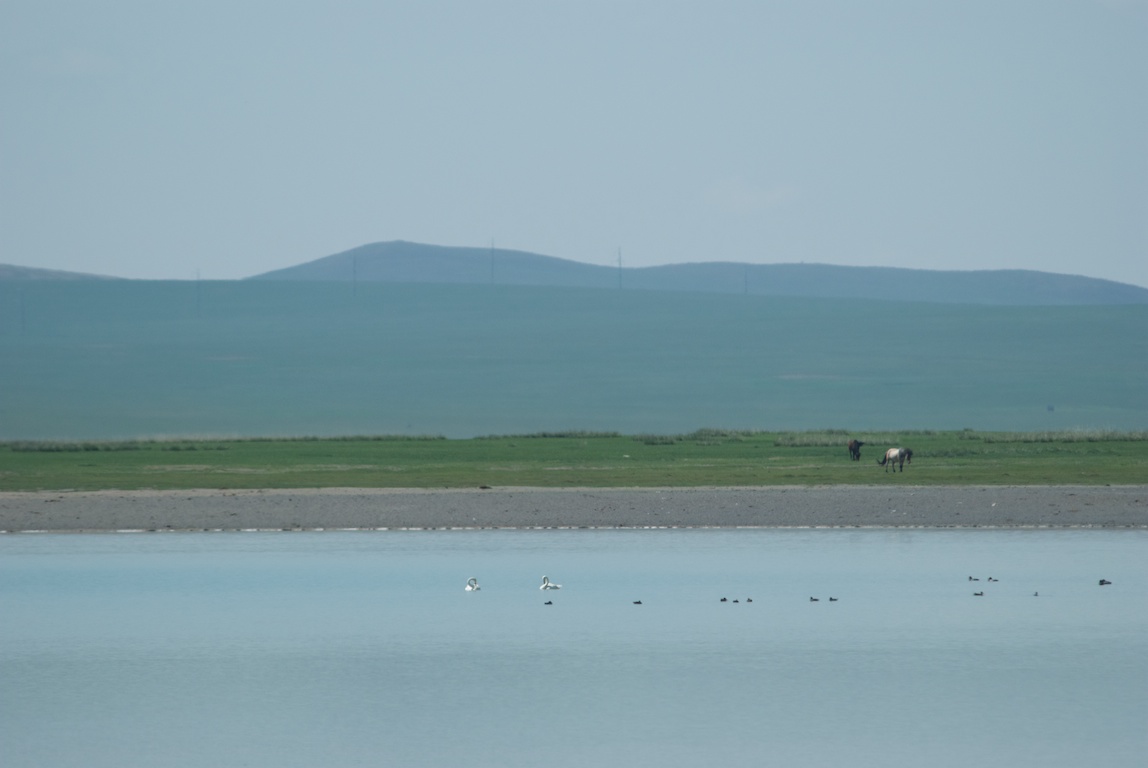
Whooper Swans, Gun-Galuut Nature Reserve, Mongolia
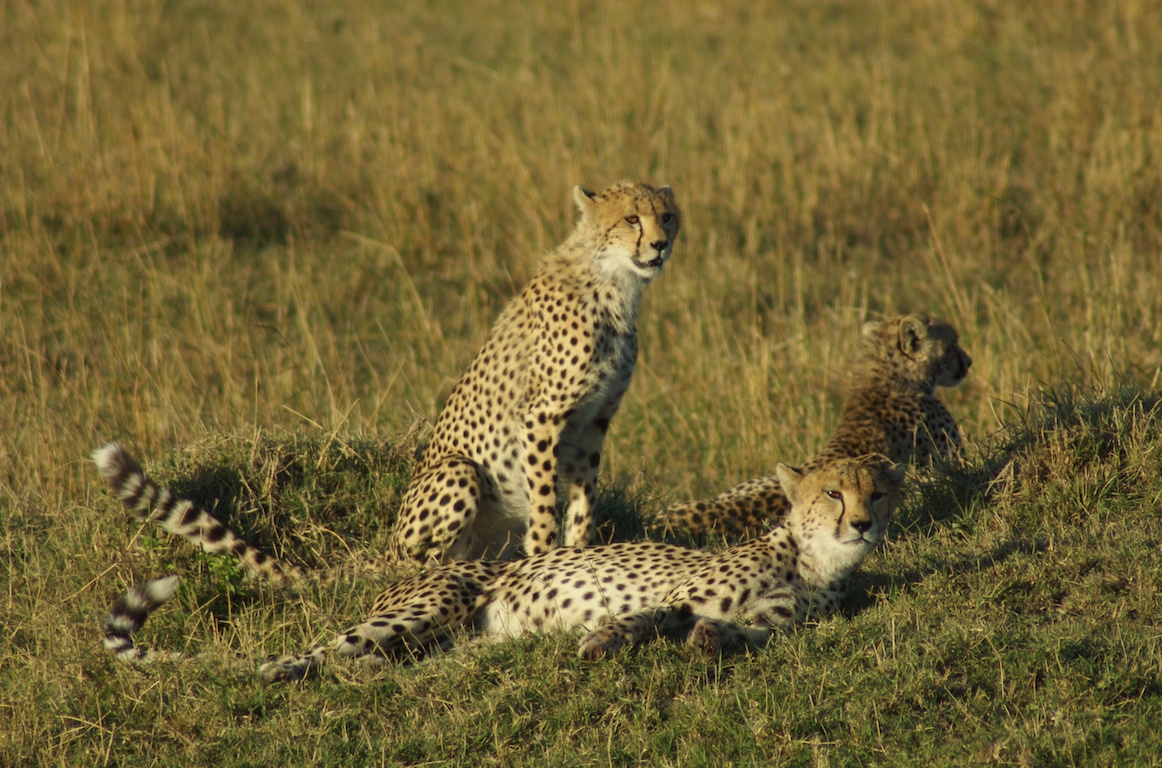
Cheetahs, Masai Mara, Kenya
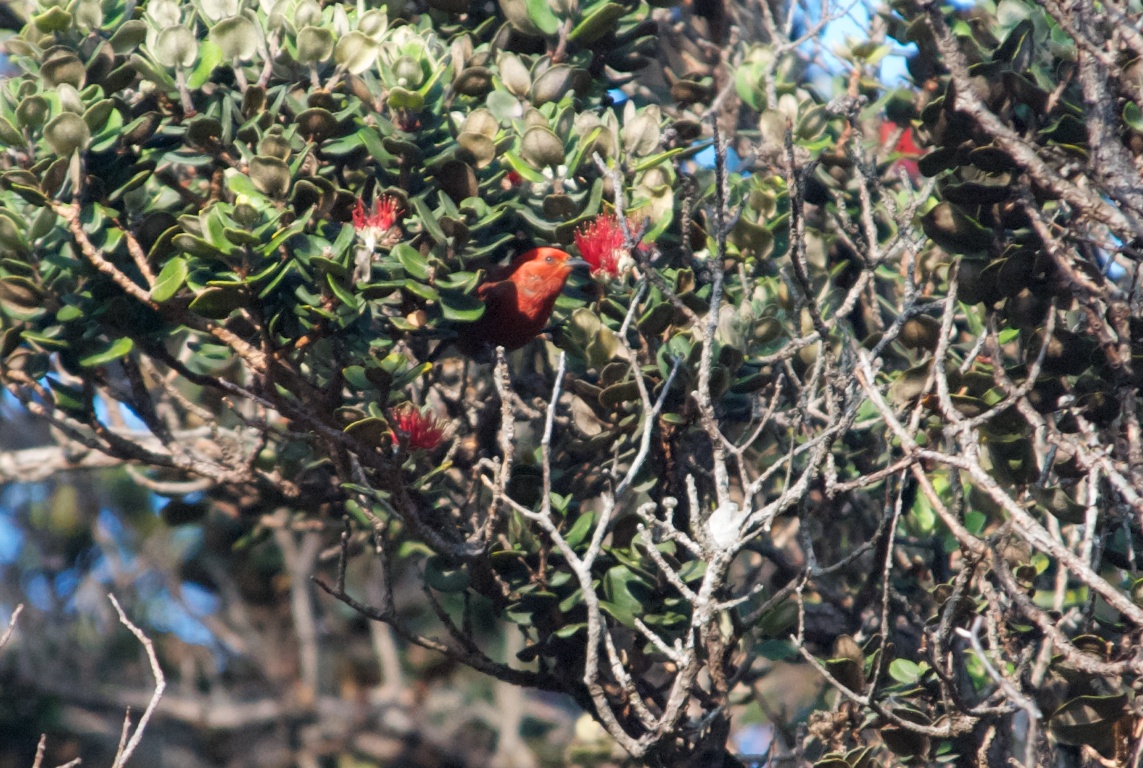
Apapane, Hawaii Big Island, Hawaii, United States
Trumpeter Swans, Yellowstone National Park, Wyoming, United States
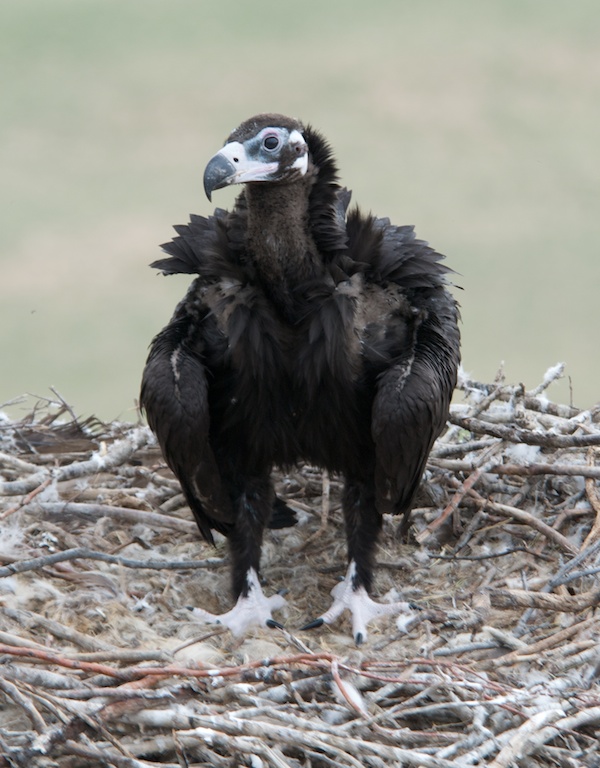
Cinereous Vulture (Juvenile), Baga Gazriin Chuluu Nature Reserve, Mongolia
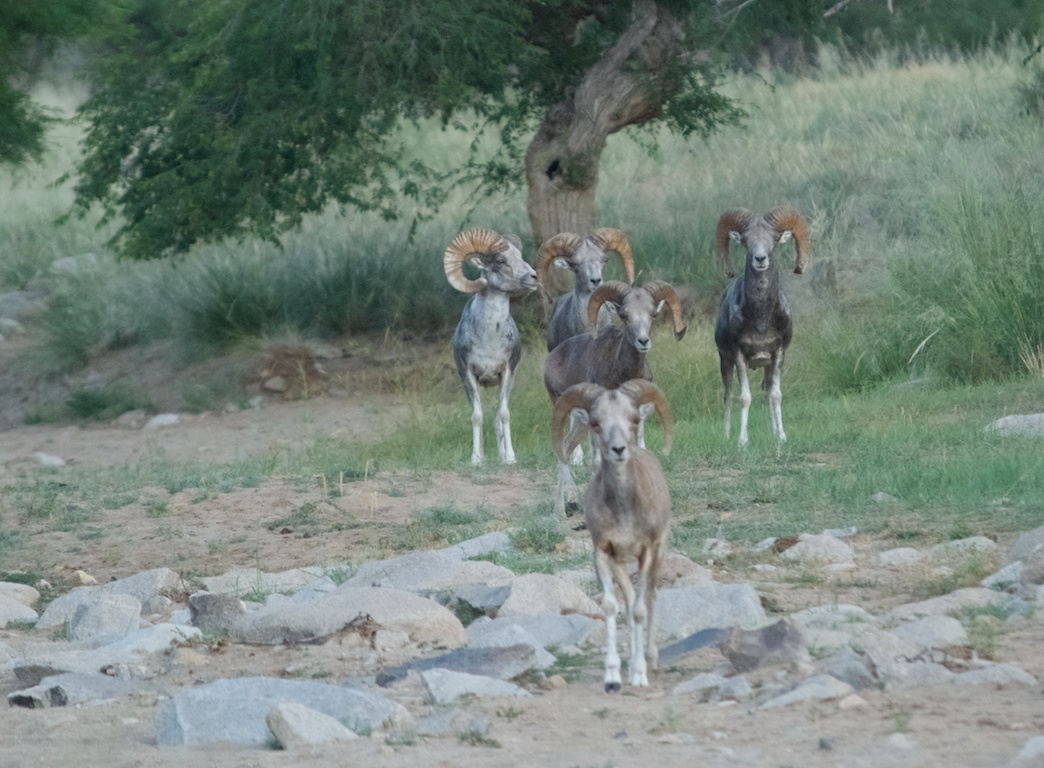
Argali, Ikh Nartiin Chuluu Nature Reserve, Mongolia

New Painting Debut! “Cinereous Vulture, Ikh Nartiin Chuluu, Mongolia”

Cinereous Vulture, Ikh Nartiin Chuluu, Mongolia 16x20" oil on canvasboard

I happen to love vultures, who form a big part of nature’s clean-up crew. Cinereous vultures are the largest raptors in Eurasia. They can weigh up to 30 lbs and have a 10′ wingspan. As it turns out, Ikh Nartiin Chuluu is a “hotspot” for them, with almost 250 known nests, a quarter of which are used each year. One of the interesting things about this species, as you can see from my painting is that, unlike other vultures, the adult’s heads are not bare of feathers.

It has recently been learned that that a large number of juvenile vultures, many of which are born and fledge during the spring and summer at Ikh Nart, winter in South Korea, thanks to a combination of GPS radio collars, wing tags and dedicated observers.

So far, the species seems to be doing well in Mongolia. I sincerely hope that continues because they are always an impressive sight as they soar overhead in the beautiful blue skies.

The Sea Of Cortez-An Album Of Images

What a trip it was! The whole package…great scenery, interesting animals, terrific traveling companions who are also great artists and, in 2013, the exhibition at the Arizona-Sonora Desert Museum to top it off.

I’ll be blogging about specific aspects of this experience and the art that I plan to create from it between now and showtime, but today I thought I’d share an overview of some of my favorite images, an album, if you will.

And, for this coming Mongolia Monday, I’ll compare and contrast Mongolia’s Gobi with the part of the Sonora Desert that I have now visited.

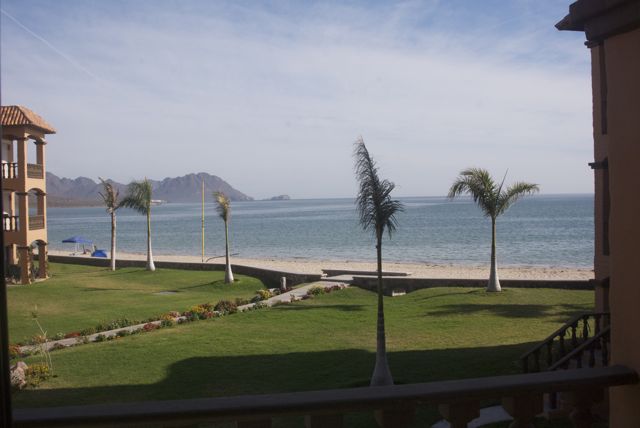
View from the condo I shared with four other artists.
Nacapuli Canyon
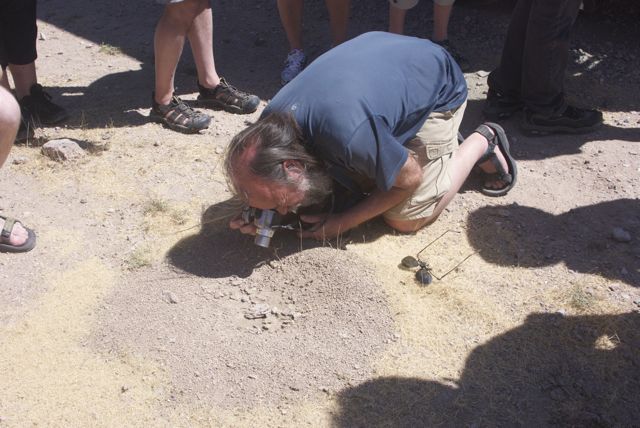
Someone took pictures of almost everything. Here's Carel Brest van Kempen photographing ants.
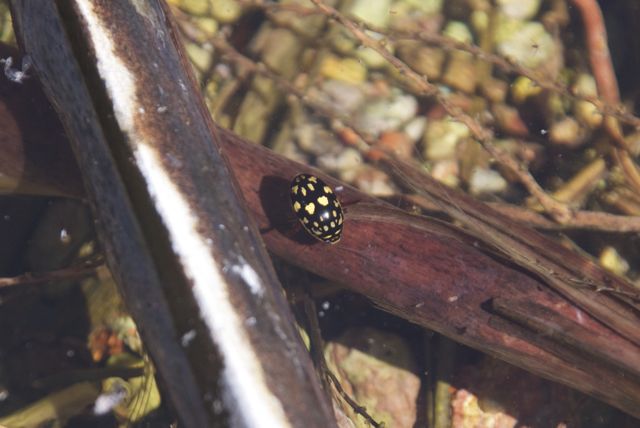
Predator water beetle; waterhole in Nacapuli Canyon
As yet unidentified lizard; Nacapuli Canyon
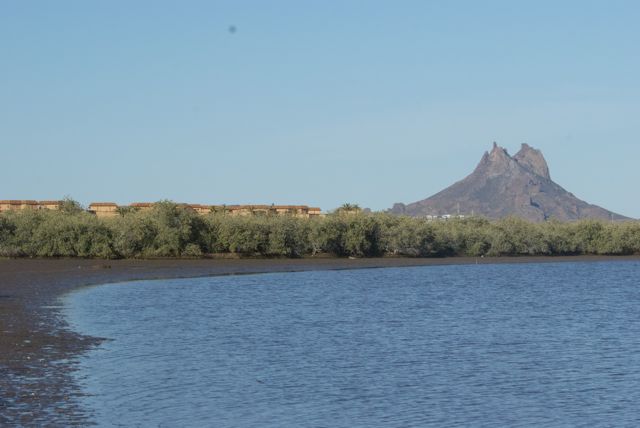
Estero Solado; an estuary ringed by three species of mangrove
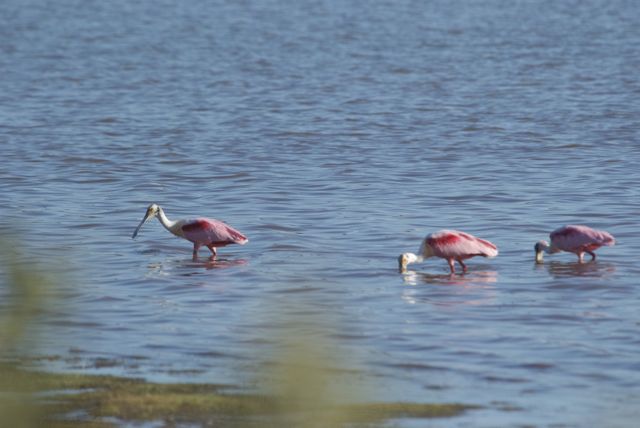
Roseate spoonbills feeding in the estero
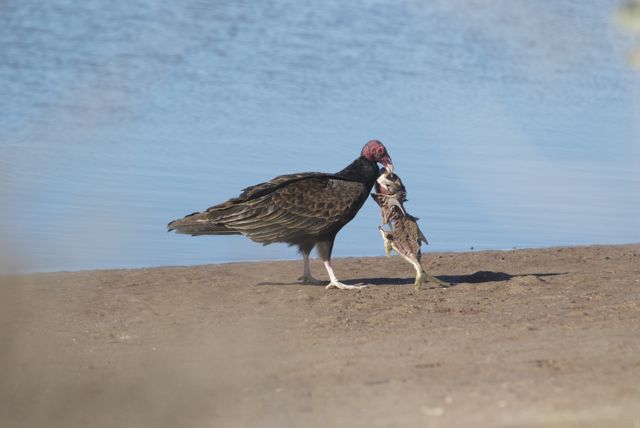
The turkey vulture who wouldn't abandon "his" fish
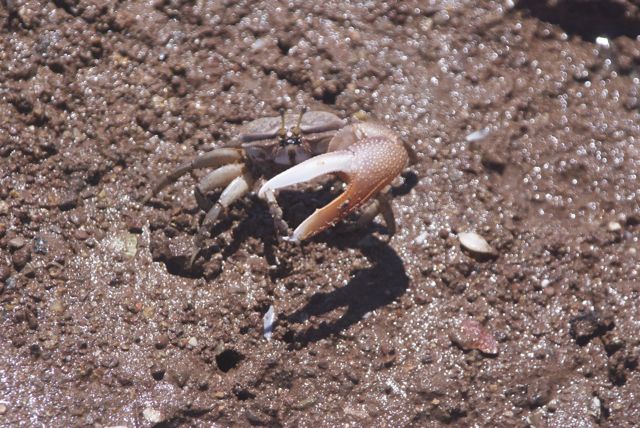
One of about six species of fiddler crabs living on the shores of the estero
Willets on the beach near the condo in nice morning light
Pelican feeding frenzy off-shore in San Carlos
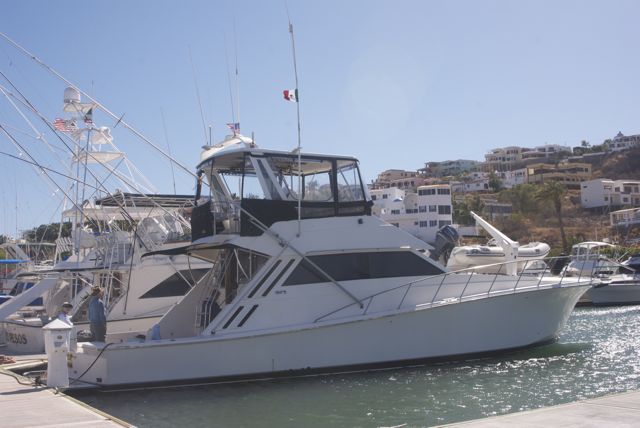
The wonderful boat that we went out in
The boat made it possible for the plein air painters to get to great spots like this
Heerman's gull; almost at eye level from the boat's dingy
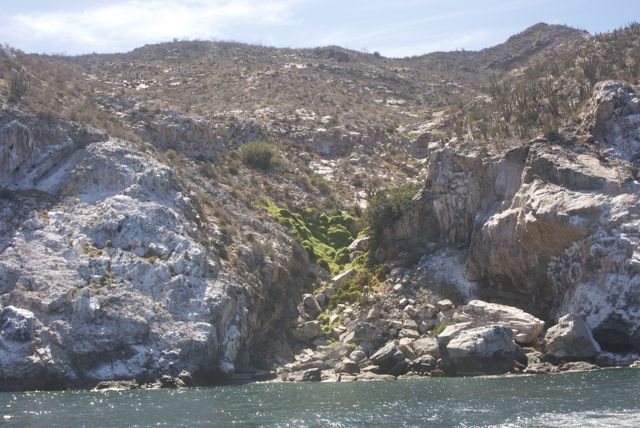
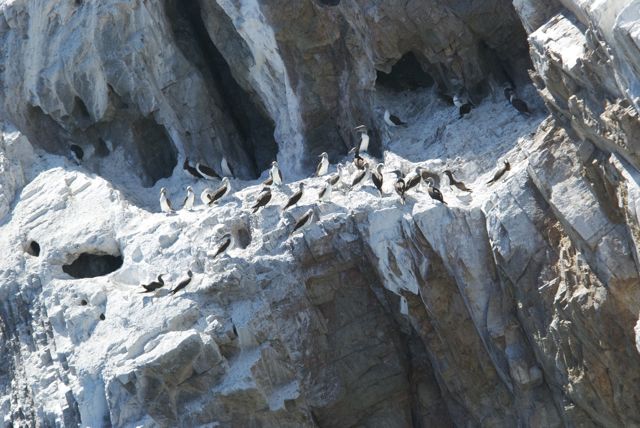
San Pedro Island; we spent a day birdwatching and snorkeling along its three mile length
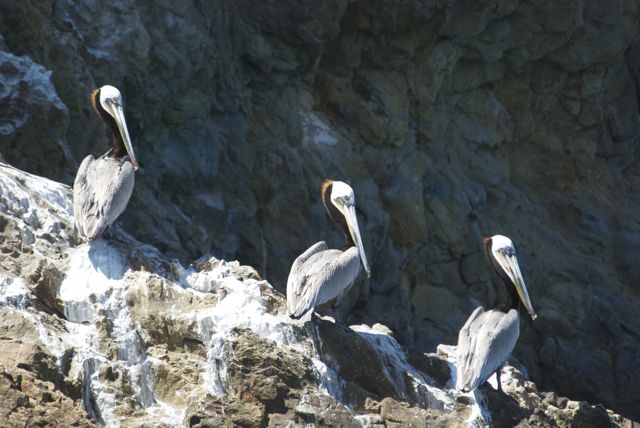
Brown pelicans
Brandt's cormorants
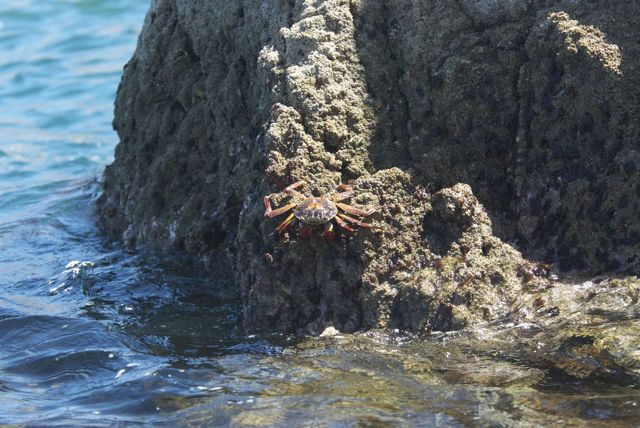
Sally Lightfoot crab
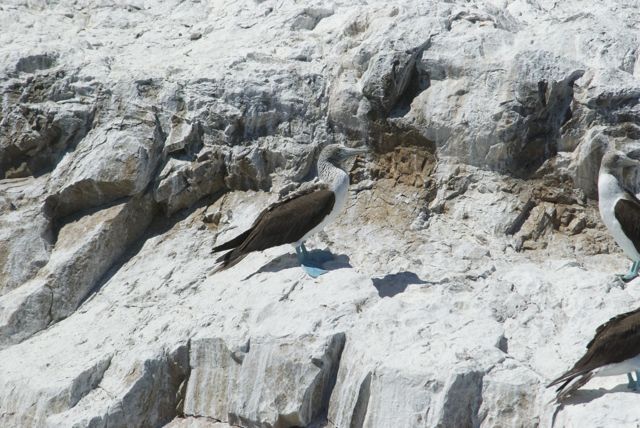
Blue-footed booby colony; the white is guano
Blue-footed booby; an artist favorite
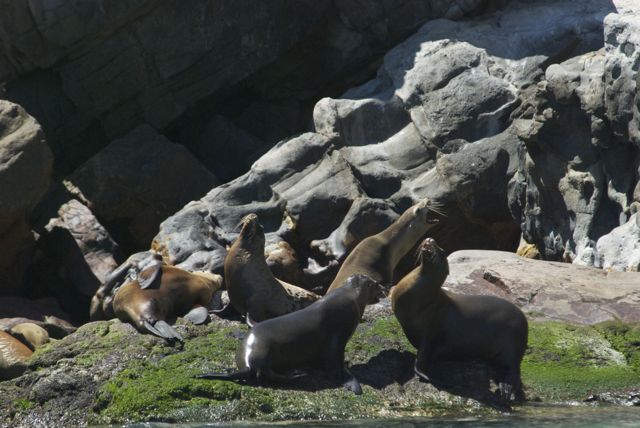
California sea lions
Male California sea lion
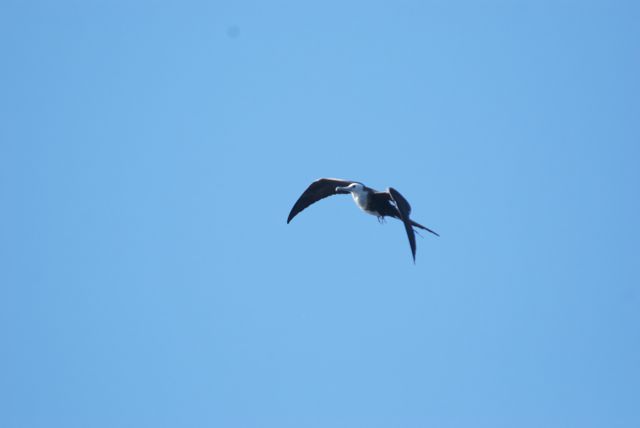
Female magnificent frigatebird
The Sea of Cortez
Group shot- photo by Molly Moore- Field Trip to San Carlos, Sonora, Mexico, March 19 - 26, 2011. Pictured are Linda Bittner, Carel Pieter Brest van Kempen, DeVere Burt, Andrew Denman, Kim Diment, Kim Duffek, Cathy Ferrell, Susan Fisher, Susan Fox, Mary Garrish, Ann Geise, Shawn Gould, Mary Helsaple, Heiner Hertling, John Kobald, Deian Moore, John Pitcher, Don Rambadt, Paul Rhymer, Rebecca Richman, Carolyn Thome, Christine Sarazin, Rachelle Siegrist, Wes Siegrist, Martha Thompson, Glenn Thompson, Sue Westin, Ronnie Williford, Debbe Wilson, and Nicholas Wilson. (Not pictured are John Agnew and Molly Moore). Leading the field trip was Richard C. Brusca, Ph.D. The trip was organized by David J. Wagner, Ph.D. for artists to produce a body of artwork for a museum exhibition entitled The Sea of Cortez, produced by David J. Wagner, L.L.C., and scheduled to premiere at The Arizona-Sonora Desert Museum Art Institute from March 16 through June 2, 2013.