
I’m offering a calendar for the first time!
It’s available here at my Zazzle store.
Every month you can share a little of “My Mongolia” with images of my original oil paintings.
I’m offering a calendar for the first time!
It’s available here at my Zazzle store.
Every month you can share a little of “My Mongolia” with images of my original oil paintings.
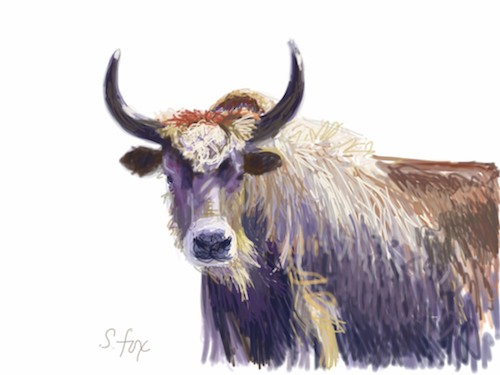
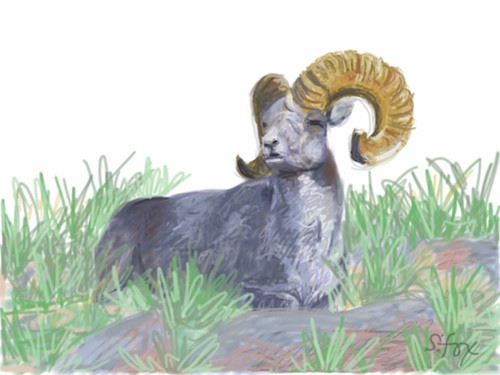
I’ve been having a lot of fun with the Sketchbook Pro app for my iPad. It works well for fast location sketching, but I’ve been wanting to see how I could use it for more finished work.
I keep the iPad with me in the living room and I have a lot of photos from my latest Mongolia trip on my MacBook Pro. So it’s easy to sit and work while a football game is on.
I’ve settled on just a couple of the drawing tools to keep it simple for now as I learn how to use other features like the size of the line and how opaque or transparent it is.
The one thing I have found is that it is difficult to do animal heads that are small because the size of the stylus end makes it hard to do small strokes for features like eyes. But I managed. I’ll definitely be taking the iPad to Mongolia again next year for location work.


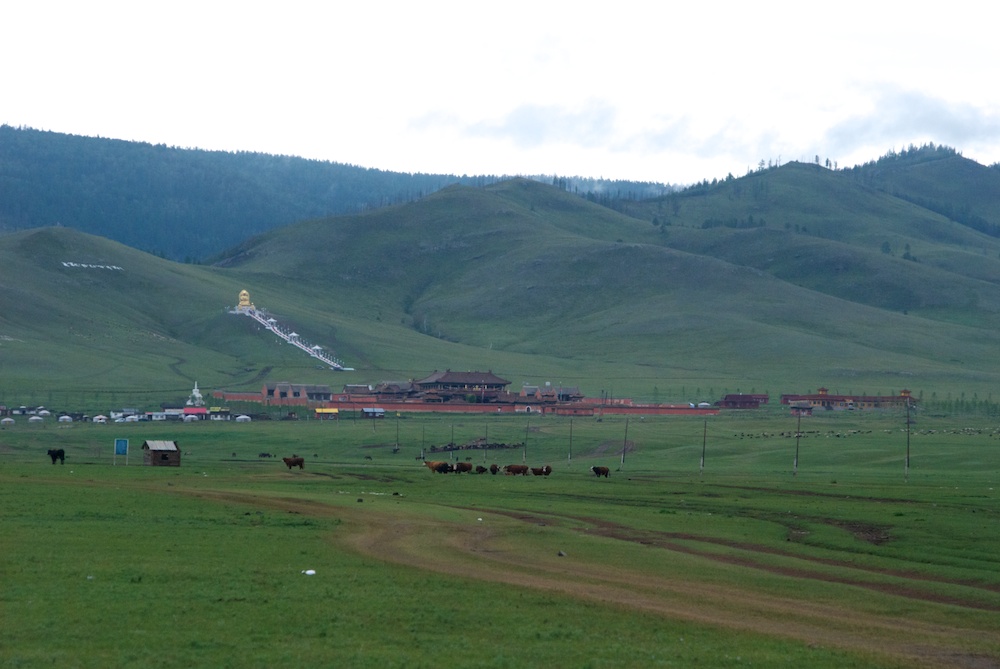
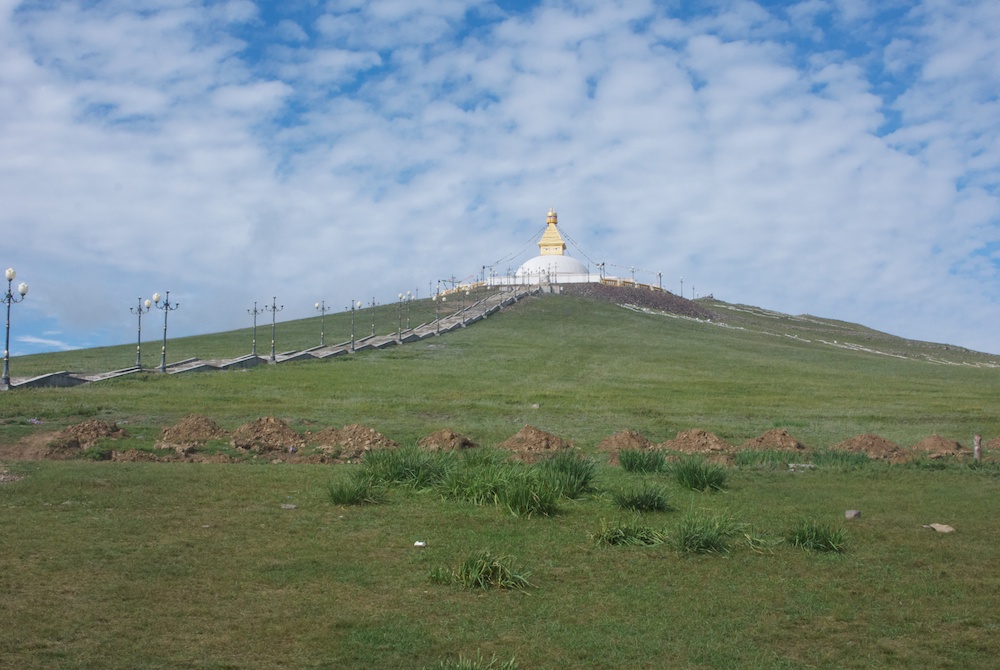
I’d heard about this large monastery to the north west of Ulaanbaatar and decided that I wanted to see it, along with the northern mountains. It is one of the three most important khiids in Mongolia, along with Gandan in Ulaanbaatar and Erdene Zuu, which is adjacent to the site of the old Mongol imperial capital Kharkhorin and built partly with stones from it. I’d already visited them.
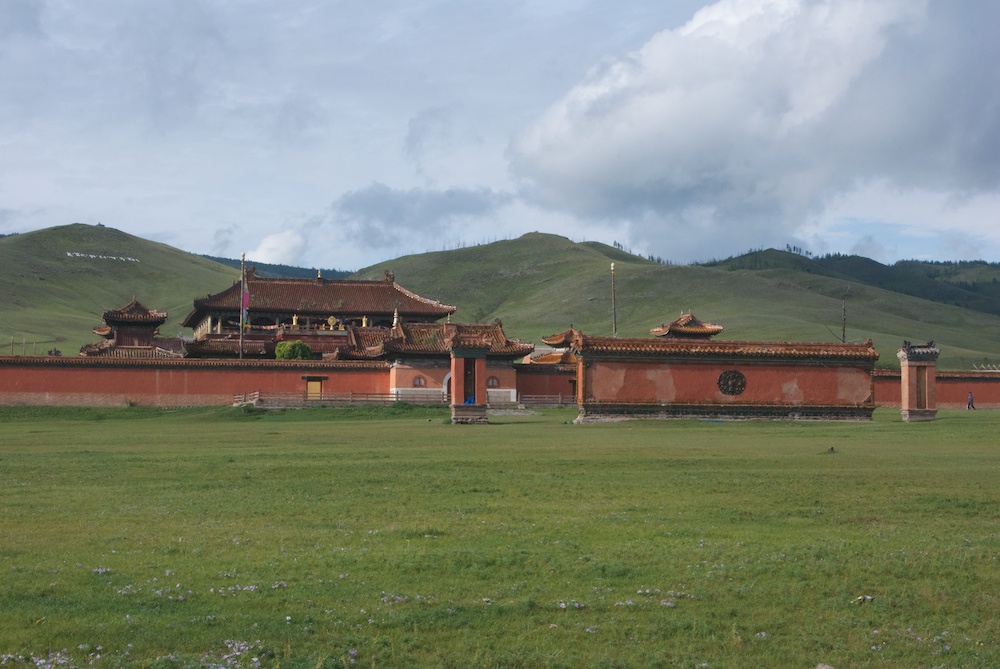
Nomadic Journeys put together a one week camping trip for me on short notice and Amarbayasgalant Khiid (“khiid” means “monastery” in Mongolian) was the first stop. And was it ever worth the drive, even though there’s a somewhat tacky ger camp very close to the complex that needs to be moved.
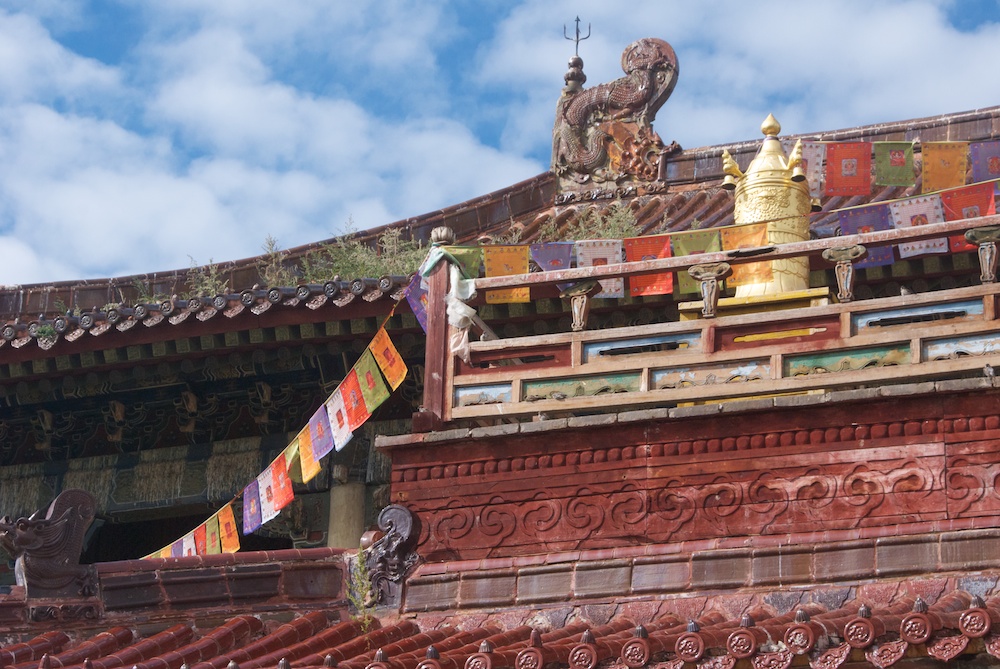
The monastery was built between 1727 and 1737 by a Manchu emperor, so the architectural style is Manchu. It survived the destruction of most of the monasteries in Mongolia in 1937, but now there are around 60 monks in residence instead of over 2000.
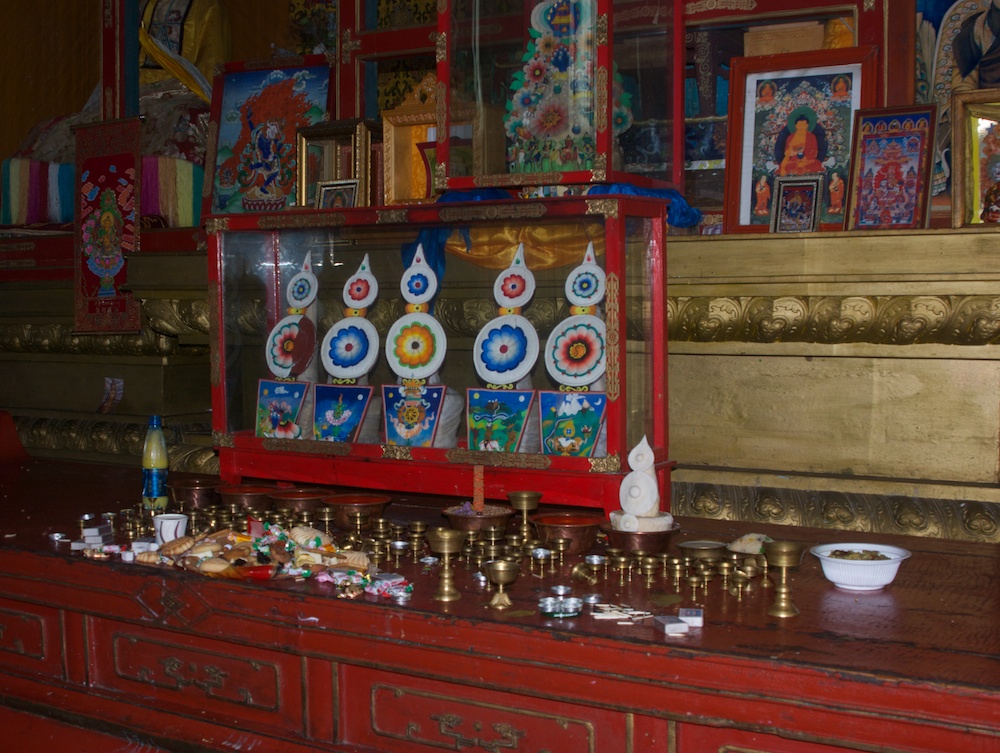
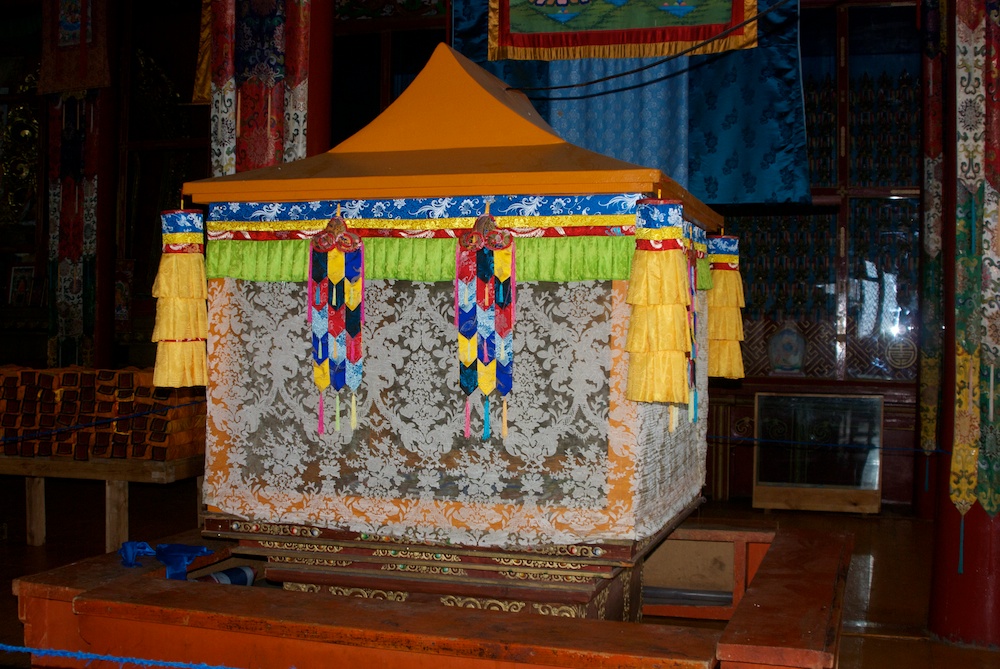
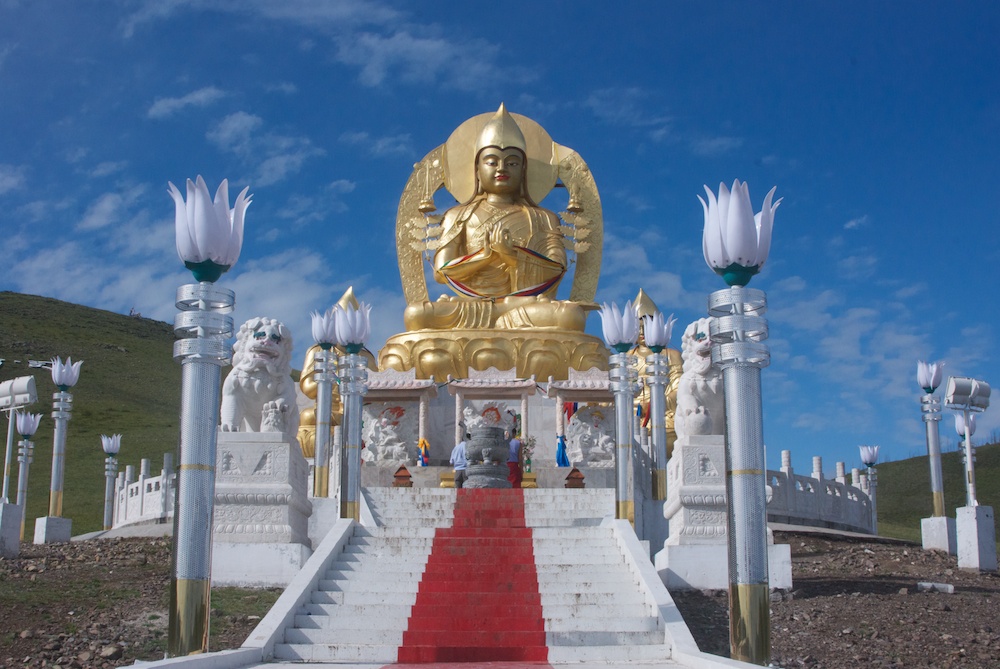
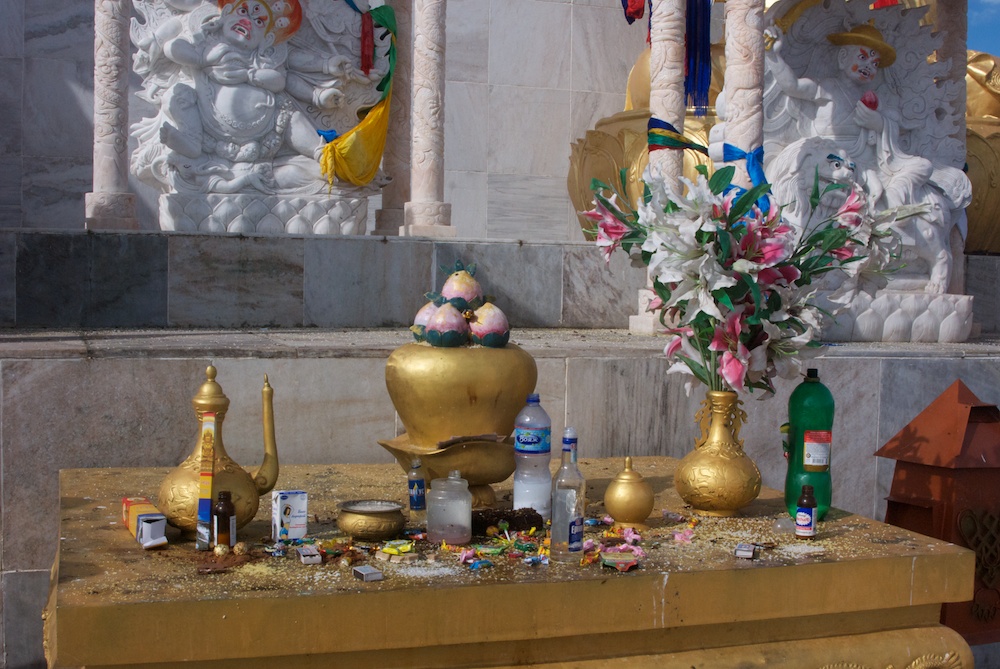
Unfortunately, there are no guide books, or at least I haven’t been able to find anything, so I can’t offer a lot of information on what is in the photos. But I hope you’ll enjoy a look at a very special place.

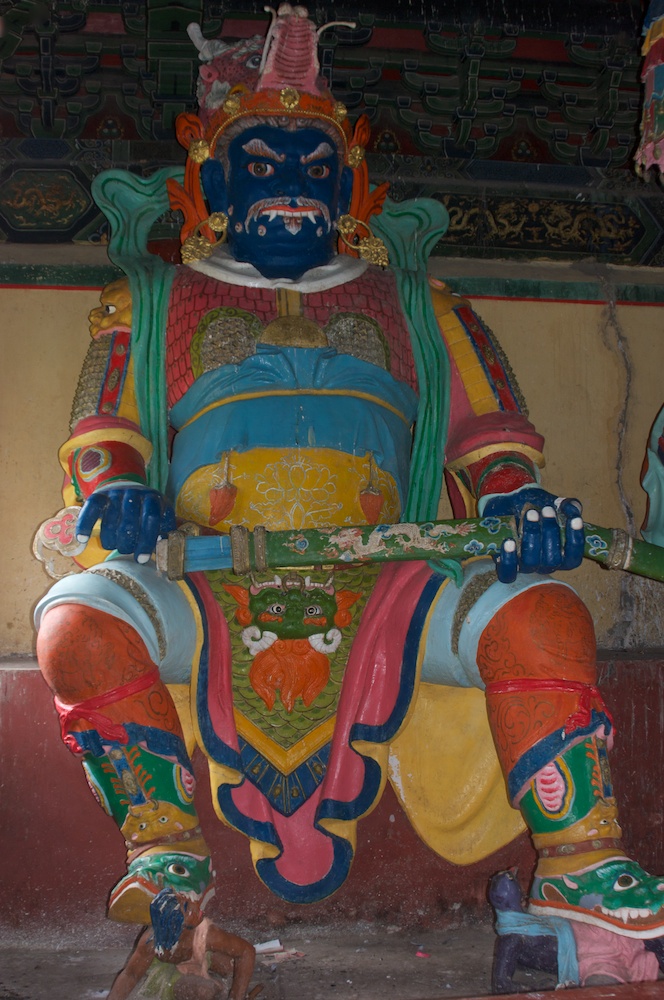
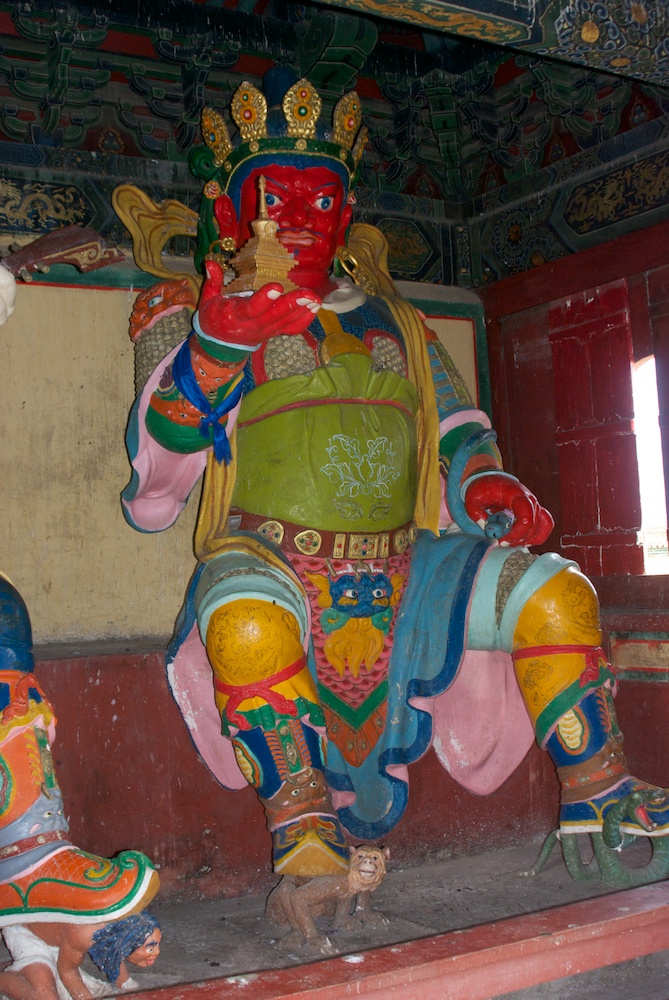
Unfortunately, my guide’s English was only ok and I didn’t have a way to take notes, so I don’t know who these statues are of and what they symbolize.











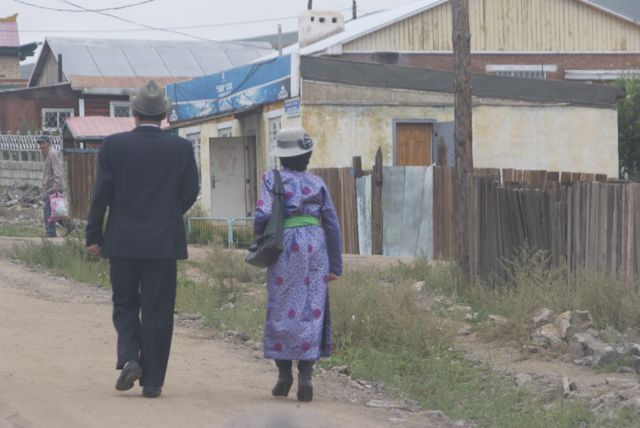
I was wandering around sketching at Gandan Monastery in Ulaanbaatar last year and was resting in the shade in a courtyard. There were lots of people around, monks in red and gold robes, families feeding the pigeons and older people wearing beautiful del, like this woman. I got just a few photos of her. To me she personifies the character and dignity of Mongol elders. She has seen so much in her life, so many changes. Mothers are particularly honored in Mongolia. I’ve been told that 60% of Mongol songs are about them.
One of the joys of my travels to Mongolia is the opportunity to meet or just be around these older women and men. America could learn a lot from the Mongols about how to treat the wise, experienced elders in our society.
And now we come to the last leg of a wonderful two-week tour and a look at one last ecosytem, the mountain forest, which is the southermost extension of the boreal forest that circles the northern part of the Earth.
The Jalman Meadows ger camp, run on a seasonal basis by Nomadic Journeys, was set up high on a bluff overlooking the Tuul Gol.
While there is wildlife around, it’s the activities one can do here that are the main attraction and we took advantage of all of them!










Just got both of these in the last couple of weeks and I highly recommend them.

I had the pleasure of meeting and spending time with Lars Jonsson at the Society of Animal Artist’s 50th Anniversary celebration last year. He is one of the greatest bird artists ever and also one of the nicest people to chat with. I asked him how many birds he has on his life list and he looked down at me (I’m 5’6″ and he’s about 6’8″) and quietly said that he didn’t really keep a list. What a contrast to those who view birdwatching as a blood sport.
This book is a wonderful look at his career and how he works. It should be on the shelf of every artist who has birds as a subject. Since I’m about to embark on paintings of the cranes I’ve seen in Mongolia it only made sense to “consult” with a master. “Lars Jonsson’s Birds-Paintings from a Far Horizon” can purchased here.
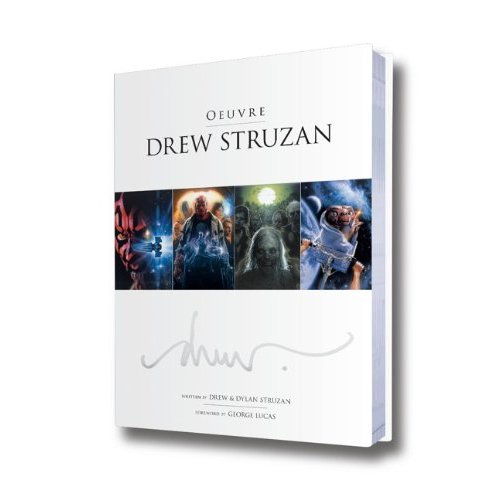 This may seem an odd selection coming from an animal artist, but good art is good art no matter what the subject and Drew Struzan is legendary when it comes to his depiction of people and design ability. You’ll see LOTS of familiar faces in this book.
He was a guest lecturer when I was the Academy of Art University (then College) in the late 1980s. He flew up from LA for the day to speak to us illustration students. A couple of weeks before hand, he had sent a big pile of his posters, which were pinned up in display cases on the staircase and in the hallways of the department.
He didn’t talk down to us in any way and addressed us as colleagues in the making, which we really appreciated. I’ve always found him to be an inspiration and am lucky enough to have, many years ago, scored some of his posters from a video shop which was closing.
I’ve started to tackle humans as a subject and I’ve always been in awe of Struzan’s ability to catch the extreme essence of a likeness with impeccable draftsmanship and design.
“Oeuvre” can be purchased here.
We didn’t have long on tarmac road before we turned north into the Han Hentii Mountains, most of which is included in one of Mongolia’s Strictly Protected Areas.
This would be my first visit to Nomadic Journeys’ “signature camp”, Jalman Meadows. I hadn’t gone there before because, while there is plenty of interesting wildlife in the mountains, it’s not easy to see. The good news is that it would be an opportunity for both me and Pokey to see the southernmost point of the vast taiga, or boreal forest, that encircles the earth.
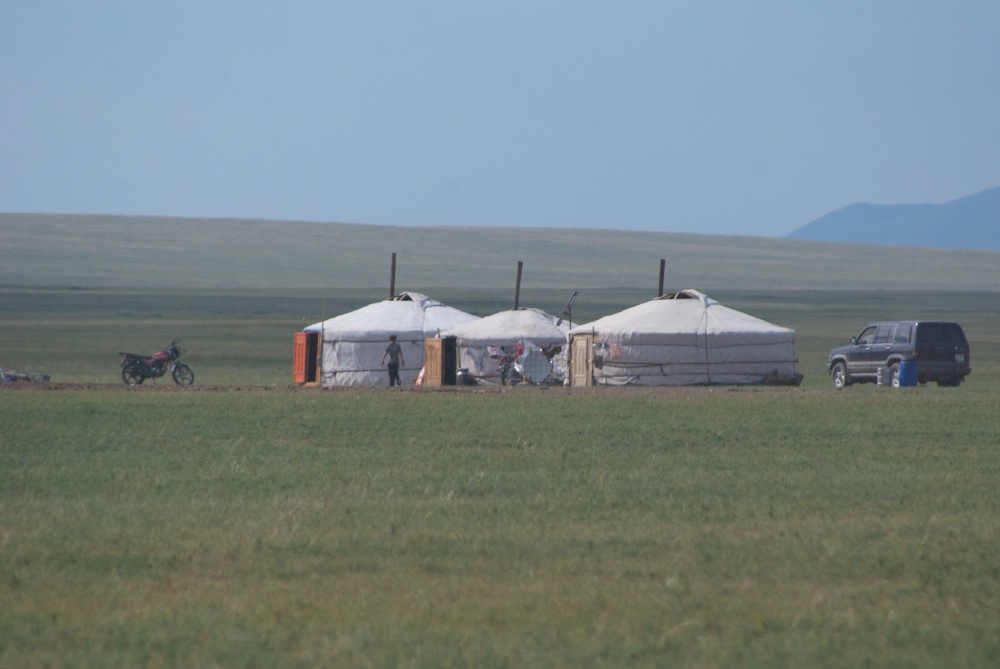

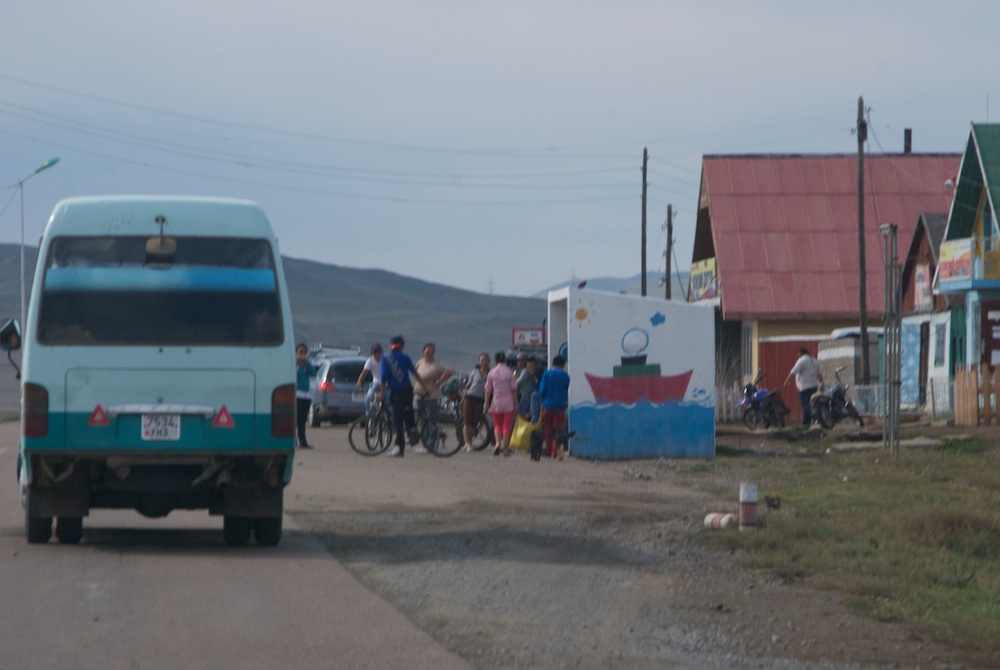
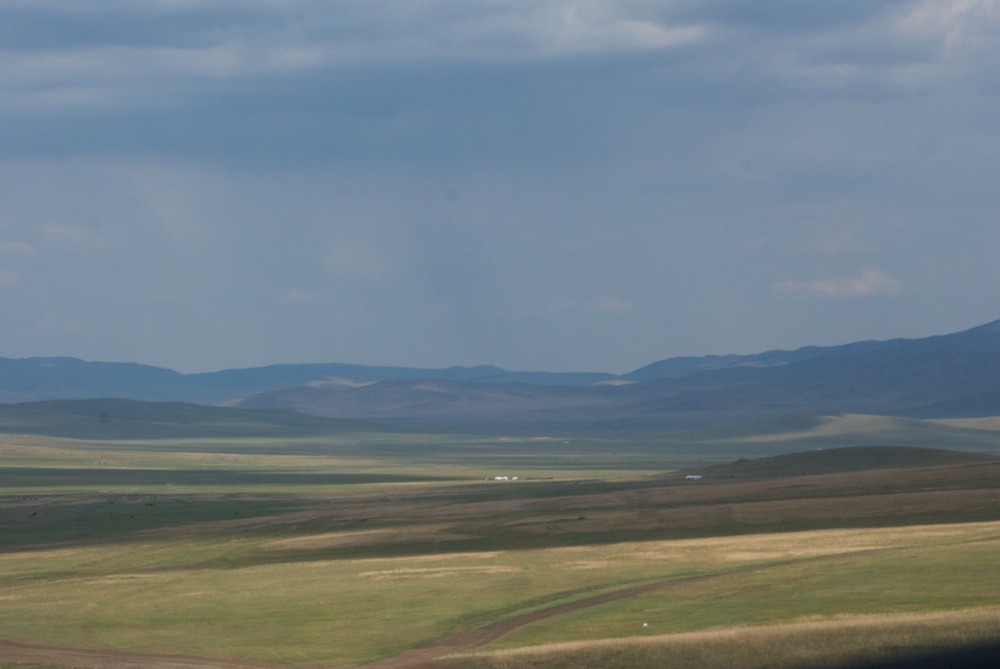
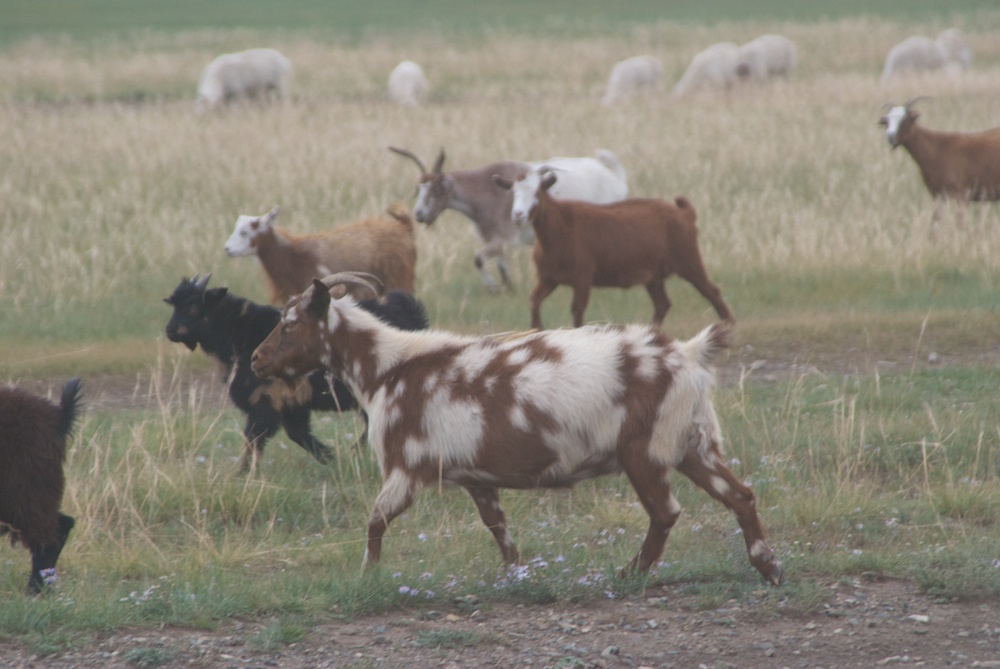

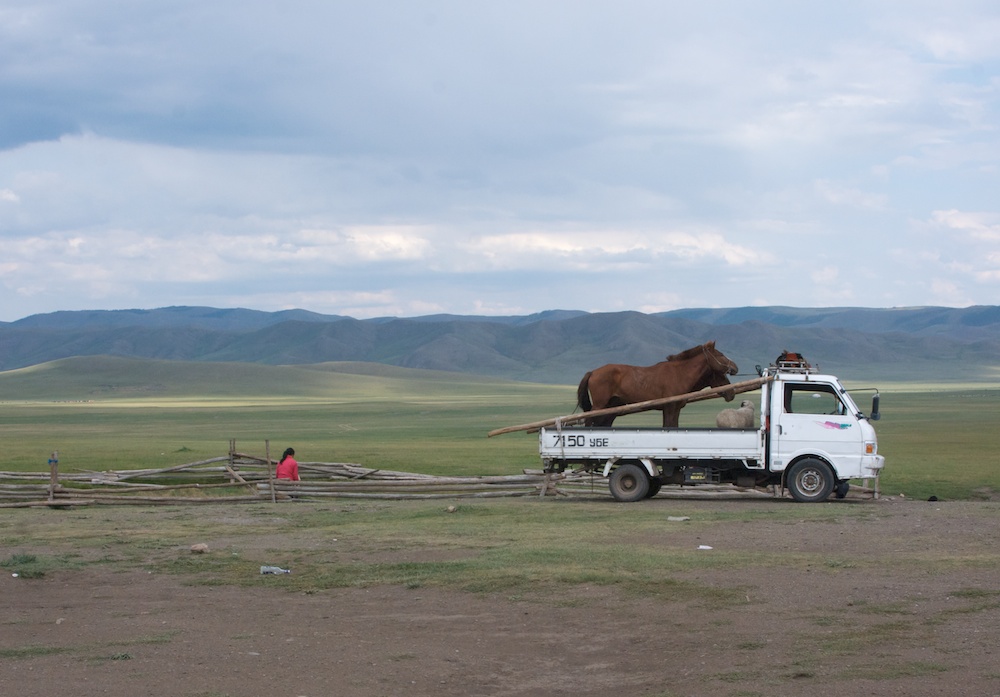

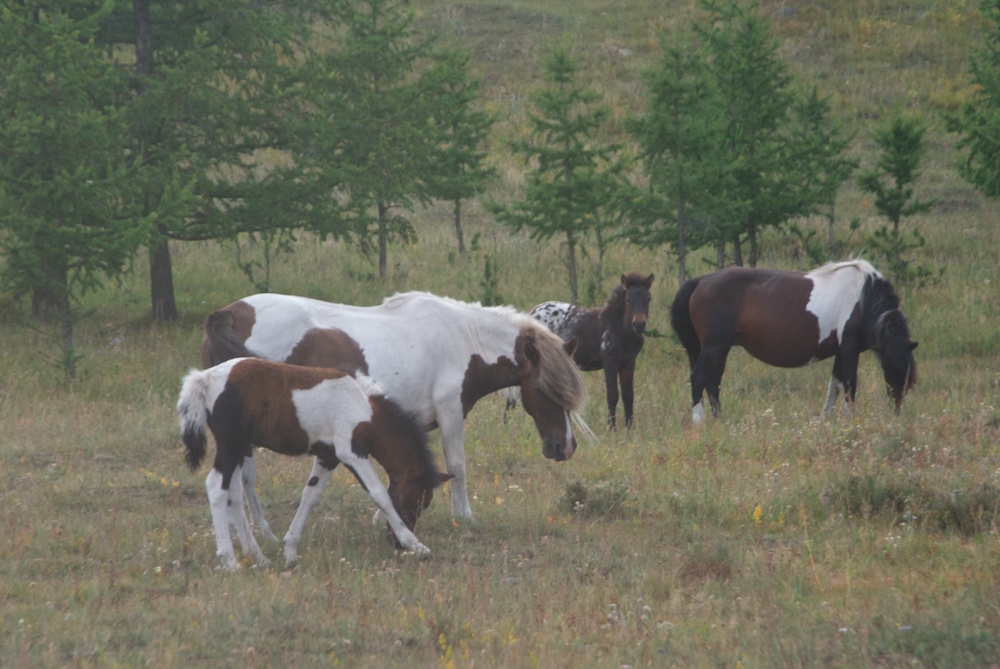


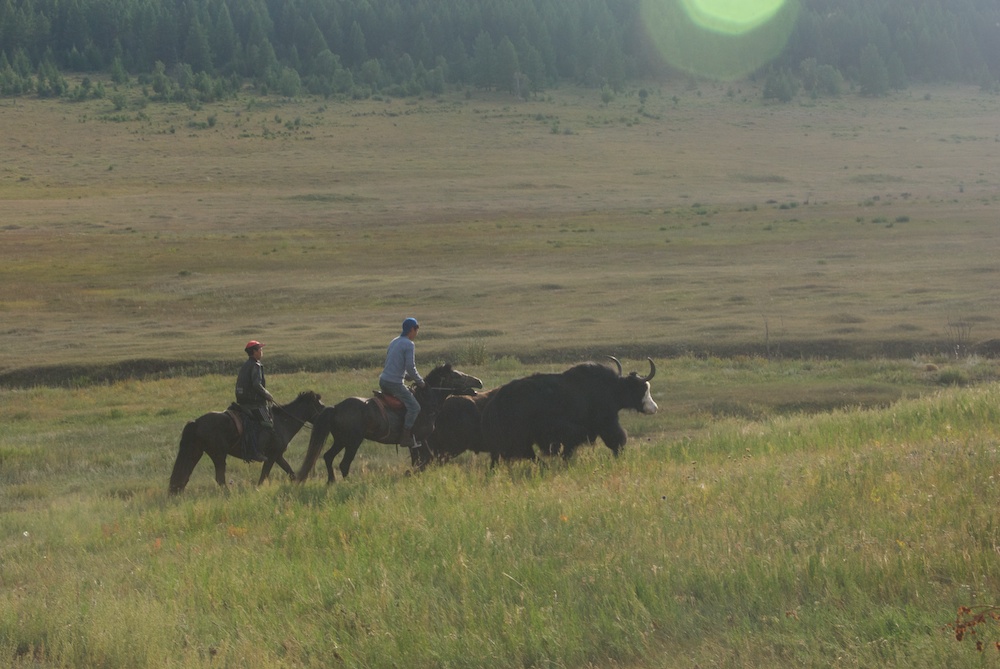

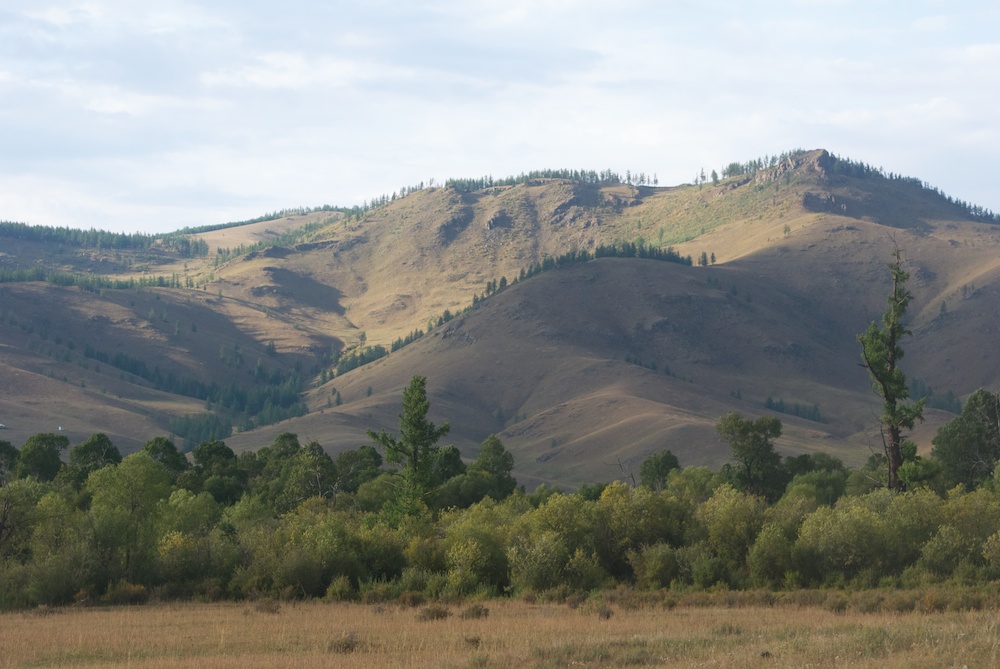
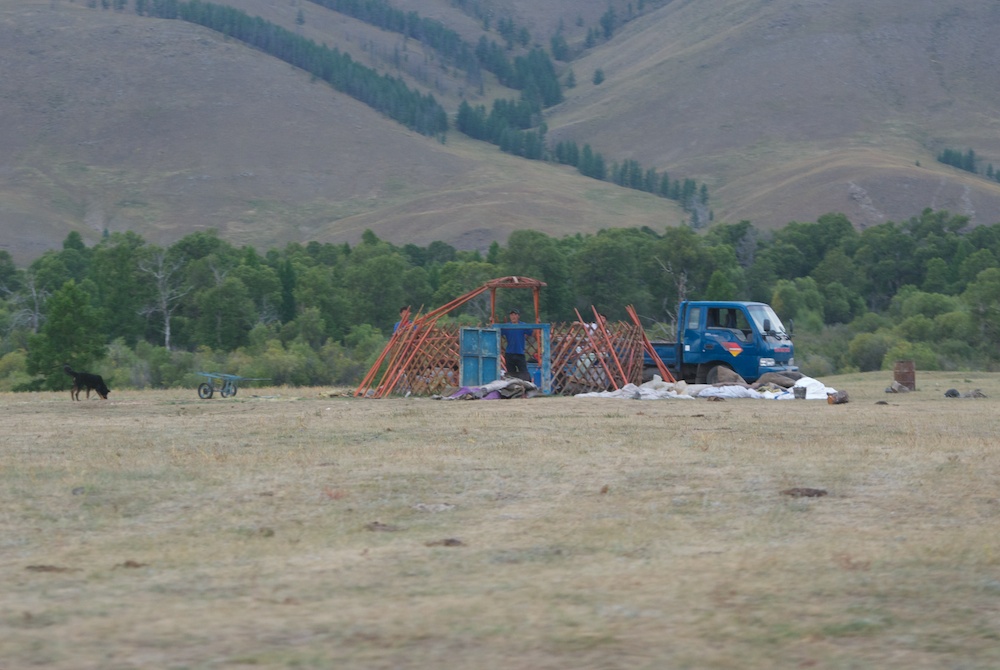
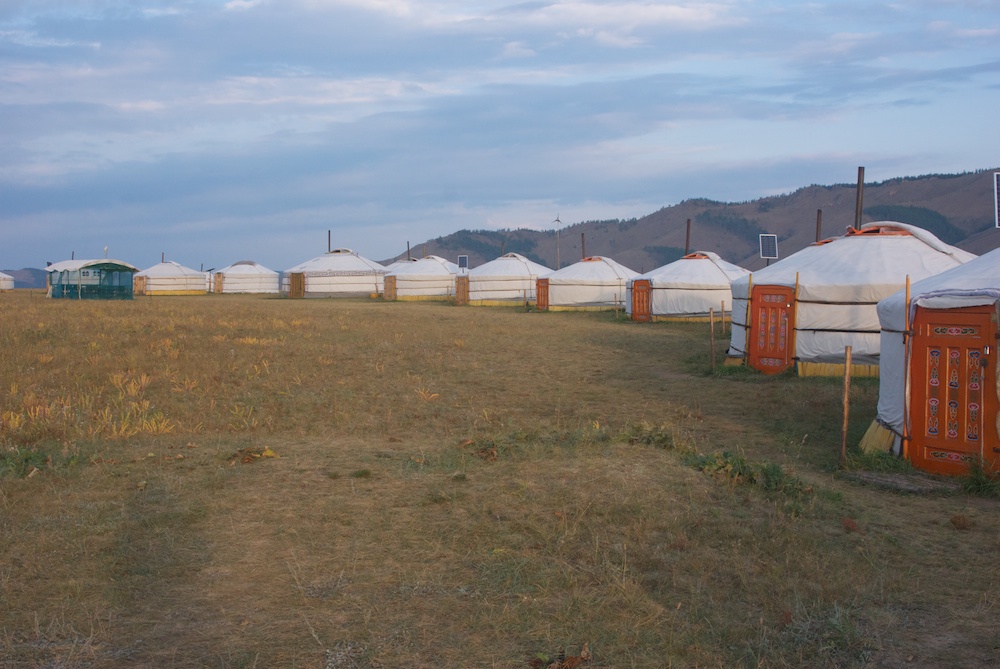
Next week: boating and hiking and back to Ulaanbaatar
I just got back from the Big Apple and had a great time. Got to spend the day before my meeting wandering up and down the High Line, an old elevated railway that has been converted into an incredible mile long park. It’s located not far from the river and runs through Chelsea and the Meatpacking District. The Chelsea Market was a great place to get lunch (Thai food, in my case), use the restroom and poke around.
As is usually the case, the powers that be, lacking any imagination, much less vision, wanted to tear down an eyesore, but one man saw the potential and now I think it is one of the absolute must-sees for anyone visiting New York. Judging from the number of people there on a chilly November weekday, I’m not the only one. And it seemed to be almost equal parts visitors and locals.
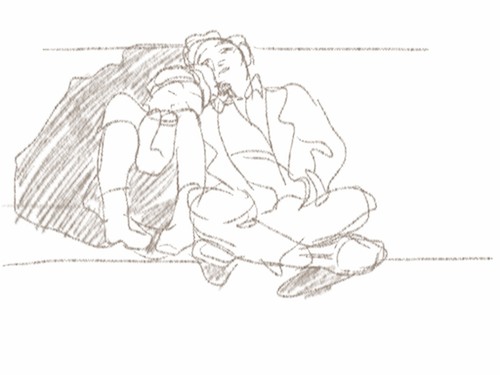
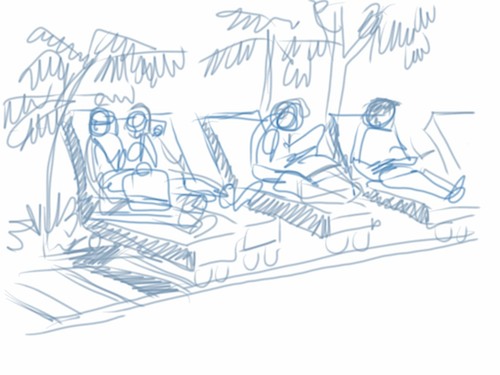
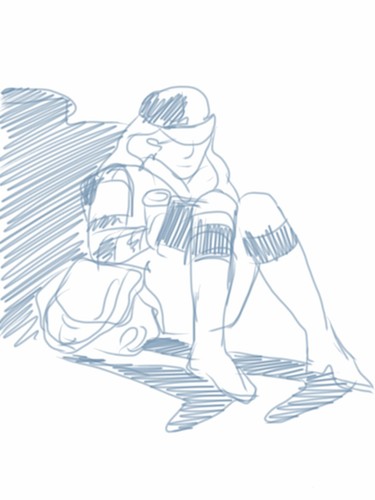
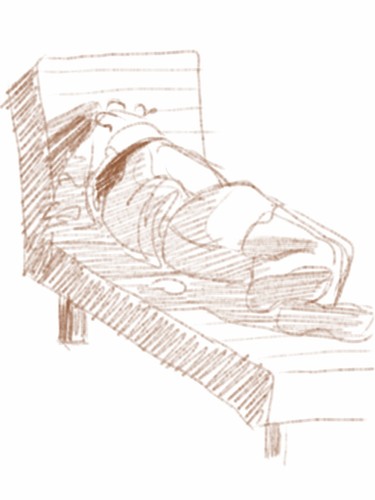
I had my trusty iPad with me and really enjoyed taking advantage of all the cool places to sit and sketch. And I had my iPhone for taking photos.
To set the scene:


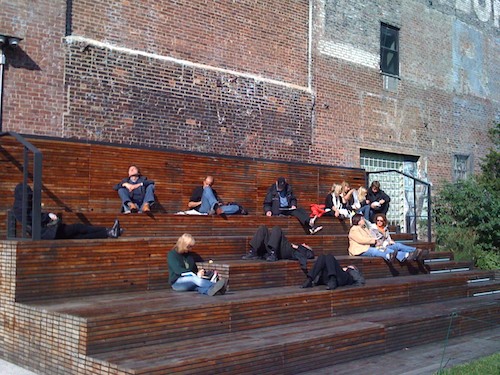

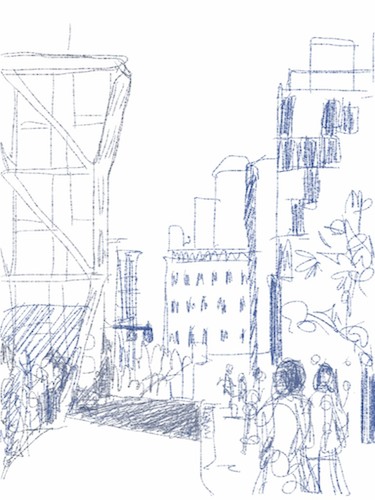
And here are some of the sketches, done quickly in just a few minutes, for which I used Autodesk’s Sketchbook Pro:

I’m on my way to New York for a Society of Animal Artists board meeting, so I’m taking a break from the story of my 2011 trip to Mongolia.
Instead, I thought I would share a few proverbs from a book that I found in Ulaanbaatar called, appropriately enough, Mongolian Proverbs. They were collected by Janice Raymond and the book published in 2010 by Alethinos Books, San Diego.
You will have four nights
Taking a short cut
That’s one we all know….the short cut that ends up taking much longer than the original route.
Fox will starve to death
While waiting under an ox
This one describes trying to do something impossible since the fox will never be able to eat the ox
Calf is not grown
But he thinks he can make bull’s dung
A good description of someone who talks big, but can’t deliver
One finger short
Of being crazy
This one doesn’t really require an explanation, but is interesting because of how it resembles similar American sayings

 Susan Fox, American Artist