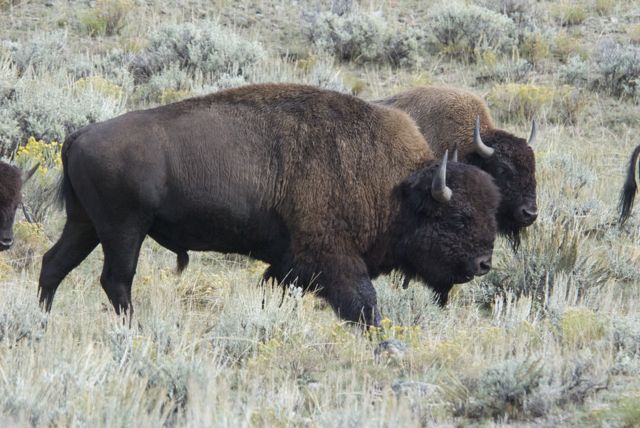
I’m now in Dubois, Wyoming at the Susan K. Black Foundation Workshop and having a inspiring time, chatting, networking and painting with old and new friends and colleagues. I’ll be posting more about that next week, but this time I’d thought I’d share some of the photos I took at Yellowstone National Park last week, starting with the big guy at the top. I never get tired of seeing these huge bulls.
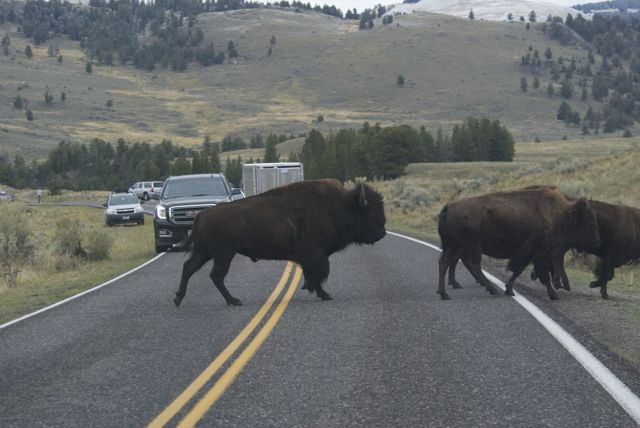
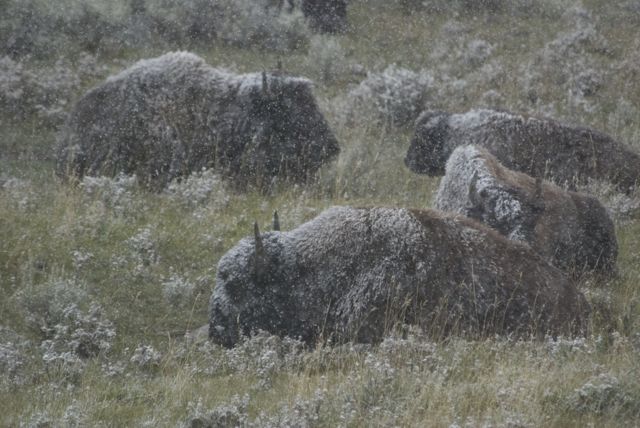
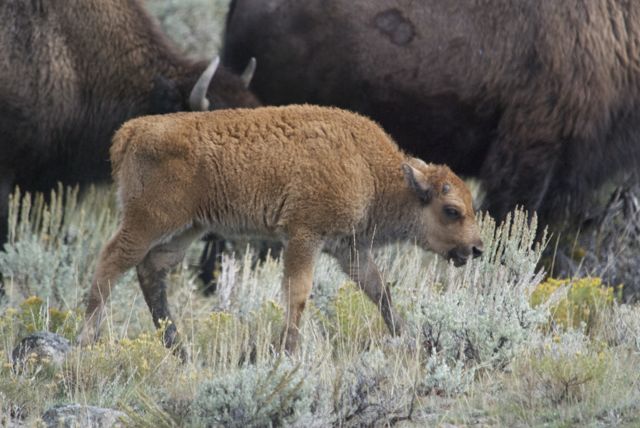
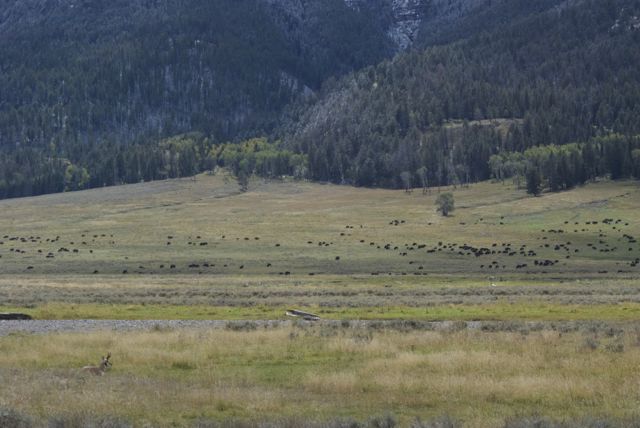
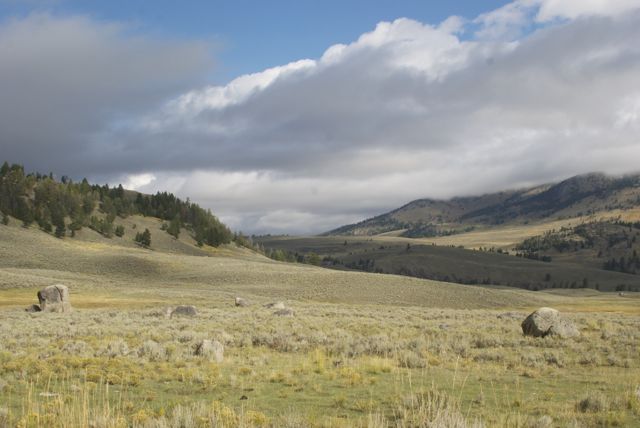
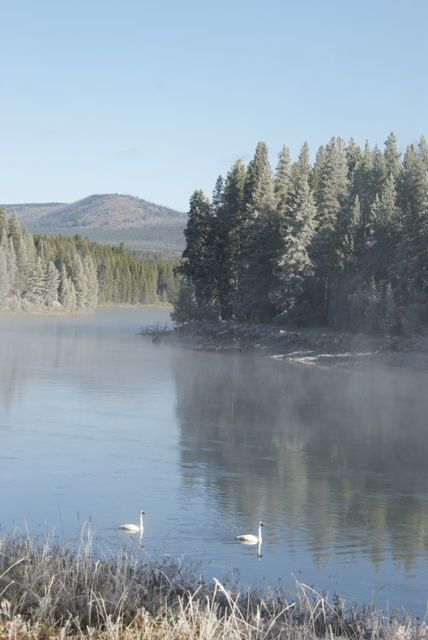
One of the famous Yellowstone “bison jams”. Back-ups can be very long, but the animals have the right of way.The third day I was there a snowstorm came through I was in the area known at “Little America”, just to the west of the Lamar Valley, when, right next to a pullout in a hollow was this small group of bison, hunkered down and waiting it out.Young bison calf born very late, but I’ve been told even these little ones are tough enough to survive the winters.The Lamar Valley is known as the “Serengeti of North America” because it’s where you can see scenes like this….a very big herd of bison moving through with pronghorn antelope closer to where I was. And a single male pronghorn closer yet.Yellowstone scenery.On my way out of the park, I spotted this pair of trumpeter swans floating on the misty river.
It’s clear that one lesson we, as a species MUST learn, is to share. All of these animals have just as much right to be here as we do. As they go, in the end, so shall we.
I’ve never made a point, for the most part, of specifically seeking out endangered or threatened species to photograph for my paintings. But, as it’s happened, in less than ten years I’ve seen two dozen, plus one, all in the wild. Quite a surprise, really.
Sometimes they’ve been pretty far away, but that in no way diminished the thrill of seeing them. Close-ups in a zoo or other captive animal facility can be useful, within certain limits, but seeing a wild animal in its own habitat, even at a distance, is much more satisfying and gives me ideas and information for my work that I couldn’t get any other way.
In no particular order, because they are all trying to survive on this planet:
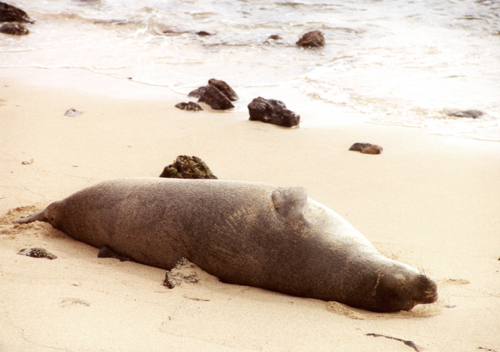
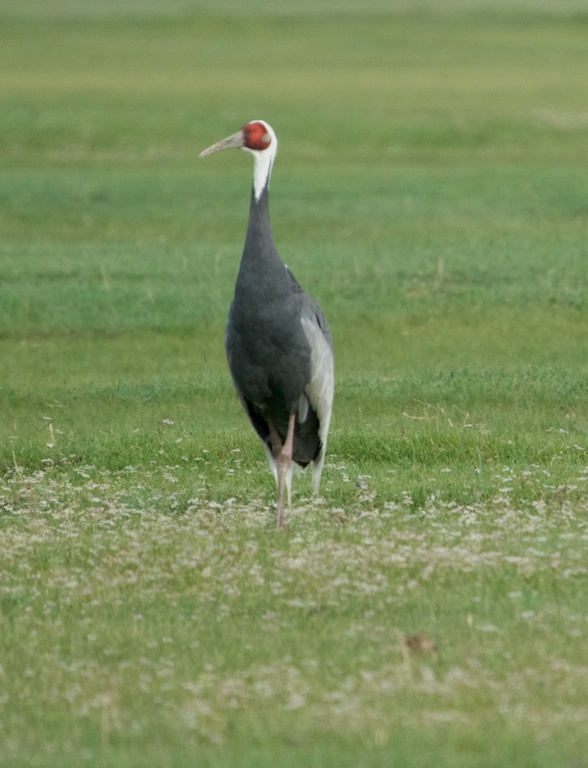
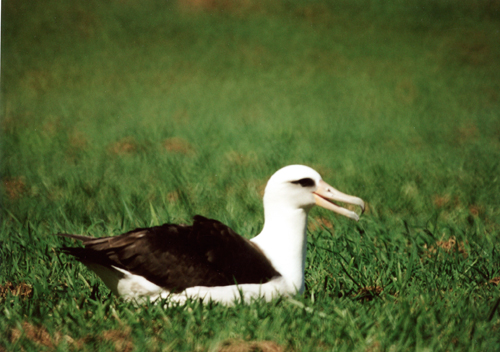
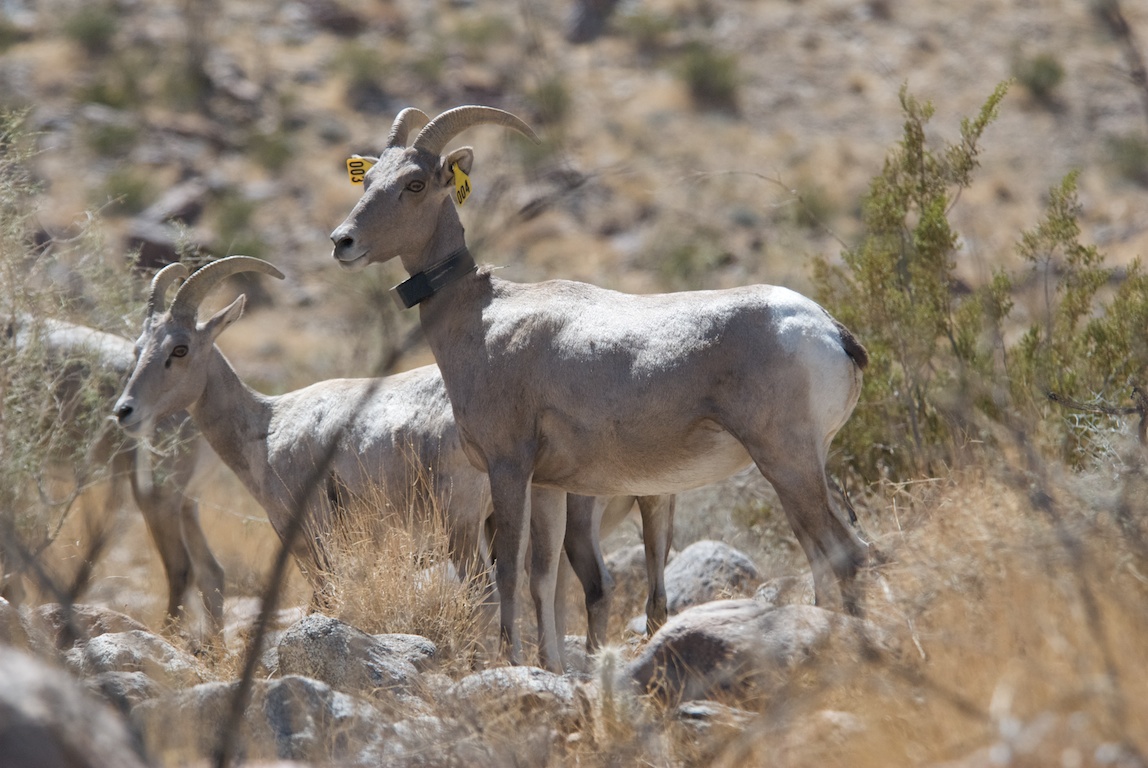
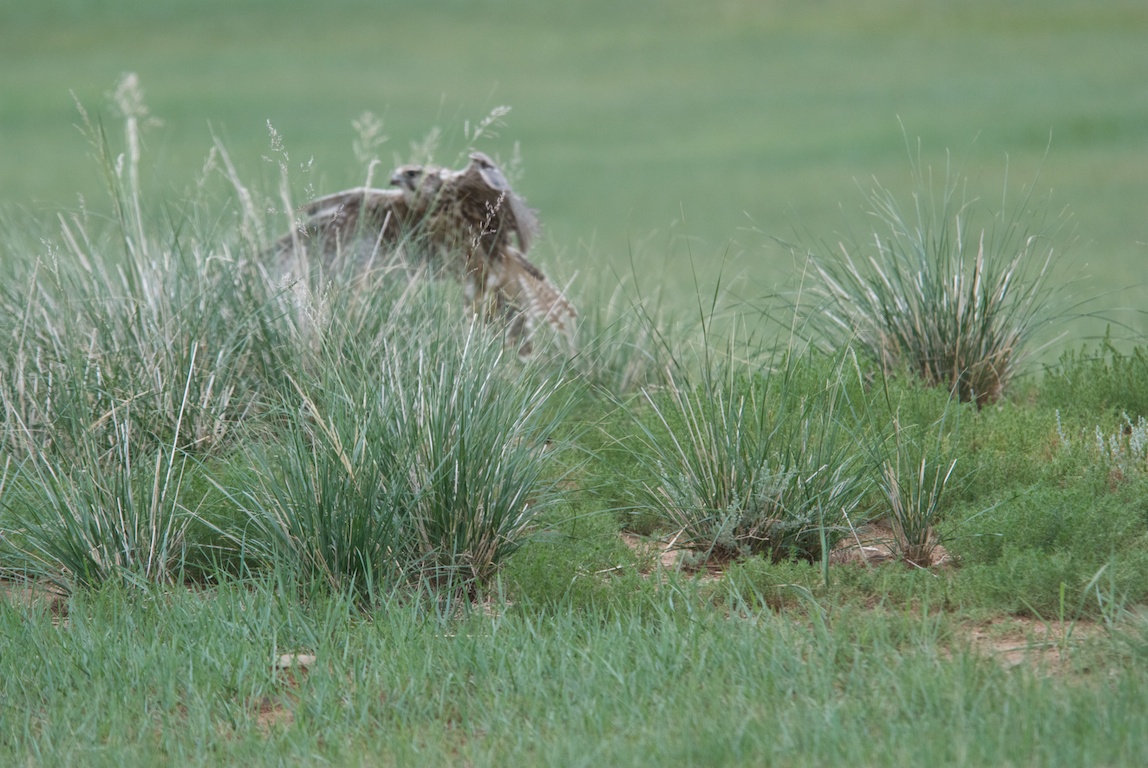
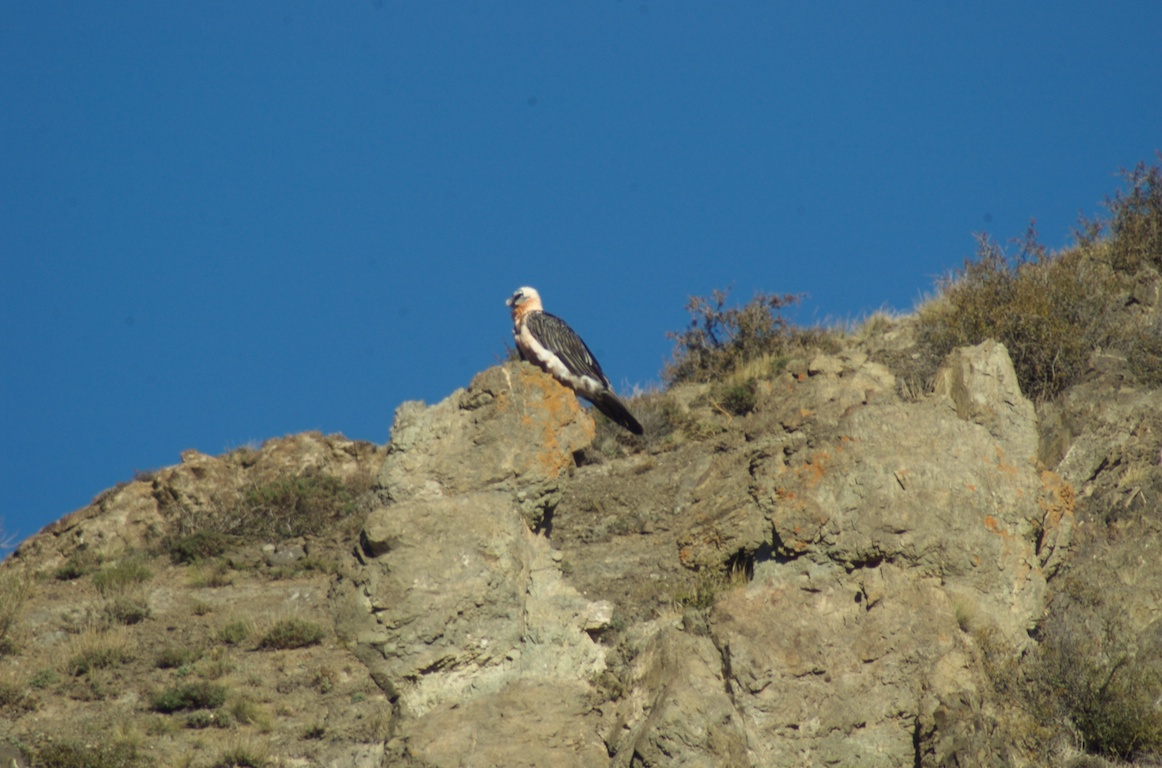
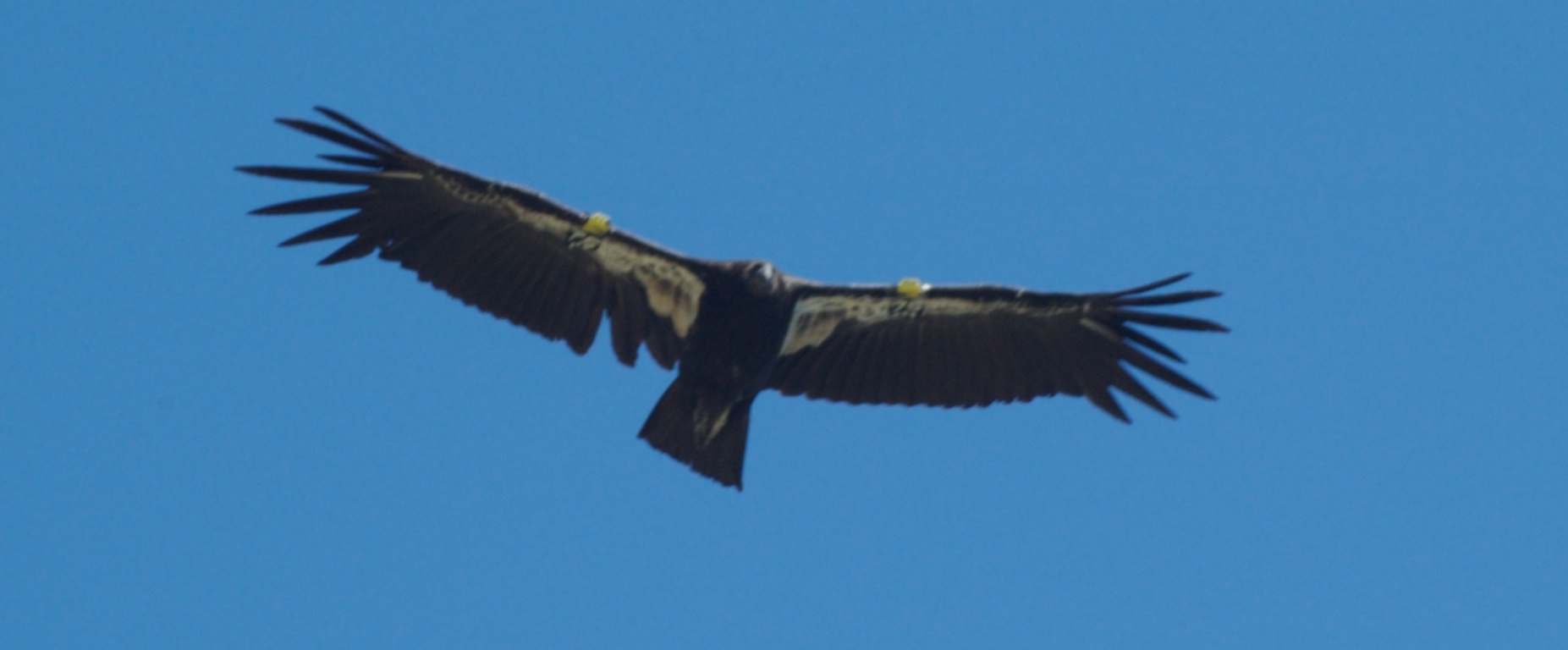
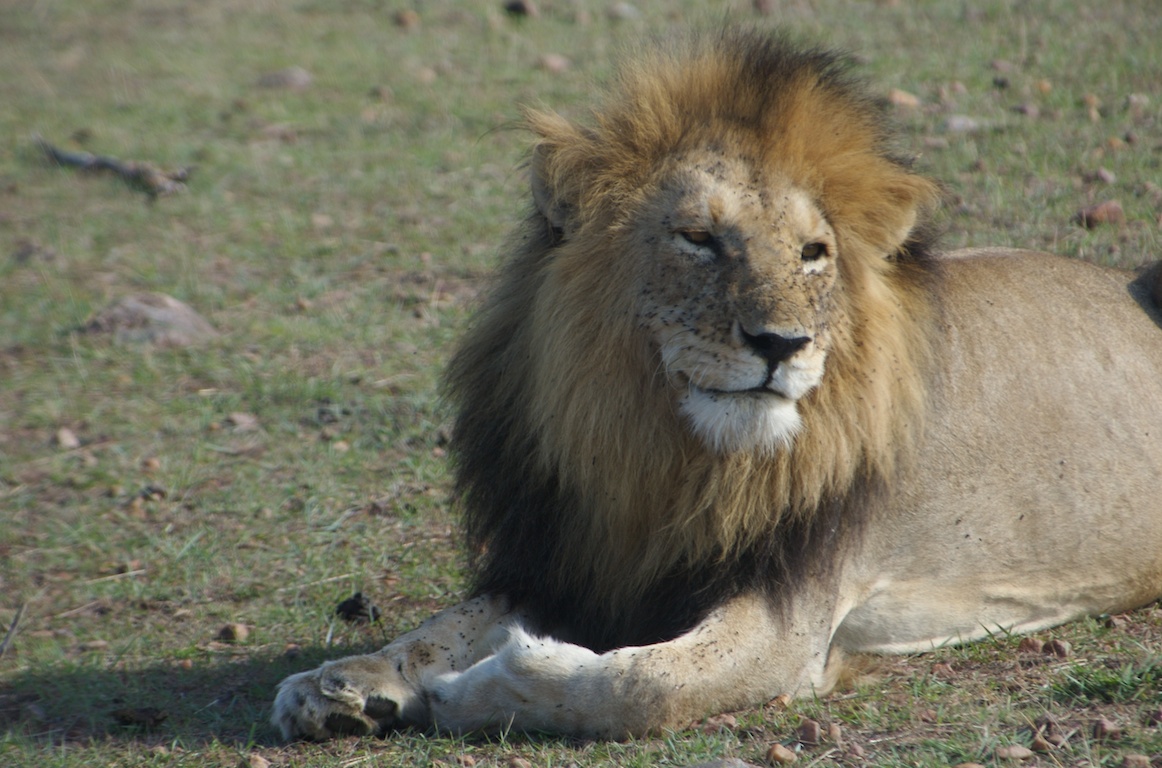
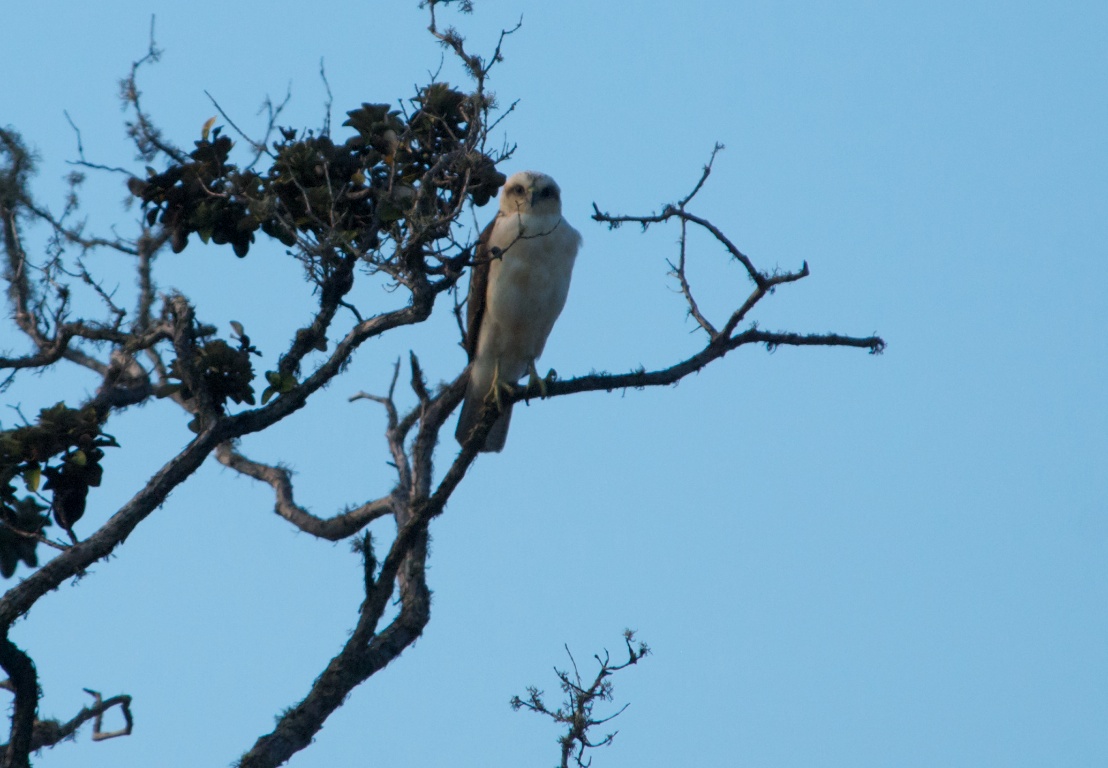
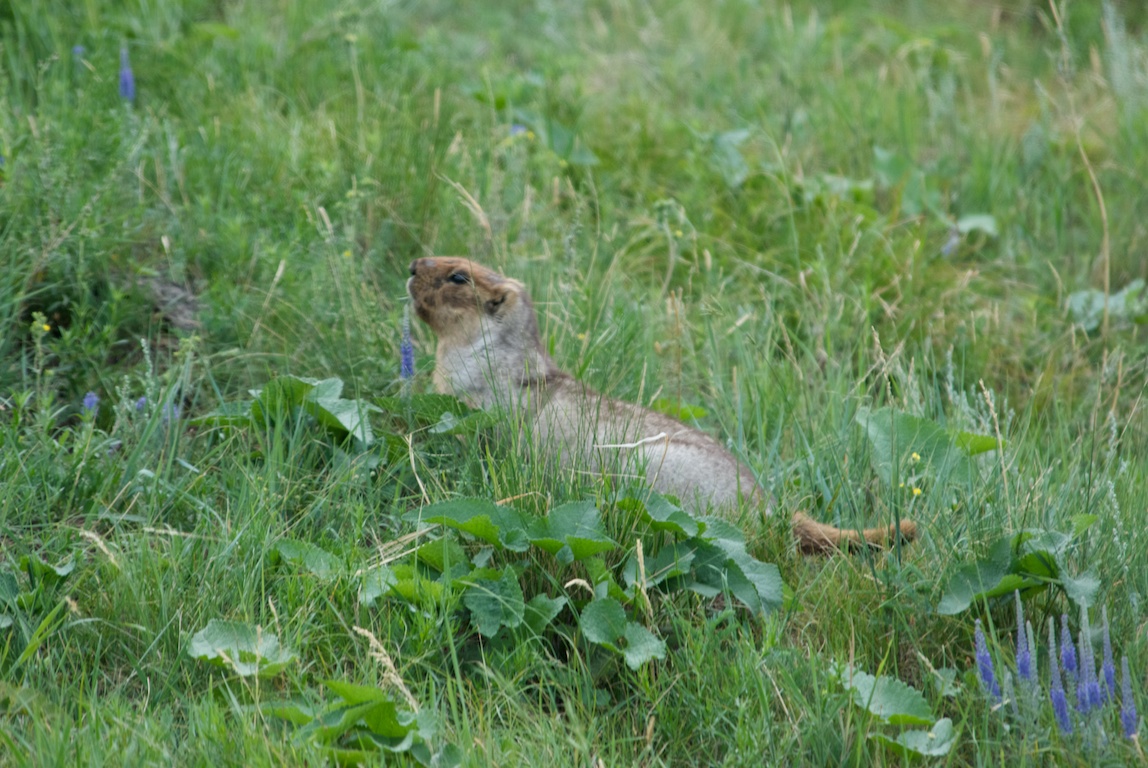
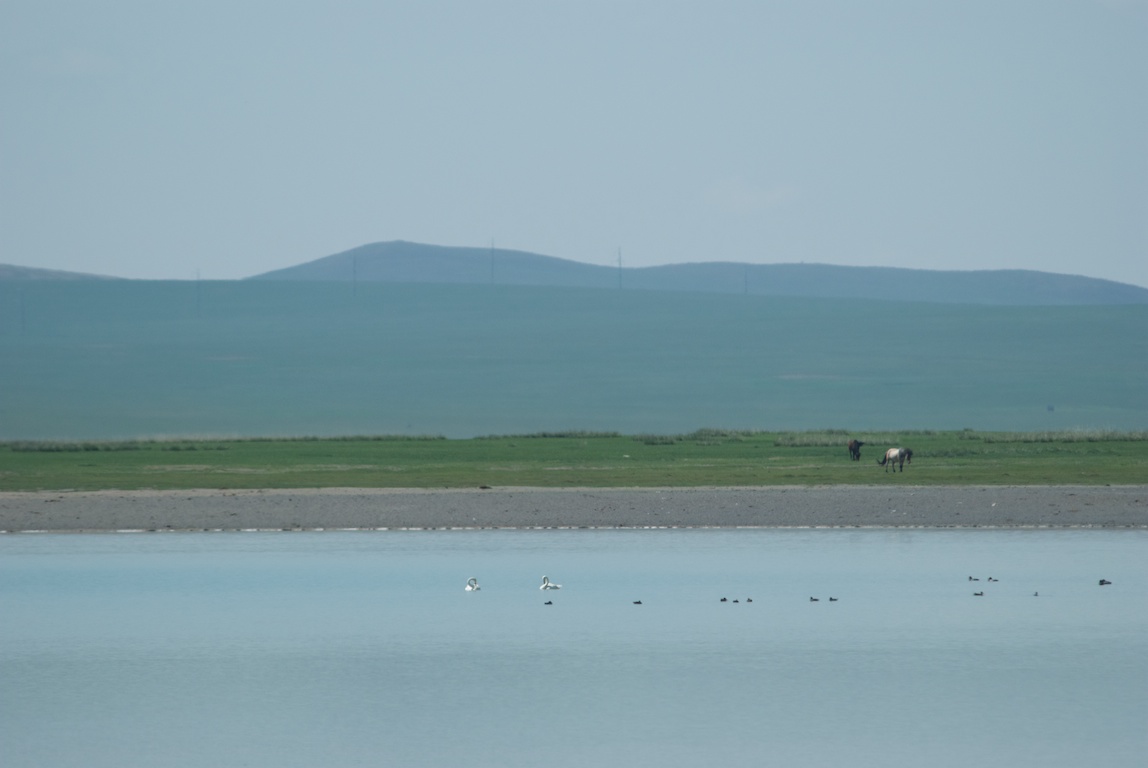
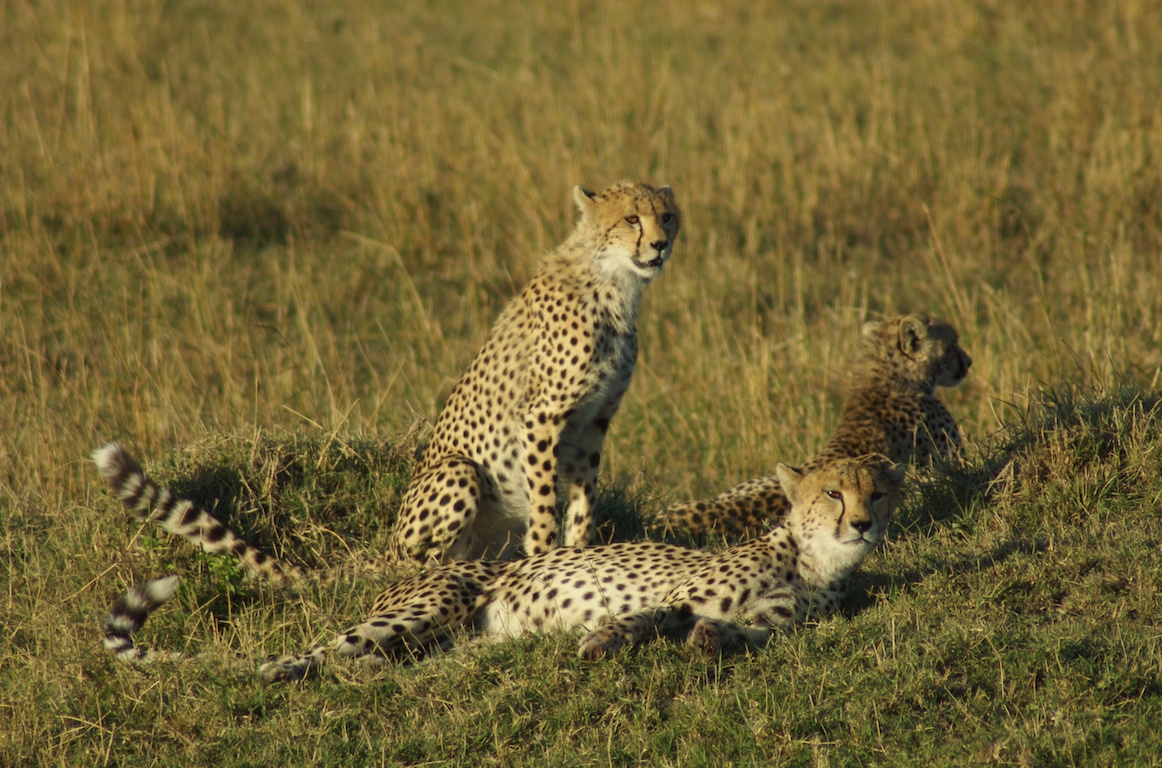
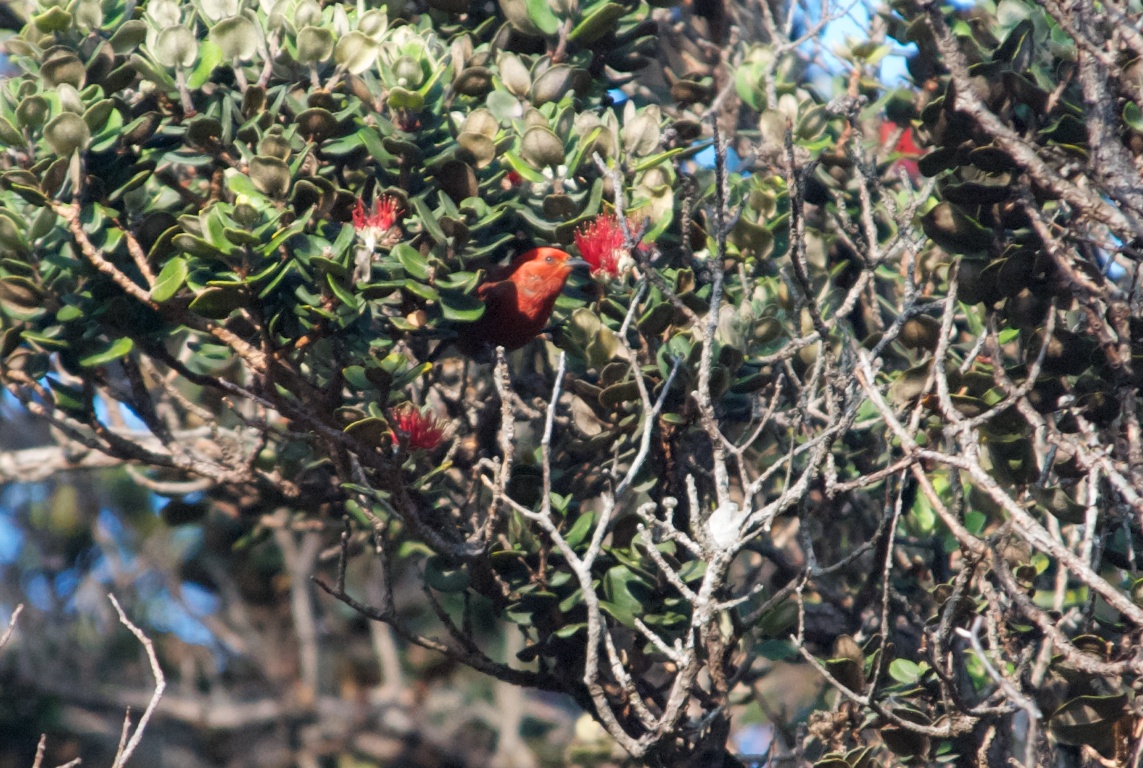
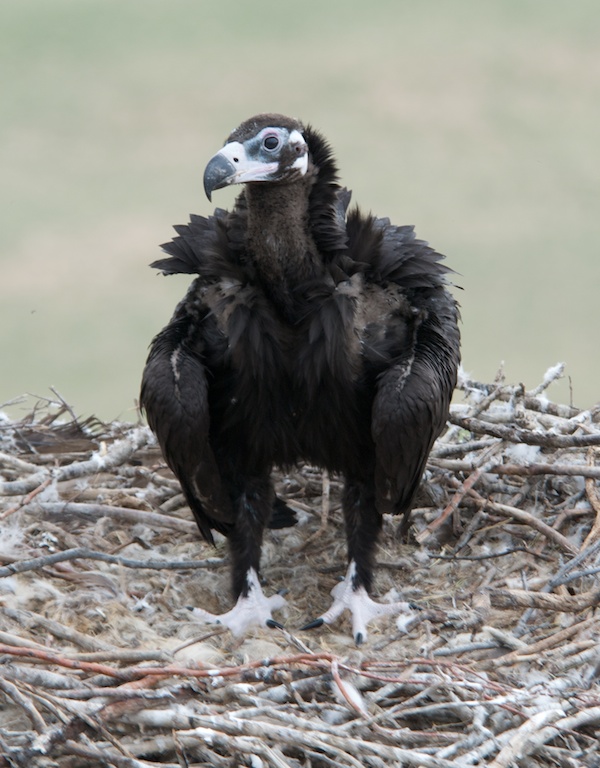
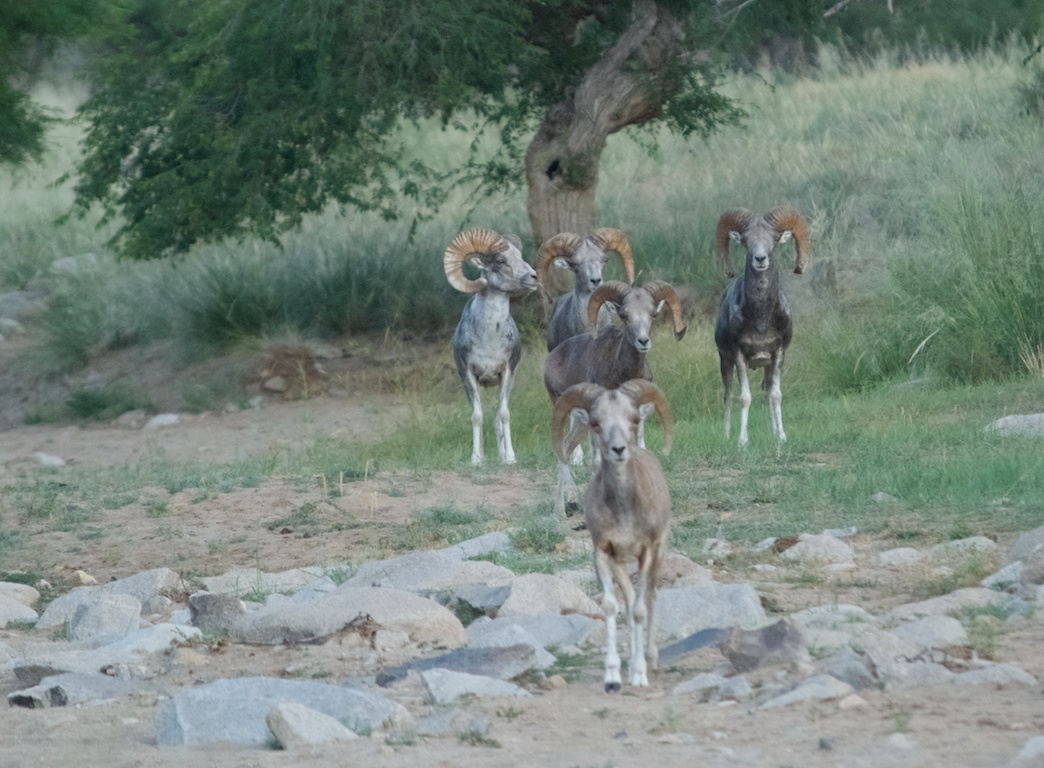
Takhi, Hustai National Park, MongoliaMonk Seal, Kauai, Hawaii, United StatesWolf, Lamar Valley, Yellowstone National Park, Wyoming, United StatesWhite-napped crane, Gun-Galuut Nature Reserve, MongoliaWhite Rhino, Lewa Downs Conservancy, KenyaLaysan Albatross, Kauai, Hawaii, United StatesTule Elk, Point Reyes National Seashore, California, United StatesRothschild's Giraffe, Soysambu Conservancy, KenyaNene, Hawaii Big Island, Hawaii, United StatesDesert Bighorn, Anza-Borrego State Park, California, United StatesGrizzly Bear, Yellowstone National Park, Wyoming, United States (Bear 264)Saker Falcon, near Hangai Mountains, MongoliaGreen Sea Turtle, Hawaii Big Island, Hawaii, United StatesGrevy's Zebra, Lewa Downs Conservancy, KenyaLammergeier, Gobi Gurvansaikhan National Park, MongoliaCalifornia Condor, Central Coast, California, United StatesAfrican Lion, Masai Mara, KenyaHawaiian Hawk (Juvenile), Volcano National Park, Hawaii Big Island, Hawaii, United StatesSiberian Marmot, Hustai National Park, MongoliaWhooper Swans, Gun-Galuut Nature Reserve, MongoliaCheetahs, Masai Mara, KenyaApapane, Hawaii Big Island, Hawaii, United StatesTrumpeter Swans, Yellowstone National Park, Wyoming, United StatesCinereous Vulture (Juvenile), Baga Gazriin Chuluu Nature Reserve, MongoliaArgali, Ikh Nartiin Chuluu Nature Reserve, Mongolia









 Susan Fox, American Artist