Weight, length: Cinereous vultures are the largest eurasian bird of prey and one of the largest flying birds. They are 98–120 cm (39–47 in) long with a 2.5–3.1 m (8.2–10 ft) wingspan and weigh 7–14 kg (15–31 lb)
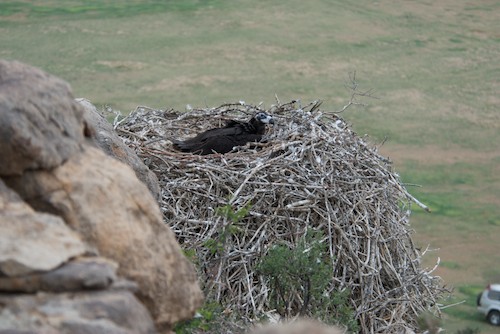
Adult and juvenile on nest, near Baga Hairhan Uul, July 2010
Best places to see cinereous vultures: Ikh Nartiin Chuluu Nature Reserve, Baga Gazriin Chuluu Nature Reserve, but common in many parts of the country.
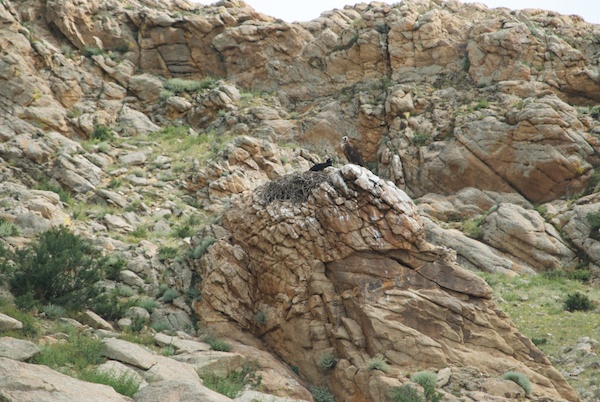
Vulture at Baga Gazriin Chuluu, July 2009
Interesting facts:
-They are also known as the European black vulture due to the very dark color of the juveniles. The adult’s head plumage gets lighter as the bird ages.
– It has recently been established through the identification of wing-tagged birds, that a number of juvenile birds from Ikh Nart are migrating to South Korea during the winter. They are showing up at feeding stations.
– It is more common for the species to nest in trees in western parts of its range, but in Mongolia nests on cliffs are more often seen. At Ikh Nart the birds nest in some of the elm trees and a bird was recently photographed on a nest built in a larch tree in the northern mountains.
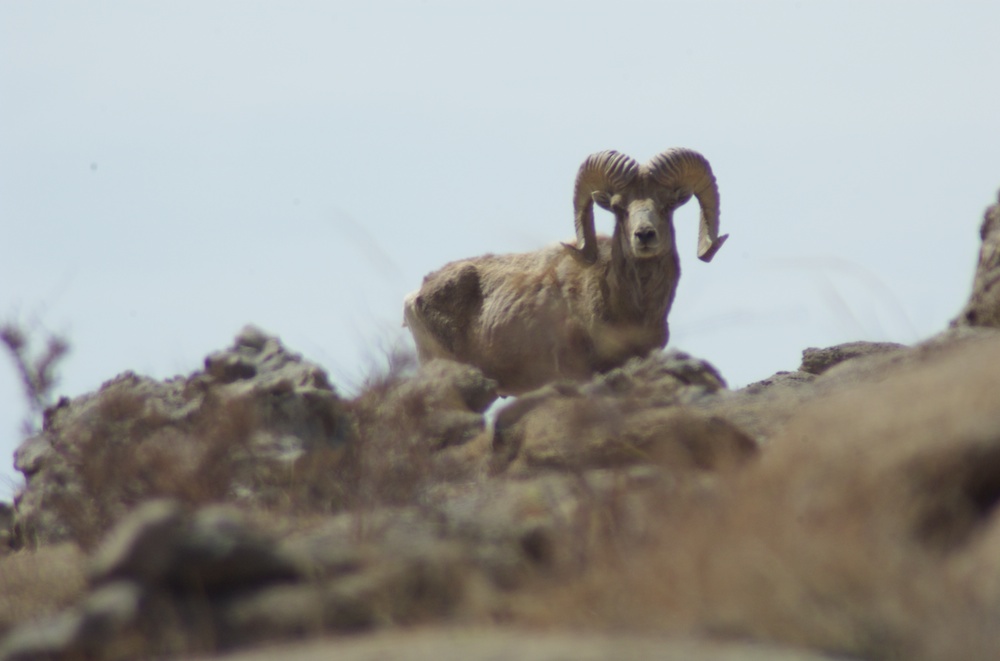
Ikh Nartiin Chuluu argali ram, April 2005: This big old ram let me follow him around for about half an hour.
I’m starting the New Year with a new series on Mongolian wildlife. These will be short profiles with essential information and interesting links. First up is the animal which brought me to Mongolia in the first place, the argali, now one of my favorite subjects.
Species: Argali (Ovis ammon)
Weight, height and horn length: Argali are the world’s largest mountain sheep. A large ram can weigh as much as 375 lbs (65-170km). They stand from 3-4″ (90-120cm) at the shoulder. The horns can measure up to 65″ (165cm).
Argali rams, Gun-Galuut Nature Reserve, July 2009; I peeked over the ridge (after dragging my oxygen-starved body up a steep slope following my guide) and what should I see...a big group of argali rams, twelve in all.
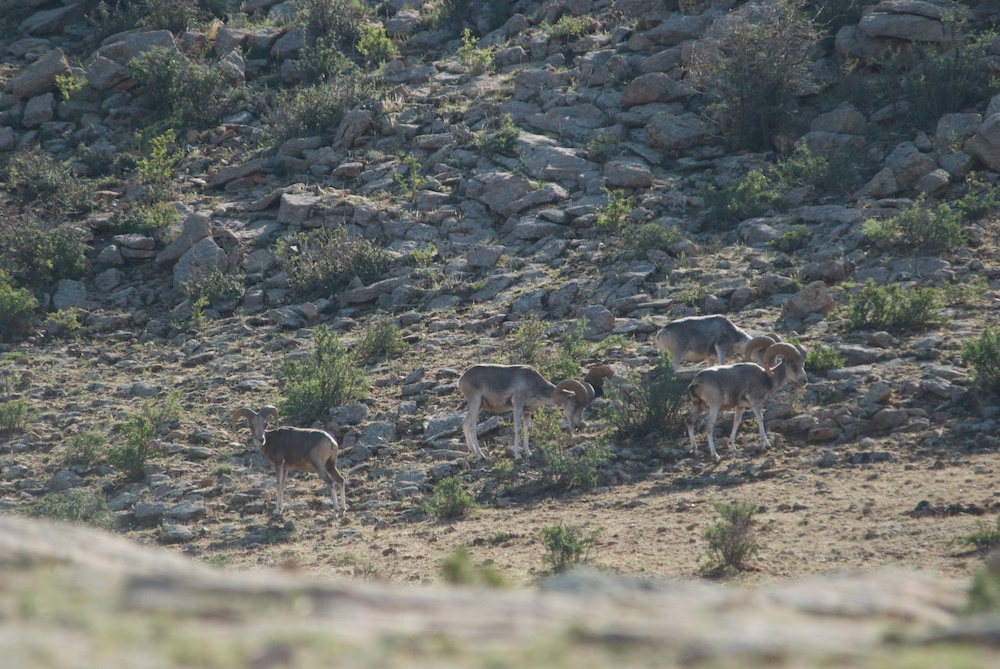
Argali rams, Baga Gazriin Chuluu, July 2009; Same trip as above, but this time the sheep were within sight of the road. I simply stood by the car and took lots of photos of these six beautiful boys
Habitat preference: mountains or large areas of rocky outcroppings in the desert steppe, some open desert; more recently found in mountain steppe (Gun-Galuut Nature Reserve)
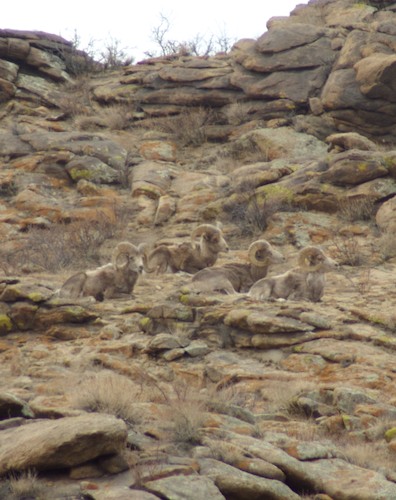
Argali rams, Ikh Nartiin Chuluu, August 2010; In all my six trips to Mongolia, going out to see argali every time, this sighting was the jackpot....five rams less than 50 yards away and I had them to myself for at least an hour.
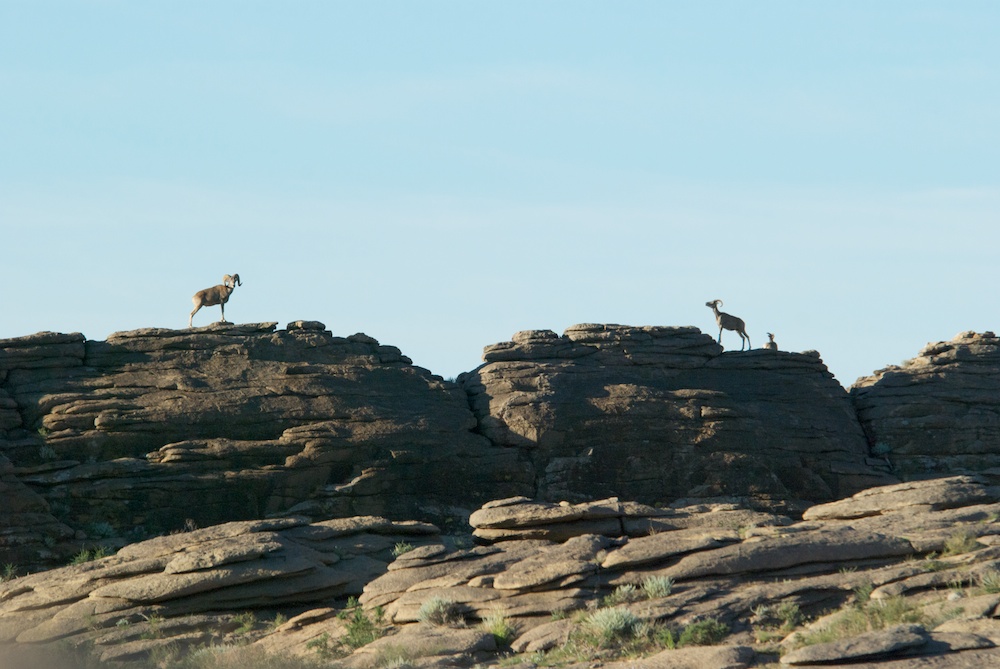
Argali ram, ewe and lamb, Ikh Nartiin Chuluu, July 2011; Typical sighting of argali up on the rocks.
Interesting facts:
-There are no argali in captivity, neither zoos or reserves. The only place to see them is in their native habitats.
– While the rams do fight it out during the annual rut for mating privileges, otherwise argali don’t have set herds or harems. Who is with who can change through the day. Rams mingle freely with ewes and lambs, form bachelor groups or wander around on their own.
– In July of 2009, I was in the right place and the right time to be the first person to ever photograph an argali swimming a river…the Kherlen Gol, which flows through Gun-Galuut Nature Reserve. It was known that they do it, but since almost all the research on them is done at Ikh Nartiin Chuluu, where there are no rivers, no one had ever actually seen, much less photographed, it.
I’m going to start a short series for the holidays of “albums” with images I’ve shot of various types of animals and species that I’ve seen on my travels to Mongolia.
First up are the birds I saw on this latest trip in August 2011. If you see a mis-identified bird, please let me know. The field guide situation for Mongolian birds is still not what it needs to be.
Finally, we didn’t go hunting for any of these birds. They are what I saw as we drove around or walked in the reserves and parks. Mongolia is an extraordinary birding destination that deserves to be better known.
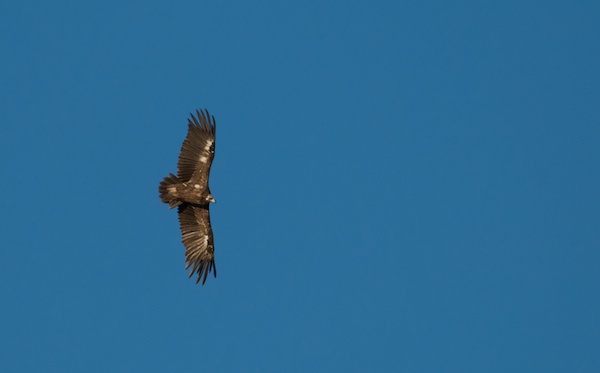
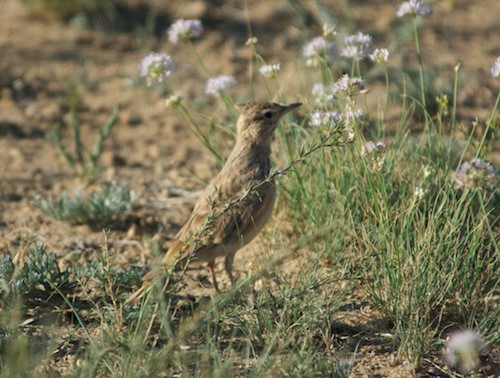
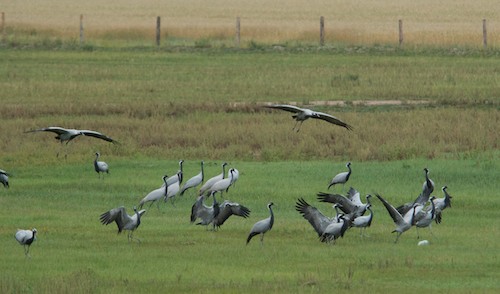
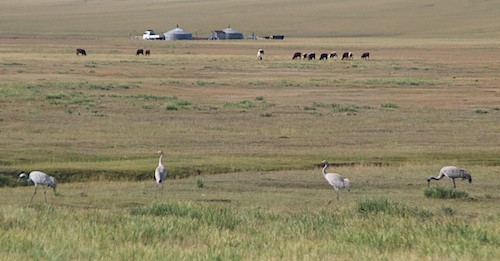
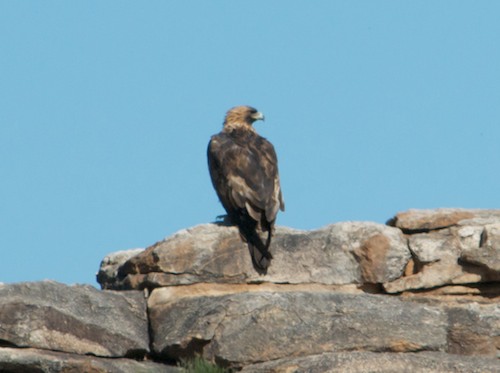
Daurian partridges, Hustai National ParkCrested lark, Ikh Nartiin Chuluu Nature ReserveHoubara bustard, just outside the northern boundary of Ikh Nartiin Chuluu Nature Reserve (this may have been a rare sighting)Whooper swan, Gun-Galuut Nature ReserveDemoiselle cranes, coming into Erdenet soum; part of a large flockEurasian (or Common) cranes, somewhere near Hayrhan, Arkhangai AimagWhite-napped cranes, Gun-Galuut Nature Reserve (endangered)Grey wagtail, Tuul Gol, Jalman Meadows, Khan Khentii MountainsJapanese quail chick (?), Gun-Galuut Nature ReserveCommon magpie, east of Horgo Terhiyn Tsagaan Nuur National ParkDaurian jackdaw, Amarbayasgalant KhiidCinereous vultures, Ikh Nartiin Chuluu Nature ReserveSteppe eagle, Jalman Meadows, Khan Khentii MountainsGolden eagle, Ikh Nartiin Chuluu Nature Reserve
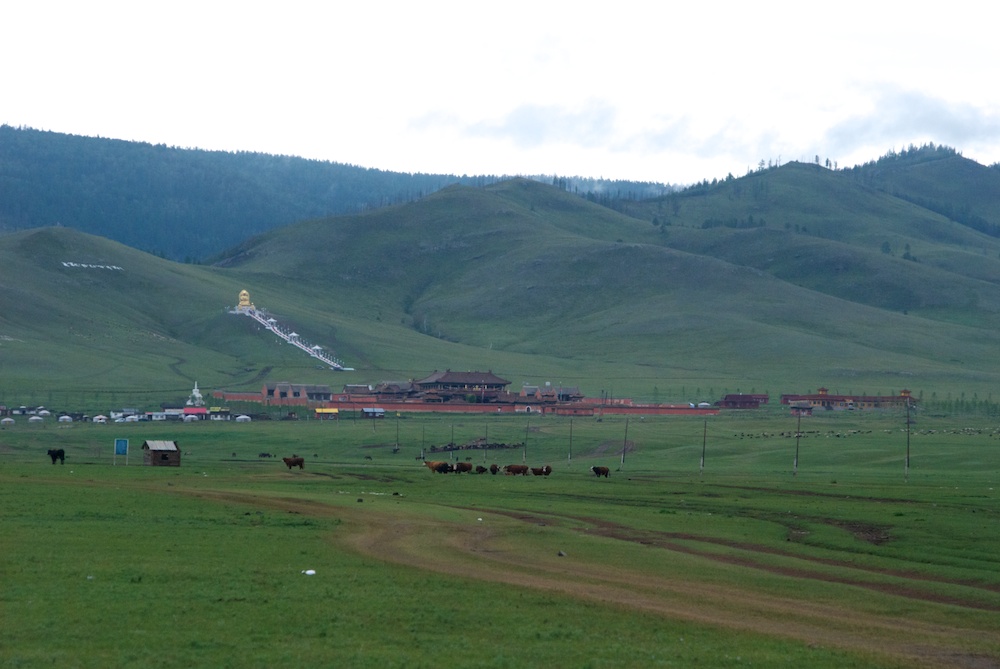
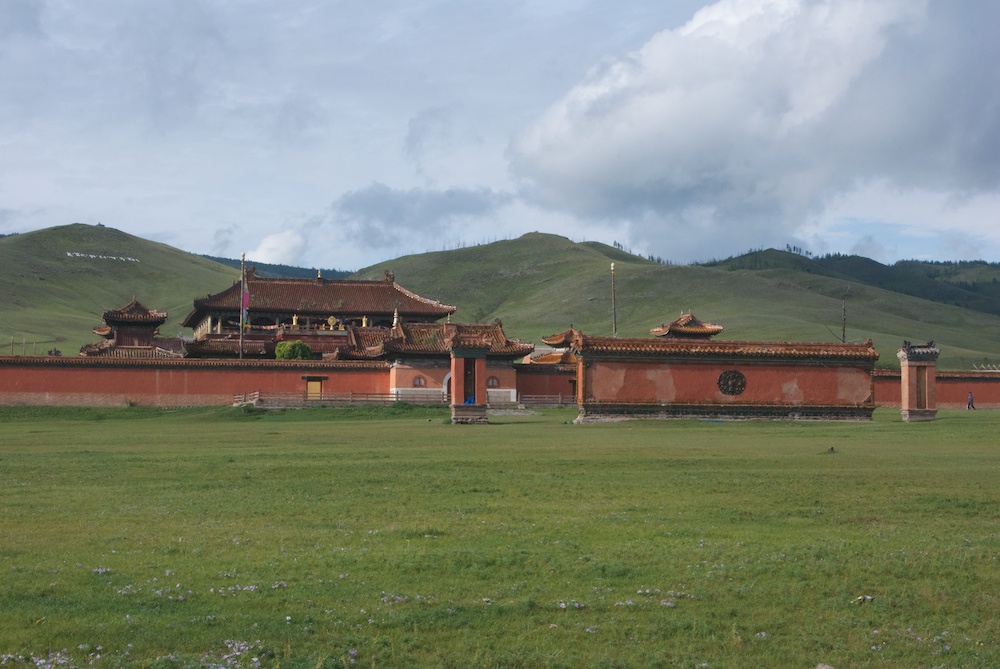
I’d heard about this large monastery to the north west of Ulaanbaatar and decided that I wanted to see it, along with the northern mountains. It is one of the three most important khiids in Mongolia, along with Gandan in Ulaanbaatar and Erdene Zuu, which is adjacent to the site of the old Mongol imperial capital Kharkhorin and built partly with stones from it. I’d already visited them.
Nomadic Journeys put together a one week camping trip for me on short notice and Amarbayasgalant Khiid (“khiid” means “monastery” in Mongolian) was the first stop. And was it ever worth the drive, even though there’s a somewhat tacky ger camp very close to the complex that needs to be moved.
The monastery was built between 1727 and 1737 by a Manchu emperor, so the architectural style is Manchu. It survived the destruction of most of the monasteries in Mongolia in 1937, but now there are around 60 monks in residence instead of over 2000.
Unfortunately, there are no guide books, or at least I haven’t been able to find anything, so I can’t offer a lot of information on what is in the photos. But I hope you’ll enjoy a look at a very special place.
First view of Amarbayasgalant Khiid, situated at the head of a lovely valleyThe main entry gate
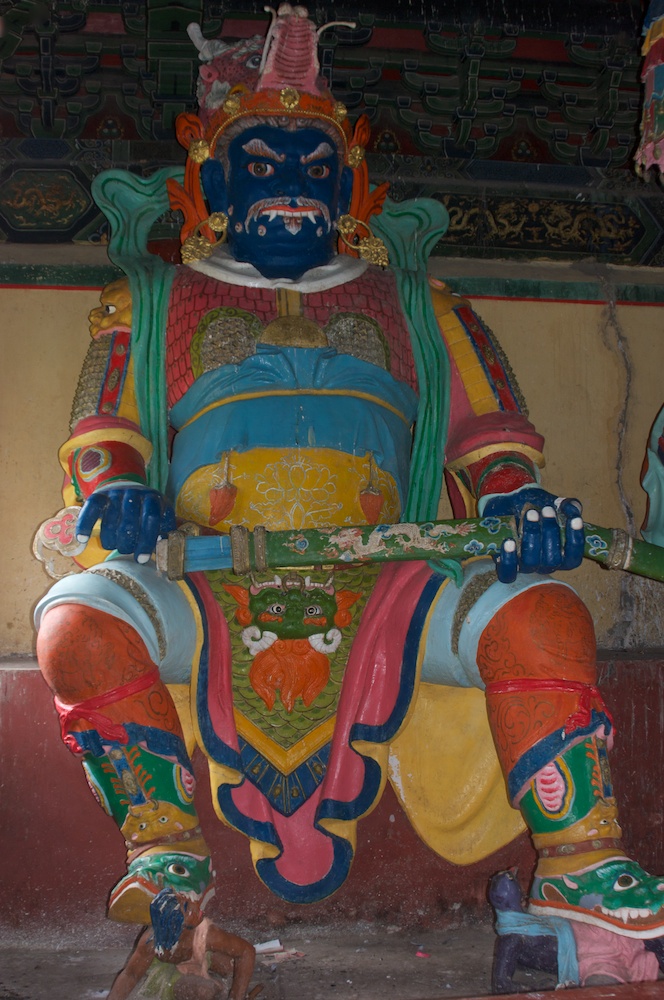
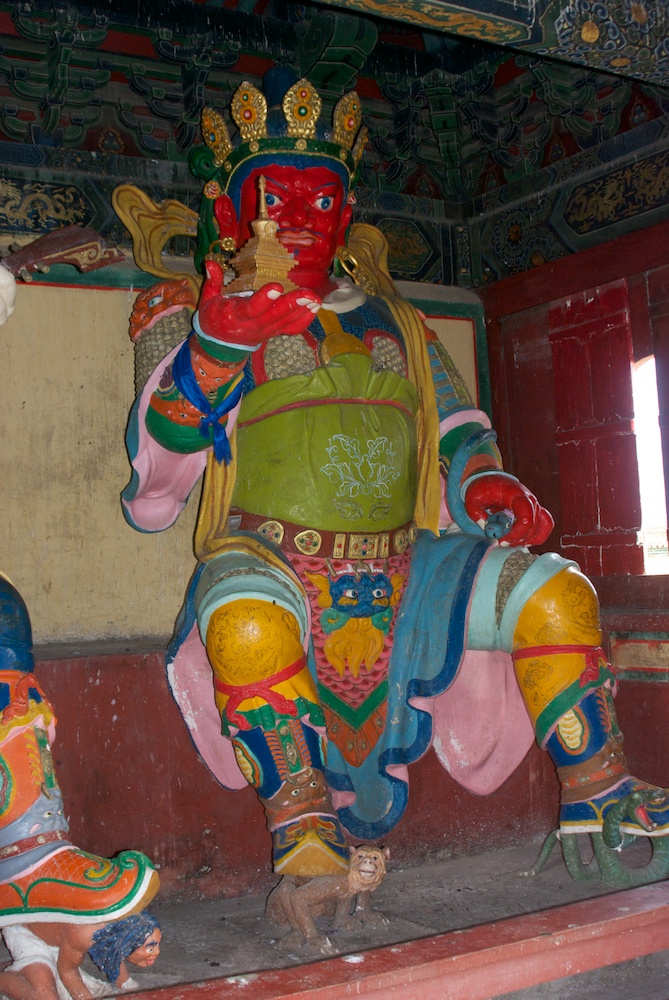
Unfortunately, my guide’s English was only ok and I didn’t have a way to take notes, so I don’t know who these statues are of and what they symbolize.
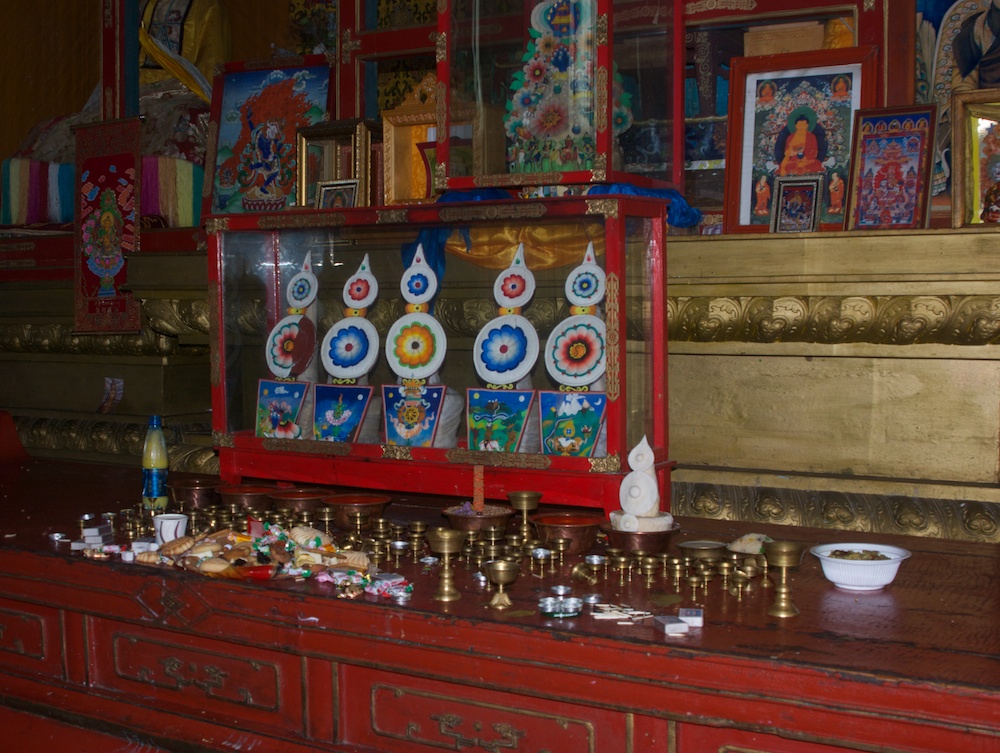
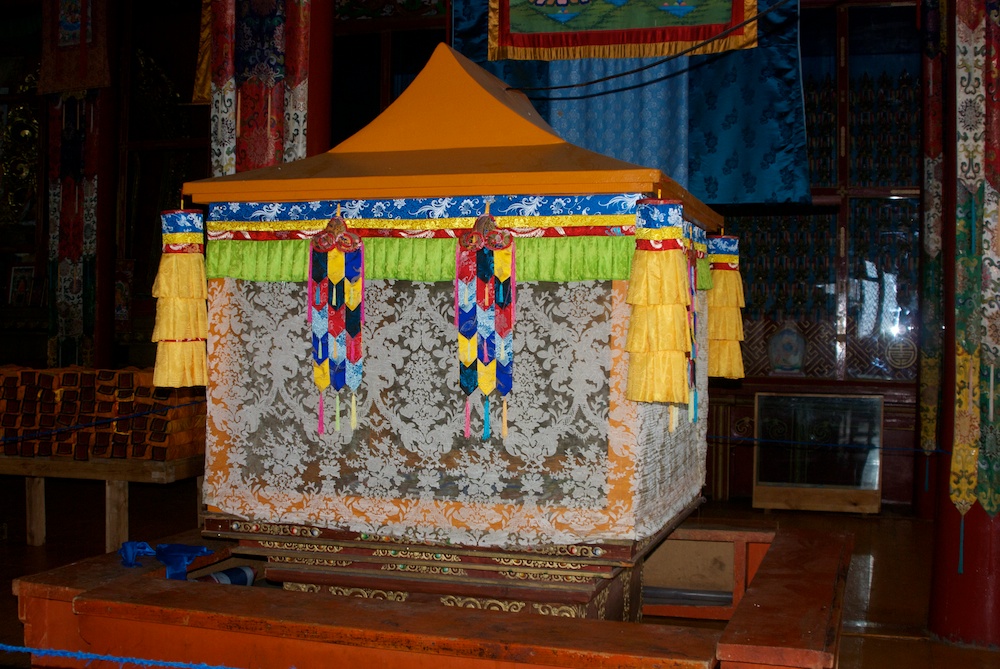
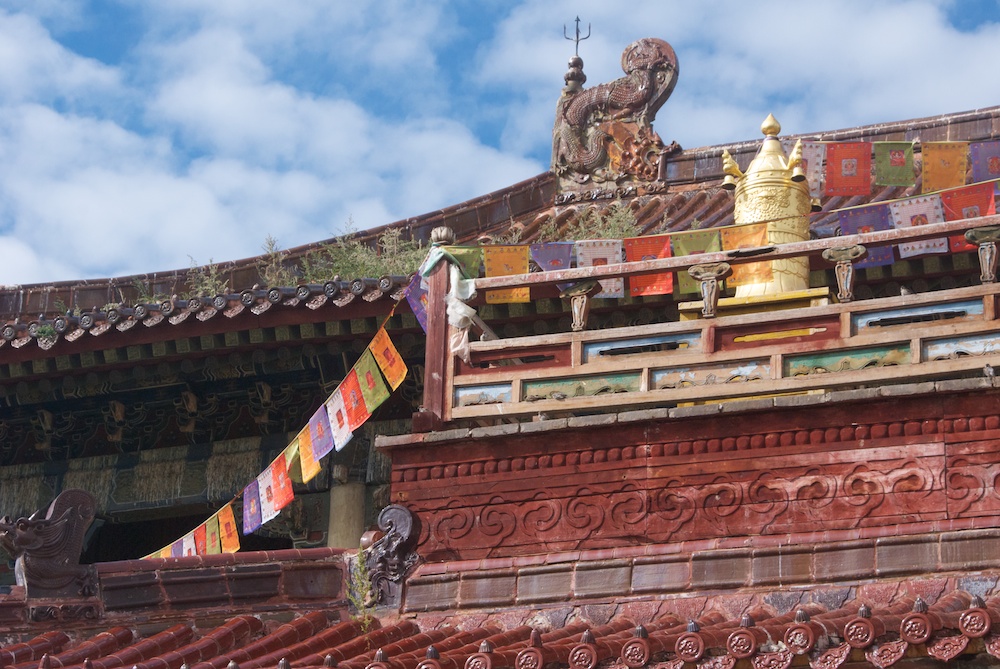
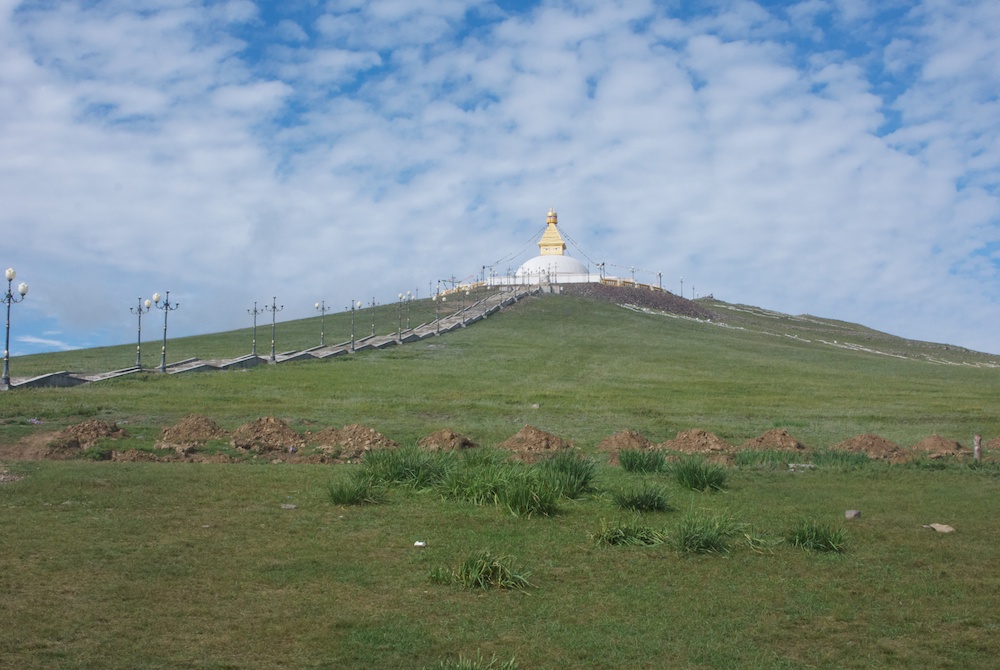
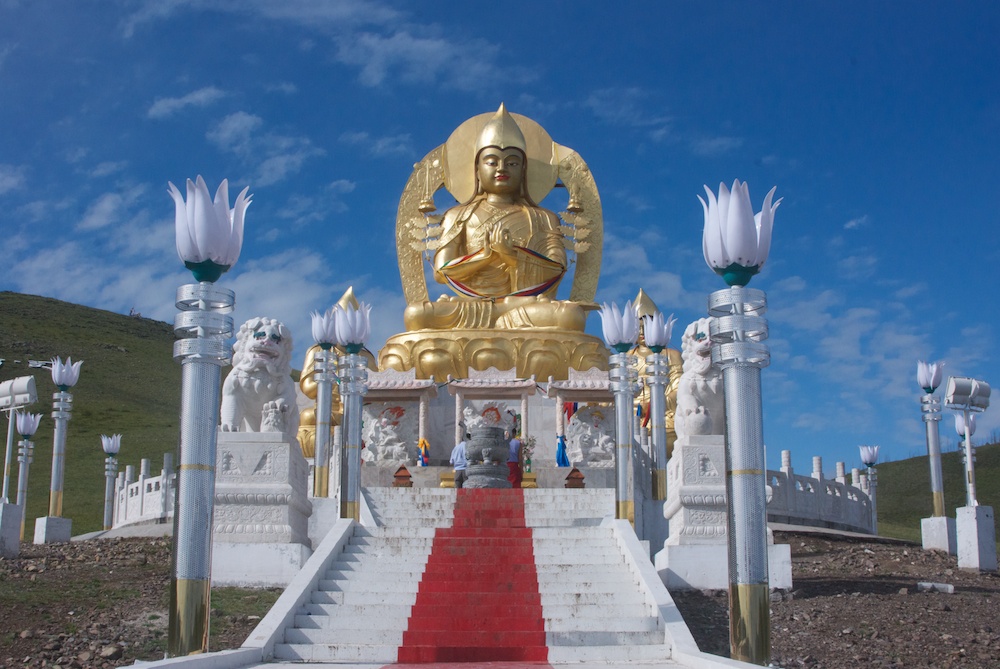
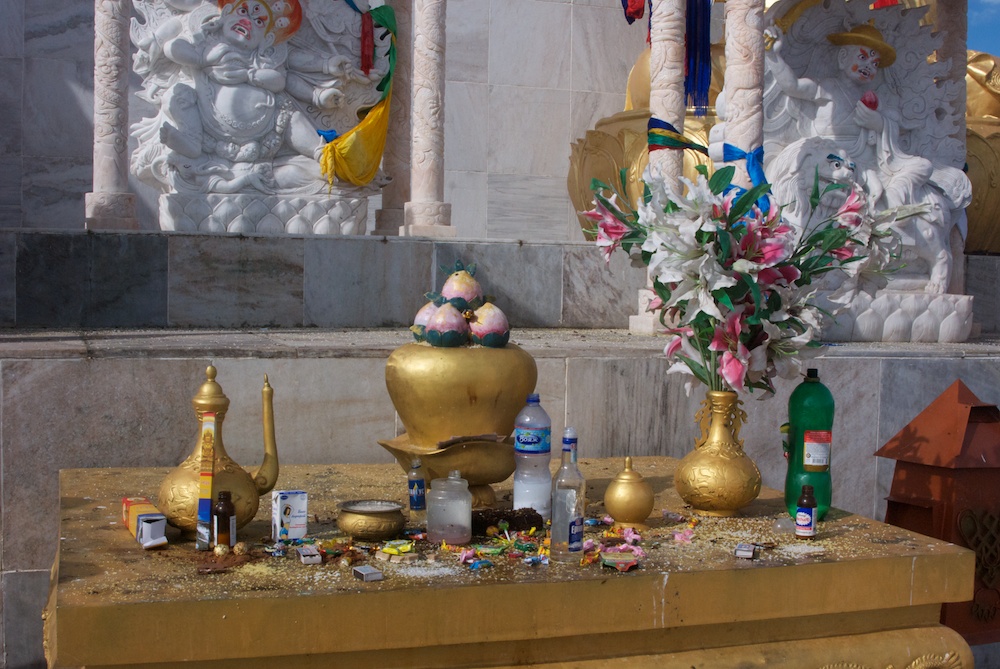
Statue inside gatehouseStatue inside gatehouseStatue inside gatehouseStatue inside gatehouseThe main templeOne of the altarsI was told there was a model of Shambala withinCeremonial drumAn example of the beautiful decorative paintworkLayers of decorationWheel symbol over temple entranceStudent monks passing byNew stupa; yes, we went all the way to the topThe view from the stupaThis Buddha was on an adjacent hill; I definitely got some exercise while I was thereOffering tablea charming decorative touchI was told that a Lama had spent four years in the building meditating and that it was now a schoolLast look at we headed off to our campsite about a kilometer away

























 Susan Fox, American Artist