

I leave for Mongolia a week from tomorrow!
I posted about one of the three WildArt Mongolia Expedition destinations here. Today I’m going to cover the other two- the Altai Mountains and Sharga. The difficulty is that I have never been to any of them, so I don’t have any images to share. For Takhiin Tal, I used a photo from Khomiin Tal, the newest takhi release site, which is to the north. So I’ll post a couple of my own images that show similar terrain, based on what I’ve seen for both on Google Images.
The Mongolian Altai Mountains in Mongolia are the extension of a range that extends east from Kazakhstan. I saw the Gobi Altai Mountains during my 2010 two-week camping trip when we went to Orog Nuur, a remote lake. Farther west they are much higher and more rugged. The Expedition is going in September to be there between the summer heat of the Gobi and snow beginning in the mountains. We will go to the Altai Mountains first, in early September, but snow is still a possibility, so I’ll have a down bag and thermals, just in case.
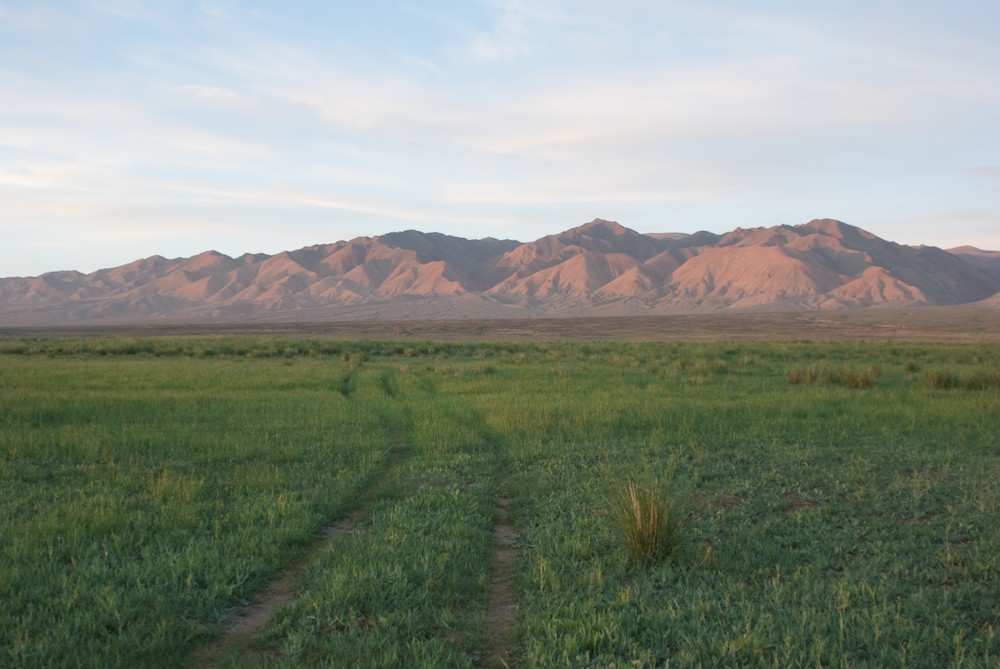
The reason we’re going is to see snow leopard habitat. These elusive cats are essentially impossible to spot. Researchers who have trapped and collared them have walked away and looked back to where they know they left the cat and have been utterly unable to see it. But we’ll keep an eye out anyway.
Sharga was an area of Mongolia that I had not heard of until I added saiga antelope to the list of the Expedition’s featured species. They are critically endangered. Less than twenty years ago there were over a million. The population crashed to under 50,000 in ten years, the most extreme drop ever seen in a large mammal species. Poaching and lax law enforcement after the fall of the communist government in the 1990s were the cause. Intense conservation efforts are under way to save them and build up the population, something we plan to learn more about.
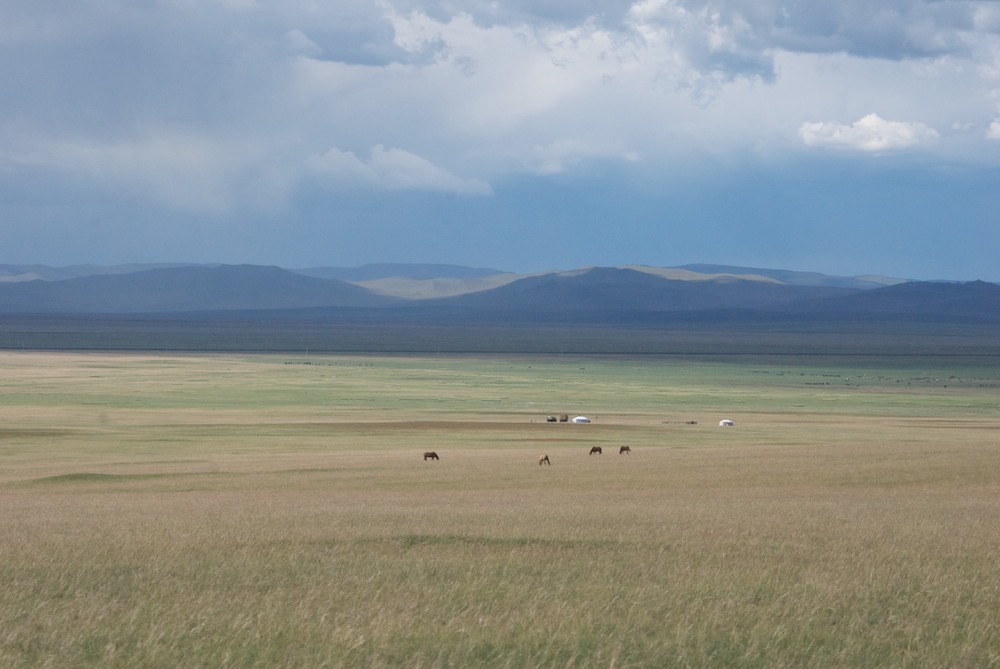
Sharga has some of the last stretches of the vast steppe grasslands that once extended from almost the Pacific west into Hungary. It is an area also known for producing what are considered by many to be the best horses, called Sharga Azarga, in a country that seriously knows horses.
Arrangements are being made for a local reserve ranger to accompany us to help spot the saiga since they apparently now run at the slightest sight of humans and understandably so.
One of the missions of the WildArt Mongolia Expedition is, by traveling to these remote, beautiful places, to use the art that we will create to draw attention to them and the wildlife that lives there.
 Susan Fox, American Artist