I’ve been back home in California for a week now after eight great weeks in Mongolia . I’ve downloaded and started to categorize over 9000 images. All my journal and sketchbook drawings, along with the watercolors I did, have been scanned or photographed. Now it’s time to share both the WildArt Mongolia Expedition 2014 and then some of the other special places and experiences I had. You can find general information on the Expedition here.
The Expeditiion’s first stop this year was the Steppe Nomads Eco Camp, located in the Gun-Galuut Nature Reserve, which is about two hours east of Ulaanbaatar. This is my third time there and, as expected, it was a great starting point.
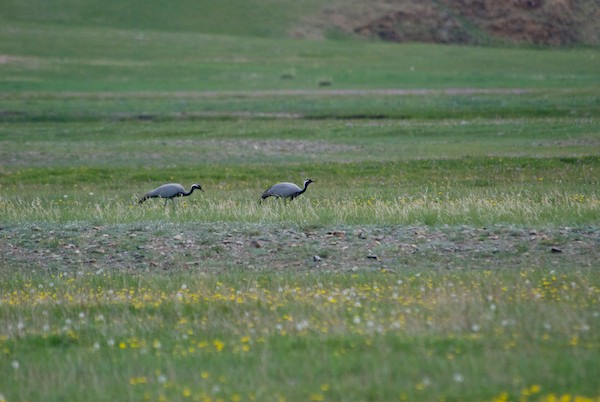
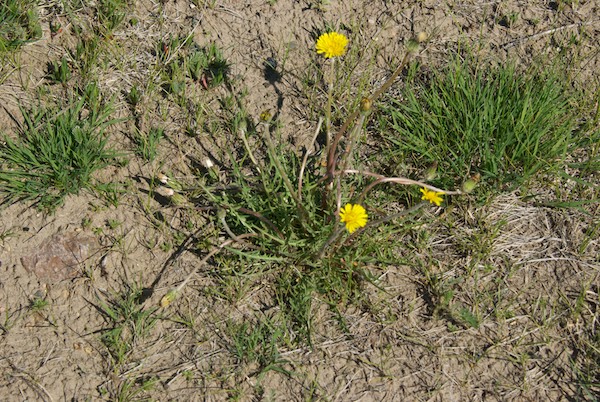
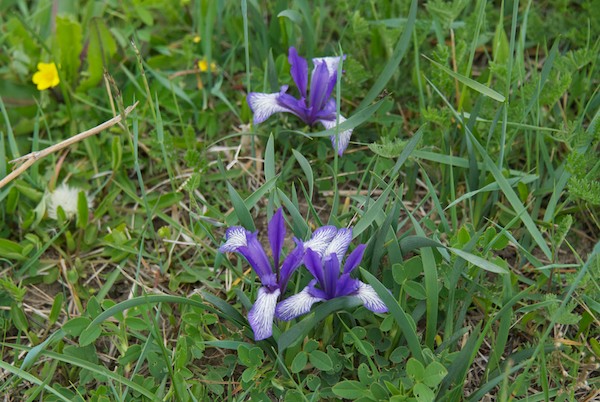
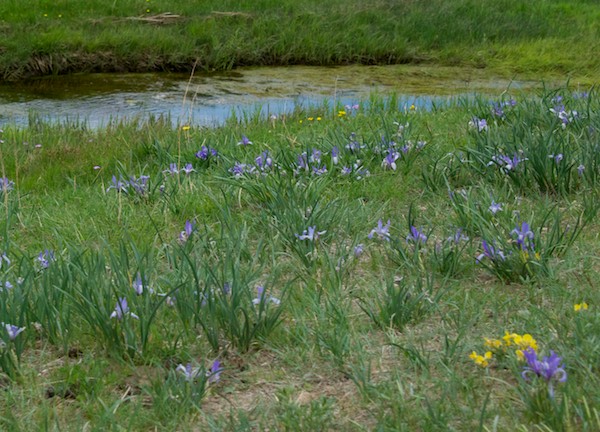
Close-up of the flowers, which are a species of wild primrose (Primula farinosa)Baits Uul. There are around 60 argali in the reserve, mostly up on this mountain.Mongolian toad. There are not many species of amphibians in Mongolia, but this toad is found in a variety of places in the country.Kherlen Gol. The river that runs through the reserve.This was a special sighting along the river….an endangered whooper swan and a family of bar-headed geese.We also saw a pair of demoiselle cranes, one of the species on our list.My first reaction when I saw dandelions for the first time in the country here at Gun-Galuut in 2009 was sadness that this “weed” had also invaded Mongolia. Then I remembered….here they’re a native!Beautiful bi-color iris (Iris lactea)Wild iris growing by the river.Nyambayar Batbayar, a leading crane researcher who has been a Facebook friend of mine for years, was one of the leaders of a group from the International Crane Foundation who were also staying at the ger camp. Nyambaa, who you will meet again a couple of posts from now, was trying to photograph barn swallows in flight. I just happened to be able to catch him with the rainbow in the background.We passed a couple of small lakes on our way north after leaving the reserve. There were horses on both sides of the road, so a great photo op!Mongol horse foal. There were a lot of foals to see and photograph.Then this local herder rode by…This small lake, which was on the opposite side of the road from the one with the horses, is known for the number and variety of birds that can sometimes be seen on and around it. This year there were whooper swans nesting out in the middle. In the background is the Baganuur coal mine. When I first came to this area in 2009, the waste piles were off in the far distance. I was shocked at how close they have come to the lake and the road. This photo sums up one of the major conservation challenges Mongolia faces: balancing the needs of people for fuel and the economic development that resource extraction like mining provides and the needs of wildlife and those same people for a safe and clean environment. Learning about these issues and how art can be of service is really the main goal of my WildArt Mongolia Expeditions.
Next time, we’ll be heading up into the Han Hentii Mountains, on our way to Binder Aimag and the International Crane Festival.
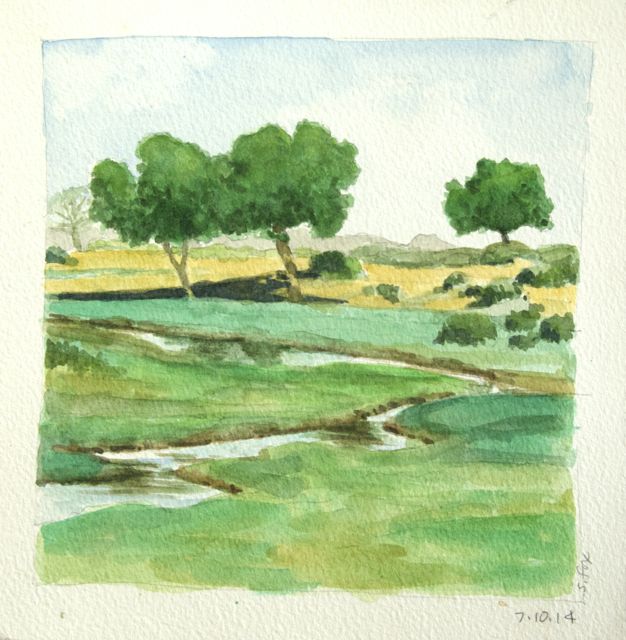
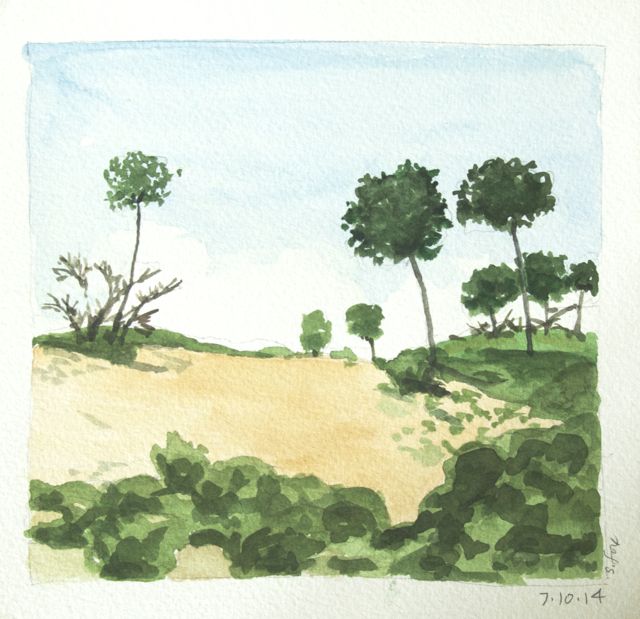
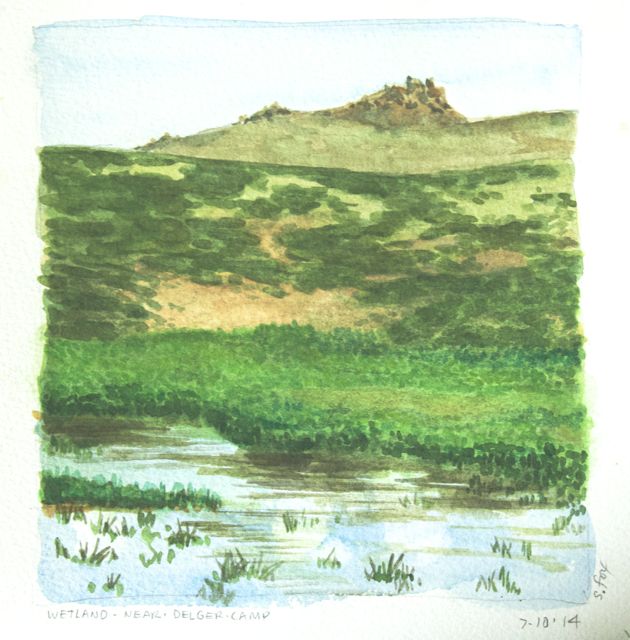
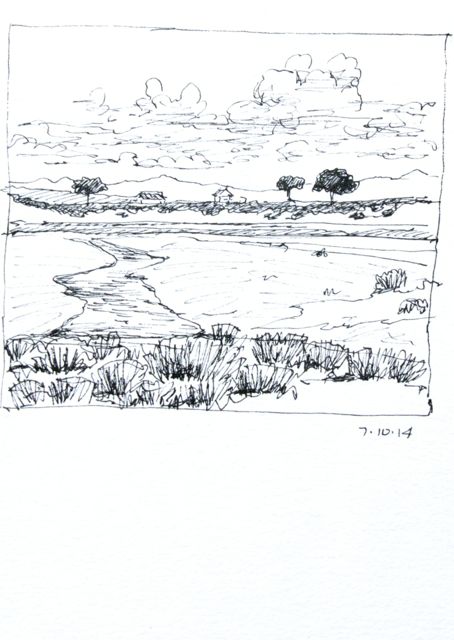
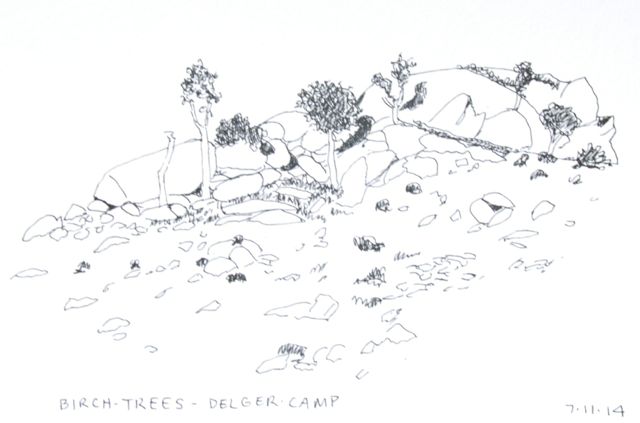
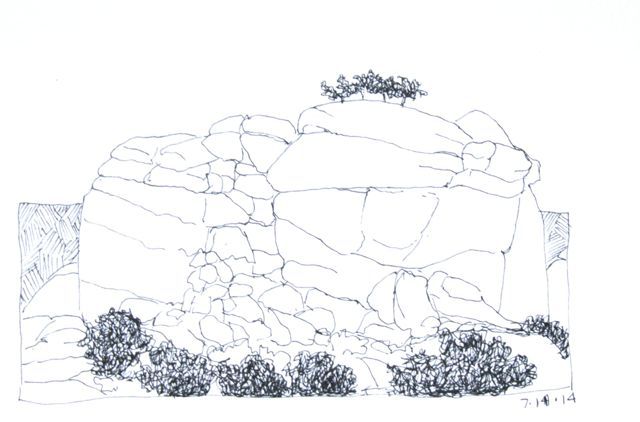
I just returned from four great days at Delger Camp, operated in conjunction with Nomadic Journeys, and which is located at the Khogno Khan Nature Reserve, about six hours west of Ulaanbaatar. Staying in one place for awhile is very useful for getting in serious painting time. I do quick pen and ink sketches while on the road, but there’s usually not time to get out the watercolors.
Along with the paintings and sketches from this current trip, I also thought I’d share other pieces I’ve done up to now. Everything was photographed in less than optimal conditions in the apartment I have the use of, but I felt that sharing them while I’m still here would be fun and have an immediacy that would be missing if I waited until I get home in a couple of weeks.
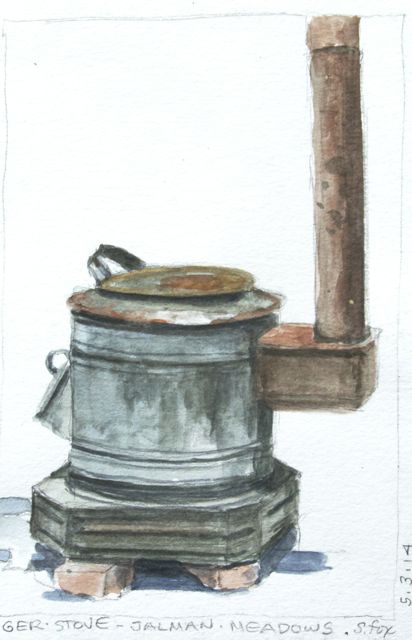
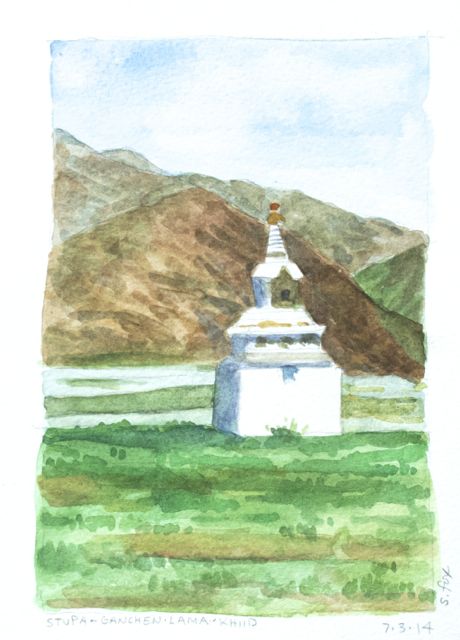
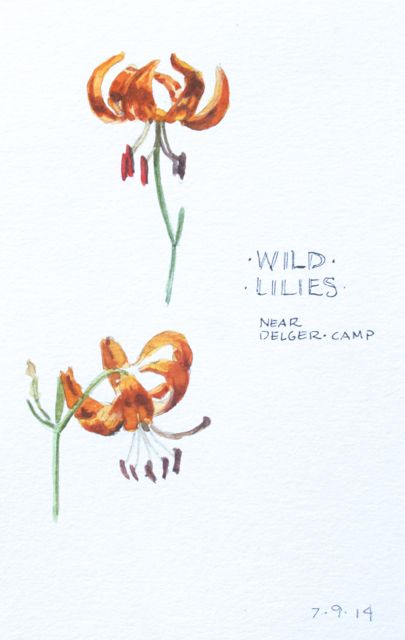
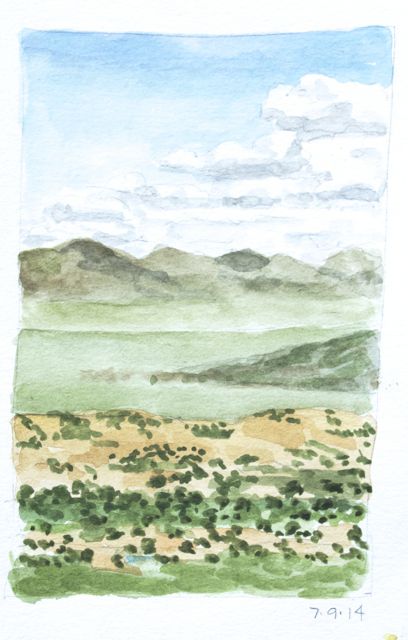
They were done with either a Winsor Newton Cotman watercolor travel set or Yarka poured pigment watercolors and a Robert Simmons Sapphire brush. The paper is either Arches 140lb cold-pressed or a w/c paper I brought back from the Lake District in England many years ago. The pen sketches were done in a 7×5″ Pentalic Nature Sketchbook. I used a non-waterproof pen with a Koi waterbrush for the one with the tone and a .01 Sakura Micron pen for the others.
Gloomy day, so I did this watercolor study of the stove in my gerCloudy and rainy day studies at Jalman Meadows and Gun-GaluutStupa above river valley at Ganchen Lama Khiid, ErdenetsogtPrayer wheel at Ganchan Lama Khiid, ErdenetsogtLily studies, Delger CampView of sand dunes, Delger CampValley north of Delger CampWetland/dune areaDunes and treesVariety of vegetation, wetland area and surroundingsStorm light and storm clouds at Delger CampRain to the southClouds coming byMountains to the north of campToned sketchQuick sketch of wetland area (the driver was coming any minute to pick me up)Rocks and birch treesRock formationWild poppiesBirch tree
We returned to Ulaanbaatar on June 21 and I immediately had to throw myself into preparations for the 2013 Expedition group art exhibition, which will be the subject of my next post and is open now at the Union of Mongolian Artists Gallery until July 7.
The 2014 Expedition was a great success! Here’s some of the highlights. There will be a series of posts once I’m home.
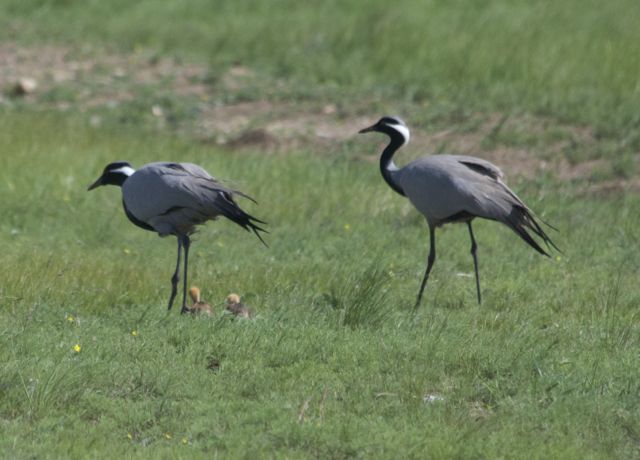
We saw cranes in the Han Hentii Mountains and attended the first-ever International Crane Festival in Binder Soum. We received an excellent briefing on the major crane study which has now gotten under way and in a future post I’ll cover what the researchers are doing, how they’re doing it and what they hope to learn. Below is one of the study subjects, demoiselle cranes with two chicks.
The crane festival was wonderful. There was a show of crane art created by local school children, an opening ceremony with dancers and singers, a horse race, Mongol wrestling and an anklebone shooting competition.
The opening ceremony included a traditional dance by young Buryat Mongol girls.
Mongol-style wrestling (Bukh)
The finish of the horse race.
Anklebone shooting.
All to celebrate crane conservation! I also got to meet Dr. George Archibald, founder of the International Crane Foundation, who was there with a group of researchers and supporters.
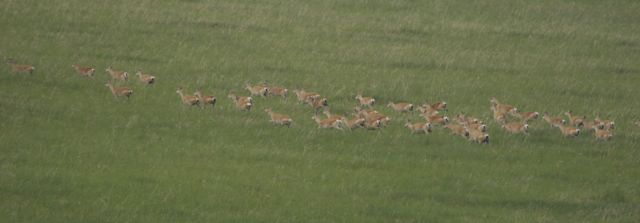
Our next major destination was Tolson Hulstay Nature Reserve, home to between 40,000 and 60,000 Mongolian gazelles. We saw them, a couple of times in large numbers, every time we drove out into the reserve, which also has a dozen small to medium-sized lakes. I fell in love with the grassland steppe and will certainly be going back there. I was able to interview one of the six rangers and get a lot of good first-hand information that I’ll be sharing in a future post.
Mongolian gazelle. Below and at the top of the post.
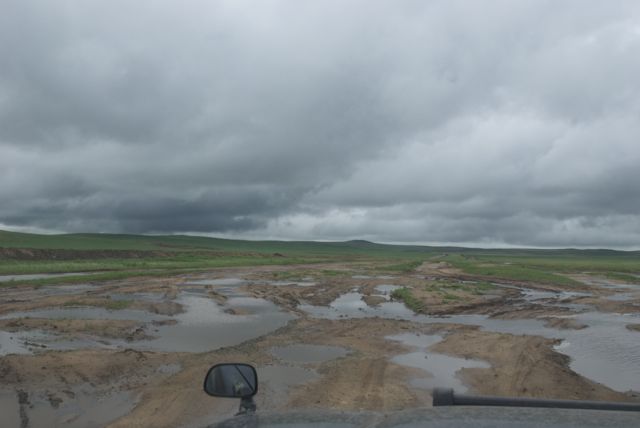
The legendary grassland steppe. Toson Hulstay is the largest preserved and conserved area of it left. The rainy season had started early. Great for the herders and their animals, who look to have a very good year with excellent grazing. But for traveling by car, it got a little interesting sometimes…
Today’s the day! The 2014 WildArt Mongolia Expedition departs Ulaanbaatar for the northeastern mountains and central steppes to observe, photograph and learn about six species of cranes and Mongolian gazelles. For more on this year’s art adventure with a conservation connection…https://foxstudio.biz/the-wildart-mongolia-expedition-2014/
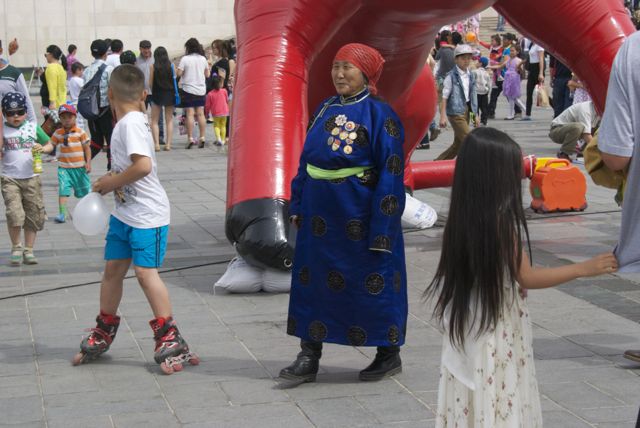
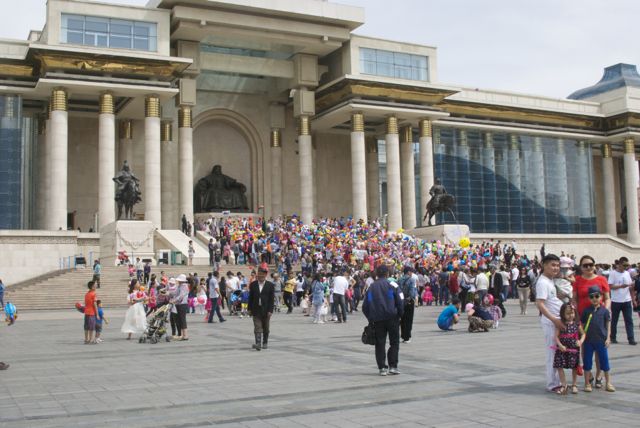
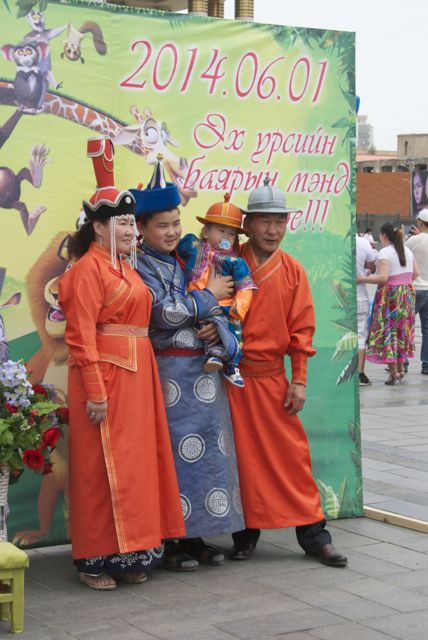
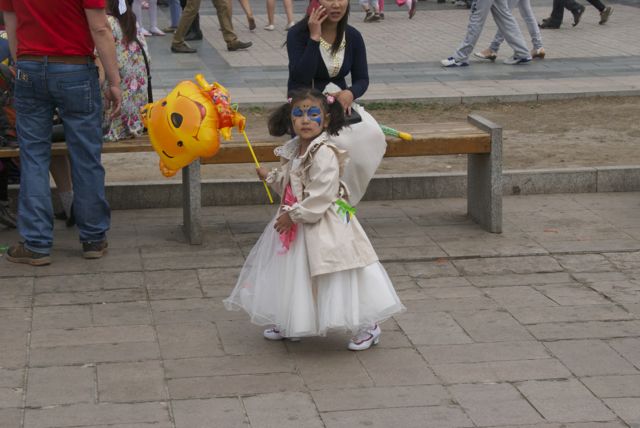
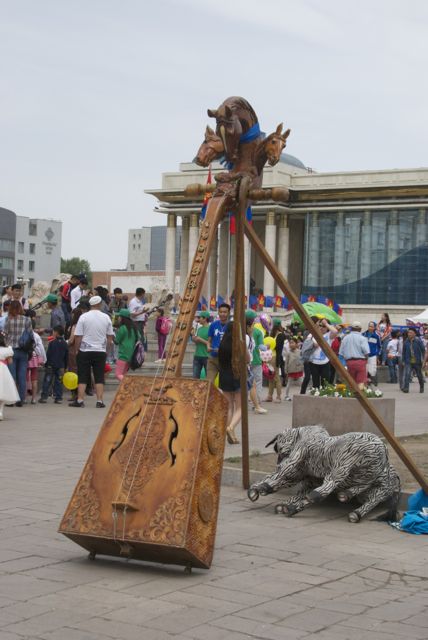
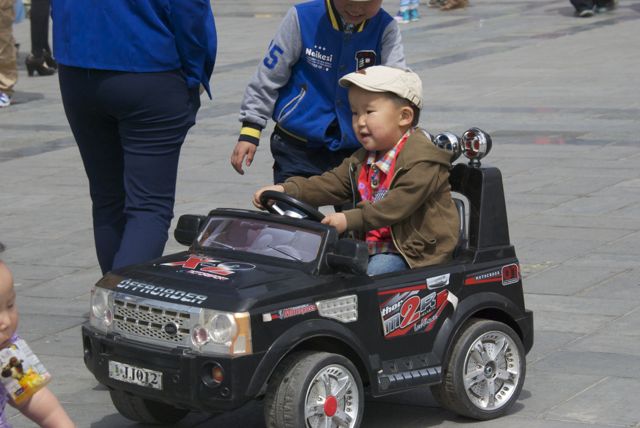
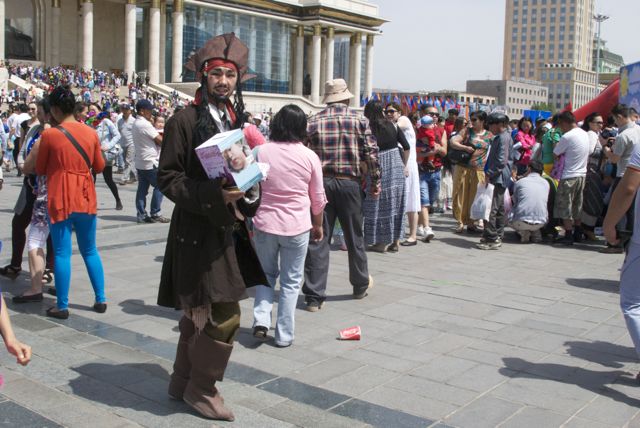
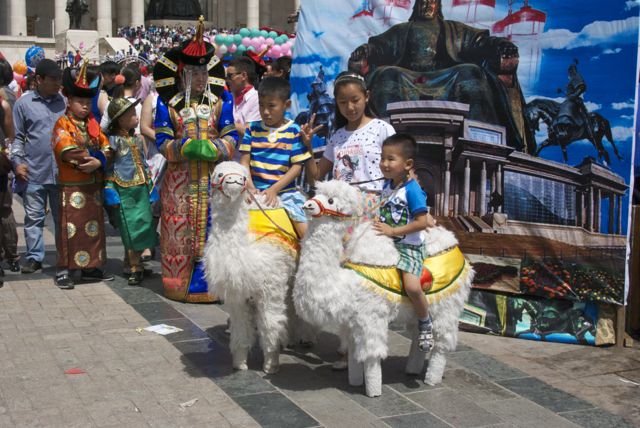
International Children’s Day isn’t celebrated in the USA that I know of and suspect most Americans have never heard of it. It’s the exact opposite in Mongolia where it’s a big, big holiday. I just happened to be in Ulaanbaatar, having arrived a day earlier, and spent over two hours at Chinggis Khan Square, taking photos and thoroughly enjoying the day-long celebration.
Here’s a selection from the over 400 images I shot:
Takhiin Tal Staliion oil 18×24″ one of the dozen paintings I’ll be showing during the WildArt Mongolia Expedition group art exhibition
A week from today I leave for eight weeks in Mongolia, my ninth trip in ten years. Good friends to see and places to go, especially the second WildArt Mongolia Expedition to the northeastern mountains and steppes to see cranes and Mongolian gazelles. They’ll be eight of us, myself, Mongol artist Tugsoyun Sodnom who went last year and six artists and photographers from Australia. We’ll be traveling in comfort this time in Land Cruisers, but still getting to camp in the countryside.
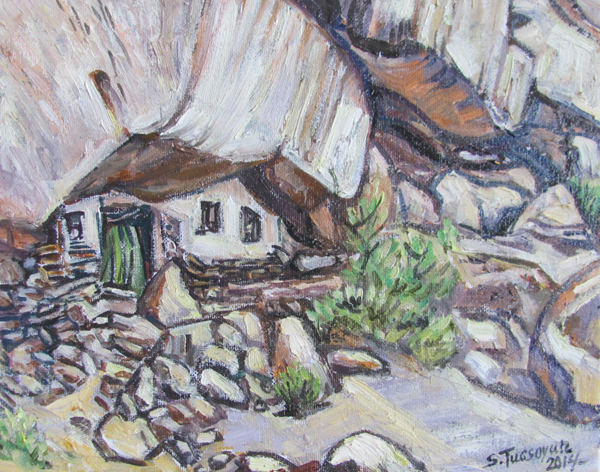
Painting of lama’s retreat by Tugsoyun Sodnom; one of her works that will be in the group exhibition
Two other important events that I’m either a part of or will attend:
Tugsoyun, myself and Oidoviin Magvandorj (the other Mongol artist who went last year) will be having a three-person exhibition of paintings inspired by the Expedition to the Gobi. It will be at the Union of Mongolian Artists Gallery in Ulaanbaatar from June 27 to July 8. There will be an opening ceremony on the 27th at 1900hr/7pm and is open to the public.
Dalanjargalan Soum, the community where the women’s felt craft collective that I support is located, is celebrating its 90th anniversary on July 23-24 and I plan to attend. I’m so looking forward to sharing this special event with the friends that I’ve made there since I first met the collective ladies in 2009.
Otherwise, I’m planning some short trips to the countryside to do as much painting and sketching as I can. I should have wifi when I’m in Ulaanbaatar and will post updates when I can.
I’m two weeks away from my 2014 departure to Mongolia. When I’ve gotten new gear and equipment I do a post about it. You can read the previous ones here, here, here and here.
Looking back, I’m still using stuff I bought in 2010, including the REI jacket, KATA camera pack and the Toshiba external hard drive, which is the backup to my main image storage, a MacBook Air. The Nemo Nocturne sleeping bag, purchased last year, was a success, as was the cover for my iPad, but I’d still like to find something that provides a little more protection, but isn’t made from leather. The transport case got 15 original oil paintings to Ulaanbaatar undamaged and I’ll be using it again this year (more on that next week). My two Nikon D80 bodies with their Nikkkor 28-300 and 80-400 lenses are taking one more trip after a professional cleaning. They have served me well, but newer bodies like the D610 have some features that I know I’d really use, like in-camera video. In the meantime, the Panasonic camcorder also goes one more time.
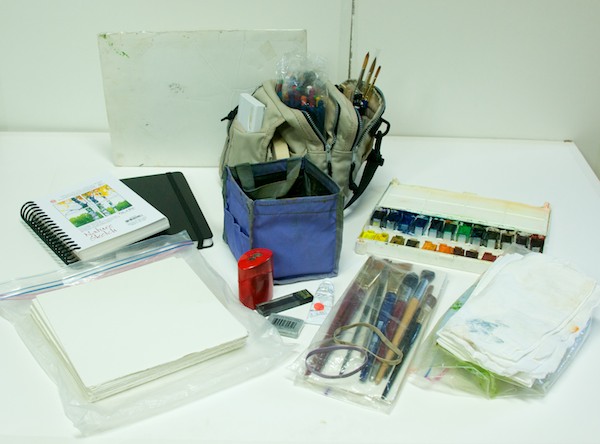
Below is the list of art supplies I’m taking this trip. The new additions are in the photo above. I really like the Nature Sketch from Pentalic. It seems to take all media nicely, including watercolor. The only thing I would fault them on is that the cover is flimsy and gets beat up easily. I’m going to put packing tape around the edges. I’m taking my Yarka watercolor set, but also bought a Winsor Newton Cotman watercolor travel set for its small size that lets me slip it into the pocket of my photo vest or the old point and shoot camera bag that forms my “portable art studio”. I also got some Koi Water Brushes in three sizes. I got the idea for these from a blog post by James Gurney. They are the same plastic-barrelled, nylon-tipped brushes with a reservoir holding different colors that you see sets of, but are empty. Gurney had one with water and a couple with dilute ink in them. A very fast way to lay down a tone without having to carry a water container and separate brush. I tried one out yesterday, doing a quick sketch of Alexander with a pen that doesn’t have permanent ink and then using the brush over the ink to create a wash tone. I liked it.
Here’s the art supply list for Mongolia this year:
Old point and shoot camera bag holds all the art media except the Yarka watercolor set
Moleskine sketch journal, usually two
Spiral-bound Nature Sketch sketchbook 7×5”
Sakura Micron pens- black and a few colors, .01 to .03
Derwent water-soluble colored pencils
Derwent drawing pencils- HB, 2B, 4B, 6B
Kneaded rubber eraser
Small pencil sharpener
Yarka watercolor set and Winsor Newton Cotman Watercolor travel set
Winsor Newton white gouache (tube color)
Sable watercolor brushes, round- 4, 8, 10; various flats
Waterproof folding water “bucket”
8×8” loose pieces of 300 lb. watercolor paper-(a couple dozen)
9×12″ Arches cold-press block
7×10″ Cartiera Magnani “Annigoni” toned 100% cotton block
8×10” piece of foamcore to hold watercolor paper
Roll of 1/4” drafting tape (low adhesion) to attach watercolor paper to foamcore
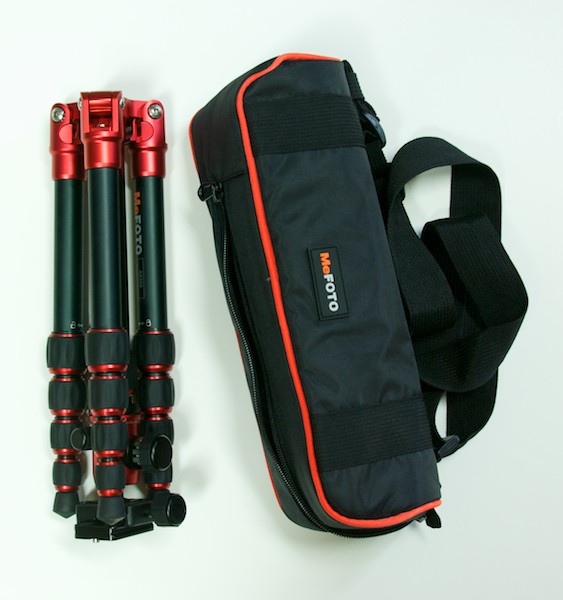
I’ve never bothered to take a tripod to Mongolia because, for what I’m there to see, there’s never time to set it up. The animal or person or light would likely be long gone, not to mention the weight of my very nice full-sized Manfrotto with the gimballed head. But last year, one of the other people on the Expedition was doing some night photography and her pics were great. Well, you can’t beat Mongolia for nighttime skies in the countryside since there is no light pollution at all. So I searched around and on the B&H site I found this MeFoto tripod that got good reviews from photographers who travel and use it in the field. It does sacrifice some sturdiness, but seems well-made overall. It’s also only 12.4″/315mm in length folded up and weighs only 2.6lbs/1.20kg. It unfolds to 51.6″/1310mm in height. The plate that holds the camera body let me mount the camera quickly and easily. In my studio. So we will see how it does in real field conditions. You can get them in a variety of accent colors. I went for red.
My old LL Bean light hiking boots have served me well, but were always just a mite short. It got uncomfortable last year, particularly in hot weather when one’s feet swell up. Time for a change. I found these Merrill Salidas at our local outdoor store. Not wild about the lavender accent color, but they were comfy the minute I put them on. They are breathable and water resistant, both desirable in a Mongolian summer that can oscillate from heat to rain to cold in just a few hours.
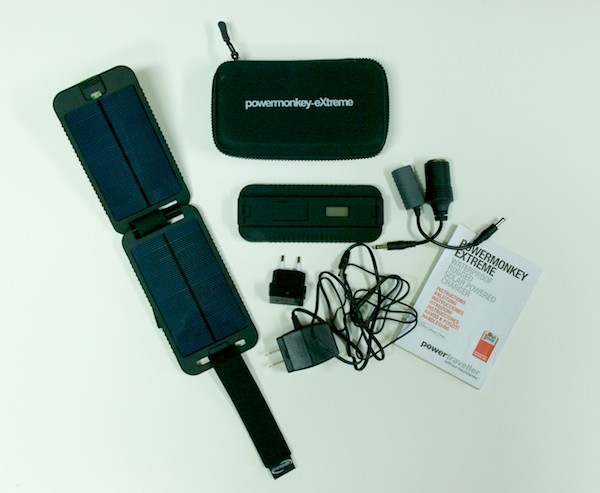
Finally, what I hope will be a main solution to the recharging-in-the-field challenge. I’m usually able to use the lighter in the vehicle with a Kensington adapter that has a regular outlet on one end and the lighter insert on the other, but last year there was an odd wiring situation in my van. I’d plug in my iPhone or battery charger and we’d roll, but nothing would happen. If the driver stopped or even turned off the ignition, charging would occur. Go figure. But considering we were a LONG way from anywhere, it was worrisome, especially the camera batteries. So I’m going to take this PowerMonkey Extreme, which has a small solar panel and a battery pack, as backup. The sun shines in Mongolia 274 days a year, so it’s a natural for solar recharging. The problem is that flexible, roll-up panels are fairly large and there’s no guarantee of being in one place long enough for it to charge a battery. The drivers are justifiably very conservative about laying or attaching anything they’re not familiar with on or to their vehicles since they will be stuck dealing with the consequences if there’s a problem. “What could possibly go wrong?” is not a good way to operate in the Mongolian countryside. I’ll be trying it out here at home, but won’t know what it will do when it counts until, well, it counts.
So that’s the gear report for this next trip. If you have any questions or thoughts, please leave a comment!
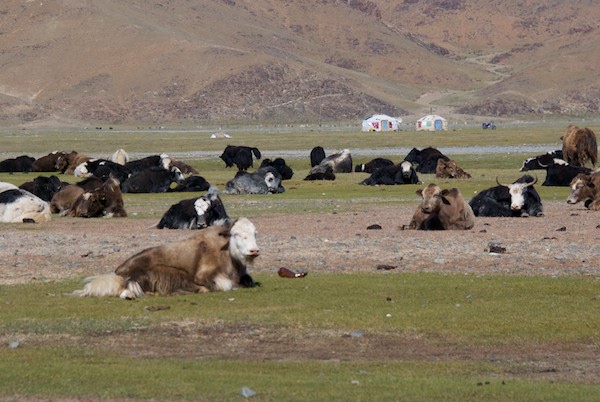
On our way back south to Bayanhongor from Ganchen Lama Khiid, we saw lots of yaks.
The last day of the 2014 WildArt Mongolia Expedition had finally arrived. One more night in the countryside and then back to Ulaanbaatar. The day took an unexpected turn that led to a perfect final evening….
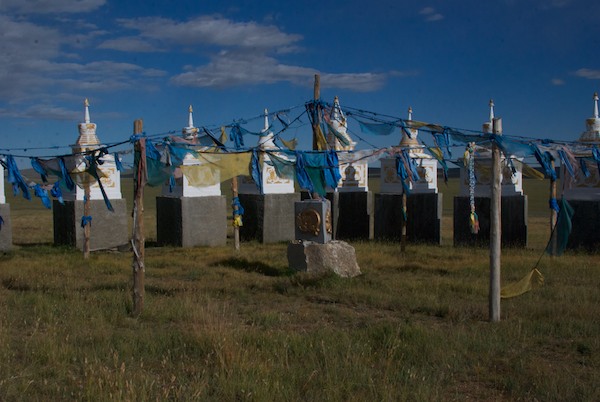
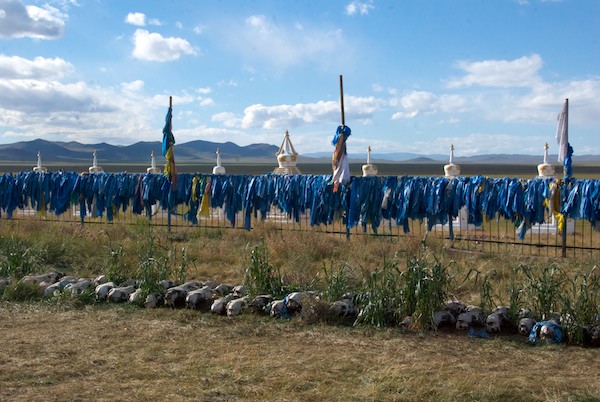
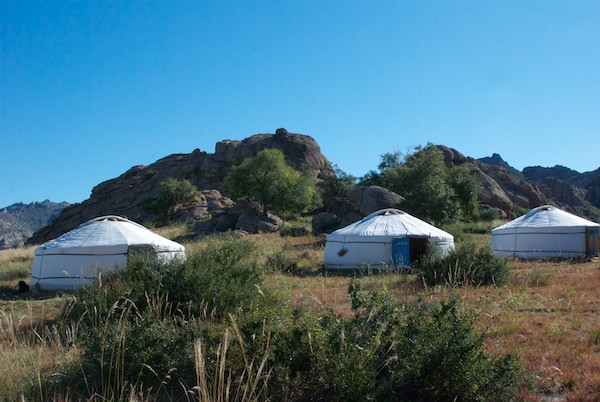
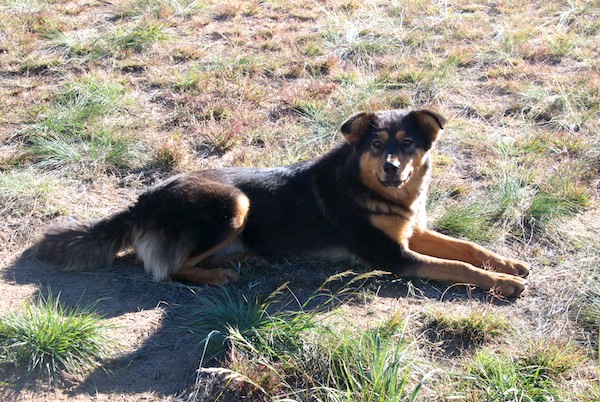
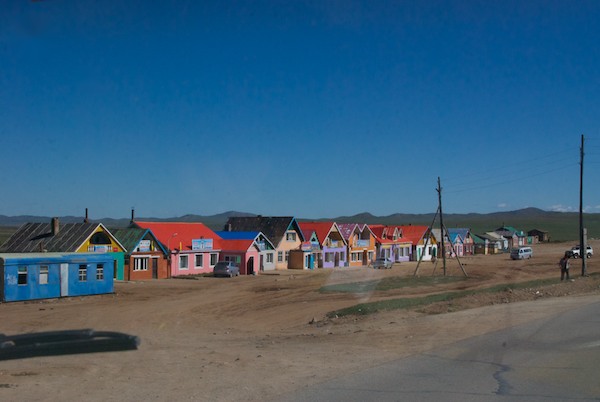
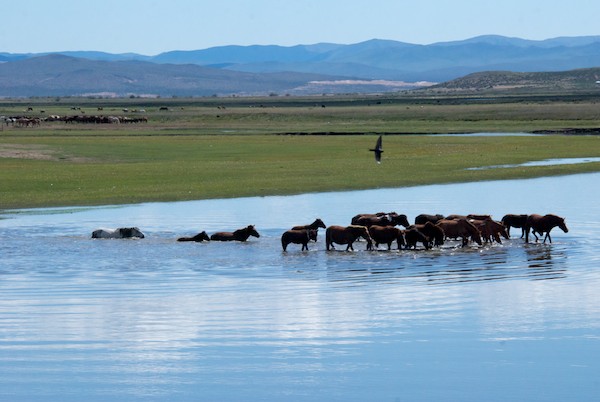
We stopped at one last herder’s ger and, along with a very nice Land Cruiser, there was also this equally nice Mongol horse, ready to ride.The big sightseeing stop for the day…what can only be called a temple dedicated to the Mongol race horses, located near the Aimag center of Arvakheer. As we drove up to it I realized that we had camped a few hundred yards behind it on our outward bound trip, not knowing what it was. I had assumed it was some kind of Buddhist installation and, in fact, that was one facet if this amazing site.The main structure is this semi-circle, surrounded by stupas and flanked by statues of what I assume are famous race horses. I really want to go back here for at least a half-day sometime just to hang around, sketch and do some watercolors.Not exactly what I expected to see at a place dedicated to horses.Beautifully sculpted statues of famous race horses.In one corner was this pole with khadag suspended from it.The center pole.Behind the “temple” was this extraordinary sight- a fence completely covered with khadag and, on the ground, hundreds of horses skulls. On the plain in the background is where we had camped.A large and very colorful wedding party showed up while we were there. Here are two of men…lookin’ good.We traveled on north and came upon an extensive wetland complex in fabulous light, complete with yaks, horses and endangered whooper swans.Concerned about it being very cold this last night out, the drivers told us that they had called the Nomadic Journeys ger camp in the area, Delger, and had arranged for us to stay there in gers instead of camping in our tents. As the light faded to night, we made a long run through sandy areas with no directional signs, arriving at the camp after dark but to a warm welcome.The next morning we could see the lovely spot the camp was in. It turned out that this was the day the camp would be packed away for the year. Whew. The previous evening we had all gathered in the cozy, warm kitchen ger along with our host, camp manager Ariunbold, eating noodles, drinking vodka and having a great final dinner together.One of the camp dogs. I was told they are there to keep wolves away.We said our good-byes and began the final leg of the Expedition, passing this attractive row of shops.A last photo op…horses crossing a river!And the final stop, now not far from Ulaanbaatar, to see this statue of a shaman, facing south and festooned with khadag.Ulaanbaatar ahead in the sunshine. I liked coming into town behind this truckload of horses. The countryside and the city.
And so ended the 2014 WildArt Mongolia Expedition. We met every goal that I had set for both habitats and endangered species. We are the only western artists now to have gone to Takhiin Tal, the first takhi release site, where we saw both takhi and khulan, and Sharga/Darvi where we saw over thirty saiga antelope. We met the scientists working to conserve these species and saw snow leopard habitat, complete with ibex. We forded flooded rivers, camped under Gobi skies, visited and hiked an important sacred mountain, attended a local naadam, stumbled upon an ambler horse race, explored a very special monastery, and painted and sketched as we went.
Now there will be a special group exhibition of paintings from the Expedition, featuring myself, Tugsoyun Sodnom and Oidoviin Magvandorj. It will be at the Union of Mongolian Artists Gallery in Ulaanbaatar from June 27 to July 8. There will be an opening reception on the 27th.
I want to say a very special “Thank You!” to Nomadic Journeys and their staff, who made the Expedition possible and contributed greatly to its success. bayarlalaa
———
I head back to Mongolia on May 28 for eight weeks. There will be another WildArt Mongolia Expedition, this time to the northeastern mountains and the famous steppe grasslands to try to see and photograph six species of cranes, three of them endangered and also Mongolian gazelles. So stay tuned!
Field sketching at Orog Nuur, a Gobi lake, in 2010.
I am proud to announce that I have recently been accepted as a Fellow of The Explorers Club!
The Club, founded in 1904, has always been the premier organization for explorers and also scientists who do research in the field. Its members have included Admiral Peary, Jane Goodall, John Glenn, Dian Fossy, Lowell Thomas, Chuck Yeager, Sylvia Earle and Roy Chapman Andrews (who has been a personal inspiration to me for my travels in Mongolia and who received the Club’s highest award, The Explorers Club Medal, in 1932).
I am honored to join a number of my Society of Animal Artist friends and colleagues as a member, one of whom graciously consented to sponsor me.













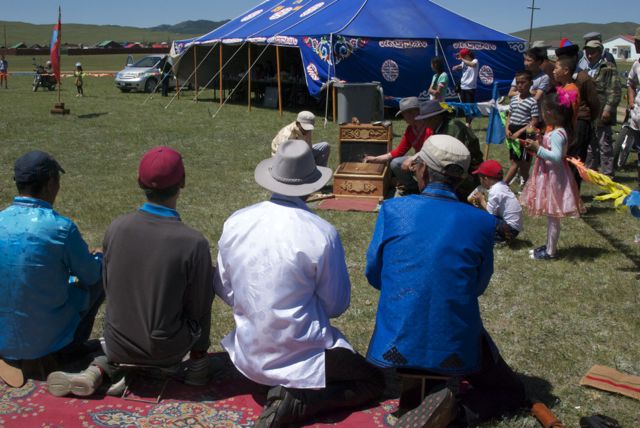 All to celebrate crane conservation! I also got to meet Dr. George Archibald, founder of the International Crane Foundation, who was there with a group of researchers and supporters.
 The rainy season had started early. Great for the herders and their animals, who look to have a very good year with excellent grazing. But for traveling by car, it got a little interesting sometimes…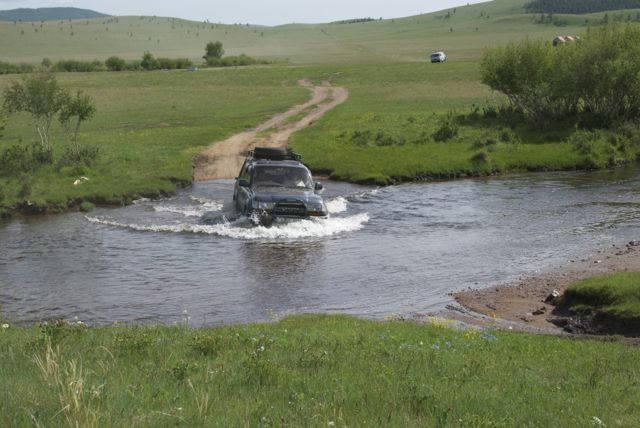



















 Susan Fox, American Artist