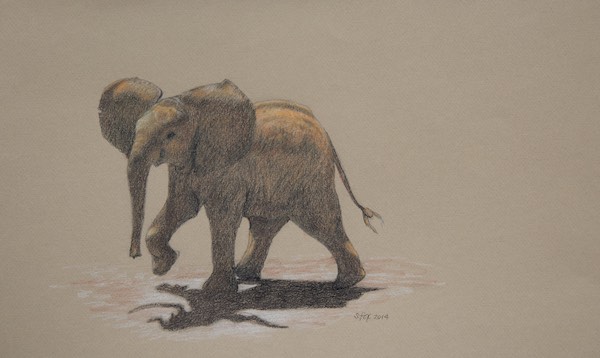
 DAY 2 of my “12 Days of Drawings” Sale
“Samburu Baby” Wolff’s Carbon pencil and Prismacolor pencil on Canson paper 11×16″
Buy it here! www.etsy.com/shop/foxstudio
DAY 2 of my “12 Days of Drawings” Sale
“Samburu Baby” Wolff’s Carbon pencil and Prismacolor pencil on Canson paper 11×16″
Buy it here! www.etsy.com/shop/foxstudio
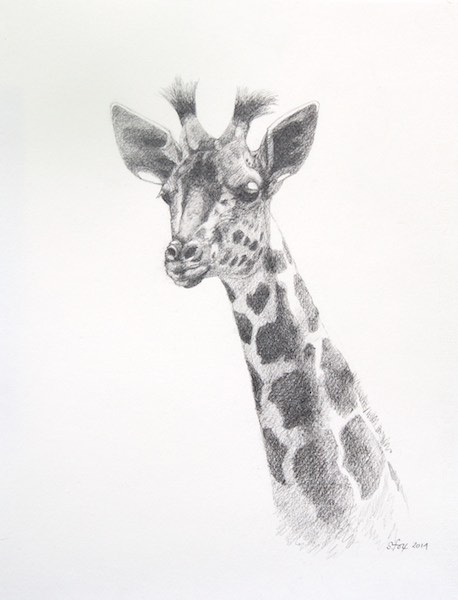 “Young Rothschild Giraffe: Hope for the Future” graphite on paper 14×10″
Buy it here! www.etsy.com/shop/foxstudio
It’s drawing sale time again, but this year with something special added…in 2004 I went on the art workshop safari of a lifetime with internationally-known wildlife artist Simon Combes. For 16 glorious days he regaled us with stories (with a few naughty limericks thrown in), shared his knowledge of the wildlife of Africa and made sure we got to see as many species as possible. Tragically, Simon was killed by a cape buffalo ten years ago this month. To honor him, some of the drawings I’ve created for the sale have been done from photo reference I took during the safari. The sale will start with them. It will be an auction and 20% of the sales price will be donated to the Soysambu Conservancy (formerly the Delamere Estate), which is where Simon grew up and one of the places we stayed in 2004. Very important conservation work is being carried out there. I photographed the young Rothschild’s giraffe, an endangered species, at Soysambu. It’s graphite on paper.
After the Africa drawings, there will be a variety of other subjects, including some from Mongolia. 20% of the proceeds from those pieces will be donated to the Department of Conservation Biology at the Denver Zoo to support scientific research in Mongolia. The sale will take place on my public Facebook page: www.facebook.com/SusanFoxArt. You do not have to have a Facebook account to bid or buy. Purchase and payment instructions will be included with each post. I hope that you’ll come check it out!
Thank you and happy holidays!
Susan Fox
 WISHING YOU A WONDERFUL HOLIDAY WEEKEND
I’m in the fortunate position of getting to travel to Mongolia every year and spend most of my time there traveling in the countryside. I think of it as “sane” adventure travel. I know my limits and stay within them. Here’s five of my personal favorite travel books by people who took it to the limit and maybe a little, well, in some cases A LOT, more.
1. THE WORST JOURNEY IN THE WORLD by Apsley Cherry-Garrard: Defines “epic” when applied to travel and exploration books since it’s a page-turner stay-up-late first-person account of Scott’s Last Expediion to Antarctica and the South Pole (and I’m not that into Polar exploration). The title is an understatement, really, since Cherry-Garrard survived the most appalling conditions imaginable on a side trip to become one of the first humans to see the main nesting site of emperor penguins. And, of course, Scott and his party died on their way back from his “race” to the South Pole (they got there only to find that Roald Amunsen had already been and gone). Avaliable for free online through a variety of sources. More about the author here.
2. LONG WAY ROUND by Ewan McGregor and Charley Boorman: Around the world on motorbikes, starting from London. While filled with, shall we say, incident. my favorite part, of course, is when they went through Mongolia. And McGregor came within a whisper of saying the hell with this and heading north to Russia. He and Charlie were really schooled by Mongolia, but at the end it was his favorite, and most memorable, country they passed through. I knew I liked the young Obi Wan. Available from the usual places. There’s also a DVD set of the tv series. On YouTube, you may still be able to find Mongolian legendary rock band Haranga’s version of the Long Way Round theme song. More about Long Way Round here.
3. THE SINDBAD VOYAGE by Tim Severin: This one is more or less a stand-in for all his books, which started with “The Brendan Voyage”, in which he crossed the Atlantic in a coracle to prove that the Irish could have sailed to North America. In “The Sindbad Voyage” he sails a dhow, made in the traditional way from Malabar timbers sewn together, from Sohar in Oman to Hong Kong, a recreation of the Seven Voyages of Sindbad. He has also recreated the voyages of Jason and Ulysses, along with riding Ardennes Heavy Horses from France to Jerusalem to retrace the route of the Crusaders as recounted in “Crusader: By Horse to Jerusalem”. In 1991 “In Search of Genghis Khan: An Exhilarating Journey on Horseback Across the Steppes of Mongolia” was published, in which he describes the daily saddling of the horses as a “rodeo”. More about Tim here.
4. DANZIGER’S TRAVELS; BEYOND FORBIDDEN FRONTIERS by Nick Danziger: He’s not kidding. Easily the most intense “travel” account I’ve read. Eighteen months. No visas. Disguised as an itinerant Muslim. On foot or by donkey, camel, cart, truck, whatever was available, he traveled through Iran, Afghanistan, Xinxiang (home of the Uigher people in far western China), Tibet and China itself. Total cost: $1500 in the mid-1980s. No way he should have survived this, particularly in Afganistan where there was an actual war in progress, but he literally lived to tell the tale with wit and intelligence. I’ve read a lot of travel writing. This one stands alone. More about Nick here.
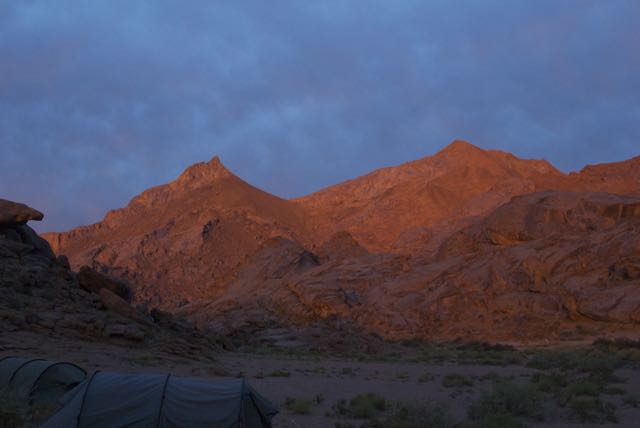
5. WALKING THE GOBI by Helen Thayer: New Zealanders Helen and her husband Bill walked the length of the Gobi from west to east at ages 63 and 74, respectively, something she’d dreamed of doing for 50 years. With two camels…Tom and Jerry. 1600 miles through 126F heat, sandstorms, dehydration, drug smugglers and scorpions (saw my first one ever in Mongolia on last year’s trip at, in fact, our camp by the mountain in the photo at the top) This woman is indomitable, having skied to the magnetic North Pole unsupported (rare for any polar expedition these days), been the first woman to walk 4000 miles across the Sahara and travel 2200 miles of the Amazon River by kayak. She’s been awarded the Vancouver Award for Excellence in Exploration by The Explorers Club, among her many honors. More about Helen here.
Finally, on the *much* lighter side, at least for the reader….
6. I SHOULD HAVE STAYED AT HOME-THE WORST TRIPS OF GREAT WRITERS edited by Roger Rapaport and Margaret Castanera: I love this book. They did it so we don’t have to. We have only to read and laugh and groan and cringe. “Rick Steves on a beat-up Afghani bus with a speeding driver who appeared to be stoned”. “Jeff Greenwald dunked into an electric bath in Tokyo”. “Mary Mackay in a hotel room in Guatemala on the ‘Night of the Army Ants’ “. I think you get the idea….

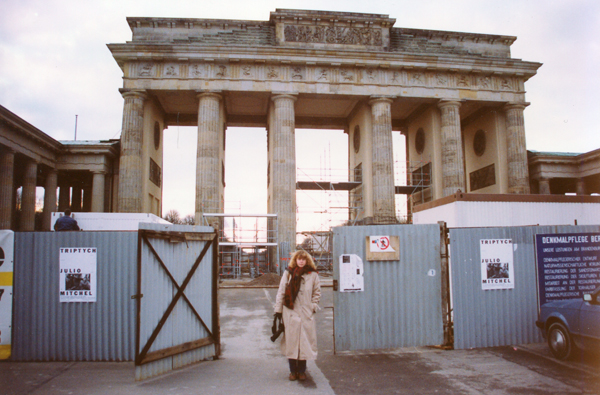
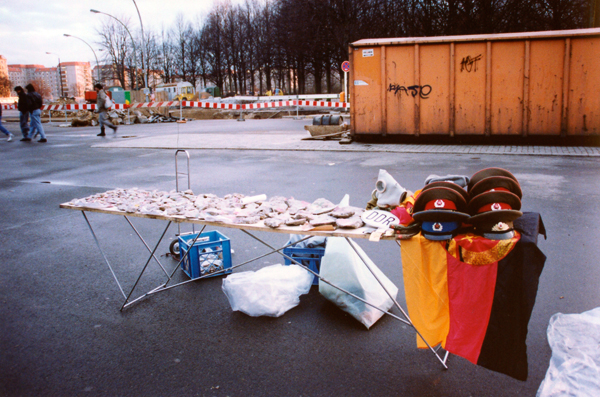
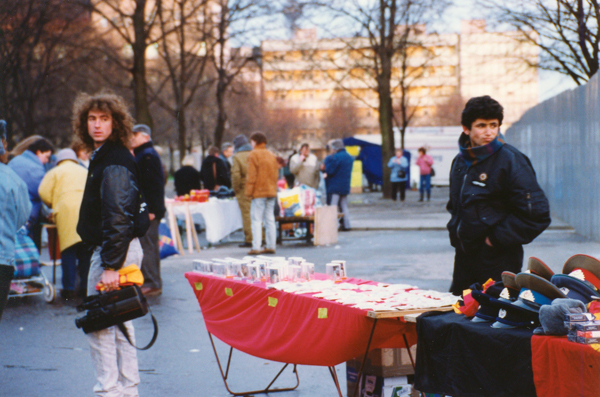
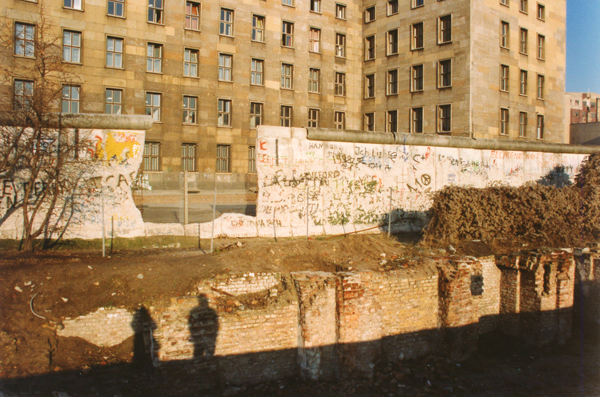
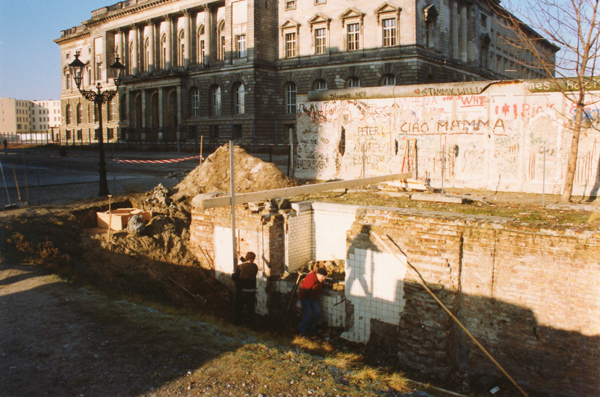
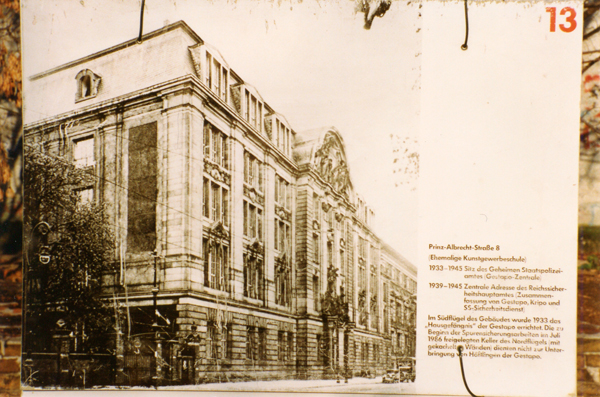
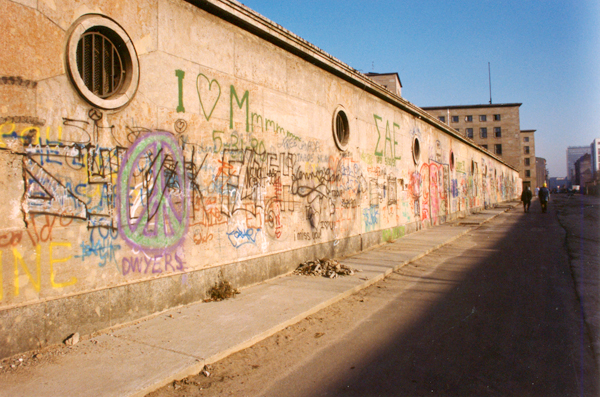
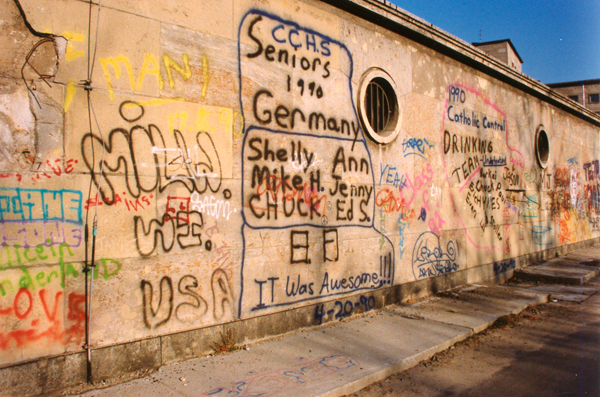
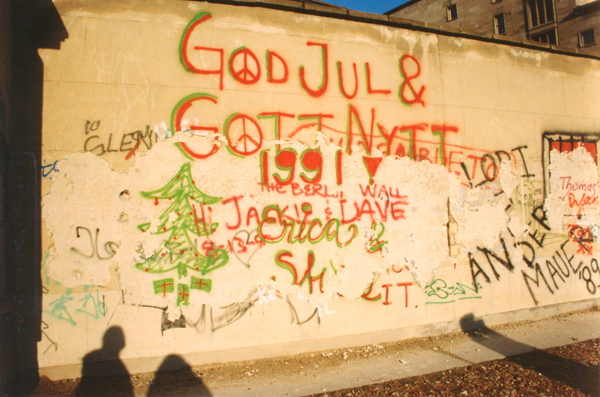
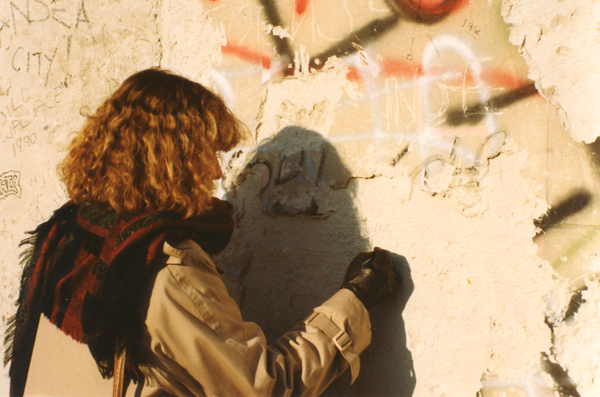
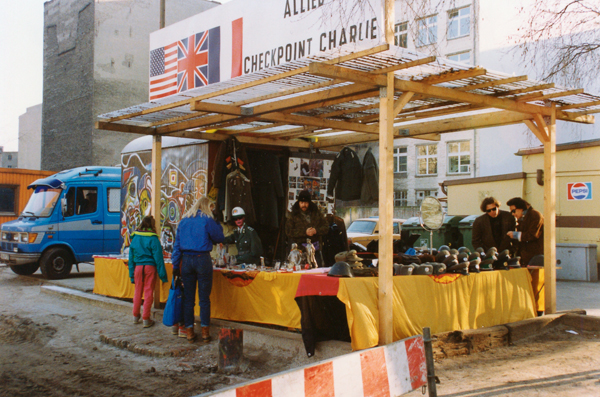
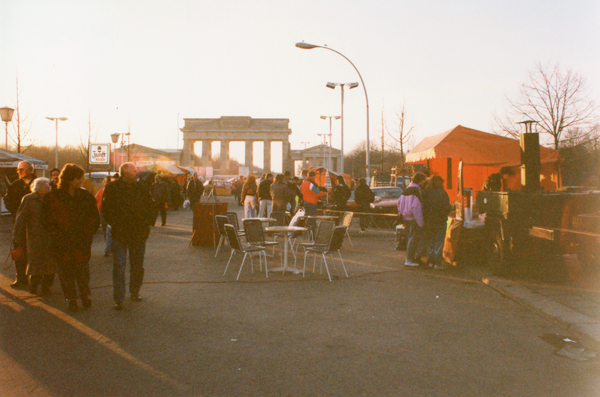
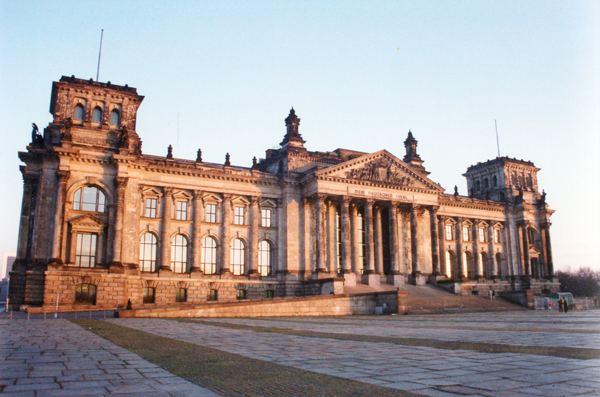
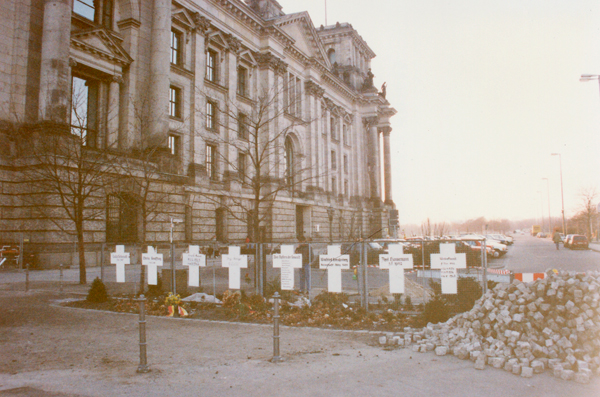
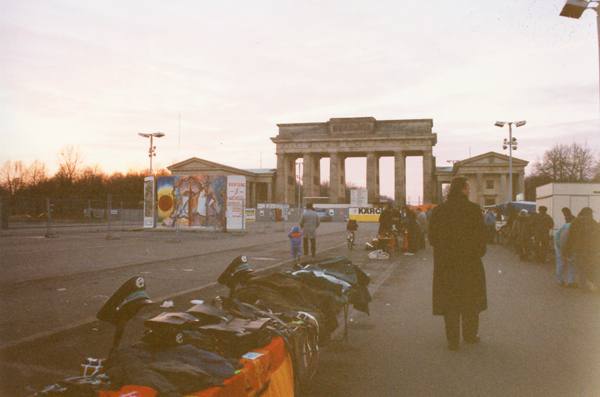
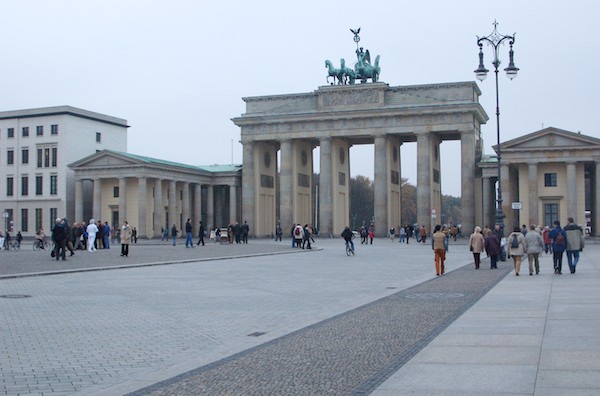
A few days ago it was the 25th Anniversary of the fall of the Berlin Wall. Like millions of people around the world back then, we were glued to the tv watching something we never thought would happen in our lifetime and then it seemed, in an eyeblink, it was gone, along with the Soviet Union.
I’ll always be kind of sorry that we didn’t whip out the credit card and hop a plane to go and be part of it. But in December of 1990, two months after Unification, we did travel to Germany for a business trip my husband had in Wiesbaden. Afterwards we got a rental car and headed east. That part of the trip is a story for another post, but we simply crossed the old border via a country road into the now-defunct East Germany and drove to Berlin. What follows is an album of photos I took on the day we explored the area around where the Wall had been. I thought it would be good not to just let these photos of an historic time sit in a photo album, but get them out there as one eyewitness record of a moment in time. They were taken with a Nikon N2000 film camera and the 4×6″ prints scanned on an Epson scanner into Photoshop. I only did a minimum of adjustments, preferring to leave them as I took them as much as possible.













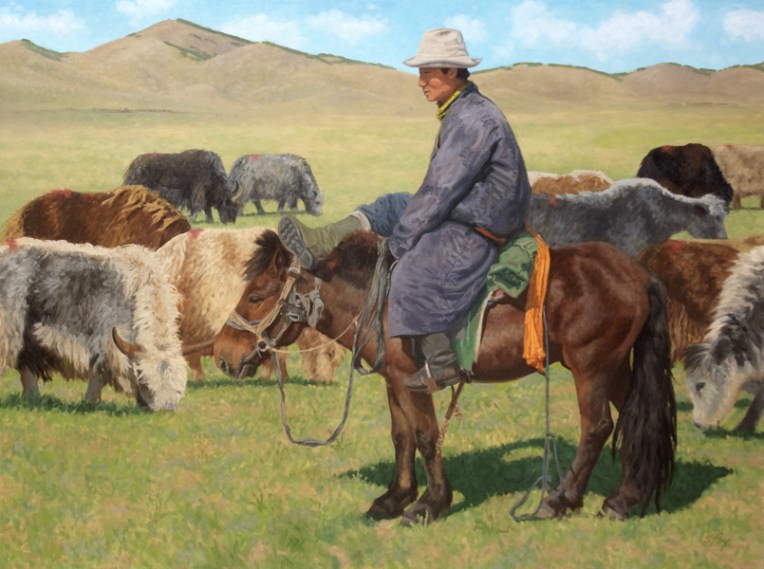
I am proud to announce that I am now represented on the west coast by Strawberry Rock Gallery, located just up the road from me in Trinidad, California. They’ll be showing a complete selection of my work, including my Mongolia subjects like the painting above. Strawberry Rock is a full-service, locally-owned gallery. They just picked up the first round of my art yesterday, so I’m not on their website yet, but I’ll post the link when it is.
********
Artists are always on the lookout for the best places to buy supplies and equipment. I thought I’d share some of my favorites which have proved themselves over the years. None of the companies know I’m posting this so this list represents my honest opinions.
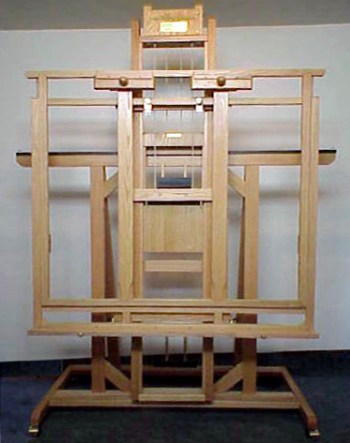 1. Hughes Easels– I’ve had mine for over ten years now and have never for a moment regretted spending the money for what is the best easel available. I bought the Model #4000 with two masts and highly recommend that choice since it holds large and/or long pieces more securely than one mast and lets me put diptych or triptych pieces next to each other or two smaller pieces side by side. Hughes Easels
2. Silver Brush Grand Prix- Like most painters I’ve tried a variety of brushes over the years and these are the ones I keep coming back to. I wear them down to half their length before they finally stop working and they hold a decent tip to the end. They have just the amount of spring and flexibility I like, having worked as a sign painter at the beginning of my art career. I’m ambivalent about using natural bristle brushes from an animal welfare standpoint, but have been unable to find a substitute, although the Silver Brush Bristlon comes close. Silver Brush Grand Prix
3. Winsor & Newton oil and watercolors– I do use specific oil colors from a couple of other brands, but good old WN has been my choice since I started painting in oils in 1997. Not sexy or expensive compared to many brands, but reliable and a pleasure to paint with. Also a good choice for someone starting out because painting is hard enough as it is without handicapping yourself by using cheap student-grade paint with low pigment/high filler content. I’ve used their watercolors since art school and after a long hiatus am using them again for location painting. Winsor & Newton
4. Strathmore Series 300 Bristol, Vellum Surface– My basic “good” drawing paper. It has just the amount of tooth that I like for drawing with pencils, Wolff’s Carbon pencils and General’s charcoal pencils. I keep pads of it in various sizes. I’ve tried the higher end Series 400, but don’t like the way it feels under the pencil. So the takeaway for this is that you need to try different papers until you find one you personally like (and, with luck, it won’t be the most expensive one). Canson makes an inexpensive recycled paper that I like for preliminary drawings. Strathmore
5. RayMar Canvas Panels– I switched to these years ago and have never looked back. Panels, as opposed to the traditional stretched canvas, became popular when plein air painting took off and, in fact, I first encountered them a a plein air workshop. I love RayMar’s cotton canvas panels which have just the right amount of tooth for me. Two major advantages of panels are that they take up a lot less linear shelf space than stretched canvas and the hard back means not having to worry about the canvas being dinged or a hole poked in it, so transporting paintings is a lot less stressful. They sell packs of standard sizes, but will happily do custom cuts up to 48″. Their quality has been absolutely consistent over the years and they’re a family-owned business. RayMar Art
Finally, something new (at least to me) that I’m just trying out but am very excited about. Forget Renaissance-era grid transfers, graphite transfers and oil transfers…
6. Optima Digital Projector– I have tried so many ways over the years to get a preliminary drawing done on paper onto the canvas, the grid being the main one. I’ve also tried doing the drawing at the final size and using a graphite transfer sheet. I recently learned about oil transfers from a great art site called “Underpaintings” (I’ve subscribed). But those methods I found time-consuming and imprecise, which just made for more work to get the drawing correct on the canvas. However, suddenly one fine day my subconscious must have finished its work because this idea popped into my head….why not do my drawings at whatever size and in whatever media I want? Then, depending on size, either scan or photograph them and dump them into Aperture, the image management software on my iMac. Plug the digital projector into the computer and project the drawing onto the canvas, then simply and precisely sketch it in. And, yes, I know I can do the same with the photos and will probably do that in the future for some simple subjects since I know how to draw, but what I love is being able to work from my drawings which is how I learn “what my subject looks like” in a way that I never could from just tracing a photo. So let me flatly say- THERE IS NO SUBSTITUTE FOR LEARNING HOW TO DRAW. I’ll probably do a future post about this transfer method as I move into my winter “painting season” and can document the process.
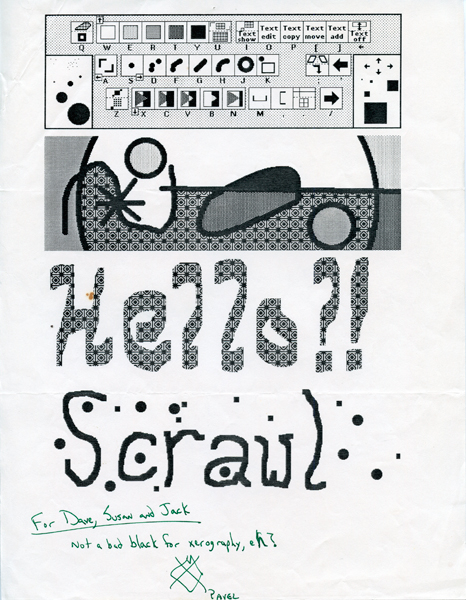
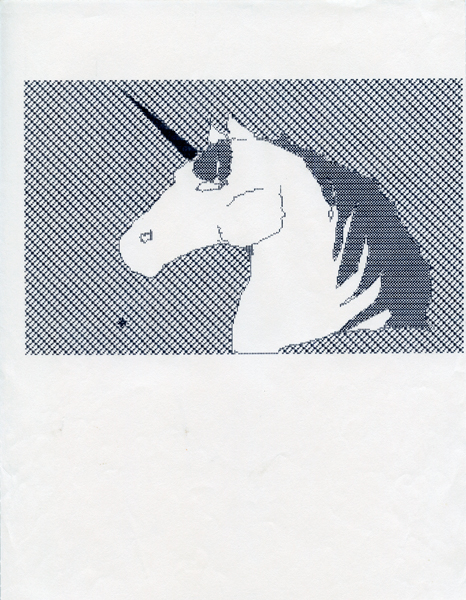
Sorting through old files the other day I came across a bit of computer history. I’m sharing it here because it had a bearing on me even getting interested in computers and also as a public archive since I doubt there’s much left anymore like what I’m posting here.
In 1981-82, my husband at the time and I were taken for a visit to Xerox’s Palo Alto Research Center (PARC) by a friend who worked in IT so that I could see this new way of using a computer that let one draw pictures on the screen (I was a freelance graphic designer at the time). We were welcomed by one of the employees, Pavel, who did the demo above and then turned me loose to play with this cool thing called Smalltalk.
At a time when “computer” meant large rooms of very expensive machines or a small black monitor with clunky green type, Smalltalk was a mindblower. DRAW with a computer? Really? Really.
Of course, those of you who are in IT or know the history of Apple are aware of the version of events in which Smalltalk was the precursor to the Mac interface that made computers easy to use “for the rest of us”. If you want to know more about that history and connection, here’s a account. For years, the story has been that Steve Jobs “stole” the concept of Smalltalk (and a lot more) after his own visit to PARC. Whether that’s true or not is outside the purview of this post, but you can read more here and here if you’d like.
Today I have a 3rd Gen iPad with a half dozen or more apps for making images. I use it as a sketchbook, as do some of my artist colleagues. A couple are even teaching classes and workshops on how to use an iPad as an art media. But in another time and place, here’s what one artist spent a happy hour creating on the first computer which had software that let one draw….

All of these were printed out for me on a small plotter. I can’t remember what I was drawing with, but it must have been a mouse.

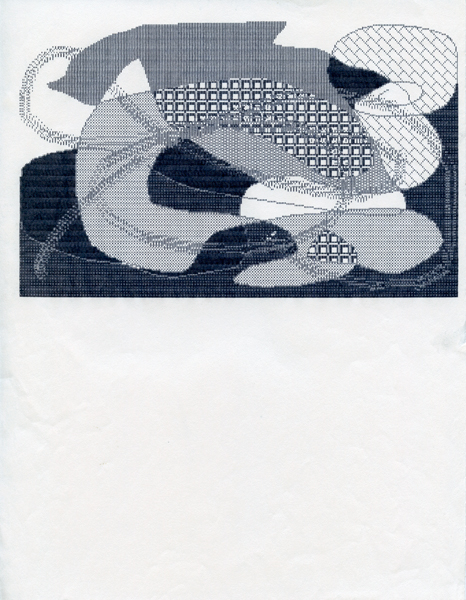

I was a member of the Society of Creative Anachronism at the time and much into unicorns…


I’ve never forgotten that magical afternoon at PARC when, for me, computers and art came together for the first time.

The aim of art is to represent not the outward appearance of things, but their inward significance. Aristotle
Art is the most intense mode of individualism that the world has known. Oscar Wilde
Art enables us to find ourselves and lose ourselves at the same time. Thomas Merton

Art washes away from the soul the dust of everyday life. Pablo Picasso

Art is not what you see, but what you make others see. Edgar Degas

Art is the only way to run away without leaving home. Twyla Tharp

The object of art is not to reproduce reality, but to create a reality of the same intensity. Alberto Giacometti
What is one to think of those fools who tell one that the artist is always subordinate to nature? Art is in harmony parallel with nature. Paul Cezanne

Painting is a means of self-enlightenment. John Olsen
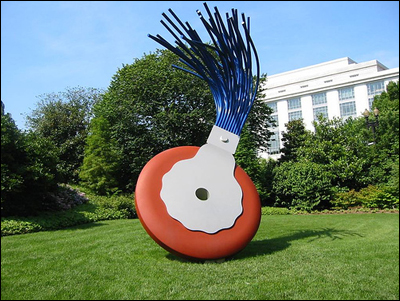
I am for an art that is political-erotical-mystical, that does something other than sit on its ass in a museum. Claes Oldenburg
 Susan Fox, American Artist