
I grew up in forests. Redwood forests, to be exact. Camping out meant drippy, foggy mornings and warm sweatshirts with, maybe, sunshine in the afternoon. In August. None of it ever bothered me because I loved being enclosed by those wonderful trees. My mom always loved the desert. Me? Not so much.
Then I went to Mongolia and on my second trip in 2006 spent a few days in the Gobi. And found it quite interesting. Enough to want to go back.
Which I did in July of 2010. And got hooked. Totally. It was hot, sometimes humid, we had to be careful to make sure we had enough water, we fought off mosquitos with dung smoke at a remote lake and I can hardly wait to go there again. I love the Gobi.

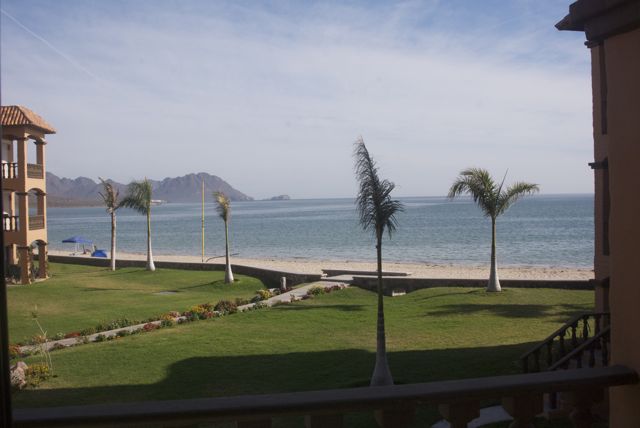
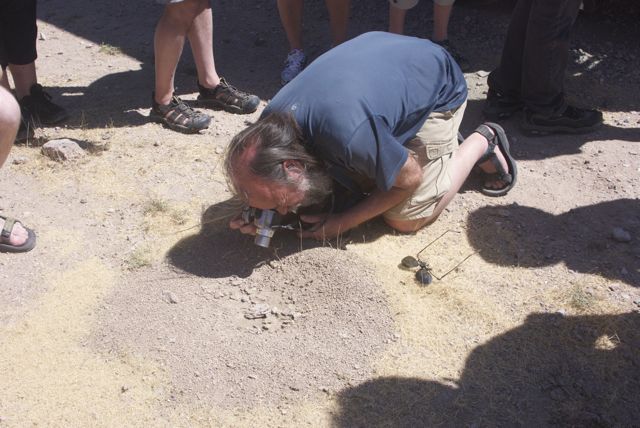
So when Dr. David Wagner invited me as one of 30 artists to spend a week traveling to, learning about, sketching, painting and photographing the Sonoran Desert and then creating work for a 2013 show at the Arizona-Sonora Desert Museum in Tucson, Arizona, I accepted immediately, thinking it would be interesting to compare and contrast these two arid environments.
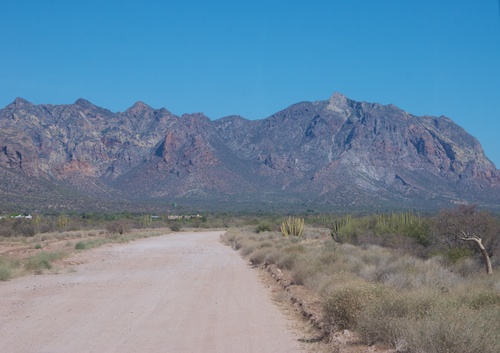
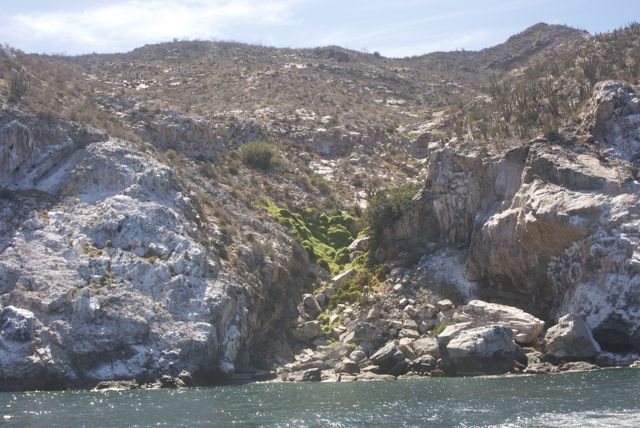
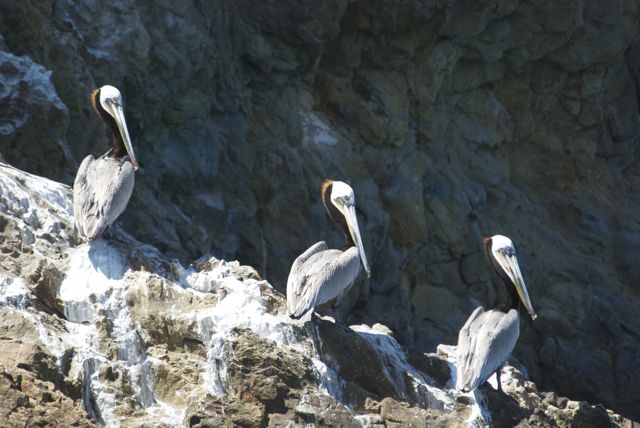
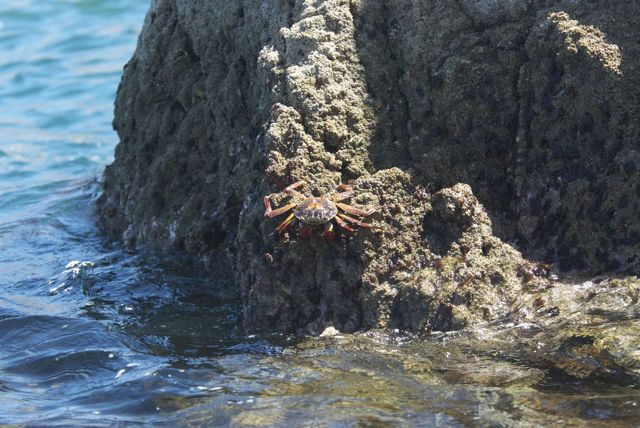
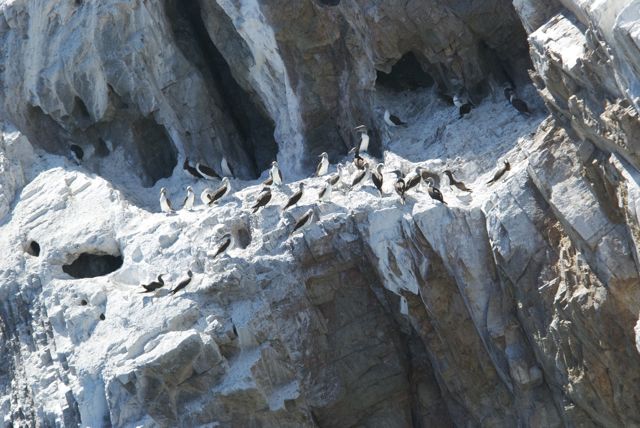
I’ve pulled together my research and travel experiences and here’s what I’ve learned, illustrated with images from both places.
GEOGRAPHY:
SONORAN DESERT: Located in both the United States and Mexico
THE GOBI: Located in both Mongolia and China
Which means that both deserts cross an international boundary.


SIZE:
SONORAN DESERT: 100,000 sq. miles
THE GOBI: 500,000 sq. miles, which makes it the 5th largest desert in the world


ELEVATION:
SONORAN DESERT: sea level to 12,600ft (San Francisco Peaks, Arizona)
THE GOBI: 3,000-5,000 ft. above sea level on a plateau; the highest mountain peak reaches almost 13,000 ft. (Gobi Altai mountains)
CLIMATE:
SONORAN DESERT: Hot with some colder winter areas at higher elevation. Snowfall rare except in mountains. Temperatures: summer- up to 120F (180F surface temperature has been recorded in Lower Colorado River Valley); winter- average low of 39F. Rainfall: bi-seasonal rain pattern- Dec./Mar., July/mid. Sept.; in some areas, multiple years without rain. Wind: winds blowing onshore bring the summer “monsoon” rains; hurricanes possible.
THE GOBI: “Cold” desert due to location on a plateau. Frost and snow can occur on the dunes. Temperatures: summer- up to 140F; winter- down to -40F; up to 50F temperature swings in 24 hours. Rainfall: one rainy season-July/August; up to 7.6″, some years with no rain. Wind: winds up to 85mph can create dust storms (usually occurring in March/April) large enough to be seen from space.

MARINE INFLUENCE:
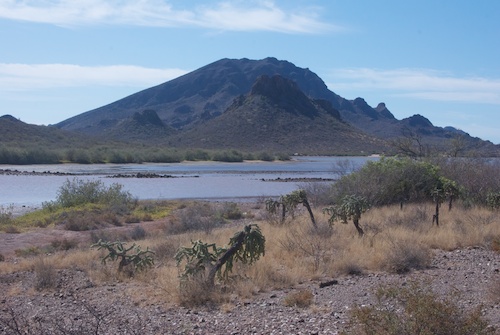
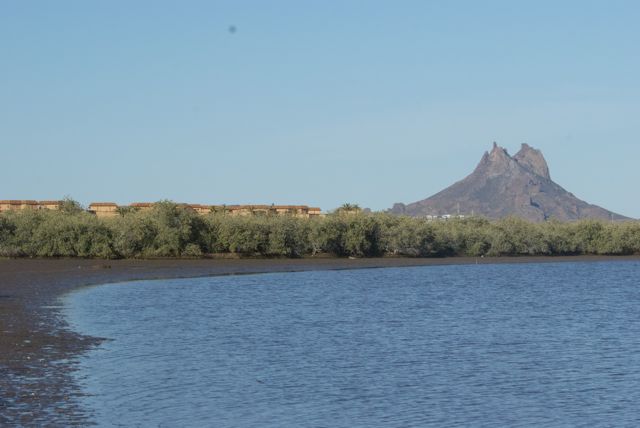
SONORAN DESERT: Coastal areas on the Baja Pennisula and the east coast of mainland Mexico experience marine influence.
THE GOBI: Mongolia is a land-locked country, so the Gobi has no marine influence.


ECOREGIONS:
SONORAN DESERT: There are seven ecoregions: Tundra, Coniferous Forest, Temperate Coniferous Forest, Grassland, Chaparrel, Desert, Thornscrub (wet desert), Tropical Forest (source: Arizona-Sonora Desert Museum); sand dune fields of various sizes common.
THE GOBI: There are two or five ecoregions, depending on the source: 1) Eastern Gobi Desert Steppe, Gobi Lakes Valley Desert Steppe (World Wildlife Fund) 2) Eastern Gobi Desert Steppe, Alashan Plateau Semi-desert, Gobi Lakes Valley Desert Steppe, Junngar Basin Semi-desert, Tien Shan Range (“Alternative sources” Wikipedia entry for Gobi Desert); 5% of the Gobi is covered in sand dunes, much of the remainder in gravels of various kinds.


HUMAN ACTIVITY:
Animal herding is common in both places. In the Sonoran Desert, there are cattle and some horses. The cattle graze on their own, the horses get fodder. In the Gobi, there are domestic bactrian camels, goats and some horses. In the more arid areas, camels do the work of horses. All animals graze on their own unless there is a severe winter, then they are fed fodder.
Food growing occurs where there is enough water. In the Sonoran Desert, water comes from springs, groundwater and wells. The growing season is very short- July and maybe into August. In the Gobi, there are lakes in some areas, springs and wells. The growing season may be as long as from April to October, depending on rainfall.

WILDLIFE:
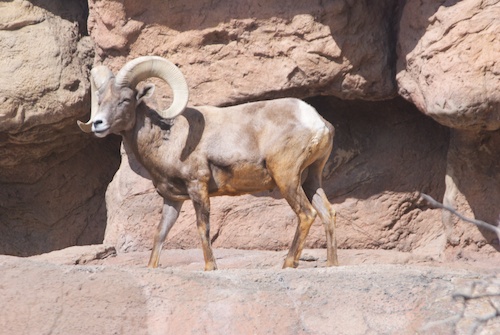
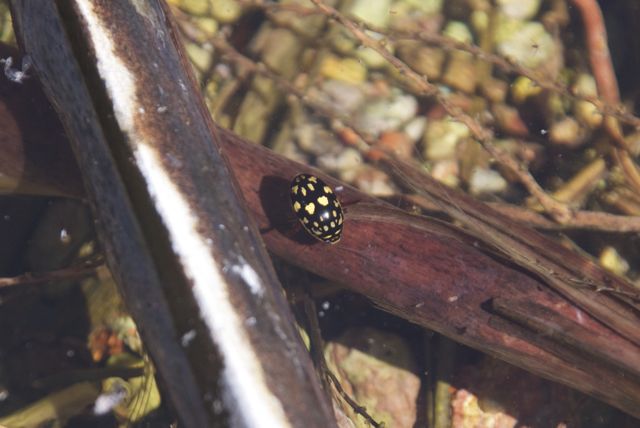
SONORAN DESERT: 60 mammal species, including desert bighorn, jaguar, Mexican grey wolf, kangaroo rats, saiga antelope; 350 bird species, 15 which are endemic; over 100 reptile and 20 amphibian species. Endangered mammals: jaguar, Sonoran desert pronghorn. Endangered birds: cactus ferruginous pigmy owl, southwestern willow flycatcher
THE GOBI: 40 mammal species, including argali sheep, snow leopards (Altai Mountains) grey wolf, jerboas, Sonoran pronghorn antelope; the only reasonably reliable count for bird species that I could find on the web is 240 (from the Juuchin Tours website) specifically for Gobi Gurvansaikhan National Park. 15 reptile and amphibian species. Endangered mammals: Gobi bear, wild bactrian camel. Endangered birds: lammergeier, houbara bustard
FLORA:
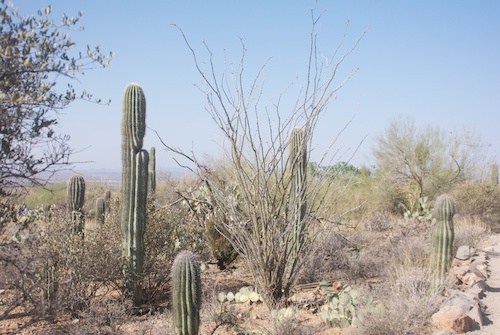
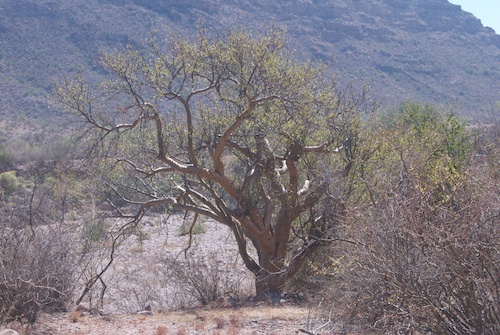
SONORAN DESERT: 2000 species of plants; known for: saguaro cactus
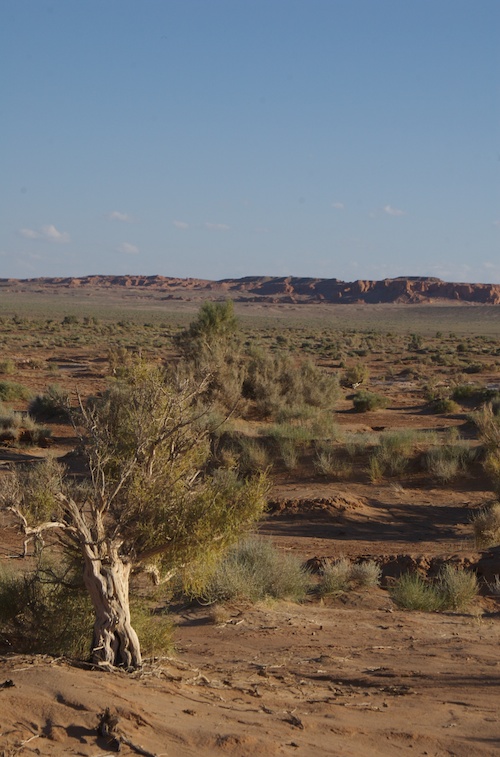
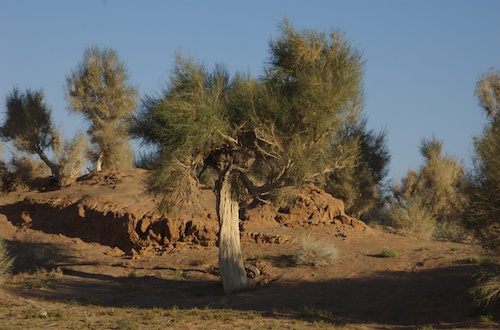
THE GOBI: 410 species of plants; know for: saxaul trees
So there you have it. What I found to be a useful and interesting comparison of two of the great deserts of the world.
I want to thank Dr. Wagner for inviting me along on this wonderful trip and all my fellow artist traveling companions. Did we have fun or what? You’re the best!










 Susan Fox, American Artist