5 Epic Travel Accounts + 1 Book About Not-So-Epic Trips

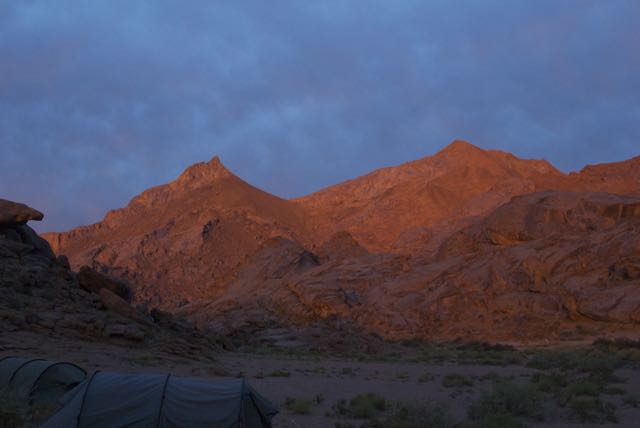
A week of rough travel and a little short on drinking water, but to crawl out one's tent to see this...
A week of rough travel and we were a little short on drinking water, but to look out of one’s tent to see this… (Eej Hairhan Uul at sunrise, one of the most sacred mountains in Mongolia, where all mountains are sacred)

I’m in the fortunate position of getting to travel to Mongolia every year and spend most of my time there traveling in the countryside. I think of it as “sane” adventure travel. I know my limits and stay within them. Here’s five of my personal favorite travel books by people who took it to the limit and maybe a little, well, in some cases A LOT, more.

1. THE WORST JOURNEY IN THE WORLD by Apsley Cherry-Garrard: Defines “epic” when applied to travel and exploration books since it’s a page-turner stay-up-late first-person account of Scott’s Last Expediion to Antarctica and the South Pole (and I’m not that into Polar exploration). The title is an understatement, really, since Cherry-Garrard survived the most appalling conditions imaginable on a side trip to become one of the first humans to see the main nesting site of emperor penguins. And, of course, Scott and his party died on their way back from his “race” to the South Pole (they got there only to find that Roald Amunsen had already been and gone). Avaliable for free online through a variety of sources. More about the author here.

2. LONG WAY ROUND by Ewan McGregor and Charley Boorman: Around the world on motorbikes, starting from London. While filled with, shall we say, incident. my favorite part, of course, is when they went through Mongolia. And McGregor came within a whisper of saying the hell with this and heading north to Russia. He and Charlie were really schooled by Mongolia, but at the end it was his favorite, and most memorable, country they passed through. I knew I liked the young Obi Wan. Available from the usual places. There’s also a DVD set of the tv series. On YouTube, you may still be able to find Mongolian legendary rock band Haranga’s version of the Long Way Round theme song. More about Long Way Round here.

3. THE SINDBAD VOYAGE by Tim Severin: This one is more or less a stand-in for all his books, which started with “The Brendan Voyage”, in which he crossed the Atlantic in a coracle to prove that the Irish could have sailed to North America. In “The Sindbad Voyage” he sails a dhow, made in the traditional way from Malabar timbers sewn together, from Sohar in Oman to Hong Kong, a recreation of the Seven Voyages of Sindbad. He has also recreated the voyages of Jason and Ulysses, along with riding Ardennes Heavy Horses from France to Jerusalem to retrace the route of the Crusaders as recounted in “Crusader: By Horse to Jerusalem”. In 1991 “In Search of Genghis Khan: An Exhilarating Journey on Horseback Across the Steppes of Mongolia” was published, in which he describes the daily saddling of the horses as a “rodeo”. More about Tim here.

4. DANZIGER’S TRAVELS; BEYOND FORBIDDEN FRONTIERS by Nick Danziger: He’s not kidding. Easily the most intense “travel” account I’ve read. Eighteen months. No visas. Disguised as an itinerant Muslim. On foot or by donkey, camel, cart, truck, whatever was available, he traveled through Iran, Afghanistan, Xinxiang (home of the Uigher people in far western China), Tibet and China itself. Total cost: $1500 in the mid-1980s. No way he should have survived this, particularly in Afganistan where there was an actual war in progress, but he literally lived to tell the tale with wit and intelligence. I’ve read a lot of travel writing. This one stands alone. More about Nick here.

5. WALKING THE GOBI by Helen Thayer: New Zealanders Helen and her husband Bill walked the length of the Gobi from west to east at ages 63 and 74, respectively, something she’d dreamed of doing for 50 years. With two camels…Tom and Jerry. 1600 miles through 126F heat, sandstorms, dehydration, drug smugglers and scorpions (saw my first one ever in Mongolia on last year’s trip at, in fact, our camp by the mountain in the photo at the top)  This woman is indomitable, having skied to the magnetic North Pole unsupported (rare for any polar expedition these days), been the first woman to walk 4000 miles across the Sahara and travel 2200 miles of the Amazon River by kayak. She’s been awarded the Vancouver Award for Excellence in Exploration by The Explorers Club, among her many honors. More about Helen here.

Finally, on the *much* lighter side, at least for the reader….

6. I SHOULD HAVE STAYED AT HOME-THE WORST TRIPS OF GREAT WRITERS edited by Roger Rapaport and Margaret Castanera: I love this book. They did it so we don’t have to. We have only to read and laugh and groan and cringe. “Rick Steves on a beat-up Afghani bus with a speeding driver who appeared to be stoned”. “Jeff Greenwald dunked into an electric bath in Tokyo”. “Mary Mackay in a hotel room in Guatemala on the ‘Night of the Army Ants’ “. I think you get the idea….

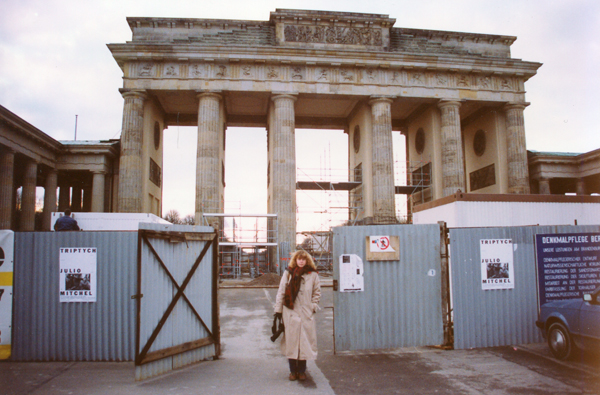


Berlin In December, 1990 (Two Months After Reunification)

Entering Berlin on the east-west autobahn.
Entering Berlin on the autobahn.

A few days ago it was the 25th Anniversary of the fall of the Berlin Wall. Like millions of people around the world back then, we were glued to the tv watching something we never thought would happen in our lifetime and then it seemed, in an eyeblink, it was gone, along with the Soviet Union.

I’ll always be kind of sorry that we didn’t whip out the credit card and hop a plane to go and be part of it. But in December of 1990, two months after Unification, we did travel to Germany for a business trip my husband had in Wiesbaden. Afterwards we got a rental car and headed east. That part of the trip is a story for another post, but we simply crossed the old border via a country road into the now-defunct East Germany and drove to Berlin. What follows is an album of photos I took on the day we explored the area around where the Wall had been. I thought it would be good not to just let these photos of an historic time sit in a photo album, but get them out there as one eyewitness record of a moment in time. They were taken with a Nikon N2000 film camera and the 4×6″ prints scanned on an Epson scanner into Photoshop. I only did a minimum of adjustments, preferring to leave them as I took them as much as possible.

Our first stop was the Brandenburg Gate, which was undergoing repairs and restoration.
Our first stop was the Brandenburg Gate, which was undergoing repairs and restoration and was blocked off.
Nearby was a piece of the Wall and a burned-out Trabant car.
Nearby was a piece of the Wall and a burned-out Trabant car. There were many of these scattered around the city and alongside the roads, mostly orange or lime green. A popular joke about this much-hated vehicle was “How do you double the value of a Trabbi? Fill it with gas.”
One of the first things
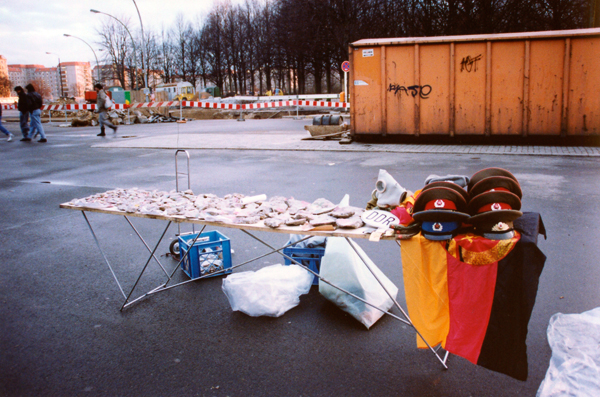
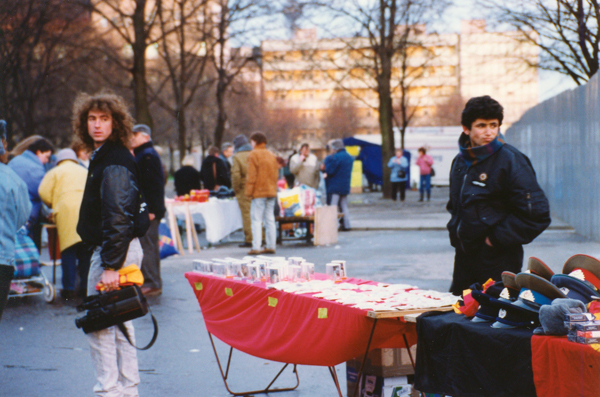
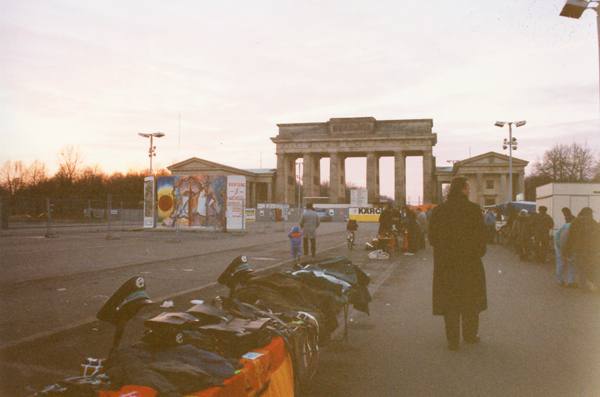
One of the first things we noticed were the vendors set up all around the Gate. They were selling well, just about everything moveable that had been connected to East Germany….uniforms, currency, official documents, ID papers, medals. And also pieces of the Wall, some big chunks just piled on the ground and some mounted in little plastic souvenir boxes.
The scene around the Brandenburg Gate.
Vendor
One of the vendors. They all seemed to be from Eastern Europe, speaking languages like Bulgarian, not German.
Pieces of the Wall
Pieces of the Wall in the little plastic display boxes. We have a couple, but they’re packed away somewhere at the moment.
A section of the Wall
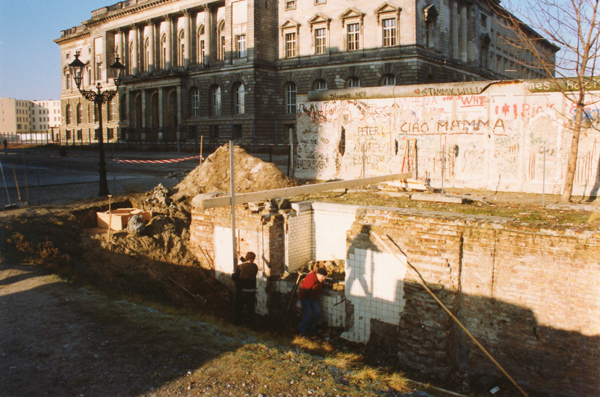
A section of the Wall with one of the holes people punched in it with whatever they could find.
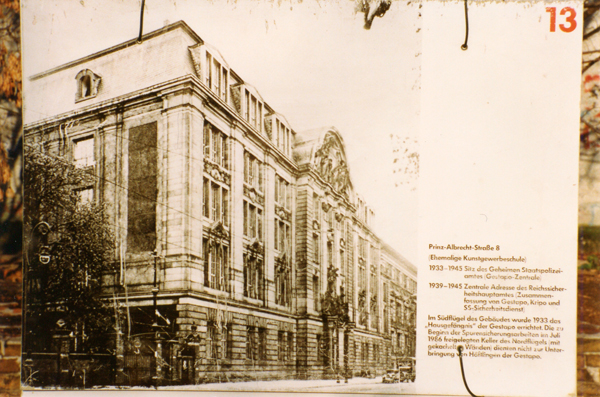
The site of Gestapo headquarters.
Another view of the site of  Gestapo headquarters, which had been leveled.
Another view of the site of Gestapo headquarters, which had been leveled.
A sign at the site showing the building that had been there. So much evil, pain and terror occurred in that place.
A sign at the site showing the building that had been there. So much evil, pain and terror occurred in that place, but it’s gone forever now.
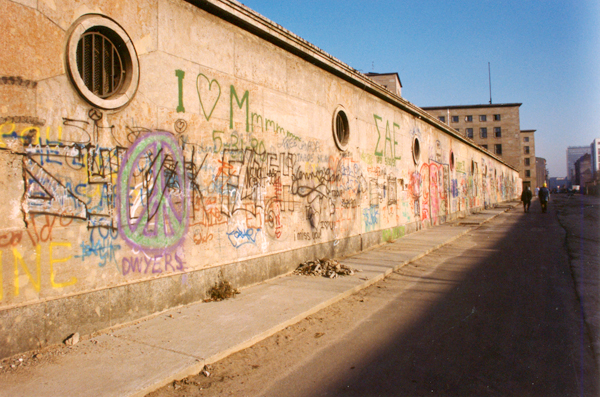
Colorful Wall section.
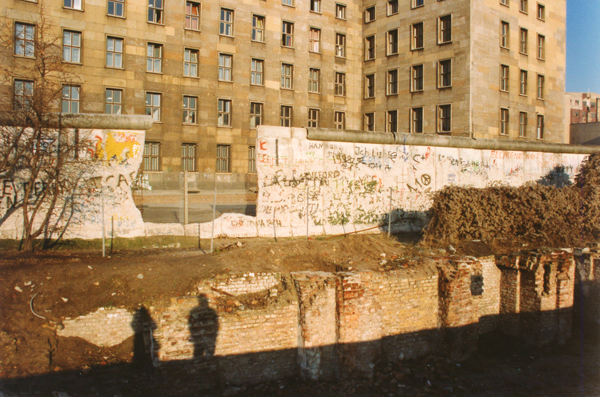
A long stretch of the Wall. Walking along it was a somewhat surreal experience.
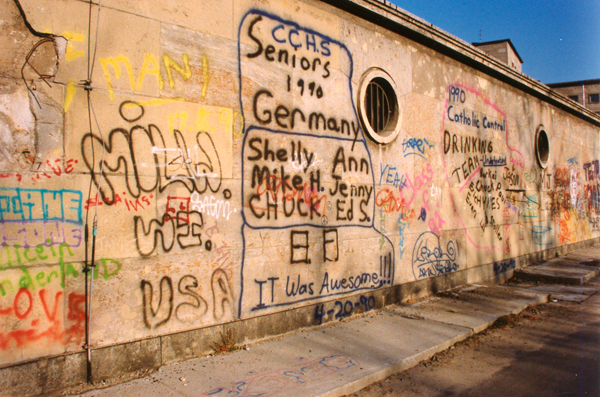
We sure weren't the first Americans there, not by a long shot.
We sure weren’t the first Americans there, not by a long shot.
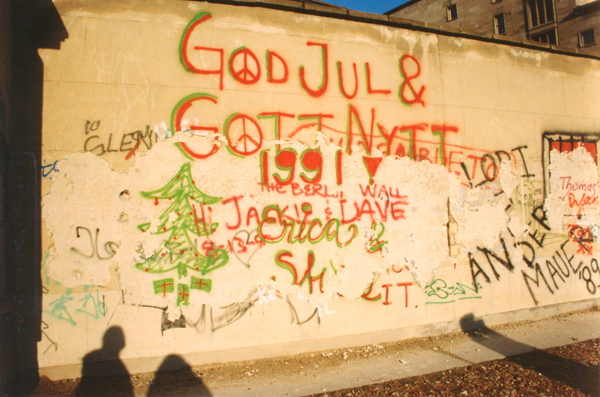
Since it was December, someone left a holiday message.
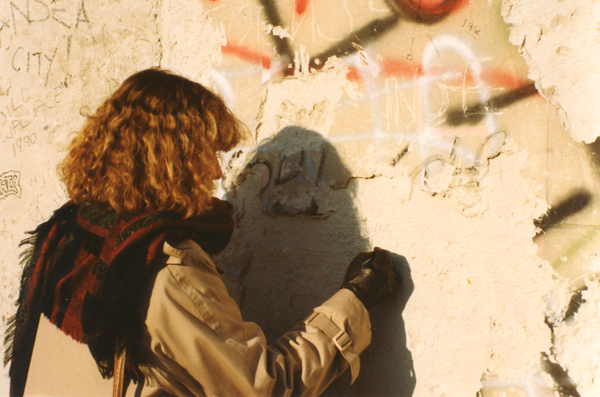
We talked it over and decided, what the heck,, we'd add our names. All we had was a pen, but we managed.
We talked it over and decided, what the heck,, we’d add our names. All we had was a pen, but we managed.
Me writing on the Wall.
Mu husband, David, writing on the Wall.
My husband, David, writing on the Wall.
Street scene
Street scene.
Street scene.
Street scene.
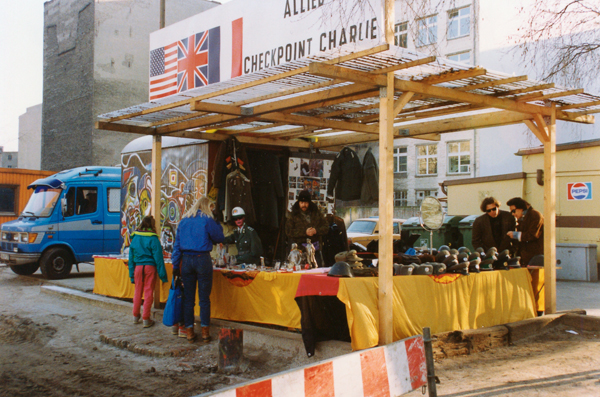
Checkpoint Charlie had been turned into a temporary souvenir shop.
Street scene.
Street scene with the Reichstag in the background.
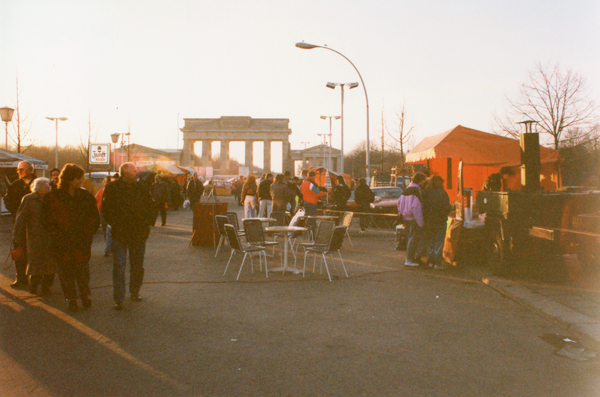
Impromptu street cafe with the Brandenburg Gate in the background.
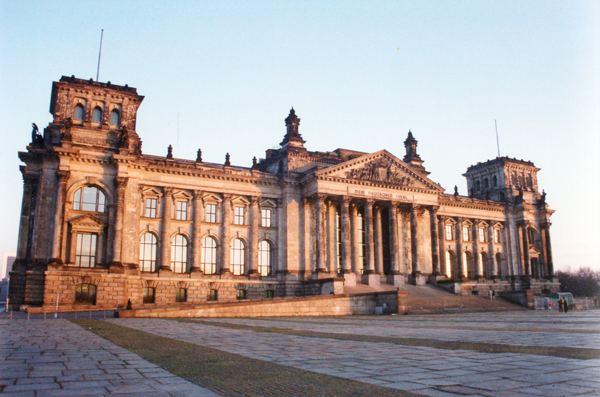
The Reichstag (German parliament building)
Corner of the Reichstag showing patched bullet and artilliary shell holes from WW2.
Corner of the Reichstag showing patched bullet and artillary shell holes from WWII.
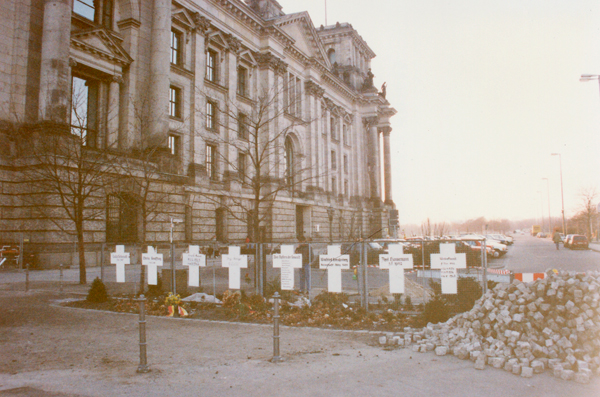
Memorial between the Reichstag and the river for those who died trying to get to freedom there.
Memorial between the Reichstag and the river for those who died trying to get to freedom over the Wall there.
The Reichstag after the end of the War.
The Reichstag during a return trip to Berlin in October, 2004.
I couldn't resist grabbing a quick shot of this beautiful woman in her fur coat and hat. I got a stream of quite angry Russian in return, along the lines of "It's really rude to take photos of people!" (my husband knew enough Russian to translate). Of course in the old Soviet bloc no one was used having their picture taken casually in a public place, so I couldn't blame her for being upset. I apologized and we went on our way. Quickly. But I'm really glad I got the shot. I hope she has lived a good and happy life.
I couldn’t resist grabbing a quick shot of this beautiful woman in her fur coat and hat. I got a stream of quite angry Russian in return, along the lines of “It’s really rude to take photos of people!” (my husband knew enough Russian to translate). Of course in the old Soviet bloc no one was used having their picture taken casually in a public place, so I couldn’t blame her for being upset. I apologized and we went on our way. Quickly. But I’m really glad I got the shot. I hope she has lived a good and happy life.
More street vendors.
Street vendor with the Brandenburg Gate in the background.
Brandenburg Gate
Brandenburg Gate, December 1990 with vendors selling East German military uniforms.
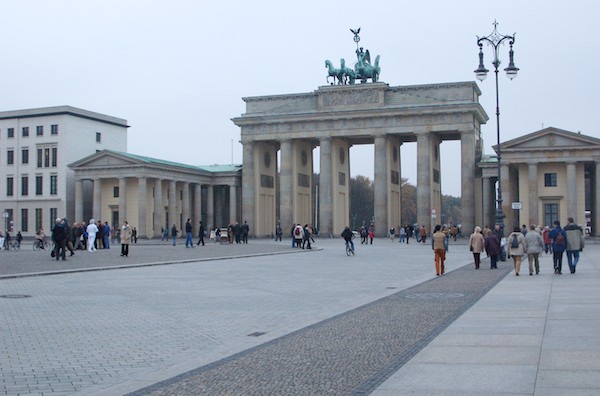
The Brandenburg Gate on a return trip to Berlin in October 2004.
The Brandenburg Gate on our return trip to Berlin in October 2004.
Our piece of the Berlin Wall. It's about 10" wide.
Our piece of the Berlin Wall. It’s about 10″ wide. I had to dig through a few piles to find this colorful piece.


Fun Times At The Susan K. Black Foundation Workshop! A Personal Album

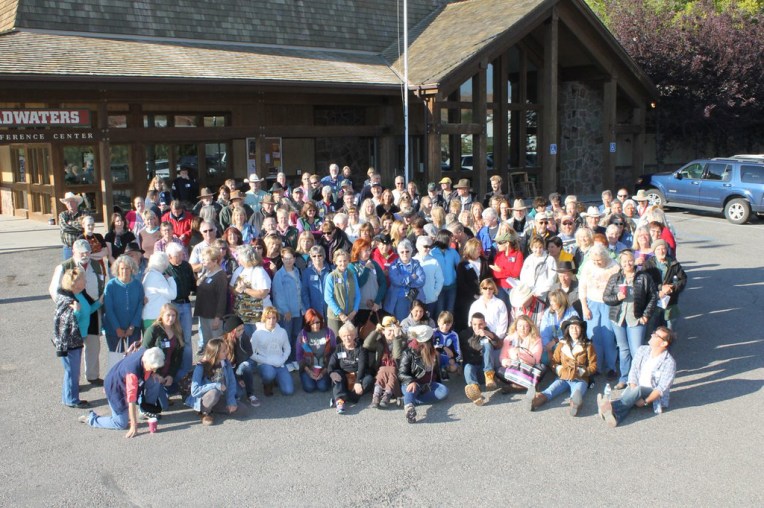
The annual exercise in cat-herding....the official SKB group photo
The annual exercise in cat-herding….the official SKB group photo. I’m somewhere towards the back on the right. (Photo by Anthony Cannata)

The main reason for my road trip to Wyoming at the beginning of last month was to attend the Susan K. Black Foundation Workshop for the first time in too many years. My travels to Mongolia have often gone into September and the workshop is always the second week so that it will be right after the Jackson Hole Fall Arts Festival. But this year I was home by the end of July.

In every good way, nothing had really changed and the welcome I got was touchingly warm. What sets this workshop apart is that there are always a number of instructors and one can bounce around between them as one wishes. You can learn from painters in oil, acrylic and watercolor. Plus, this year, sculptors. Even better, anyone who has been an instructor is permanently invited to come back every year and many do, so it’s equal parts workshop, a reunion of artist friends and colleagues and a gathering of the animal art and landscape clans. All in an informal environment with great food and terrific scenery at the Headwaters Arts and Conference Center in Dubois, Wyoming, which is about 90 minutes from Jackson.

There’s always a Special Guest Instructor and this year it was none other than James Gurney of Dinotopia fame. He also presides over one of the most popular art blogs in the internet, Gurney Journey, and has written what has become a standard book on the subject “Color and Light”. His endlessly inventive ways to work on location have been a real inspiration for me personally. So I wasn’t going to pass up the chance to watch him in action.

The  first day
The first day James explained his basic location painting set-up.
We got to see it in action right at the conference center.
He was painting a scene from the kitchen as the staff prepared our meals.
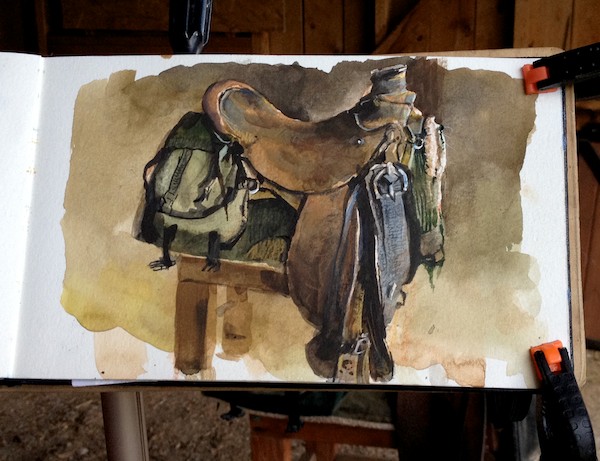
Saddle study by James Gurney

There were plenty of opportunities to work on location, including a couple of local ranches.

I found a nice spot down by the creek at CM Ranch.
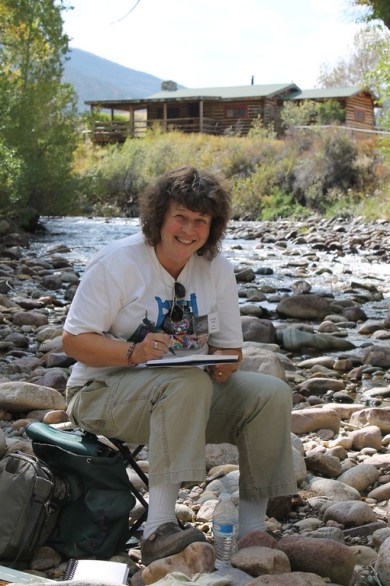
I found a nice spot down by the creek at CM Ranch. (Photo by Anthony Cannata. Thanks!)
Picnic lunch at the Finley ranch.
Lee Kromschroeder getting ready to paint.
Some of the great scenery...
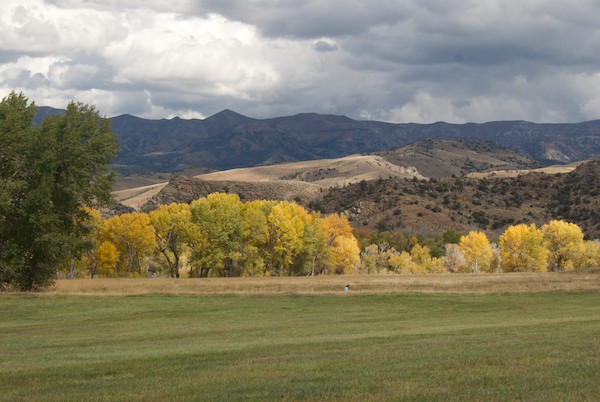
Some of the great scenery with the cottonwoods coming into their fall colors…
James Gurney and his wife, Jeanette, painting on location
James Gurney and his wife, Jeanette, painting on location at the Finley ranch.
In-progress photo
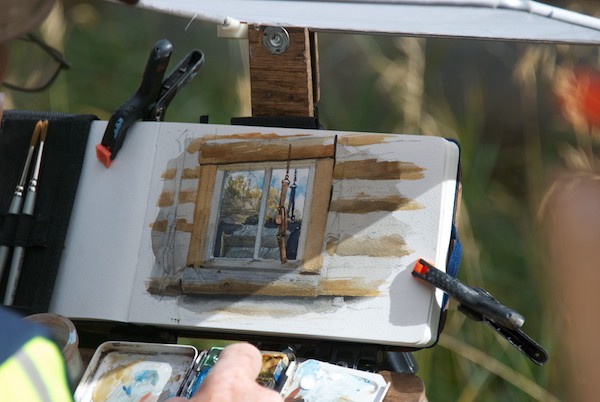
In-progress casein painting of old traps hanging on the wall of the log cabin.
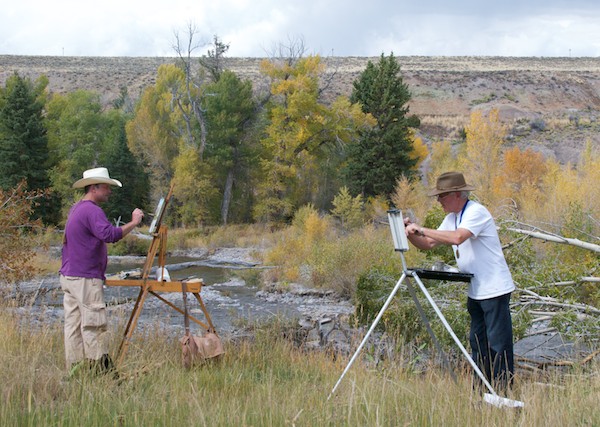
Bob Bahr and Heiner Hertling getting serious.
Bob Bahr and Heiner Hertling getting serious with the scenery.
Our host, John Finley. His ranch has been in his family for over 100 years.

One of the best parts of the workshop is the good times with artist friends and colleagues, often in the evening at the local saloon, the Rustic Pine Tavern.

Guy Combes discovered a flyer for the workshop in a local newsletter so of course there had to be a photo. And since we're all animal artists I had to take one of him and his partner Andrew Denman posed under this imposing moose head.
Guy Combes discovered a flyer for the workshop in a local newsletter so of course there had to be a photo. And since we’re all animal artists I had to take one of him and his partner Andrew Denman under this imposing moose head.

Besides working out on location, attendees could also do studio painting.

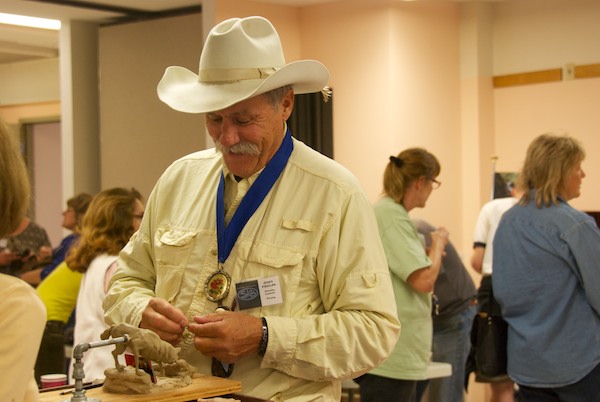
I spent a day in Greg Beecham's class, getting great tips and advice on wildlife painting.
I spent a day in Greg Beecham’s class, getting useful tips and advice on wildlife painting. I’m in the back on the right. (Photo by, I think, Anthony Cannata)

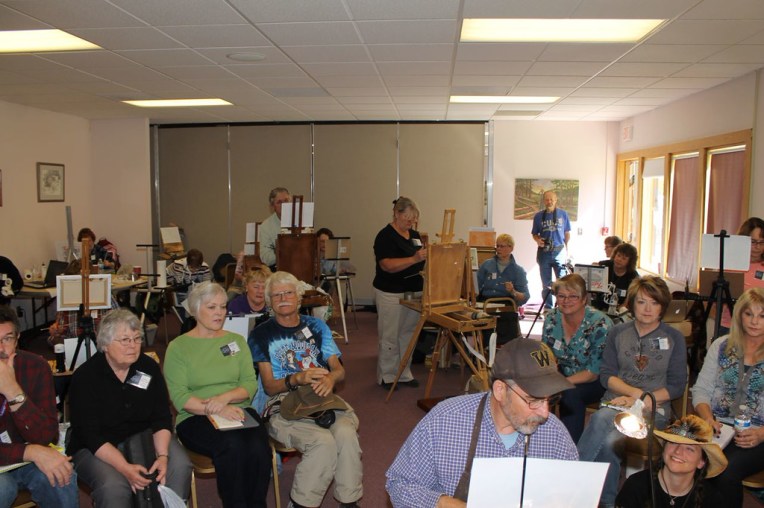
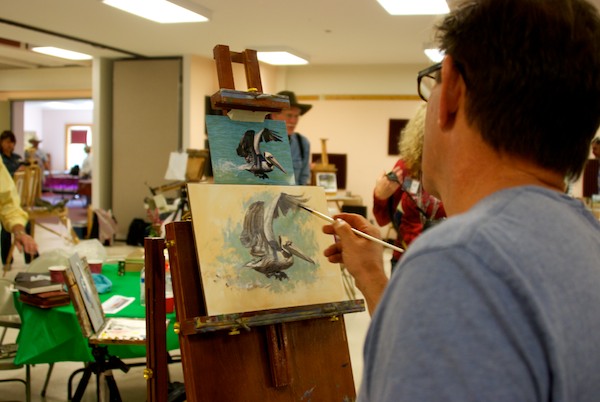
One of the highlights of the week is the “Quick Draw”, which is actually a “Pretty Quick Paint”. It’s a great chance to watch a lot of very accomplished artists in action at once, creating auction and raffle-worthy work in front of a large crowd, including fellow artists.

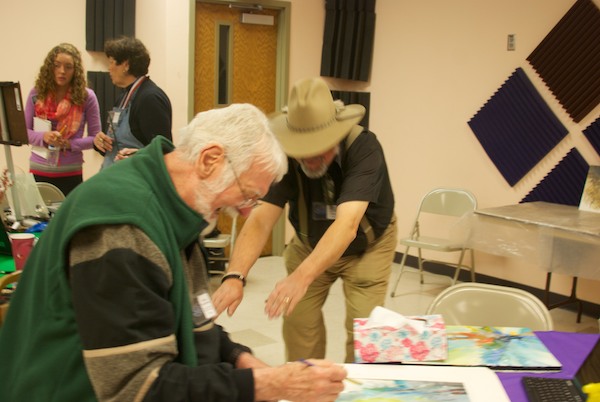
John Seerey-Lester bows before Mort Solberg
John Seerey-Lester bows before Mort Solberg, just to make Mort crack up while he’s trying to paint. It worked.
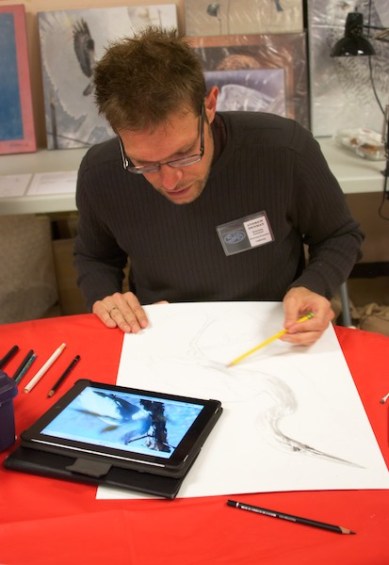
Andrew Denman working on a graphite drawing of an egret.
David Rankin getting ready to paint.
Matthew Hillier hard at work. This was his first Quick Draw.
But he obviously wasn't fazed.
But he obviously wasn’t fazed.
Christine Knapp worked on a fairly large sculpture.
John Phelps created a small wolf.
Lee Cable painted a portrait of a horse.
Guy Combes did a lion.
Greg Beecham harassed David Rankinl
Greg Beecham harassed David Rankin.

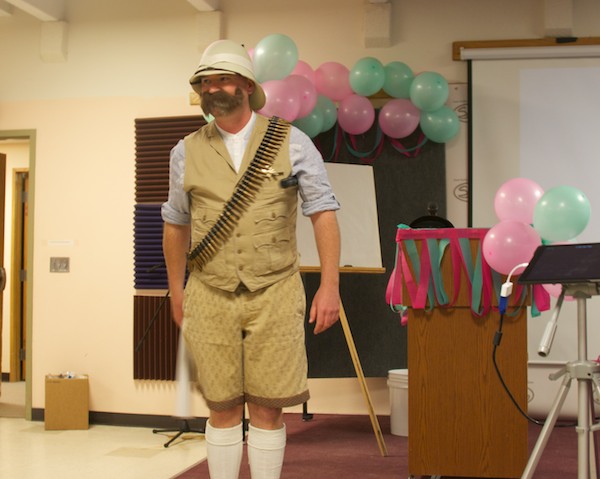
The final evening was an entertainment-packed extravaganza, starting with two suspiciously familiar faces who introduced themselves as Sir Charles Willoughby, who somehow had to keep order (good luck with that), and Chip Chippington (all the sleazy game show hosts you’ve ever seen rolled into one hilarious package).

Sir Charles Willoughby
Sir Charles Willoughby (aka Guy Combes)
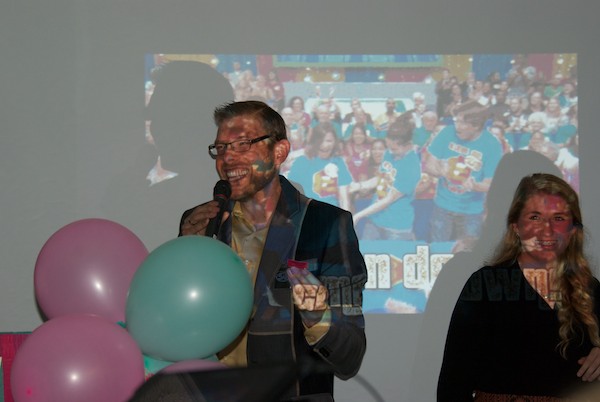
Chip Chippington and his lovely assistant, Suzie Sparkle.
Chip Chippington (aka Andrew Denman) and his lovely assistant, Suzie Sparkle.

The fun started with a quiz to identify which instructor various species of dinosaurs were named after…

instrucasaurasesAnd I’m sorry to say that by this time I was laughing too much to get any pics of the rest of the show.

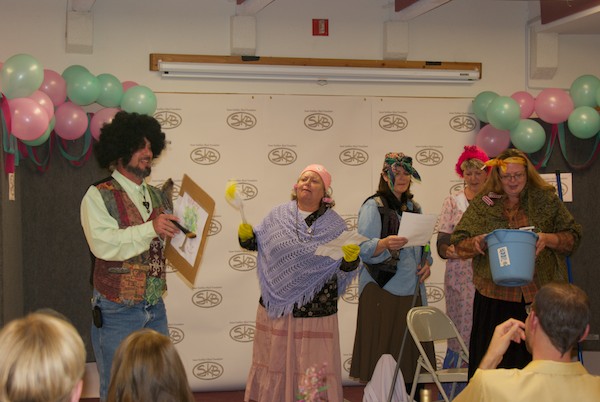
The night was capped by open mic performances, including one by the awesome kitchen staff.

A certain instructor came in for some ribbing.
A certain instructor (who painted the horse’s portrait for the Quick Draw) came in for some ribbing.
As did a certain well-known tv artist who painted "happy trees".
As did a certain well-known tv artist who painted “happy trees”.

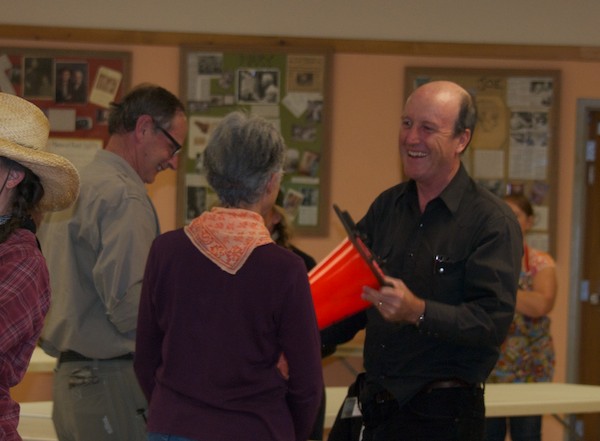
There was a point during the early part of the evening when a slide show was shown of various attendees and instructors sporting a really impressive variety of hats. Getting into the spirit after the lights came up, James Gurney popped one of his Dept. of Art traffic cones (used to create space around where he is working on location in urban areas) on his head…

gurney coneAnd a good time was had by all….

gurney 4


Fall Colors In New York and Vermont

Saratoga Springs State Park

I’m in Bennington, Vermont, for the opening weekend of the Society of Animal Artists’ international juried exhibition “Art and the Animal” and also one of our two yearly board meetings. I came in a day early to make sure I was here in time in case of bad weather, so went for a drive north yesterday, from where I’d stayed at near the Albany airport, to Saratoga Springs State Park and onwards up into the Adirondacks, which I’d never visited before. It was a gorgeous fall day, as you can see. Today it’s been rainy, and now cloudy and gloomy, so my timing was good.
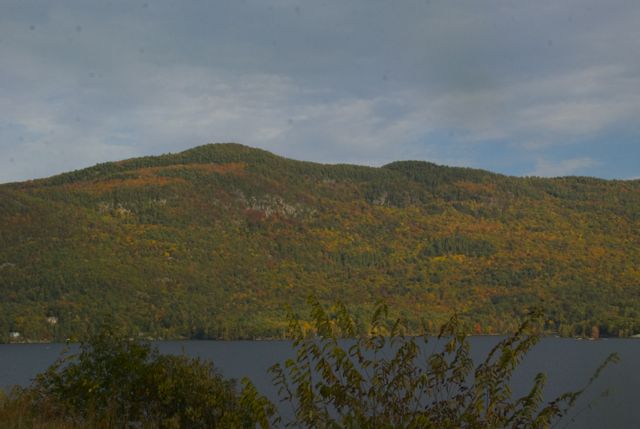
Lake George, the Adirondacks
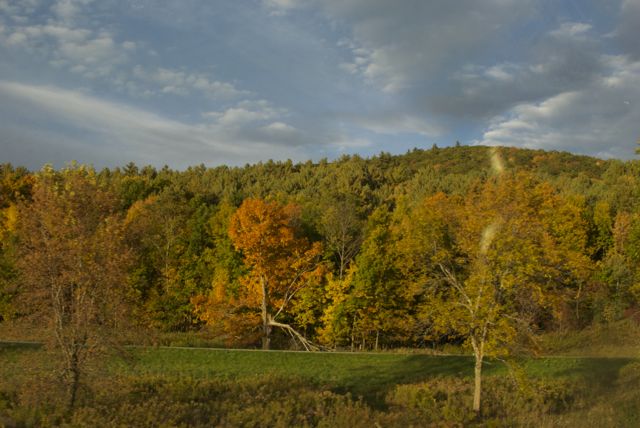
Fall colors, the Adirondacks
Falls at Ticonderoga
Fall colors, Vermont

I Have Five Entries In The “We Said Go Travel” Travel Writing Contest!


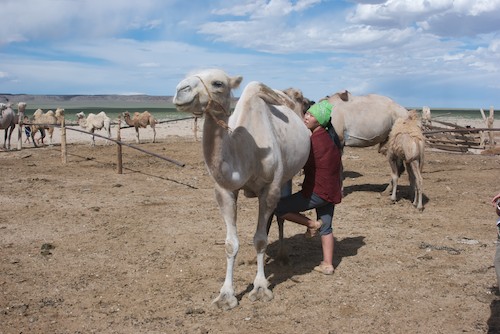
Time to milk the camels.

I’m not a “writer” but I do write, mostly on this blog. I ran across a travel writing contest sponsored by the We Said Go Travel site and decided to re-write five of my posts from my two-week camping trip in Mongolia in July 2010 and see what happens.

Everything that fits the theme, “Inspiration: A Place That You Love” and is written in grammatically correct, decent English is being posted on the website. There will be judging for cash prizes, though, by Richard Bangs, who they describe as “the father of modern adventure travel, so I might even win a few bucks.

Three of the five stories have been posted. The fourth is scheduled for March 12. I’ll update this post as the stories go live.

You can read about the contest here.

You can read my entries at these links. Enjoy!:

http://www.wesaidgotravel.com/camels-and-the-nomadic-dung-fire

http://www.wesaidgotravel.com/an-unexpected-gift

http://www.wesaidgotravel.com/mongolia-the-valley-of-the-yaks

Mongolia Monday- A Visit To The American Museum Of Natural History

I spent a great morning at the American Museum of Natural History during my recent quick visit to New York to attend the Society of Animal Artists board meeting and show jury.

This time I wanted to sketch and once again see the fossils that Roy Chapman Andrews’ Central Asiatic Expeditions brought back from Mongolia. I got to chatting with one of the volunteer docents and found that she knew the location of some Mongolia items that I hadn’t found on my previous visit in 2009.

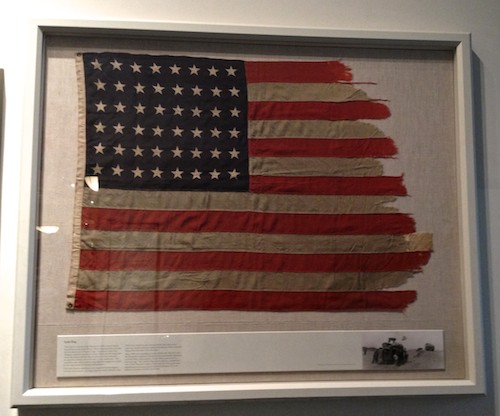
The jackpot was an American flag that flew from one of the expedition vehicles. It was in a glass case that had been mounted on the wall in one of the stairwells, not exactly a prominent, easy to find location, so I appreciated the docent’s help a lot!

Here’s a “album” of photos from the museum, filled out with a couple from my previous trip, ending with a couple of iPad sketches I did.

American flag carried to the Gobi of Mongolia by one of Roy Chapman Andrews’ Central Asiatic Expeditions.
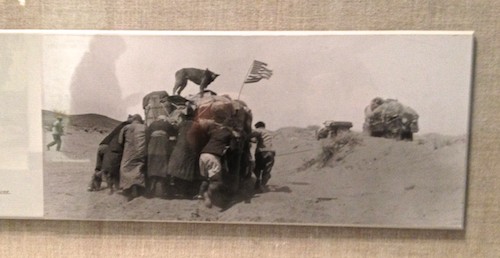
Closeup of the photo. I’ve helped push a vehicle or two on my trips, but without a dog to supervise.
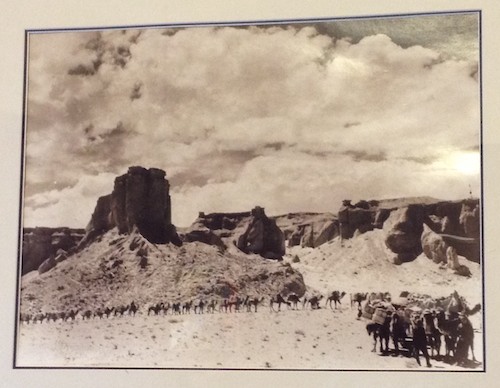
The walls in the cafe closest to the Paleontology section are lined with photos of the Central Asiatic Expeditions to Mongolia. This one is of what Andrews dubbed “The Flaming Cliffs” which are located in an area the Mongols call Bayanzag (Place of the saxaul trees). I’m pretty sure I watched the sun go down along the lengthy of this butt in September of 2006. He used large caravans of camels to transport supplies and get them into position before the rest of the expedition arrived in motor cars.
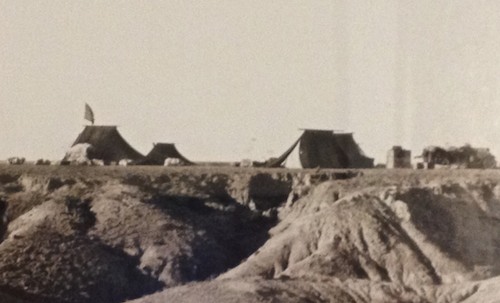
Another photo from the cafe, this one showing the Expedition’s camp. The tents are “maikhan” or summer tents, which are lighter and even more portable than the better known felt gers.
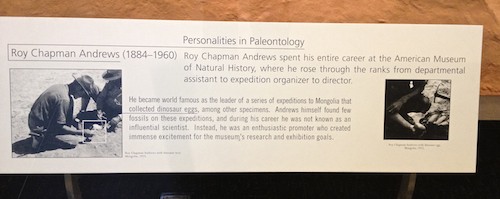
Short profile of Roy Chapman Andrews. It has been speculated that he was one of the inspirations for Indiana Jones. And if you’ve read his biography, that’s not hard to believe, although there is no proof.
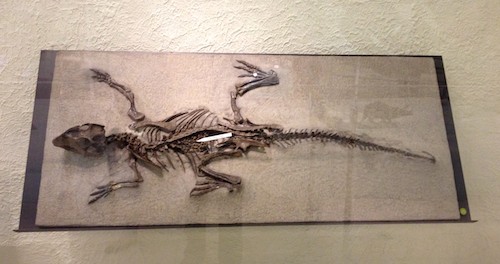
One of the fossils from Mongolia, a Psittacosaurus mongoliensis
Informational sign about the above fossil
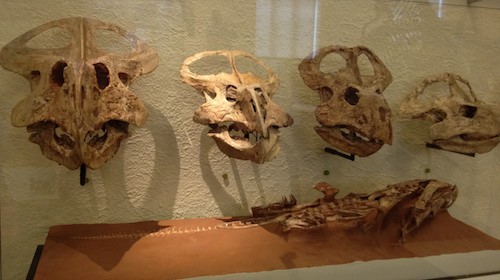
Protoceratops fossil skulls of varying sizes; the expedition’s scientists found far more of these than any other species
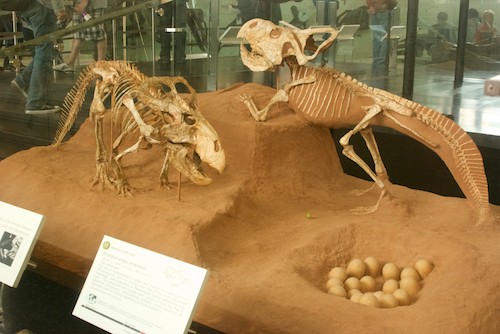
A pair of protoceratops (image from 2009)
Although the Expeditions failed in their original goal, which was to find evidence that “man” had originated in Asia, not Africa, the find that electrified America was the discovery of the first known fossil dinosaur eggs. Andrews’ decision to sell one created a firestorm of controversy. (image from 2009)
Besides the flag, this was the other item from Mongolia that I’d missed on my previous trip, an amazing fossil of a female dinosaur which contains a egg with a recognizable embryo, something never before seen or found.

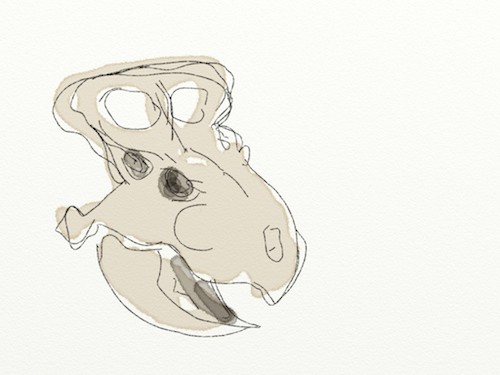
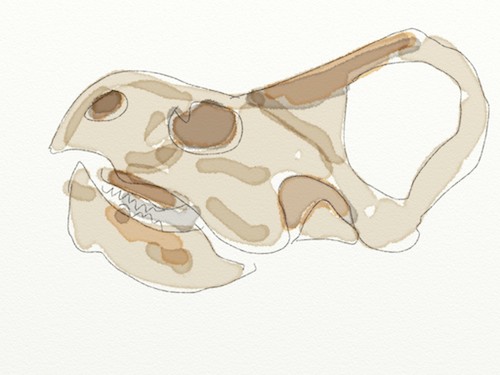
Finally, here are a couple of quick sketches I did of protoceratops skulls using ArtRage on my iPad.

IPad Sketches from the High Line in New York City

I just got back from the Big Apple and had a great time. Got to spend the day before my meeting wandering up and down the High Line, an old elevated railway that has been converted into an incredible mile long park. It’s located not far from the river and runs through Chelsea and the Meatpacking District. The Chelsea Market was a great place to get lunch (Thai food, in my case), use the restroom and poke around.

As is usually the case, the powers that be, lacking any imagination, much less vision, wanted to tear down an eyesore, but one man saw the potential and now I think it is one of the absolute must-sees for anyone visiting New York. Judging from the number of people there on a chilly November weekday, I’m not the only one. And it seemed to be almost equal parts visitors and locals.

I had my trusty iPad with me and really enjoyed taking advantage of all the cool places to sit and sketch. And I had my iPhone for taking photos.

To set the scene:

My first look at The High LIne,which is reached by stairs or elevators at various points.
View of the Empire State Building
You can walk through a forest in the sky
One of the open plaza areas with a really cool building
Not only are there lots and lots of benches of varying designs, but also gathering places that catch the sun all through the day
A sunny corner at the southern end

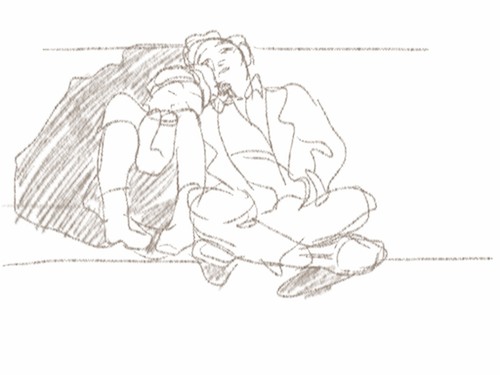
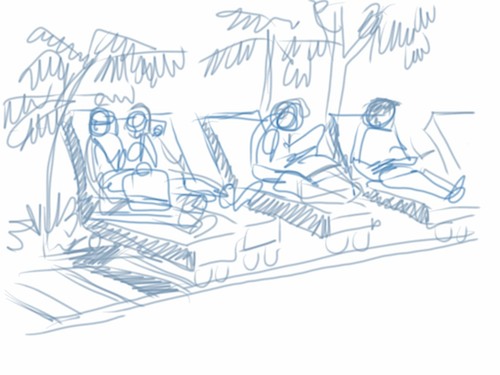
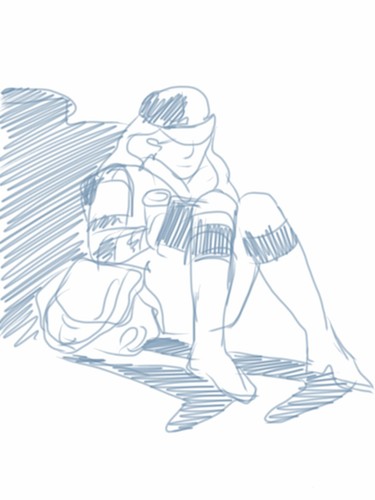
And here are some of the sketches, done quickly in just a few minutes, for which I used Autodesk’s Sketchbook Pro:

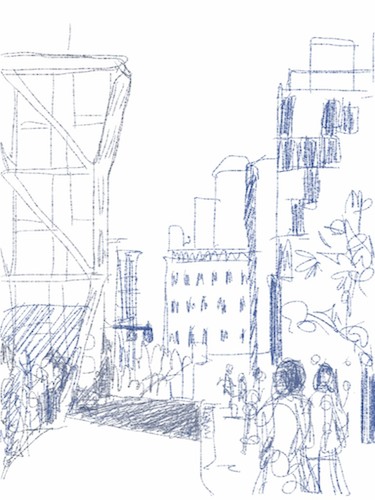
I don't "do" architecture, but couldn't resist drawing some of these great public spaces
The High Line is a riot of overlapping shapes of vegetation and buildings
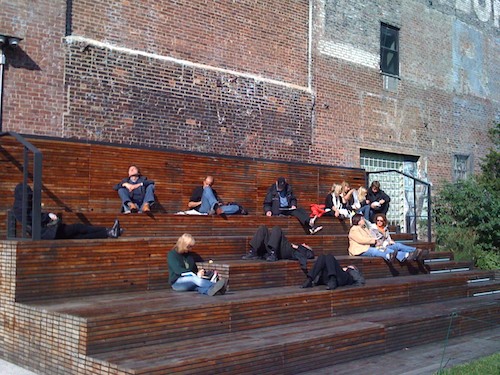
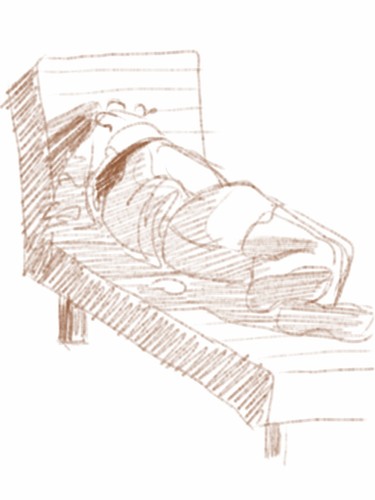
One stretch had a long line of big wooden "loungers", perfect for a nice rest in the sun. Or a snuggle.
Yup, it's New York City. The plants are not palm trees, but do give that visual effect
Lots of reading going on all along the line
But some just wanted a snooze

Fieldwork And Fun On The East Coast

I’m back from my latest trip, which was a great combination of work and play.

It started with being one of the jurors for the Society of Animal Artists‘ prestigious national juried show “Art and the Animal” which, along with the board meeting the next day, was held at the legendary Salmagundi Art Club, located on 5th Avenue in New York. And ended with a walk through the Great Swamp National Wildlife Refuge in central New Jersey

In between, there was a great road trip with fellow Society members and friends, Guy Combes and Andrew Denman. We had a jam-packed five days that included a visit to the Delaware Natural History Museum, Longwood Gardens, Assateague and Chincoteague Islands, the Ward Museum of Wildfowl Art, the Brandywine River Museum and the Great Swamp National Wildlife Refuge in New Jersey.

Here’s an album of the highlights:

First was Longwood Gardens, at one time a Du Pont family property.

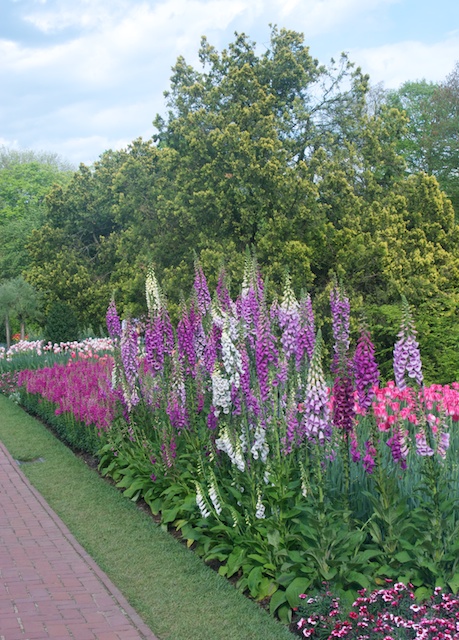
Longwood Gardens spring border with foxglove
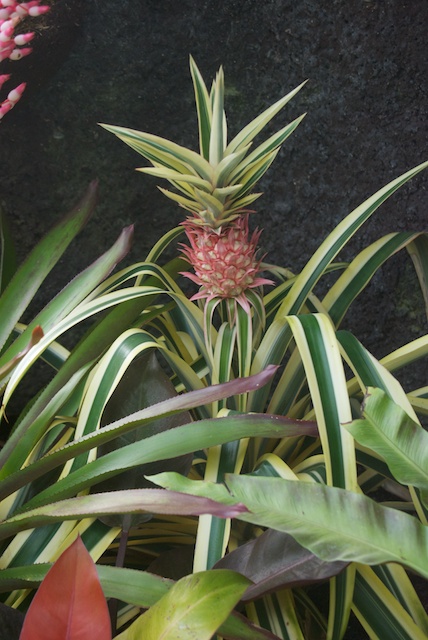
A favorite; Longwood Gardens varigated pineapple
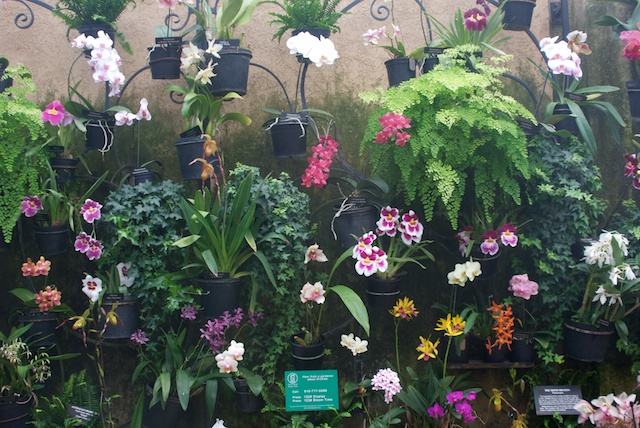
A wall of orchids at Longwood Gardens

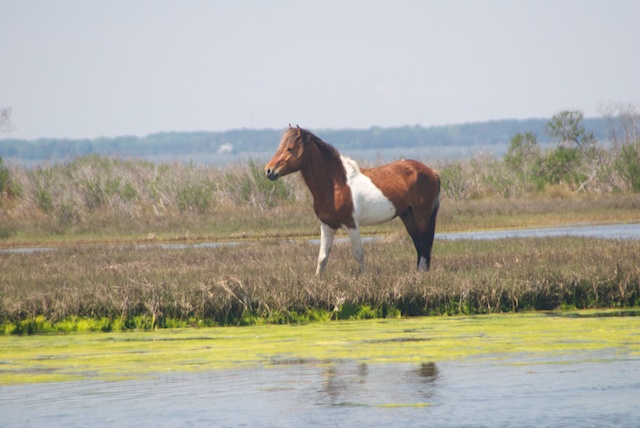
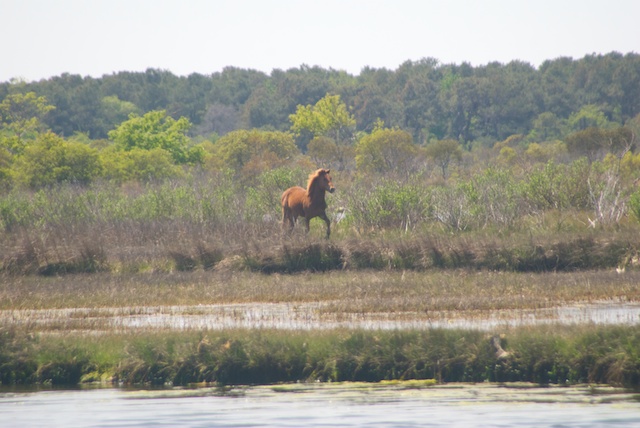
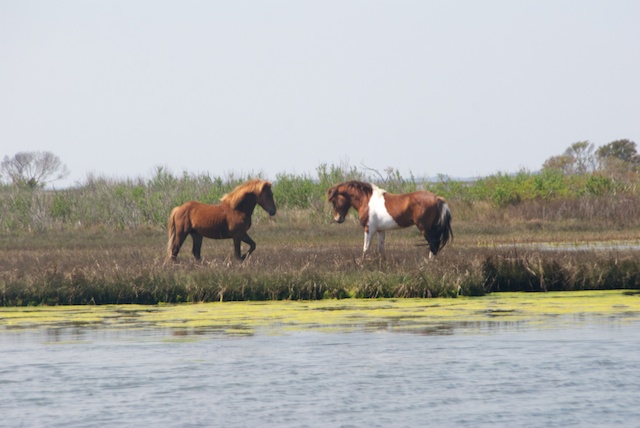
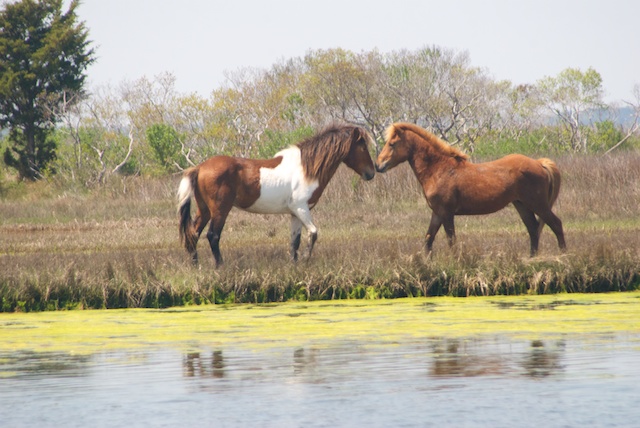
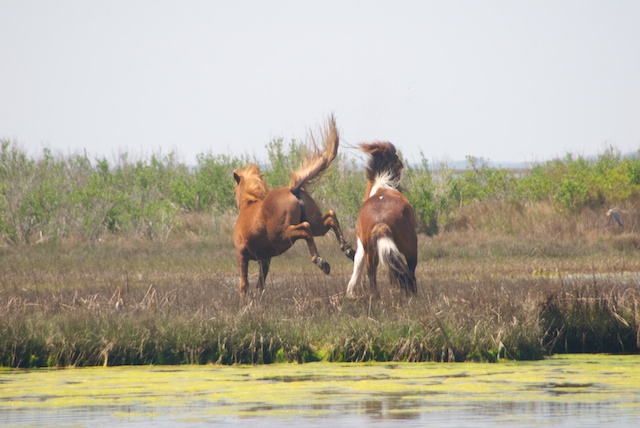
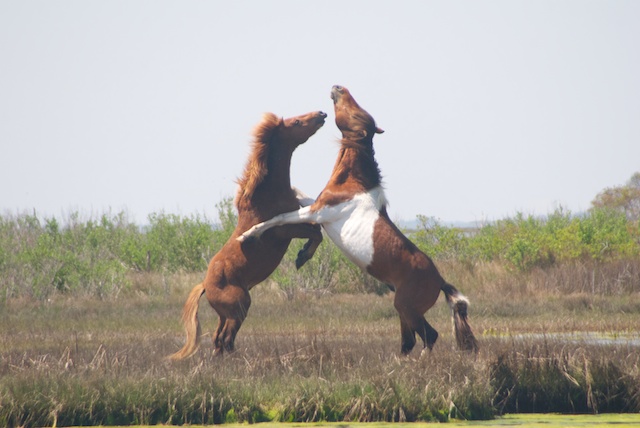
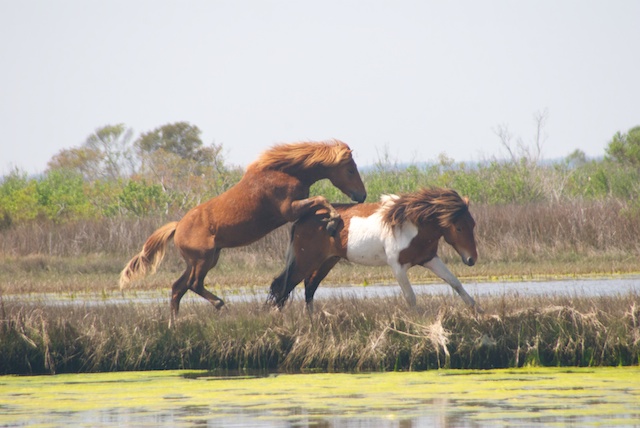
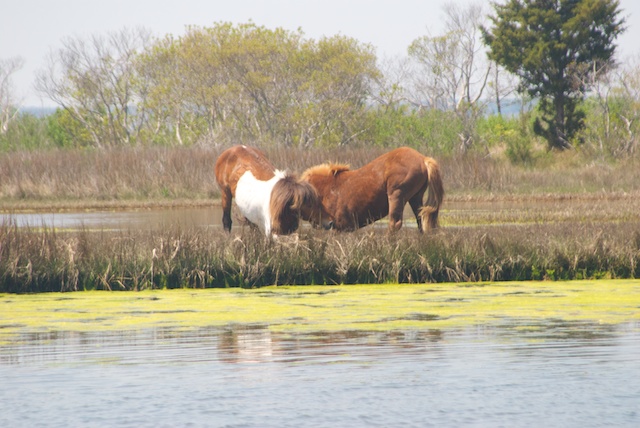
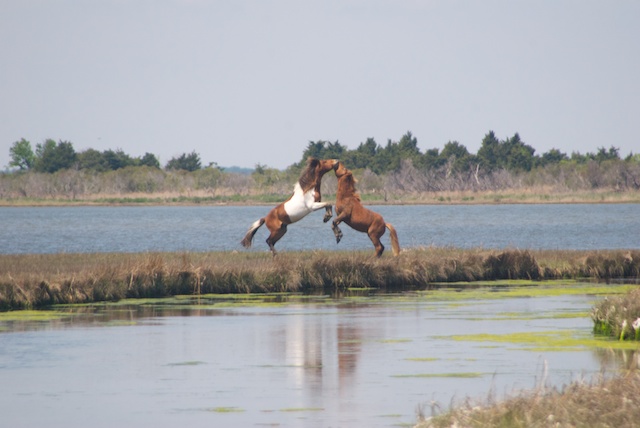
Then it was off to the Delaware coast where a comfortable condo had been put at our disposal. I had read “Misty of Chincoteague” as a child and was excited to finally visit both it and Assateague National Seashore, where we turned out to be in the right place at the right time to record this stunning encounter between two young stallions. It went on for at least a half hour and these are just a few of the hundreds of photos I shot, but it shows the pattern of interaction that emerged and was repeated at least a half dozen times.

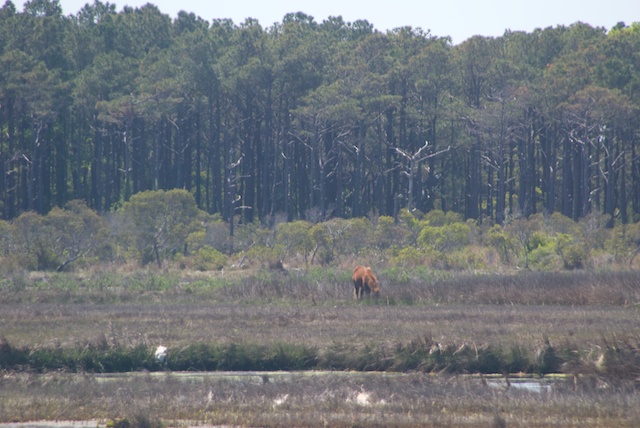
First we saw this chestnut horse grazing off in the distance
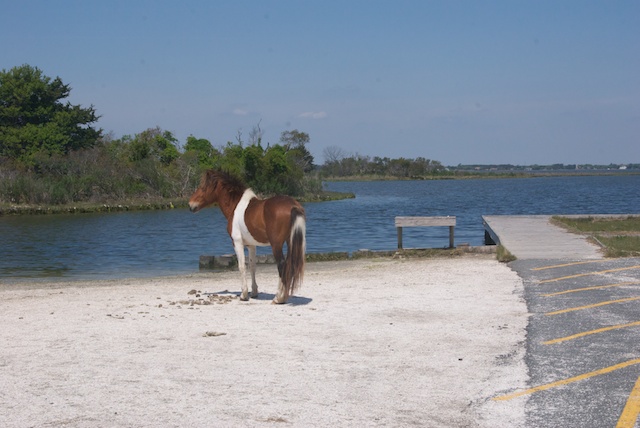
Then this paint horse came strolling down the middle of the road right past us
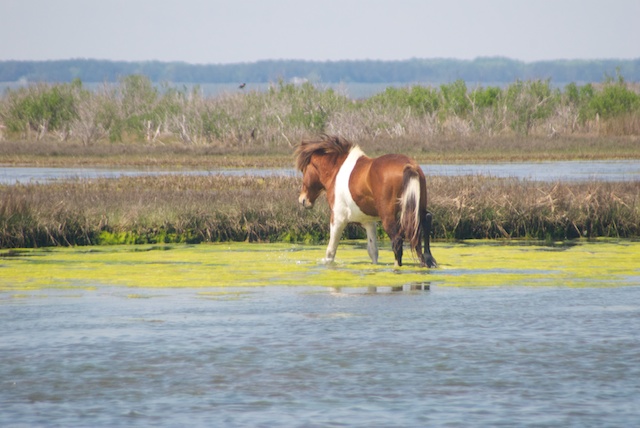
He walked out to the edge of the water
And waded across to the spit
He winnied loudly a few times and then waited
The chestnut we'd seen earlier came at a fast trot
The two stopped and seemingly sized each other up
The meeting
The nose touch
A quick turn and a kick by one of them
Then they would rear up and "grapple"
Maneuvering for advantage
Both would go down on their knees head to head
And then it would start again
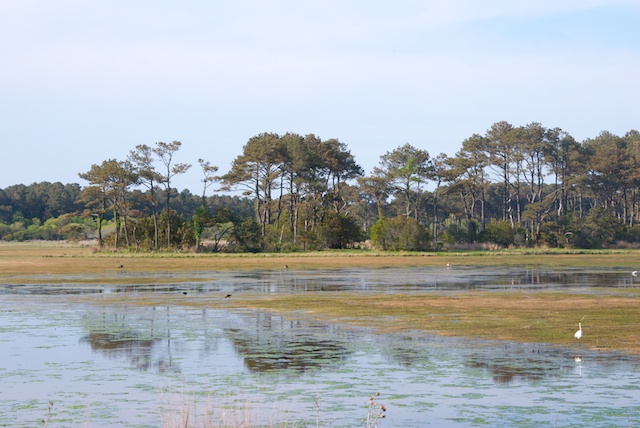
And it all happened in this tremendous setting of water and tideland

What an eyeful that was! We drove on, stopping to hike a number of trails, seeing a variety of birds and more horses.

From Assateague, we took a “detour” to Salisbury, Maryland to visit the Ward Museum of Wildfowl Art, which houses an incredible collection of hand-carved birds. Then it was back out to the coast to Chincoteague Island.

I was dubious at first, since the entry point to the island is a town that, although having lovely old buildings, was definitely a tourist destination. But I need not have worried. Once east of town and into the refuge, we were in a wonderland of scenery and wildlife.

The scenery was stunning
One of the highlights- multiple sightings of glossy ibis
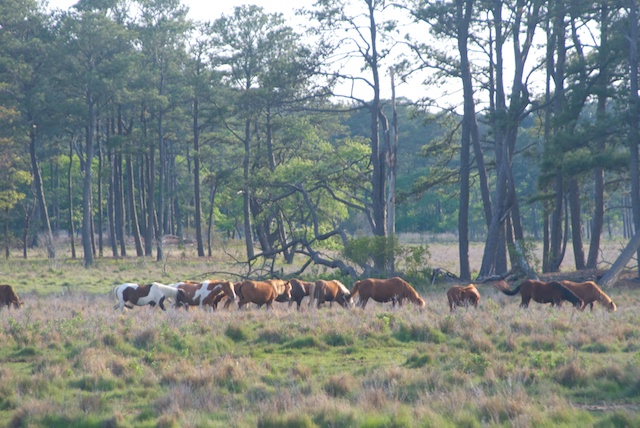
And of course there were the famous Chincoteague ponies
Out on the beach were large numbers of very entertaining Franklin's gulls
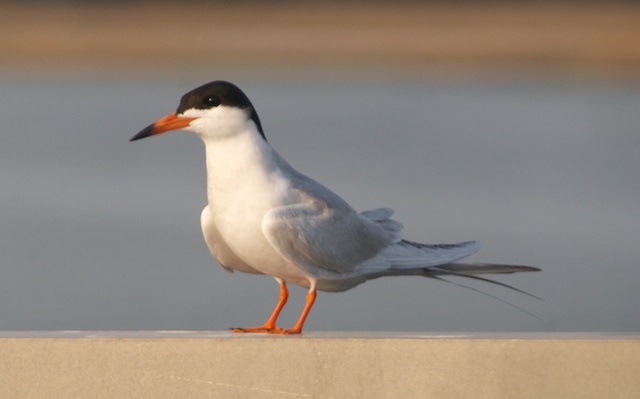
And perched on the causeway railing in great light was this, I believe, Forster's tern

The next day, after a visit to the National Gallery of Art in Washington D.C., Andrew had to catch a plane home, but Guy and I soldiered on, paying a visit to the Brandywine River Museum, home to an astonishing collection of original illustration by N.C. Wyeth, Howard Pyle and many other legendary illustrators, along with galleries featuring both Andrew and Jamie Wyeth. Very inspiring, to say the least.

The final wildlife stop on the trip was the Great Swamp National Wildlife Refuge in central New Jersey. Surrounded by rural residential development, it is essentially a bowl between the hills that collects water, forming rich swamp and wetland habitats. The main access is a boardwalk trail that winds through the swamp out to a large bird blind. But we were barely one hundred feet down the trail when the wildlife show began.

The Great Swamp
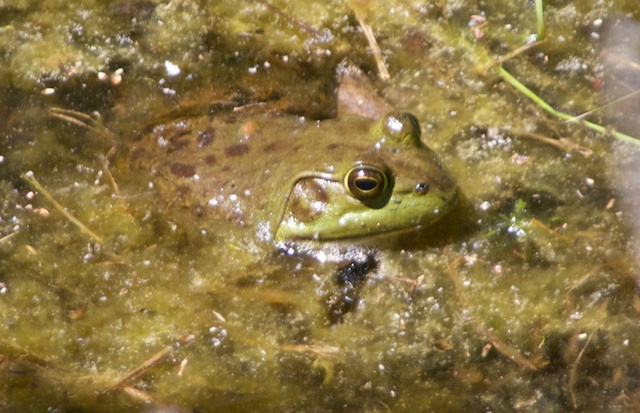
One of the first sightings, a green frog
Then we spotted two northern black racers mating right below where we were standing
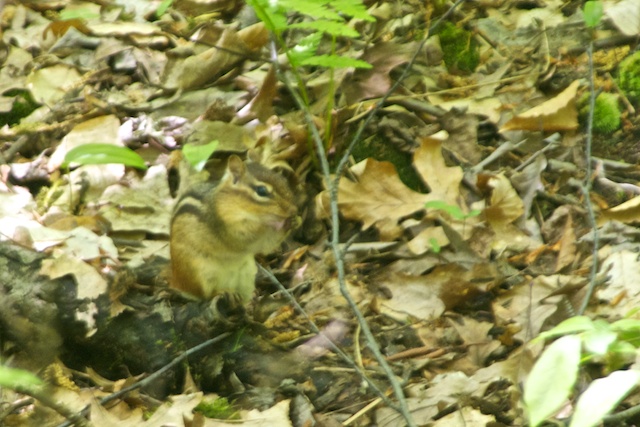
It was a bit of a challenge, but I did get a few shots of this chipmunk
For the finale, I got a good look at a snapping turtle

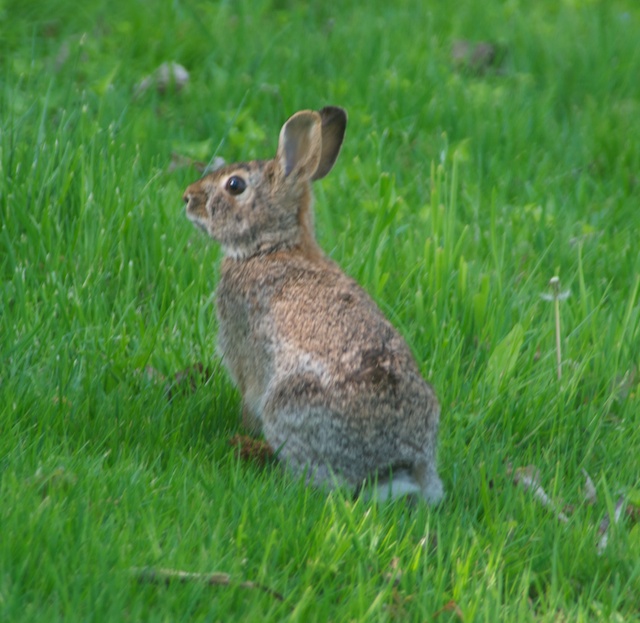
I spent the last night of the trip at the Hiram Blauvelt Art Museum cottage where Guy is the artist in residence, along with a groundhog and eastern cottontail rabbits. The groundhog managed to stay out of camera range, but I did get some good photos of the bunnies.

Eastern cottontail rabbit

Mongolia Monday- The Story Of A New Argali Painting, Part 1

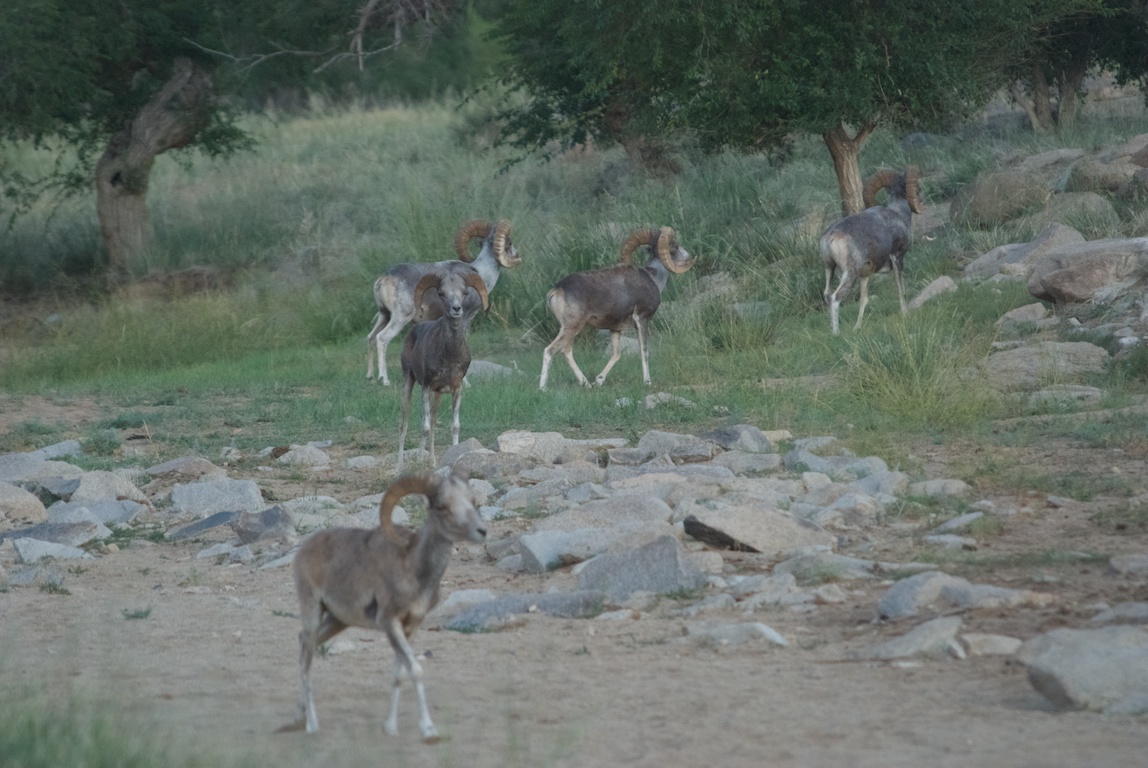
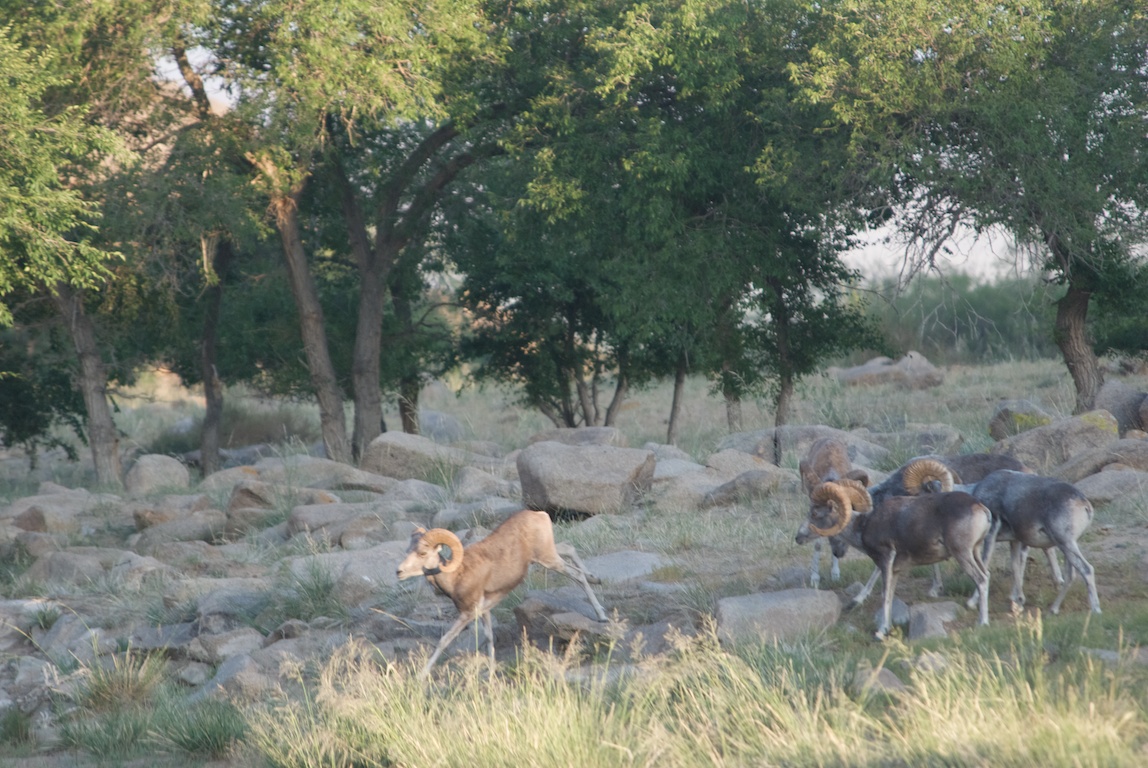
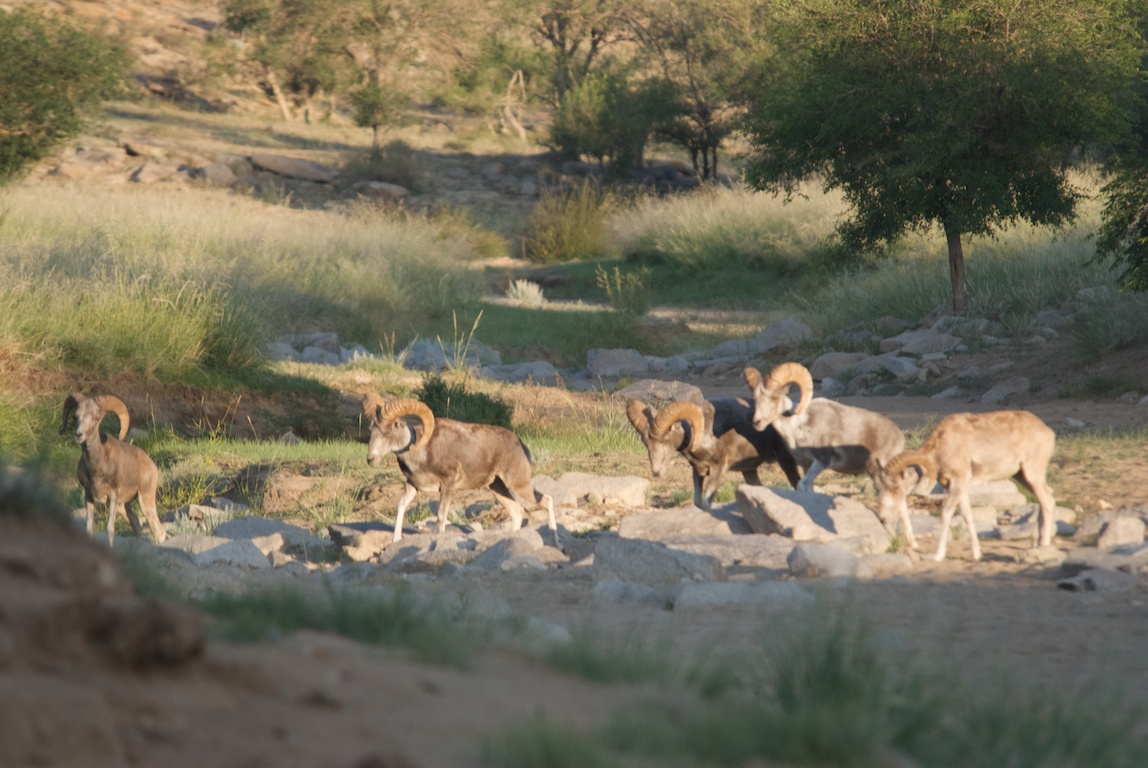
I completed a major painting last week. It’s one I’ve been anxious to take on since I spent a hour with a group of five argali rams this past July at Ikh Nartiin Chuluu Nature Reserve. I was there for six days, staying in one of the gers and taking meals with the scientists and an Earthwatch team.

I’d gotten up at 5:30am, thrown on the clothes that I’d laid out the night before, hoisted my camera pack onto my shoulder, slipped out of the ger and began a slow, careful walk down the valley.

I had learned that the only water in the area was coming from a spring just a few dozen yards from camp and that argali were coming to the valley regularly in the morning and evening. Which was quite convenient, saving me a lot of walking around and clambering over rocks trying to find them.

I picked a spot and sat down in plain view, having been told that makes them less nervous than if you try to hide behind a rock. Took a look around through my binoculars and, within a few minutes, up on the cliffs to my right…

Morning "scouts".

As I watched them, wondering if anyone was going to come down, I had a feeling…and looked back over my shoulder to my left.

Less than 100 feet away.

How long they had been standing there watching me, I have no idea. Then they started to move towards the stream bed.

Oh, look, there's three!
Coming down the hill.

As I watched, the sun started to hit the tops of the cliffs. Would I get to see these guys in morning light before activity in the camp behind me spooked them?

Out into the valley as the sun comes up.

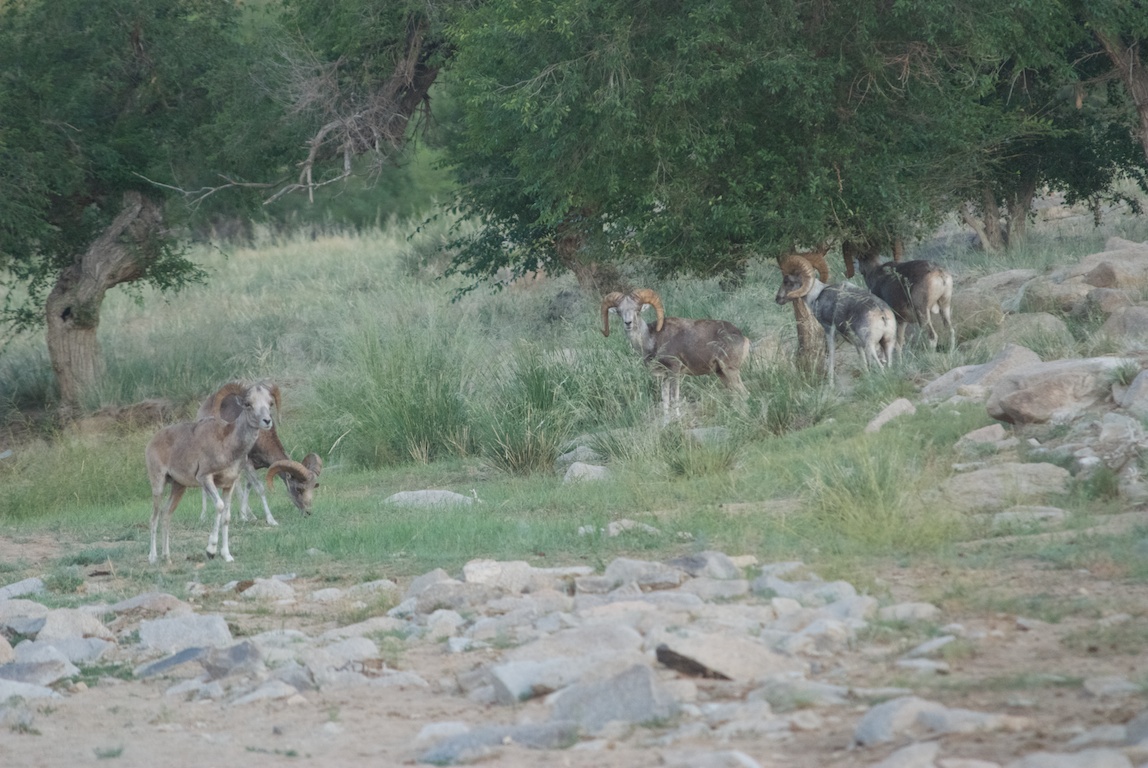
The first three crossed the stream bed to a small clump of trees. Two more rams had come down from the cliffs on the right. The Sunrise Boy’s Club was now in session.

Five rams hanging out.

There were three older adults with massive horns and two younger rams. The big guys were almost grey, their juniors a reddish-brown.

They browsed in the trees, did a little pre-rut testing (a future painting). And then….
Noise from camp. Oh, no.
But everyone settled back down. Except for this young one who decided to check me out, walking almost straight towards me. It made the others nervous at first, but they didn’t run.

It was a bit much for the three older rams.

I sat there in disbelief. For me, this is the grail of wildlife fieldwork: sitting out in plain view and having a wild creature choose to approach you.

He finally stopped and looked straight at me from about 30 feet away.

But I wasn’t so paralyzed with delight that I forgot to take pictures, getting the best argali head reference I’ve shot so far.

Returning to the group.

He finally turned and walked back to the others who, as you can see, are standing there, watching. I found myself running this little thought thread: “We didn’t get this old and big by being stupid. Let the young guy check her out.” And then imagining the adventurous ram, kind of like a young British officer, reporting back to his superiors. “No problem, sir. None at all. Piece of cake.”

I guess I was just part of the furniture by now.

But he wasn’t done yet. For a second time, he walked down the stream bed towards me.

Comfortable enough to put his head down and graze.

He finally rejoined the group. Suddenly they were up on their feet just as the light was starting to reach the valley floor. Oh, no! They’re facing the wrong way. Are they going to run up the hill?

Up on their feet.

Suddenly one of the young rams turned and bounded into the light. Yes!

Into the light. At last!

And everyone else followed, crossing right in front of me and occasionally stopping for a nibble.

A short pause.

But now I could hear movement in the camp. The group split up, two of the rams going up into the rocks.

One went right up the cliff face.

Three of them walked on down the valley in the bright sunshine.

Time to move on.

I looked behind me and saw one of the scientists from the camp. He walked past me. The rams kept moving, but never ran. It’s good they’ve learned that in this place they don’t have to fear people.

Last look.

The three finally made a right turn up into the cliffs, stopping, as argali often do, to take one last look.

On Friday, Part 2 will present a step-by-step post on the painting that came out of this wonderful experience.