One Way To Know When An Outdoor Painting Is Finished….(You’ll Never Guess)

Notice the little drawing of a plein air painting setup, circa 1914

“But how do I know when it’s finished?”….is one of the many plaintive cries of the painting student.

There are probably almost as many answers as there are painting teachers.

And I think it depends on how far down the road of understanding an artist has gone. I know it has changed for me over the sixteen years that I have been painting.

These days, I have a pretty good idea of what problems I need to solve and how I’m going to do it. Once I have, voila, the painting is done.

However, as students and new painters are battling on many fronts at once, it’s easy to keep going and going and going…..until, well, It’s Dead, Jim.
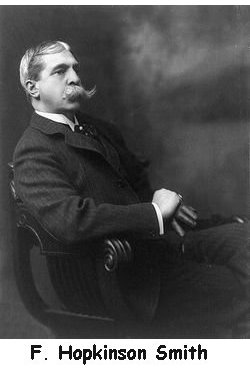
F. Hopkinson Smith

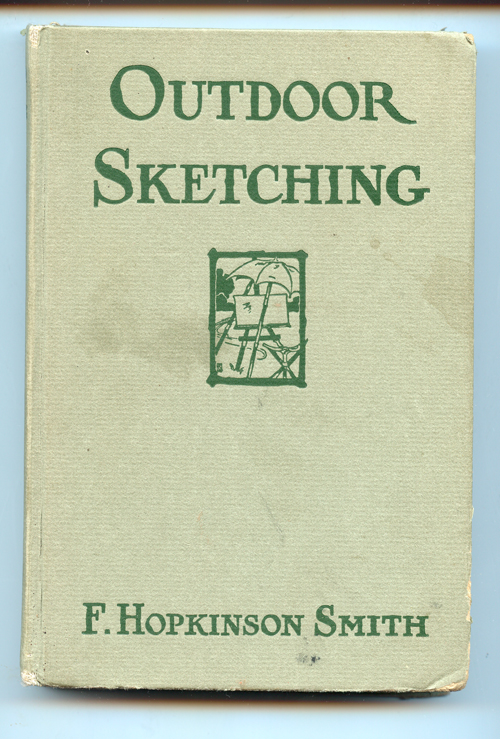
But, once again, dipping randomly into one of my old art instruction books, this time “Outdoor Sketching” by F. Hopkinson Smith, I find another method, effective but probably not well known. The book is a presentation of four talks that he gave at The Art Institute of Chicago in 1914. Wish I’d been there. This excerpt is from his talk on Composition.

“The requirements are thoughtful and well-studied selection before your brush touches your canvas; a correct knowledge of composition; a definite grasp of the problem of light and dark, or, in other words, mass; a free, sure, and untrammelled rapidity of execution; and, last and by no means least, a realization of what I shall express in one short compact sentence; that it takes two men to paint an outdoor picture: one to do the work and the other to kill him when he has done enough.”

Hopkinson Smith may have written the most interesting and witty book on outdoor sketching that most artists have never heard of. There will be more….

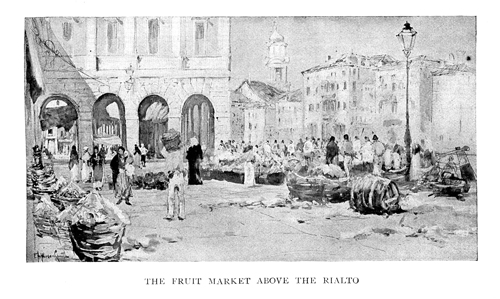
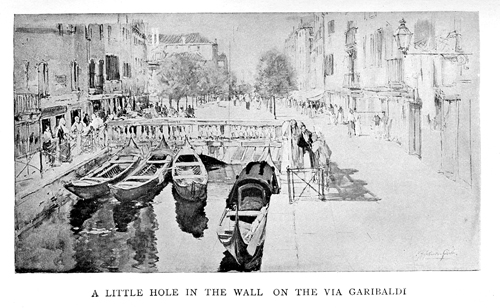
But in the meantime, here are some of his sketches from “Gondola Days”, which is in my personal library. As you will see, he knows whereof he speaks:
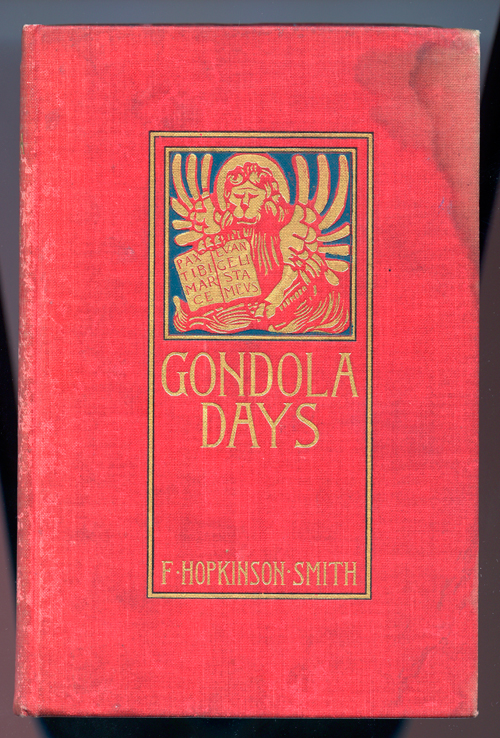
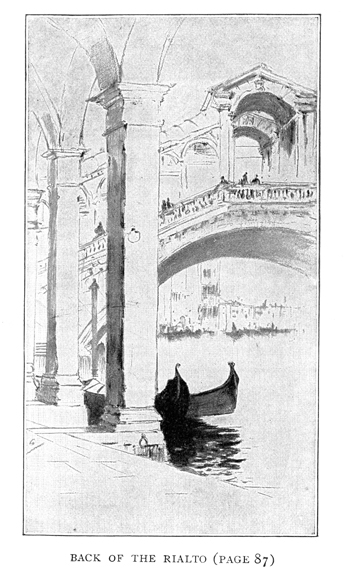
Lovely old cover with wonderful typography

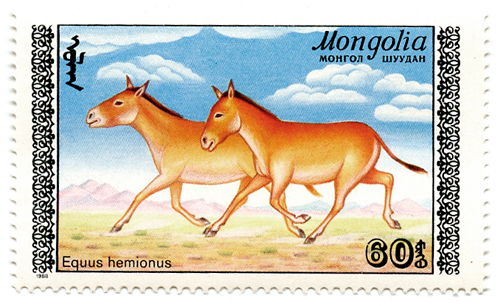
Mongolia Monday- Mongolian Postage Stamps, Part 4; Takhi And Khulan

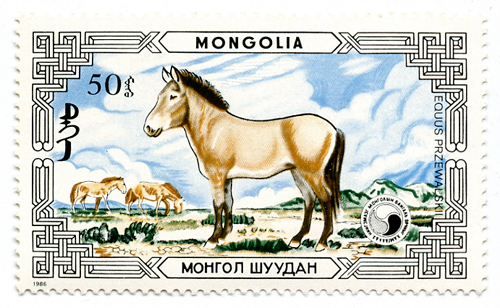
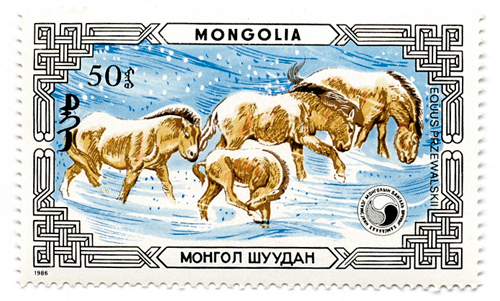
Concluding this series on postage stamps for now, today’s post features the two native equids of Mongolia, the takhi, traditionally known in the West as Przewalski’s horse, and the Khulan, one of a number of species of wild ass.

Takhi are the only remaining species of true wild horse. What Americans call “wild horses” or mustangs are really, simply, feral domestic horses. The two species diverged around 500,000 years ago, so the takhi is not the ancestor of modern horses, nor have any ever been successfully tamed, other than a few instances where a young horse was taught to tolerate humans riding it for a short time. The last wild takhi was a stallion seen in 1969. Captive animals started to be reintroduced to Mongolia in the early 1990s. Being a horse culture, the Mongols are very pleased to have takhi in their country again. And it’s not a surprise that they have been featured on a set of postage stamps.

Khulan are also known as the Mongolian wild ass. Their survival is threatened by habitat reduction and they are also subject to poaching. Not a great deal is known about their behavior or even their total numbers. However, there is an organization, started by a French researcher who is a friend of mine, which carries out the research needed to learn about the ecology of the animals and what their survival requirements are. You can find out more about her project here.

Unlike the takhi, which is a grassland species, the khulan live in the arid environment of the Gobi.

Two Exercises For Artists From A Good Old Oil Painting Book

Head studies from a museum visit*

I have a small collection of old books about the practice and techniques of oil painting, watercolor, drawing and sketching. This morning, trying to figure out what to blog about today, I pulled “The Practice of Oil Painting-And of Drawing as Associated with it” by Solomon J. Solomon, R.A. (Royal Academy) off the shelf. I purchased it some years ago in England for the princely sum of six pounds, fifty pence. There is no copyright date, but a portrait of a young girl with short hair suggests that it was published in the 1920s to 1930s.

Opening the book randomly, I found some study advice that is as relevant now as it was then, so thought that I would share it.

It’s from Chapter XII, Hints on Arrangements-Solecisms in Composition:

“We do not get stronger by watching other men lift weights. Nor are weights lifted or pictures composed, either at the beginning or at any time, without effort. Good composition calls for a far higher mental capacity than mere painting (interesting observation), which is in itself difficult enough…

When in the course of your reading you come across a pictorial episode, visualize it and sketch the scene as it strikes you. There are, nowadays, so many beautiful illustrations to be seen (alas, those days are mostly gone); you may well learn, from some of them, how figures are grouped, and how accessories are placed to complete the pictorial arrangement. Such mental notes, added to your unceasing practice, will greatly increase the facility with which you will be enabled to arrange and compose artistically.

When visiting a picture or sculpture gallery, take a sketchbook with you. Your memory will not suffice to recall the results of your analysis of compositions. Study particularly the placing of heads, half and full length portraits and figures, and the main structural lines and colour massed of decorative designs. Mark the arrangement of light and shade (chiaroscuro) in Dutch and Spanish pictures, which have such fine technical qualities, and when anything strikes you as particularly beautiful, draw it, and in drawing it search for the secret of its beauty.”

My main takeaway from the studies above was a greater understanding of what it means to “work from lean to fat” and how many small, subtle touches of tone and color go into painting at the level of a Rembrandt or Hals. This is why it is so critical to see great original art. Reproductions just aren’t the same

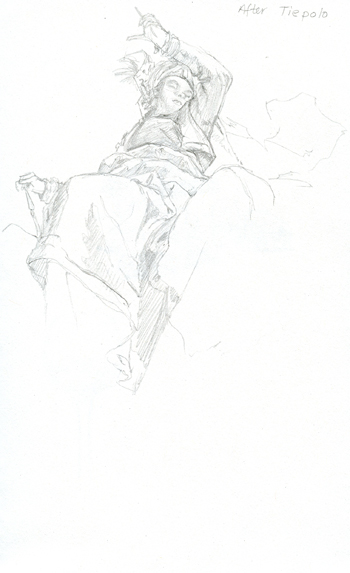
From Tiepolo

* The images are from studies that I’ve done myself. All but the first and last were from a show at the Metropolitan Museum of Art in 1995, “Rembrandt, Not Rembrandt”. The Tiepolo was from an incredible show of his preliminary drawings for one of his ceiling “jobs”. I’ve never been able to find a book with more than a couple of ok reproductions of them.

Mongolia Monday- Postage Stamps, Part 3: A Beautiful Set Of Wildlife Images

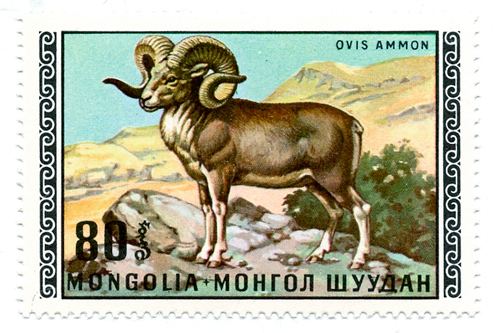
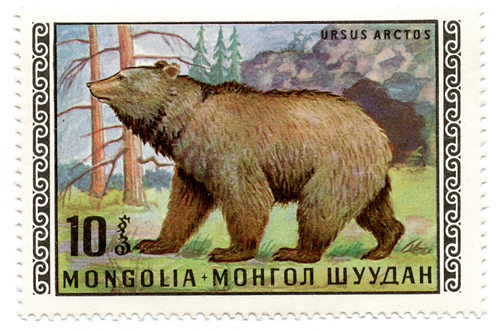
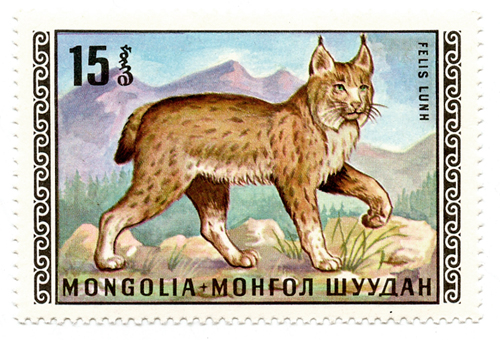
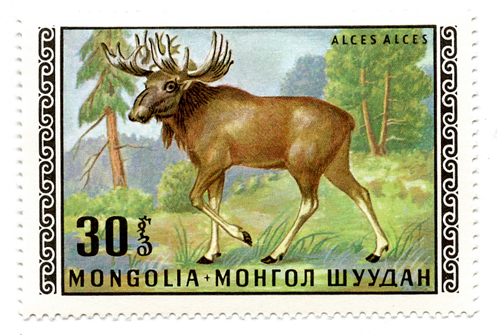
I ordered these to get the first stamp shown, but the whole set, uncanceled and in perfect condition, is so well-done that I wanted to share them all with you. I think that they are of interest not only because of their subjects, but as lovely little works of art. I wish I knew who the artist was.

Argali (Ovis ammon); the legs are a little short, but otherwise this is quite good; found in the high mountain zone and mountainous areas of the Gobi
Brown bear (Ursus arctos) : found in the northern mountains of Mongolia , which is the southernmost part of the taiga or boreal forest
Lynx (Lynx lynx); found in the taiga (forest zone)
Siberian marmot (Marmota sibirica); has undergone a tremendous population crash in recent decades; now exists in localized populations; found in the mountain forest steppe transition zone and the steppe
Moose (Alces alces), called "elk" in Europe: found in the taiga; same species as found in North America
Wild boar (Sus scrofa); found in the mountain forest steppe transition zone; a small population also inhabits the reed beds of Khar Us Nur
Wolf (Canis lupus); found in the taiga, mountain forest steppe and steppe

Next week, I’ll be featuring two Mongolian equids, the takhi and khulan.

New iPad Sketches From The Oakland Zoo

I was down in the San Francisco Bay Area this past weekend and got a chance to spend a couple of hours at the Oakland Zoo with family. This was my first chance to use the iPad for drawing live, wild animals. It was sunny and warm. In fact, I believe San Francisco hit a new record high, 80F.

The only drawback I found to using the iPad is that I still just have a basic folder cover, so it wasn’t very secure. And I found it a distraction to have to worry about it falling into the tiger enclosure or being jostled and dropping it. I’ve got some ideas about what kind of carrier would solve those problems, though.

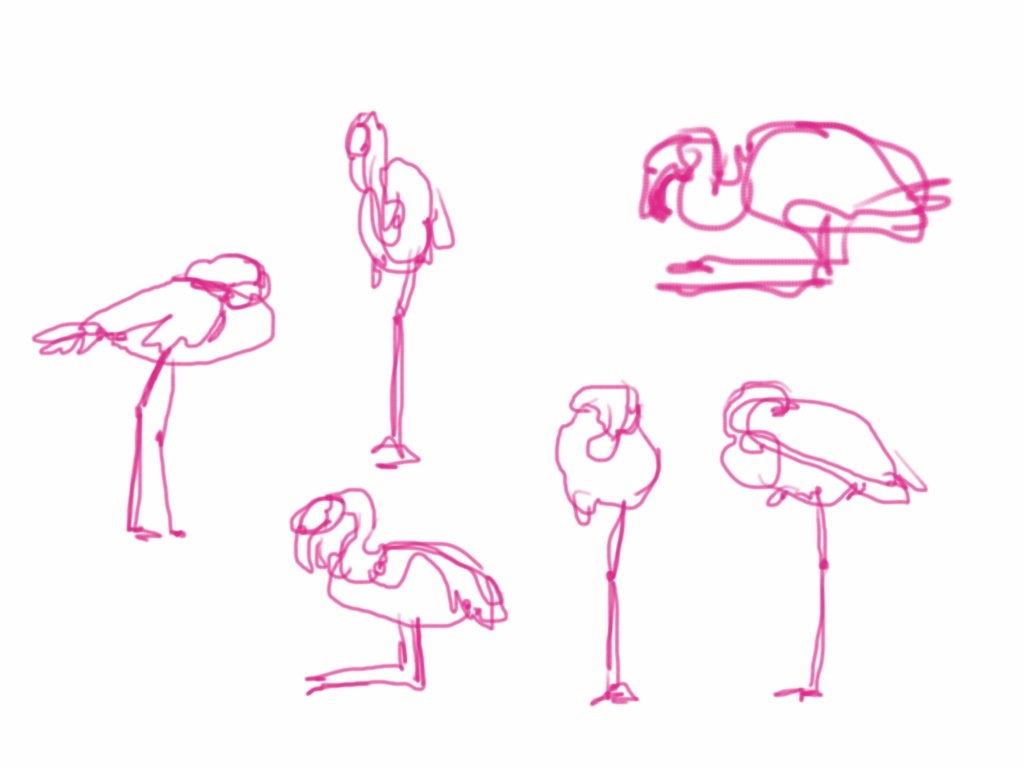
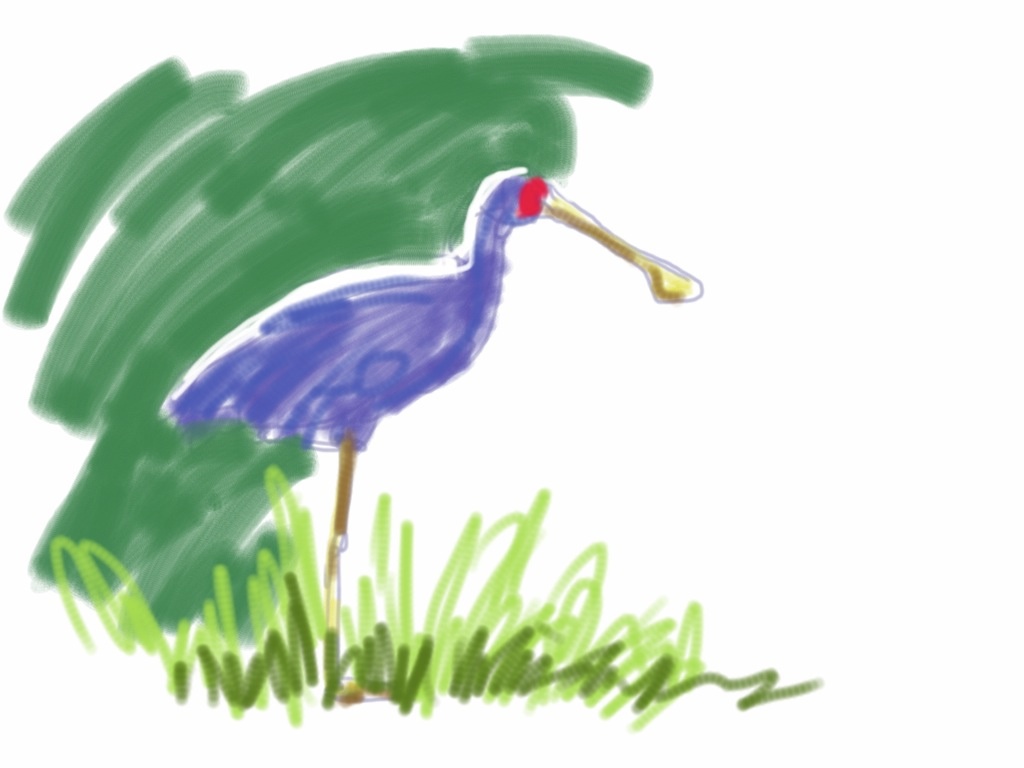
In the meantime, here’s the results. I really liked being able to quickly change colors, line width, etc. without fumbling around in my pockets. These were all done very quickly, one to three minutes or so. The granddaughters were along, so I needed to be ready to move on. Good practice.

I started with the flamingos because they weren't moving much
There were also a couple of spoonbills
It was fun doing them in pink
Thought I'd try to capture the bird in shadow with rim light against the dark background
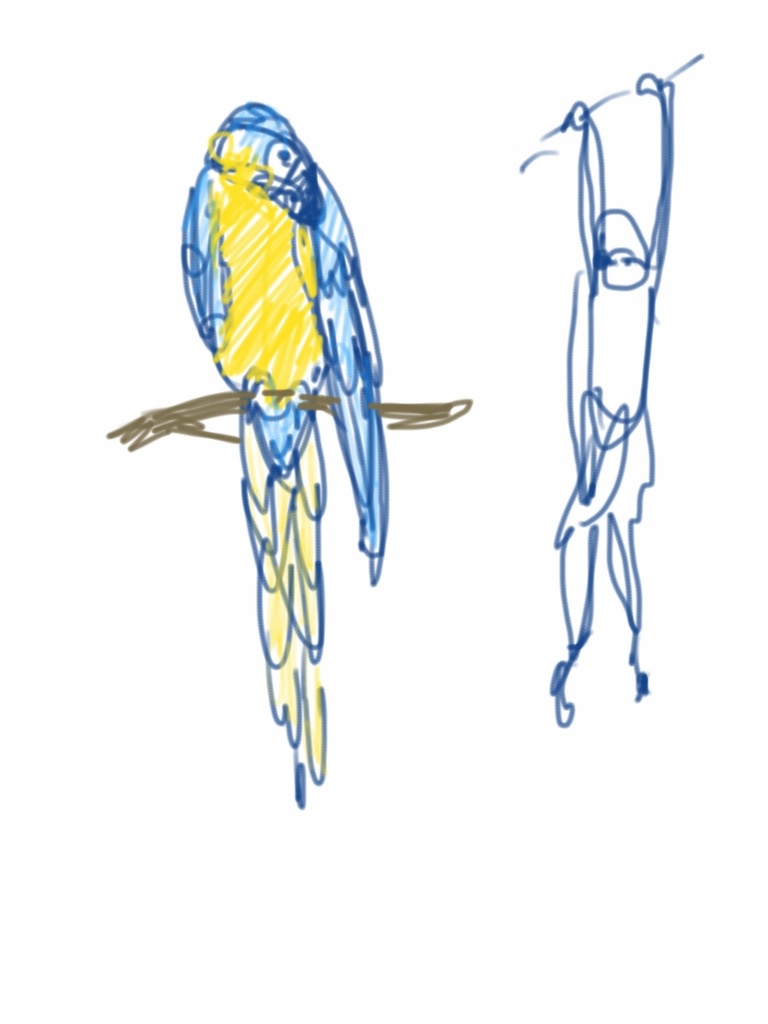
Macaw and gibbon ape
American alligator; when there was time, I added a second color
I love bats! It was such a treat to sketch them
Just hangin' around
I had about 30 seconds to have a go at this pot-bellied pig

I used the Ten Design Pogo Sketch stylus for all the drawings. It worked fine, but the foam is starting to fray a little. Definitely will be experimenting with DIY options.

My “first look” at the iPad is here.

Mongolia Monday- In Honor of Tsagaan Sar (the Mongolian New Year): At The Door Of The Skytent by Ts. Bavuudorj

At the door of the skytent,
holding a golden lantern,
by the light of my golden lantern, I can see
that the old ones are coming,
mounted high upon white clouds.
A gentle creature, smelling still of milk
is coming, wading through the milky ocean.
Through tantric practise and endless recitation,
a monk has shrunk his body, small as an elbow, and
he’s coming, flying cross-legged.
The door of the skytent
swings quietly open…
Twenty-one young girls, their eyes all-seeing and clear,
are coming into the Buddha’s presence.
The pure heart, free of sorrow,
free now from the world,
have thrown the door wide and stand amazed.
A child comes to her mother, and
a mother comes to her child, and
they go seeking the profundity they lack.
The door of the skytent
swings quietly open…
And every time that door swings quietly open,
It steals a count of breaths
from life’s red bulb.
Gold and silver fishes,
impermanent, seem permanent
inside.
They are content in their own way.
at the door of the skytent
holding a golden lantern….

Translated from the Mongolian by Simon Wickham-Smith, with whose kind permission this poem is presented to my readers

The image at the top is from Onglyn Monastery, one of the many that was destroyed in the late 1930s by the communist government. The ruins are extensive since there were two large monasteries that faced each other and could house over 1000 monks, but there is a re-building effort under way, including the small temple building where I took this photo. It seemed appropriate to use an image from a “re-birth” for a poem posted to celebrate Tsagaan Sar, the White Moon, and the beginning of a new year.

Final note: I’m waiting for some new animal stamps to arrive from eBay for Part 3 of my posts on Mongolian stamps.

Two Paintings Accepted Into Greenhouse Gallery’s Salon International Juried Show!

I got the email telling me to go the site and check the acceptance list yesterday morning at 9am. It was in alphabetical order, so I slowly scrolled down, holding my breath. And saw my name. Twice! I entered three pieces, so two out of three.

One of my goals for many years has been to have my paintings accepted into juried shows that are outside the “wildlife art ghetto” to which the genre of animal art has been foolishly and ignorantly consigned by many in the mainstream art world, even though great artists who these same people often admire also painted animals.

Clearly, the good folks at Greenhouse Gallery don’t share that bias, bless their hearts.

I’m proud to be an animal artist and know that our genre’s best work easily stands with the best in any other field of representational art. And I also know that to paint animals successfully requires a specific depth of knowledge that is not appreciated by those outside the field.

Here are the two paintings that will soon be on their way to San Antonio, Texas:

Done for the Day 17x30" oil on canvasboard
Takhi Stallion, Hustai National Park 17x30" oil on canvasboard

Mongolia Monday- Postage Stamps, Part 2; Mongol Warriors

Continuing with a look at some interesting Mongolian postage stamps, this week is a set of what the text at the top of them says (in English, which is convenient) are “The Chinggis Khan’s Militant Soldiers”.

The original art, as credited on the stamps, is by T. Otgonbayar and the date of issue seems to be 1997.

One of the things I like about these as a reference source is that the images were created by a Mongol artist, not a westerner working from whatever sources, probably secondary/tertiary, that they could find.

First is a set of single stamps, three with swordsmen, three with horsemen and two with archers.

The piece d’ resistance is a triptych of the Mongol army in full panoply. What a sight they must have been! It is estimated that at the time the Mongols were conquering city after city, the total number of them was maybe one million. The army probably had 100,000 soldiers. Total. Each one had about five horses. So a half million horses to find graze for. And there was no supply line, no logistics challenges like modern armies face. Being a nomadic people, many soldiers had their gers and families with them, but instead of moving to new pastures, they just kept heading west. No one was longing for home and loved ones, because home was with them wherever they went.

Swordsmen; the one on the left carries a horsehair standard
Horsemen; notice the two cheetahs on the far right stamp; that's something I want to find out more about
Archers; only English longbowmen could approach the ability of the Mongol archers
The Mongol Horde; "horde" is the only Mongolian word that has come unchanged into English; notice, once again, the two cheetahs on the right; and also the black and white horsehair standards; white ones are still used today as important symbols of the Great Mongolian State

Two New Paintings! “Mongol Horse #6, Race Winner” & “Minii Govi (My Gobi)”

There’s a certain rhythm to creating paintings. I usually have a number of them underway at various stages of completion. Of course, most of them are hanging around unfinished. Then I get to the final sitting on one of them and pretty soon, Ta Da!, it’s done!

I finished one yesterday and one this morning. First, my latest Mongol Horse series painting:

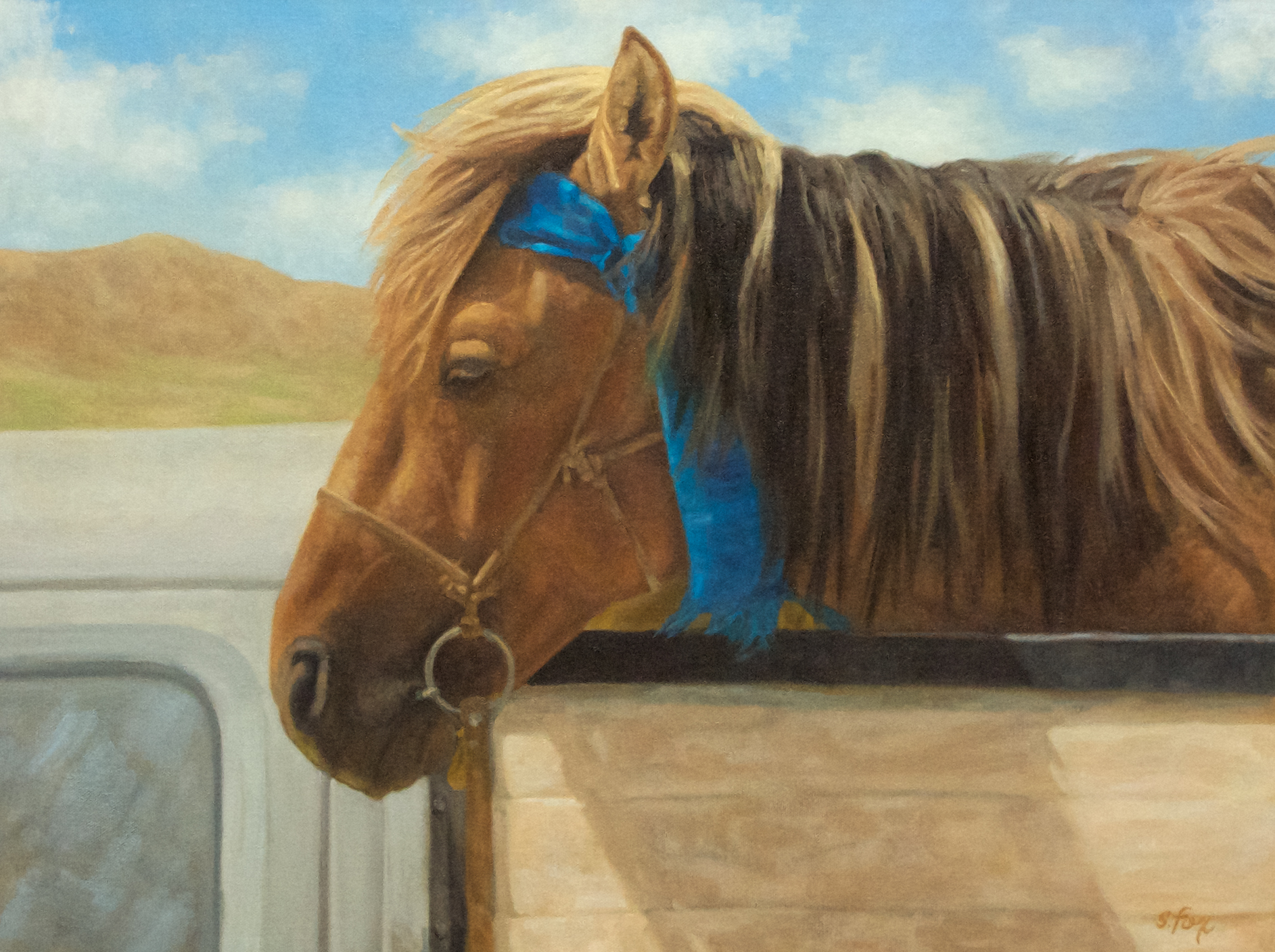
Mongol Horse #6, Race Winner 18x24" oil on canvasboard price on request

I shot the reference for this one on my camping trip in Mongolia this last July. We had pulled into a soum center, which is the American equivalent of a county seat. My guide went over to some trucks filled with horses and chatted with the men, who were taking a break in the shade since it was a warm day at the northern edge of the Gobi. I stayed in the car, but got some good photos. My goal in this piece was to capture the wonderful quality of light that is one of the things I love about Mongolia.

This is a typical Mongol horse who is being taken on a “Naadam (festival) tour” for the horse race events. He’s a winner since he’s wearing a blue scarf called a khadak. He’s not spiffy looking compared to a thoroughbred, but he can also run 20 miles or more without stopping. I also always like seeing the bi-colored manes, which adds a bit of flash.

Minii Govi (My Gobi) 16x12" oil on canvasboard

I grew up with the redwood forests of northern California and have never been a “desert person”. But I love the Gobi (which means “desert” in Mongolian). This scene was also from my 2010 camping trip. The air was incredibly clear, almost crystalline. And it was obvious why Mongols call their country “The Land of Blue Skies”. This is a small piece that I’ve done for myself to start to understand how to paint an amazing part of the world.