There’s nothing quite like sketching on location to “store” the feeling of a place in one’s mind and hand. It adds an important dimension to the photographs.
Here’s my favorites from the trip and, at the end, a little bonus from one of the hotels I stayed at before departure:
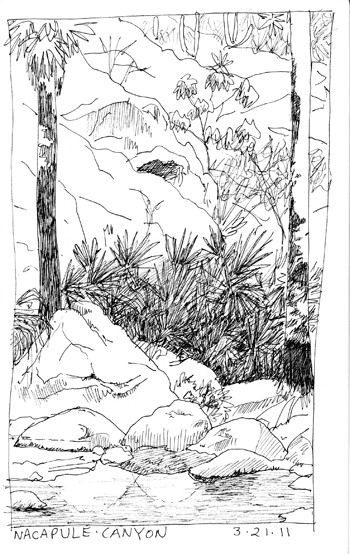
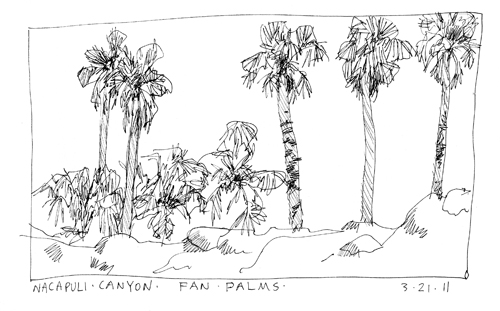
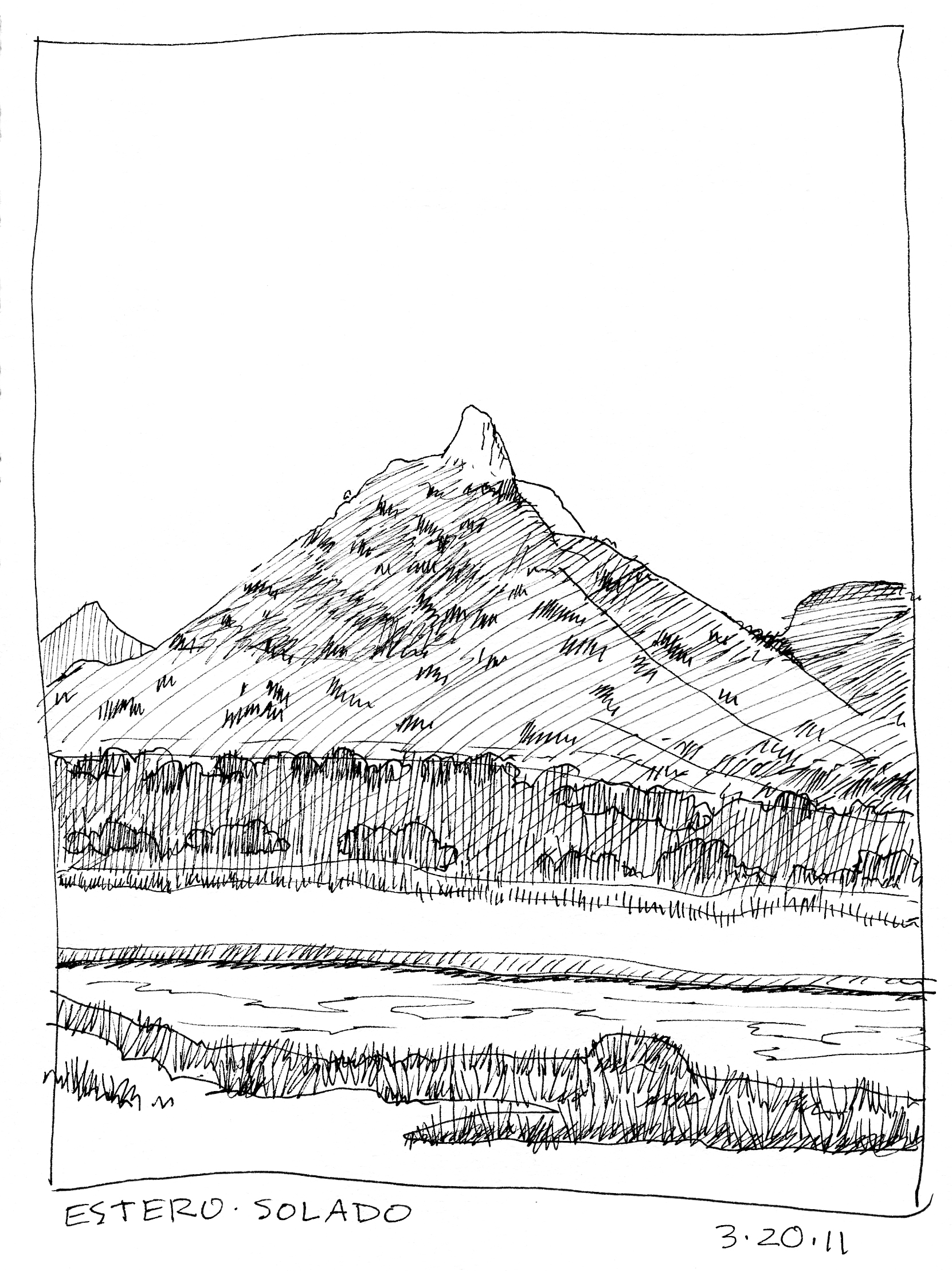
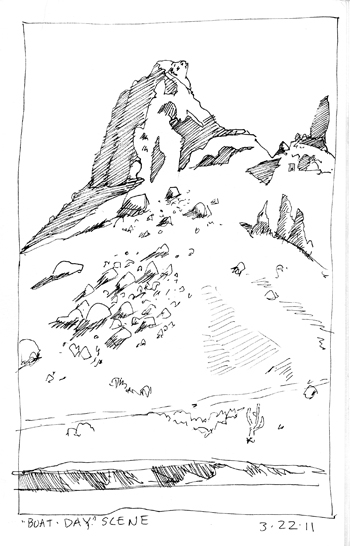
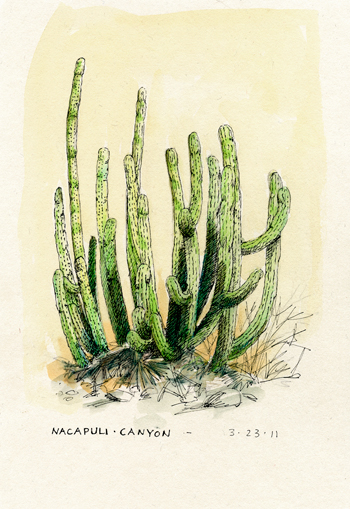
Nacapuli Canyon, at the "waterhole"- pen and inkFan Palms, the iconic tree of the canyon- pen and inkView across the estero, not far from the condos we stayed at- pen and inkPromontory on the coast as seen from the boat- pen and inkOrgan pipe cactus, Nacapuli Canyon- pen, watercolor pencils and gouache
And finally….would you put this in YOUR coffee, given the name of the company?
Just for a little context….Prairie Creek State Park, Humboldt County, California
I grew up in forests. Redwood forests, to be exact. Camping out meant drippy, foggy mornings and warm sweatshirts with, maybe, sunshine in the afternoon. In August. None of it ever bothered me because I loved being enclosed by those wonderful trees. My mom always loved the desert. Me? Not so much.
Then I went to Mongolia and on my second trip in 2006 spent a few days in the Gobi. And found it quite interesting. Enough to want to go back.
Which I did in July of 2010. And got hooked. Totally. It was hot, sometimes humid, we had to be careful to make sure we had enough water, we fought off mosquitos with dung smoke at a remote lake and I can hardly wait to go there again. I love the Gobi.
Gobi earth road, through sand and saxaul forest near Orog Nuur (remote lake)
So when Dr. David Wagner invited me as one of 30 artists to spend a week traveling to, learning about, sketching, painting and photographing the Sonoran Desert and then creating work for a 2013 show at the Arizona-Sonora Desert Museum in Tucson, Arizona, I accepted immediately, thinking it would be interesting to compare and contrast these two arid environments.
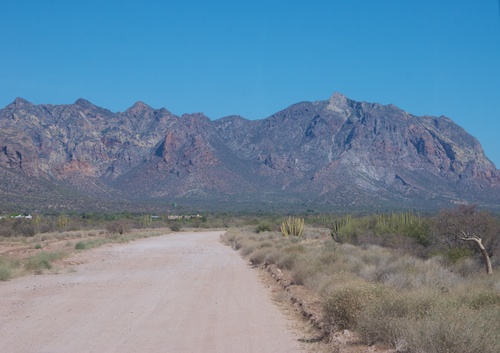
“Earth road” going towards Nacapuli Canyon, Sonoran Desert
I’ve pulled together my research and travel experiences and here’s what I’ve learned, illustrated with images from both places.
GEOGRAPHY:
SONORAN DESERT: Located in both the United States and Mexico
THE GOBI: Located in both Mongolia and China
Which means that both deserts cross an international boundary.
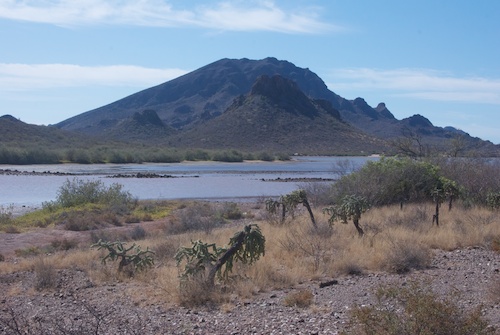
Tetakawi Hill: Mountain and sea, Sonoran DesertMountains and lake: Orog Nuur with Ikh Bogd mountains; demoiselle cranes at lakeside
SIZE:
SONORAN DESERT: 100,000 sq. miles
THE GOBI: 500,000 sq. miles, which makes it the 5th largest desert in the world
Nacapuli Canyon, Sonoran DesertYolyn Am (Vulture Gorge), Gobi Gurvansaikhan National Park, Sept. 2006
ELEVATION:
SONORAN DESERT: sea level to 12,600ft (San Francisco Peaks, Arizona)
THE GOBI: 3,000-5,000 ft. above sea level on a plateau; the highest mountain peak reaches almost 13,000 ft. (Gobi Altai mountains)
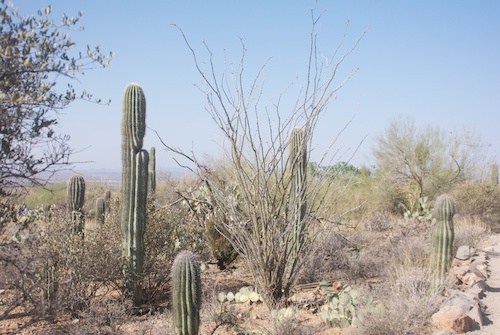
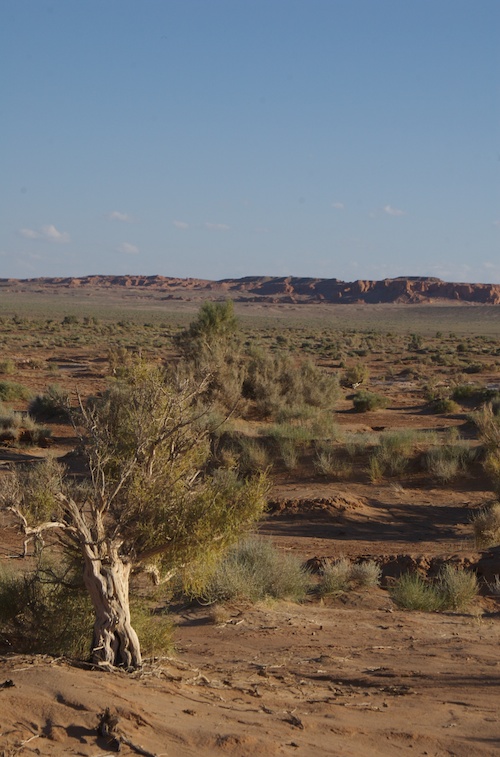
Sonoran Desert landscape with chollo and saguaro cactus, Arizona-Sonoran Desert Museum groundsGobi landscape, saxaul trees with Flaming Cliffs in the background
CLIMATE:
SONORAN DESERT: Hot with some colder winter areas at higher elevation. Snowfall rare except in mountains. Temperatures: summer- up to 120F (180F surface temperature has been recorded in Lower Colorado River Valley); winter- average low of 39F. Rainfall: bi-seasonal rain pattern- Dec./Mar., July/mid. Sept.; in some areas, multiple years without rain. Wind: winds blowing onshore bring the summer “monsoon” rains; hurricanes possible.
THE GOBI: “Cold” desert due to location on a plateau. Frost and snow can occur on the dunes. Temperatures: summer- up to 140F; winter- down to -40F; up to 50F temperature swings in 24 hours. Rainfall: one rainy season-July/August; up to 7.6″, some years with no rain. Wind: winds up to 85mph can create dust storms (usually occurring in March/April) large enough to be seen from space.
Estero Solado, a tidal estuary with no inflow, therefore it is always salineThe Flaming Cliffs beyond small Gobi lake, Sept. 2006
MARINE INFLUENCE:
SONORAN DESERT: Coastal areas on the Baja Pennisula and the east coast of mainland Mexico experience marine influence.
THE GOBI: Mongolia is a land-locked country, so the Gobi has no marine influence.
SONORAN DESERT: There are seven ecoregions: Tundra, Coniferous Forest, Temperate Coniferous Forest, Grassland, Chaparrel, Desert, Thornscrub (wet desert), Tropical Forest (source: Arizona-Sonora Desert Museum); sand dune fields of various sizes common.
THE GOBI: There are two or five ecoregions, depending on the source: 1) Eastern Gobi Desert Steppe, Gobi Lakes Valley Desert Steppe (World Wildlife Fund) 2) Eastern Gobi Desert Steppe, Alashan Plateau Semi-desert, Gobi Lakes Valley Desert Steppe, Junngar Basin Semi-desert, Tien Shan Range (“Alternative sources” Wikipedia entry for Gobi Desert); 5% of the Gobi is covered in sand dunes, much of the remainder in gravels of various kinds.
Avocets in the Estero Solado, Sonoran DesertAvocets, Orog Nuur, The Gobi, July 2009
HUMAN ACTIVITY:
Animal herding is common in both places. In the Sonoran Desert, there are cattle and some horses. The cattle graze on their own, the horses get fodder. In the Gobi, there are domestic bactrian camels, goats and some horses. In the more arid areas, camels do the work of horses. All animals graze on their own unless there is a severe winter, then they are fed fodder.
Food growing occurs where there is enough water. In the Sonoran Desert, water comes from springs, groundwater and wells. The growing season is very short- July and maybe into August. In the Gobi, there are lakes in some areas, springs and wells. The growing season may be as long as from April to October, depending on rainfall.
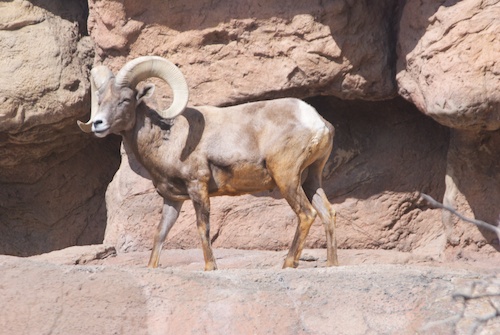
Desert bighorn ram, Arizona-Sonoran Desert Museum, March 2010Argali ram, Ikh Nartiin Chuluu Nature Reserve, April 2005
WILDLIFE:
SONORAN DESERT: 60 mammal species, including desert bighorn, jaguar, Mexican grey wolf, kangaroo rats, saiga antelope; 350 bird species, 15 which are endemic; over 100 reptile and 20 amphibian species. Endangered mammals: jaguar, Sonoran desert pronghorn. Endangered birds: cactus ferruginous pigmy owl, southwestern willow flycatcher
THE GOBI: 40 mammal species, including argali sheep, snow leopards (Altai Mountains) grey wolf, jerboas, Sonoran pronghorn antelope; the only reasonably reliable count for bird species that I could find on the web is 240 (from the Juuchin Tours website) specifically for Gobi Gurvansaikhan National Park. 15 reptile and amphibian species. Endangered mammals: Gobi bear, wild bactrian camel. Endangered birds: lammergeier, houbara bustard
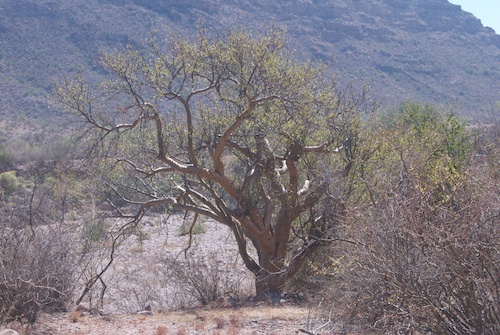
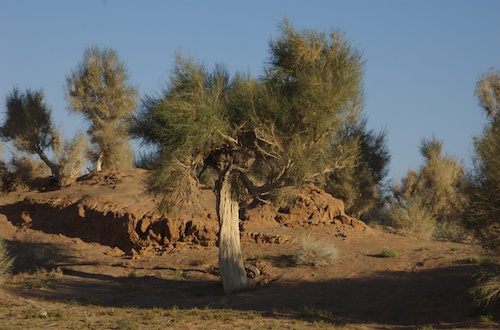
Sonoran desert tree that stores water in its trunkSaxaul tree, which has wood so dense from slow growth that a branch, thrown in the water, will sink
FLORA:
SONORAN DESERT: 2000 species of plants; known for: saguaro cactus
THE GOBI: 410 species of plants; know for: saxaul trees
For my Mongol friends, a desert that meets the sea
So there you have it. What I found to be a useful and interesting comparison of two of the great deserts of the world.
I want to thank Dr. Wagner for inviting me along on this wonderful trip and all my fellow artist traveling companions. Did we have fun or what? You’re the best!
This is the fourth time I’ve gotten into Art of the Animal, a prestigious national juried show held each year by the Bennington Center for the Arts in Vermont, and the second time with Mongolian subjects.
What a trip it was! The whole package…great scenery, interesting animals, terrific traveling companions who are also great artists and, in 2013, the exhibition at the Arizona-Sonora Desert Museum to top it off.
I’ll be blogging about specific aspects of this experience and the art that I plan to create from it between now and showtime, but today I thought I’d share an overview of some of my favorite images, an album, if you will.
And, for this coming Mongolia Monday, I’ll compare and contrast Mongolia’s Gobi with the part of the Sonora Desert that I have now visited.
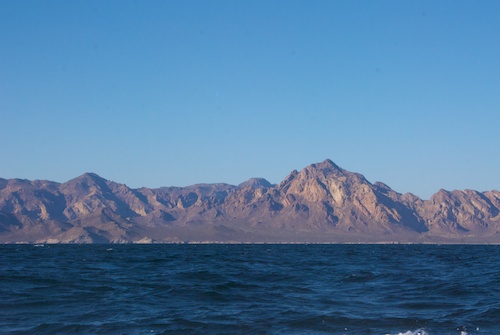
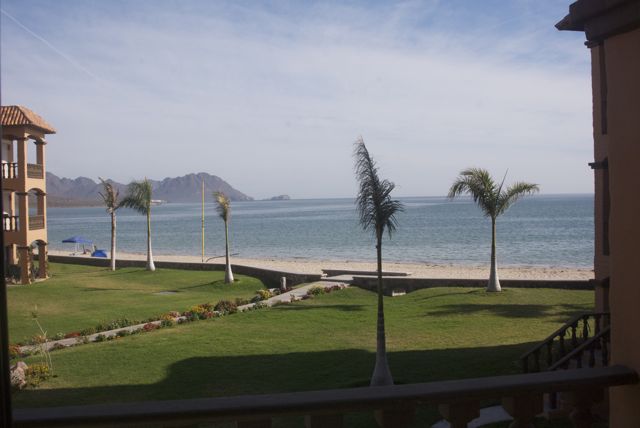
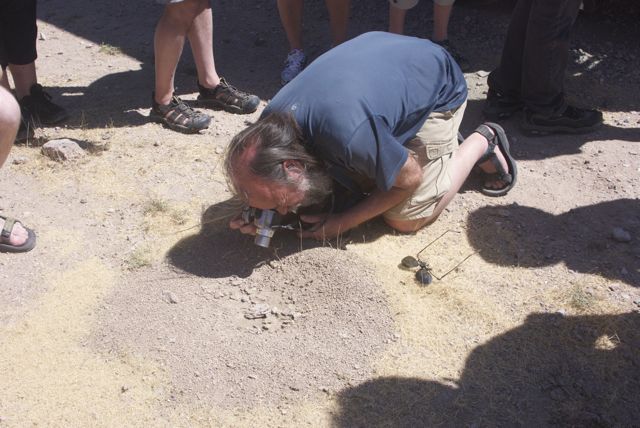
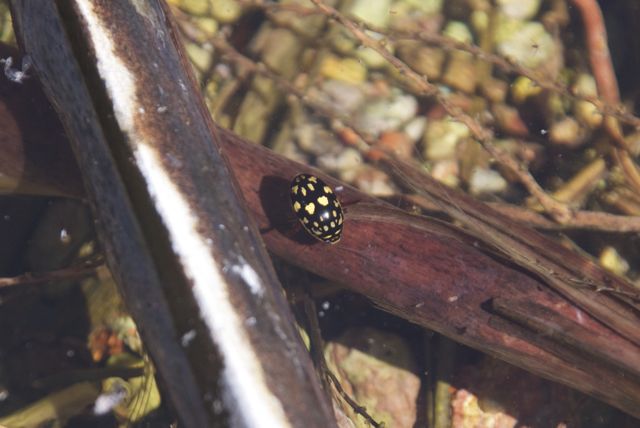
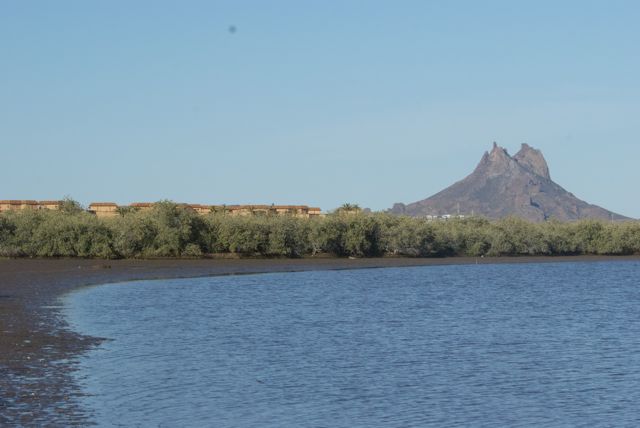
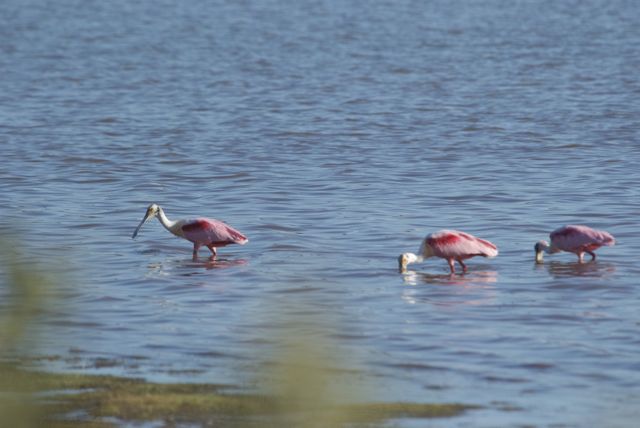
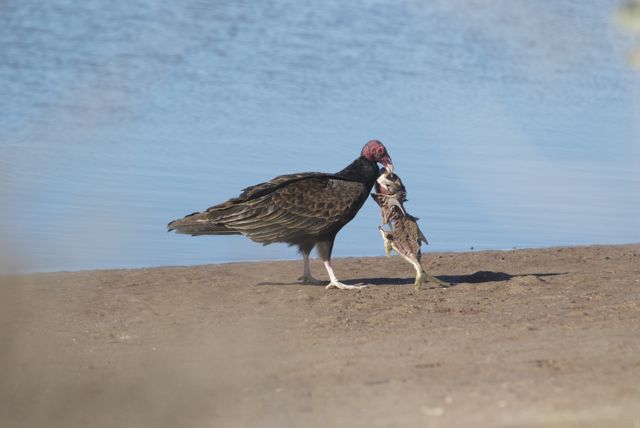
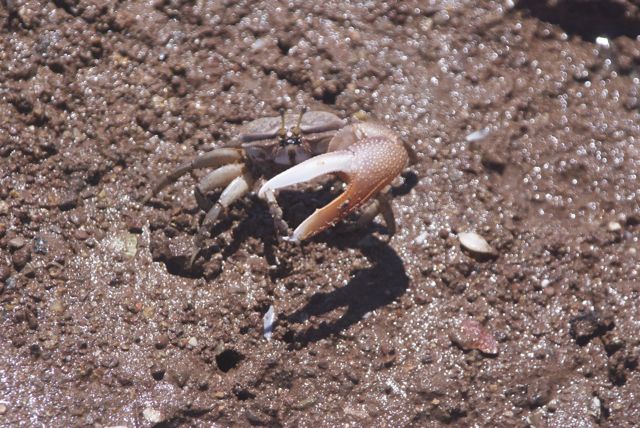
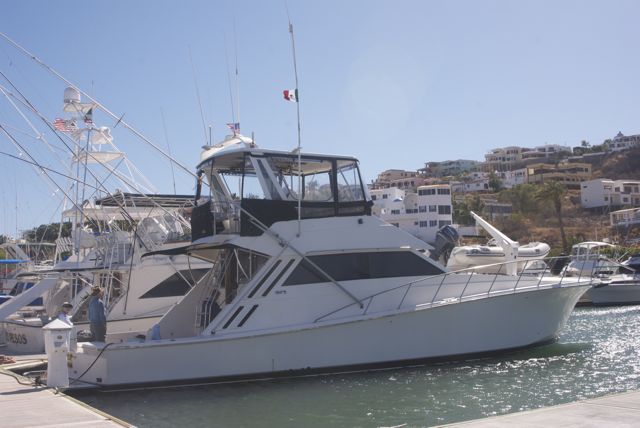
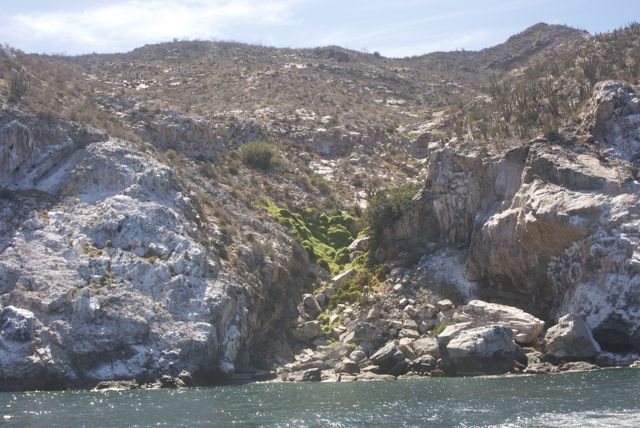
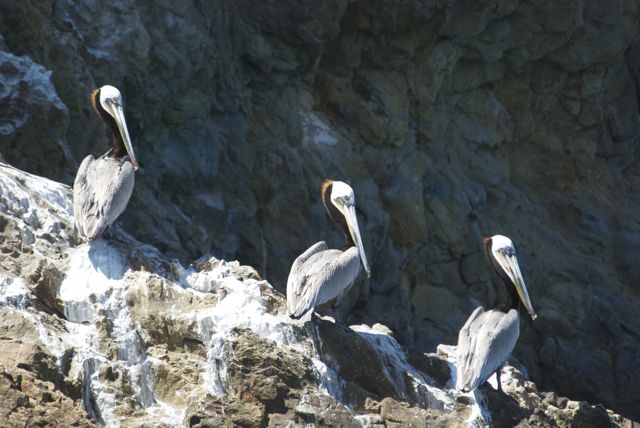
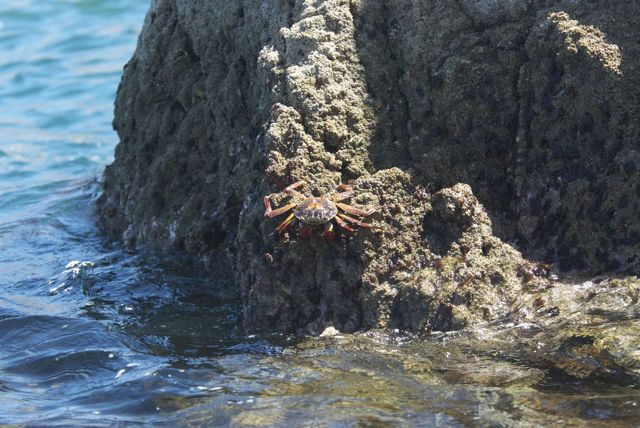
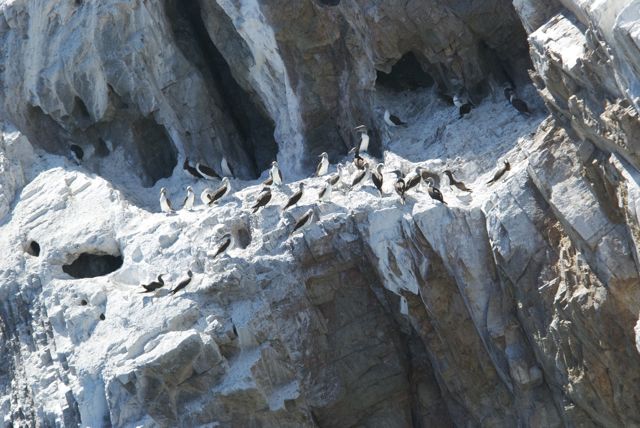
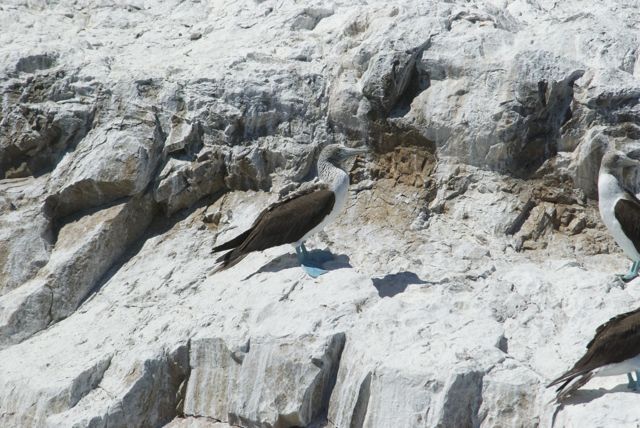
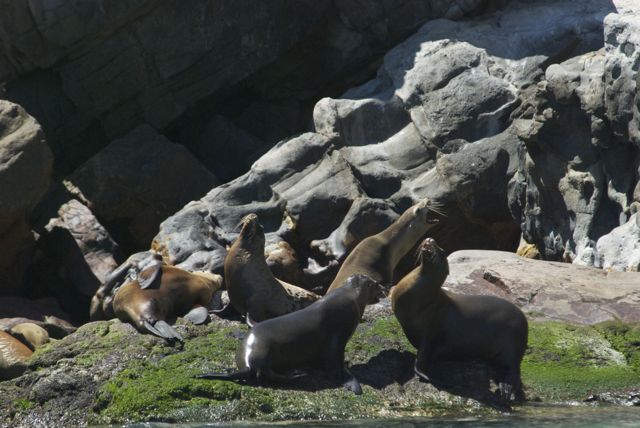
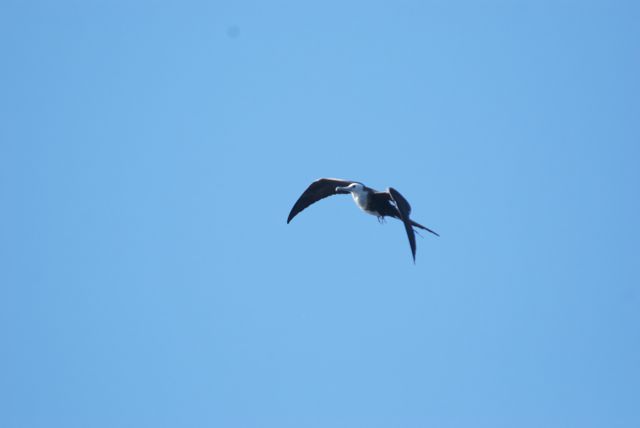
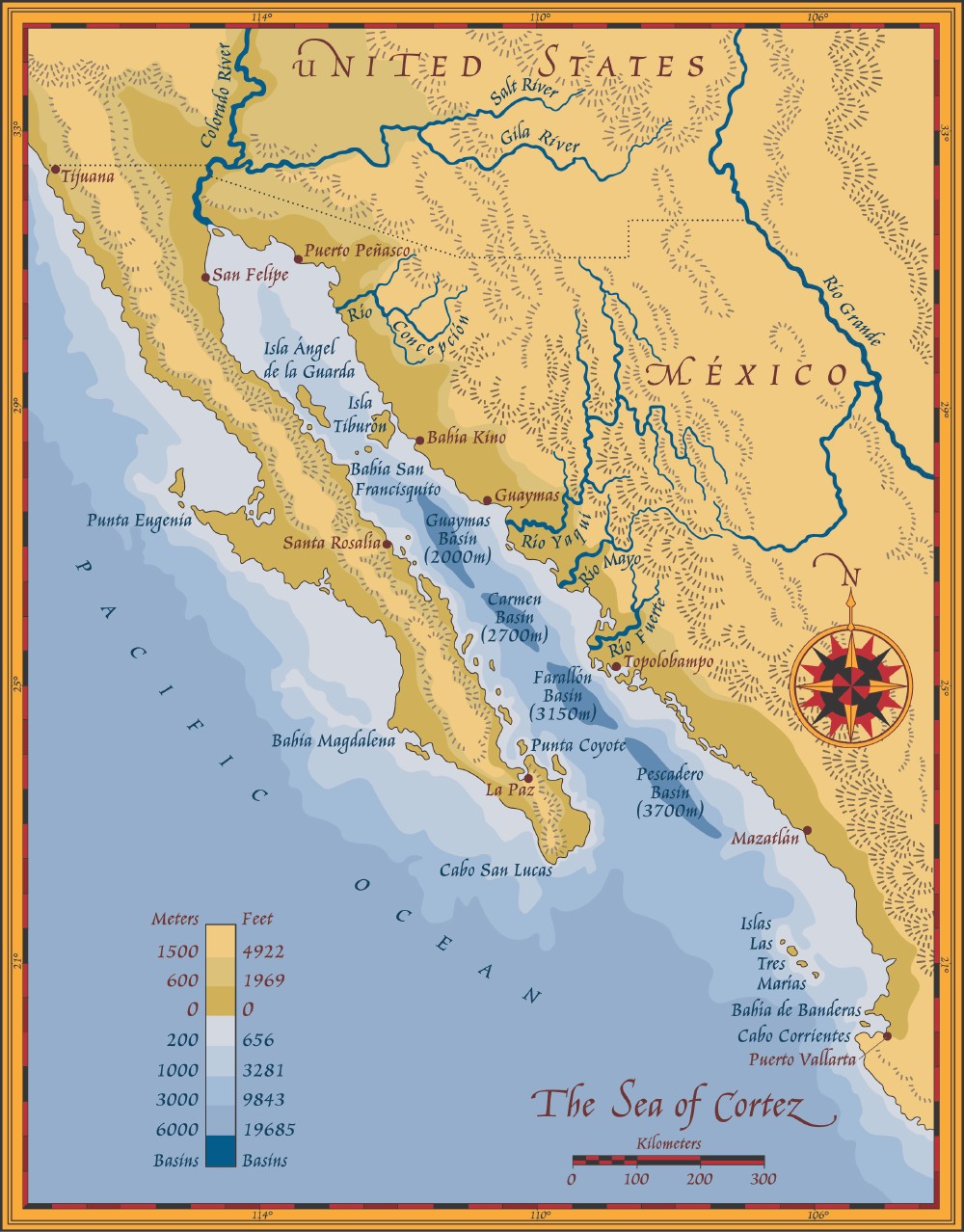
View from the condo I shared with four other artists.Nacapuli CanyonSomeone took pictures of almost everything. Here's Carel Brest van Kempen photographing ants.Predator water beetle; waterhole in Nacapuli CanyonAs yet unidentified lizard; Nacapuli CanyonEstero Solado; an estuary ringed by three species of mangroveRoseate spoonbills feeding in the esteroThe turkey vulture who wouldn't abandon "his" fishOne of about six species of fiddler crabs living on the shores of the esteroWillets on the beach near the condo in nice morning lightPelican feeding frenzy off-shore in San CarlosThe wonderful boat that we went out inThe boat made it possible for the plein air painters to get to great spots like thisHeerman's gull; almost at eye level from the boat's dingySan Pedro Island; we spent a day birdwatching and snorkeling along its three mile lengthBrown pelicansBrandt's cormorantsSally Lightfoot crabBlue-footed booby colony; the white is guanoBlue-footed booby; an artist favoriteCalifornia sea lionsMale California sea lionFemale magnificent frigatebirdThe Sea of CortezGroup shot- photo by Molly Moore- Field Trip to San Carlos, Sonora, Mexico, March 19 - 26, 2011. Pictured are Linda Bittner, Carel Pieter Brest van Kempen, DeVere Burt, Andrew Denman, Kim Diment, Kim Duffek, Cathy Ferrell, Susan Fisher, Susan Fox, Mary Garrish, Ann Geise, Shawn Gould, Mary Helsaple, Heiner Hertling, John Kobald, Deian Moore, John Pitcher, Don Rambadt, Paul Rhymer, Rebecca Richman, Carolyn Thome, Christine Sarazin, Rachelle Siegrist, Wes Siegrist, Martha Thompson, Glenn Thompson, Sue Westin, Ronnie Williford, Debbe Wilson, and Nicholas Wilson. (Not pictured are John Agnew and Molly Moore). Leading the field trip was Richard C. Brusca, Ph.D. The trip was organized by David J. Wagner, Ph.D. for artists to produce a body of artwork for a museum exhibition entitled The Sea of Cortez, produced by David J. Wagner, L.L.C., and scheduled to premiere at The Arizona-Sonora Desert Museum Art Institute from March 16 through June 2, 2013.
If all goes according to plan, I’ll be on my way to Arizona on Wednesday. A few days of gallery visits in Tucson and Scottsdale and then I’ll be joining around two dozen fellow artists on Sunday morning for the nine hour (two hours at customs, they tell us) bus ride to San Carlos, a town of 4,000 which is just to the west of Guaymas on the Sea of Cortez.
We're going to be based in a condo complex right on the beach just west of Guaymas
We’ll spend five days learning about the Sonoran desert ecosystem, hiking, snorkling, going out in a 50′ boat and recording the wildlife and landscape in a variety of media. What is doesn’t look like I’ll have, as near as I can tell right now, is an internet connection, although I may be able to post some photos on Facebook via my iPhone.
The purpose of the trip is to gather the material needed for us to each create work for an exhibition “The Sea of Cortez”, to be held at the Arizona-Sonora Desert Museum in 2013.
One of my personal goals will be to compare the desert ecosystem of this part of Mexico with the Gobi of Mongolia. The biggest difference, which is obvious from looking at maps of both places, is that much of the Sonoran desert has at least some marine influence, whereas the Gobi has none. What this will mean in terms of climate, vegetation and animal life will be interesting to learn.
The Gobi extends from Govi-Altai in the west to Dornogovi in the east, over a third of the land area of Mongolia.
So, if you don’t see a new post here for a week or so, you’ll know that I’m suffering for my art- hanging out with a bunch of great artists, sketching, painting, talking shop and eating great Mexican food.
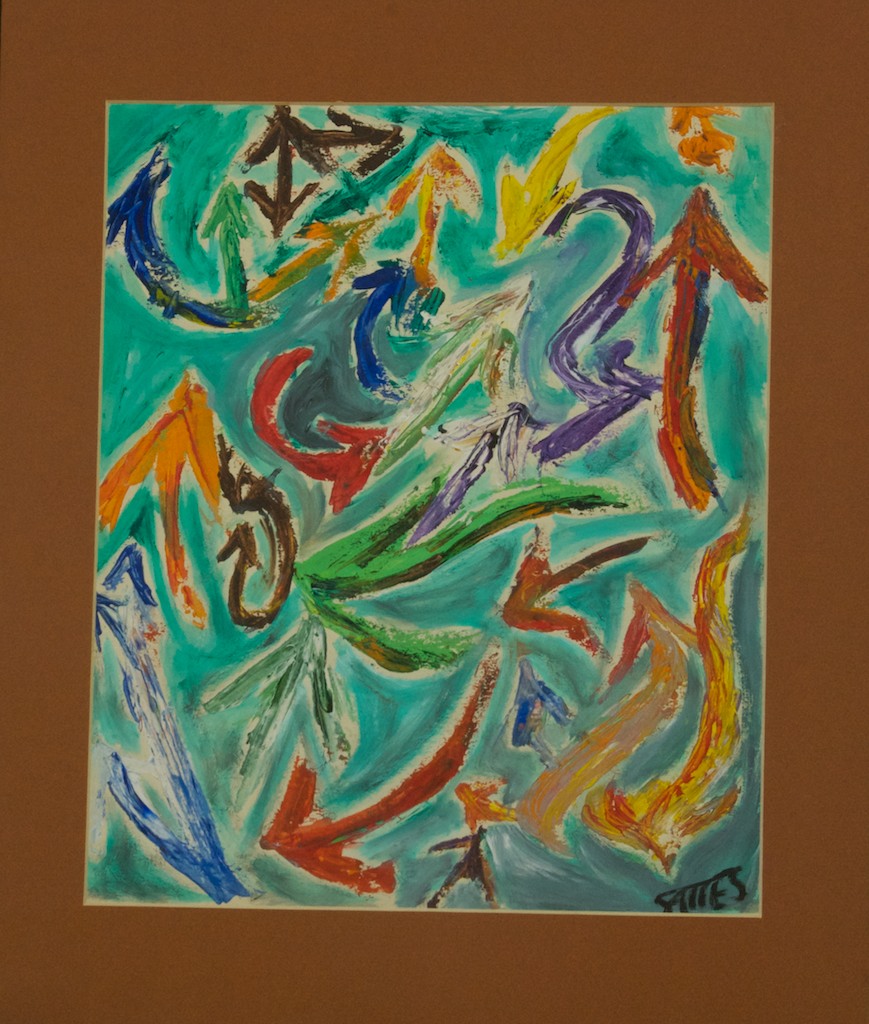
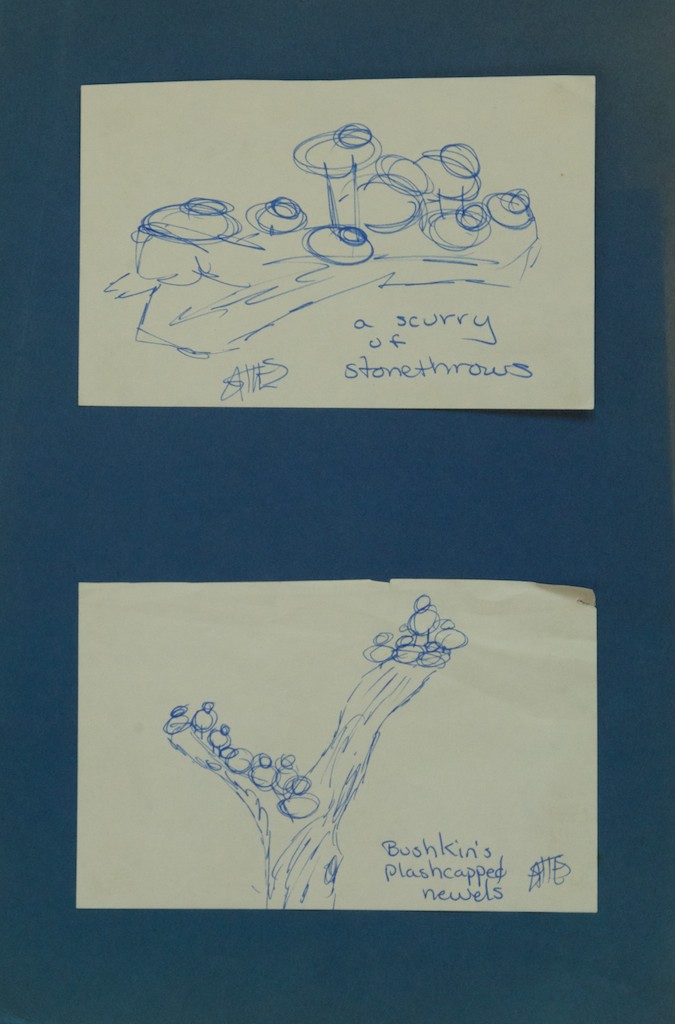
I thought that I would occasionally share some my early artwork. Really early, for starters, from when I was from around eight to thirteen years old.
When we buy art books or go to shows, we see an artist’s best work and that is as it should be. But no one starts like Athena springing full-grown from Zeus’ head. No matter how “talented” an artist is, there is still a lot to learn, motor skills to develop and a personal path to find.
Most of us probably end up throwing away far more of our creations than we keep.
The takeaway, I hope, is that you should just start where you are and keep going. And if you want to try making art, DO IT! Don’t worry about what anyone else thinks or if you have “talent” or if you’re “good enough”. Take joy in the process. Like I did as a kid.
Here’s a sampling of some “historic” works that didn’t get round-filed.
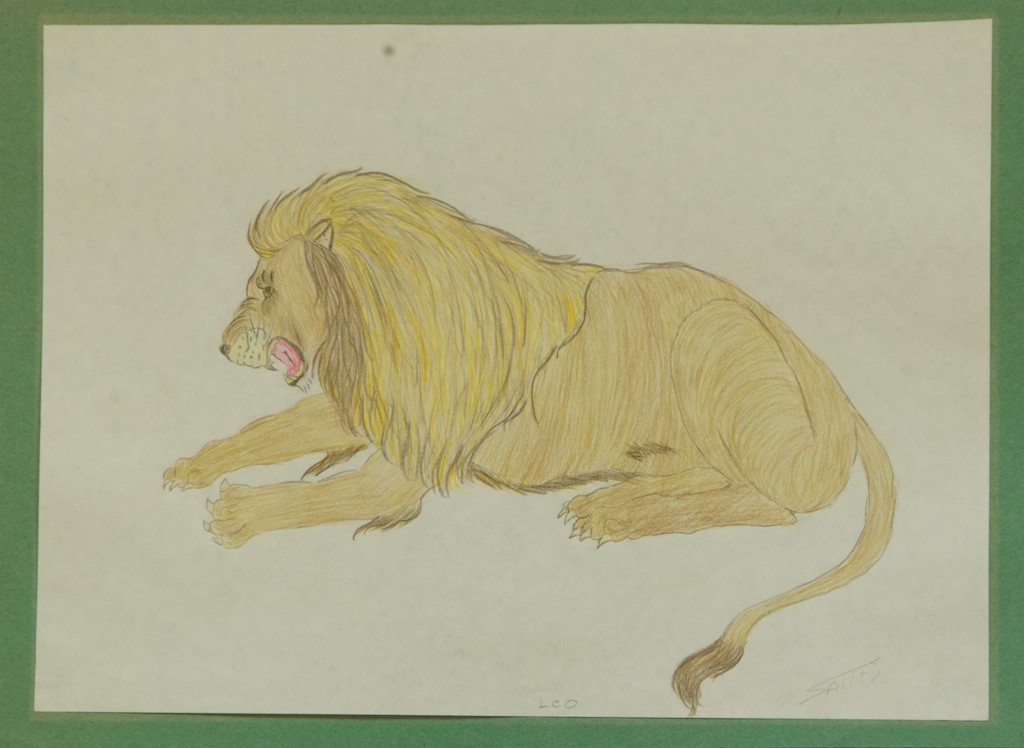
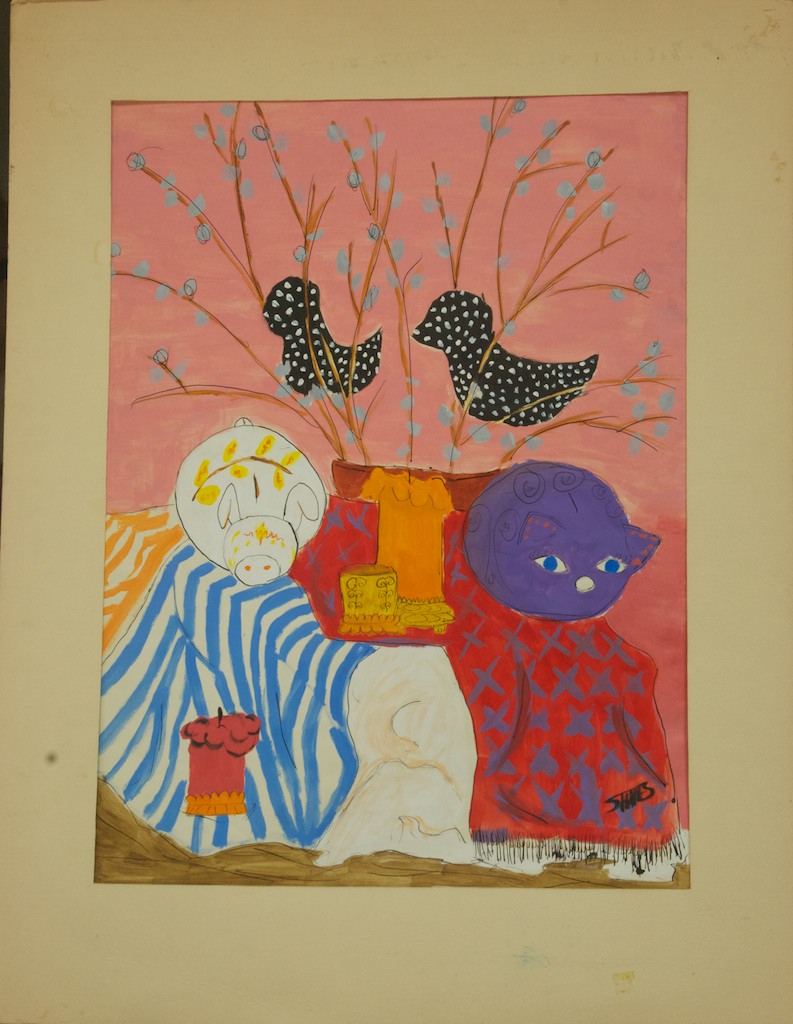
My first "major" work. Using a Walter T. Foster art book on big cats that I still have, I tried to put together a composition with a number of elements. I always liked to draw animals most of all and was, I think, about 8 years old when I painted this. "Lion Family" approx. 18x24" probably watercolor, but maybe acrylic, on paperOne of PILES of drawings I did as a kid. My dad brought home old business forms and I drew on the blank backs. I had an endless supply of paper, but ended up a little surprised to learn that one could get drawing paper that didn't have printing on one side. "Lion" colored pencil, 8.5x11"When I was 11, I took my first real art lessons from local Humboldt County artist Dorothy (Dottie) Stocum, through the Redwood Art Association (RAA). This great class for kids was held on Saturday mornings in a big old empty Victorian. The media is acrylic, which was brand new back then (the mid-1960s) and touted as being THE replacement for oils. Well, no. "Still Life" acrylic 18x24"My "abstract" phase when I was also messing around with using a palette knife. Also an RAA Saturday morning class piece. "Arrows" acrylic 18x24"Somewhere around age 12 or 13, I learned about sketching from life; these were found object (driftwood and stones) sculptures that I saw when my mom took me to the Ferndale Art Festival. They needed to be drawn. And I loved the titles. No idea who the artist was. Approx. 6x8" blue felt tip pen on paper
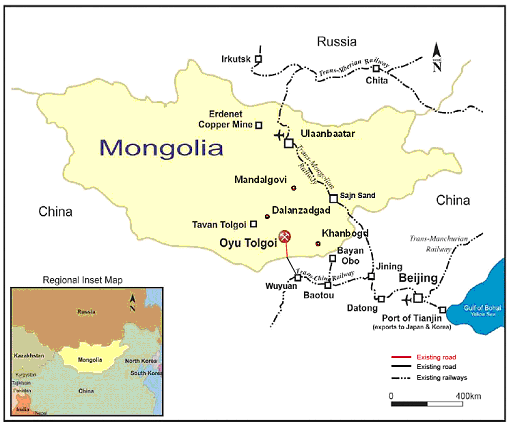
Map showing location of both Oyu Tolgoi and the coal mine, Tavan Tolgoi
The world’s largest undeveloped copper deposit, which also turns out to include significant deposits of gold and silver, is located in the Gobi of Mongolia at a site called Oyu Tolgoi, which means “Turquoise Hill”. The story of choosing who will operate the mine and how that was negotiated is a long and convoluted one. The super-short version: Nothing much happened until the Democratic party took power a few years ago. Not long after, a joint venture of two huge mining concerns, Ivanhoe and Rio Tinto, along with the government of Mongolia, was formed and work began.
Why would I blog about this?
Two reasons:
First, it will be a major test of how well Mongolia is able to enforce its environmental laws, since this the first mine to come online since the changeover from communism to democracy. It will be both open pit and underground. The size of the deposits is mind-boggling: (as of 2010) 79 billion pounds (35,833,000 tonnes) of copper, and 45 million ounces (1,275,000,000 grams) of gold. In ten years, over 3 million ounces of silver is expected to be produced. The copper extracted on a yearly basis will account for 3% of the world total.
Mining activity at this site is expected to continue for 45 years and account for 30% or more of Mongolia’s GDP. Mongolia has set up a sovereign wealth fund to handle the anticipated $30 billion in royalties and tax revenue. Once the contracts were signed a little over a year ago, Mongolia received its first check for….$10 million. How will the traditional Mongol land ethic, not to mention environmental and conservation considerations, hold up in the face of this kind of money pouring into the country?
The mine site
Needless to say, this single mine is a total economic game-changer in a country where the current average income is $3200 a year. And this is one mine. There is a huge coking coal deposit, Tavan Tolgoi, also in the Gobi, that will be developed in the not to distant future. There is already a new east-west railway planned to move the coal to the current north-south line, along with many other planned improvements in infrastructure.
Second, I personally know two Mongols who work at Oyu Tolgoi. One was a bird researcher I met on my very first trip to Mongolia in April of 2005 when he was at Ikh Nart during the Earthwatch team. I saw him again my first evening in UB this past July when I was invited to attend the farewell dinner for the most recent Earthwatch team. He had recently become the Environmental Officer at the mine. We’ve been Facebook friends for almost a year.
The second is a guide I’ve had on two of my trips, once in 2006 and again in 2008. He has worked as the Safety Officer for the subcontractor who is sinking the main shaft for, I think, a little over three years. He’s down at the site for a month at a time and must stay within the fence perimeter. Then he comes back home to UB for two weeks. He found me on Facebook a few weeks ago and we had a great “catching up” chat.
Employee housing: gers, of course
The two men have met a couple of times at the mine site, so it’s a small world story. To be continued….
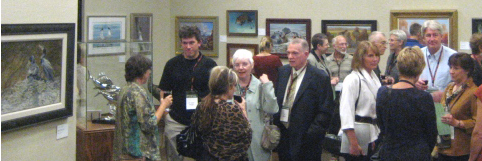
SAA members and guests at the opening weekend of the 49th Art and the Animal; Rolling Hills Wildlife Experience
This post was originally written for the Society’s Facebook public page and blog, but I wanted to share it here since I think what I have to say relates not just to what my thoughts are about applying to join the SAA, but also lays out in general some of my beliefs about what makes good animal art. It’s illustrated with images of various members of the Society, who I am proud to call my colleagues and friends.
The deadline for the next round of consideration is coming up in mid-April. I thought that, having participated in three membership juries now as a member of the Executive Board of the Society, I would offer some observations and tips that might be helpful to those of you who aspire to membership in the SAA.
A couple of notes before we start- First, I’m a painter and that’s what I know best. What I’m going to say applies to most other media, but creating a successful painting will be my main focus. Second, this article represents my personal views and is not an official statement by the SAA, any of its officers or the other board members. If you have any comments or questions, please direct them to me.
Now, to begin: I recommend that you do this exercise. Go to the Society’s website, visit the virtual museum and the individual websites of any member’s work that catches your eye. Then get out at least eight or ten of your own pieces. Line them up. Look at them objectively. This is not easy. We tend to be either too hard or too easy on ourselves. Do your best to be honest since that is when opportunities for growth happen.
The late Simon Combes giving a demonstration; Lewa Downs Wildlife Conservancy, 2004
Representational painting in general, and animal art in particular, have well-established criteria for what constitutes a “good” painting. These principles have evolved over a number of centuries. They are not “subjective”.
You are not in competition for a limited number of spots as would be true with a juried show. We usually have between two and three dozen applications to consider. We can accept all of them. Or none of them. Each applicant’s work is judged on its own merits.
Greg Beecham at the Quick Draw; Susan K. Black Foundation art conference, 2005 (Suzie Seerey-Lester to left)
Pick one piece that you honestly believe is at or is close to the level of the work of the artists who are already members.
You now need four more at or near that level, because one of the things that will sink an application fast is one or two good pieces followed by the jury seeing the next three or four go off the cliff. You will be judged by your weakest pieces. Consistency is very important.
Kent Ullberg gets inspired at the SAA 50th Anniversary event; San Diego Safari Park, 2010
Consistent in what? Glad you asked…
1. DRAWING: Animals have a physiological and behavioral reality that a competent animal artist has to understand and demonstrate to the jury. In other words, you need to be able to draw them with accuracy and understanding if you are a traditional representational artist and clear understanding if you are going to handle them in a more personally expressive way. You are hoping to join the ranks of animal artists who have been doing this, in some cases, for decades. They know if the drawing is correct or not. Which way a leg can bend, how a wing moves in flight or what the pattern of spots are on a leopard are not really subject to debate, however open they are to informed interpretation.
Karryl sculpts on location at the 50th Anniversary event; Rolling Hills Wildlife Experience, 2010
2. CRAFT: We want to see a solid understanding of your chosen media, whatever it is. If you decide to submit work in more than one media, then all of them need to be at an equal level of competence. Don’t submit a little of this and a little of that, hoping that something will stick, like spaghetti on a wall.
David Rankin on location, ready for anything at Torrey Lake: Susan K. Black Foundation art conference, 2005
3. DESIGN AND COMPOSITION: Do you have a solid grasp of design and composition? Have you made a conscious decision about every element of your piece? For instance, are the subjects in the majority of your submissions plopped automatically into the middle of the canvas or thoughtfully placed to carry out your central idea?
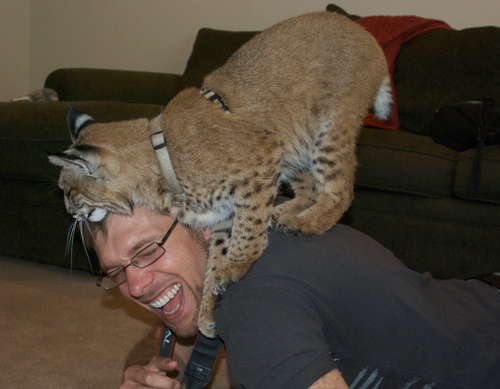
Andrew Denman gets worked over by an affectionate bobcat; he, Guy Combes and I visited the Sierra Endangered Big Cat Haven last year
4. PERSONAL VISION: Are you creating art based on a personal vision or simply copying photographs? (It is well-known that photographic images flatten and distort three-dimensional subjects like animals, so the artist must learn how to compensate for that if their goal is a realistic representation.) What do YOU have to say about lions and elk, butterflies and buzzards? Let your opinion, point of view and passion come through. HAVE an opinion, point of view and passion about your subjects.
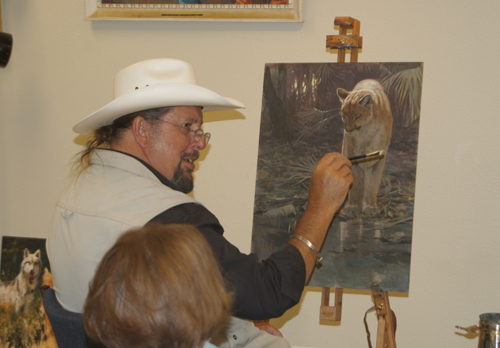
John Seerey-Lester paints a mountain lion; Susan K. Black Foundation art conference, 2005
5. KNOWLEDGE: Do you understand basic animal anatomy? Do you understand the habitat of the species you are representing? Have you learned about their behavior as an inspiration for your work? Or is everyone just standing around? If you put an animal in a realistic setting, you are now a landscape painter too. Are both your animals and any habitat shown depicted at the same level? Or does one lag behind the other?
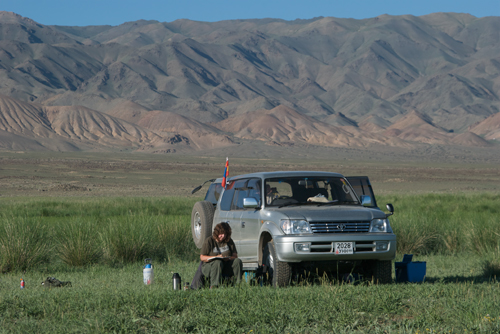
Yours truly hard at work in the Gobi, Mongolia 2010
Animals are specialized subject matter that require study and the accumulation of knowledge over time to represent successfully. There are no shortcuts.
We are looking for artists who have mastered their art and craft at a consistent level and who present us with a body of five works which all reflect that level.
My plan was to go back to Kenya in 2005 for an Earthwatch Institute-sponsored research project “Lions of Tsavo”. But I was leafing through the new Expedition guide and a project I hadn’t seen before caught my eye, “Mongolian Argali”, whatever those were. Oh. Wild sheep. But….Mongolia. Now there was a place that seemed like it might be interesting to travel to. And who knew how long the project would last. Some went on for a decade or more. Others only for a year or two. I called the Earthwatch office, changed projects and, without realizing it at the time, changed my life.
Argali (Ovis ammon) are the world’s largest mountain sheep. A big ram can weigh close to 400 pounds. The horn curl can reach 65″. Their preferred habitat is rocky uplands, mountains and steppe valleys. They are currently listed on the IUCN Red List as Near Threatened and Appendix II of CITES. Accurate population estimates are hard to come by. The most current one is perhaps as many as 20,000 in Mongolia. It is known that the total continues to drop in the western and central parts of the country, is stable in the south, but seems to be increasing in the east.
Group of four argali rams, Ikh Nartiin Chuluu, 2005
Threats include poaching, both for subsistence meat and for the horns, which are now in demand in China for use in traditional medicine. It has also been shown that there is a nearly 100% grazing overlap between the wild argali and domestic livestock, which includes horses, sheep, goats and cattle. Predation by the herder’s domestic dogs, particularly on lambs in the spring, is also a problem. Trophy hunting is not currently a large factor, but the license fee income (18,000 USD) ends up going almost entirely to the federal government. Very little trickles down to either the local people or for conservation projects. One response at the local level has been to create reserves where hunting is not allowed.
As you can see below, there is now an Argali Conservation Management Plan. My on-going involvement with the womens’ craft collective comes under item four on the list.
“Additional conservation measures are desperately required in Mongolia. Clark et al. (2006) outlined the following:
• Implement the recommendations outlined in the Argali Conservation Management Plan. • Improve enforcement of existing legislation that would help conserve argali. • Enhance conservation management in protected areas where argali are found at high population densities, and increase the capacity of protected areas personnel and other environmental law enforcement officers. • Work to improve the livelihoods of local communities in areas where argali are protected by local initiatives and re-initiate community-based approaches to argali conservation (Amgalanbaatar et al. 2002a). • Develop public education programmes to raise awareness of the status of and threats to the species. • Continue ecological research, monitor population trends, and study the impacts of threats, including work in the Altai and Khangai Mountains to complement research occurring in the Gobi Desert. • Implement the recommendations from the Mongolian Wildlife Trade Workshop as outlined in Wingard and Zahler (2006).
Argali ewes and lambs, Ikh Nartiin Chuluu, 2005
Until a joint research effort was started by the Mongolian Academy of Sciences and the Denver Zoological Foundation at the Ikh Nartiin Chuluu Nature Reserve in 2001, very little was known about argali ecology, behavior and population status. This was the research that I had signed up to help with as part of the second Earthwatch team ever to go to Mongolia.
It was April of 2005. Spring in Mongolia is a time of cold, wind and dust storms. Daytime temperatures during the team’s two week stay, living in a traditional felt ger, sometimes only reached 32F. I had the time of my life. When they found out I was an artist, one of the scientists asked if I would be willing to go out and do direct behavioral observations. And that’s what I did for the last three days, trekking out alone into the 43,000 hectare reserve with a clipboard, data forms, GPS, cameras, water bottle and snacks, trying to see the sheep before they saw me, otherwise any data I collected was invalid.
I saw this large group at Ikh Nartiin Chuluu in 2008; seventeen animals, I think, and they ran up that vertical cliff like water flowing uphill
Although a lot of the animals were in poor condition coming out of a typical Mongolian winter in which temperatures can plunge to -40F, I saw many groups that included rams, ewes and lambs, gathered some useable data and got some pretty good photographs. It was a perfect two-fer. I was able to contribute to scientific knowledge of a species and at the same time get information that would be invaluable for painting them.
A typical sighting of some ewes and older lambs at Ikh Nart, but with a cinereous vulture, the world's largest, sitting on a rock in the background; in the distance is the desert steppe
I’ve been back to Ikh Nart five times since then and argali have become a particularly favorite subject. I’ve also seen them now at two other locations: Baga Gazriin Chuluu Nature Reserve and Gun-Galuut Nature Reserve.
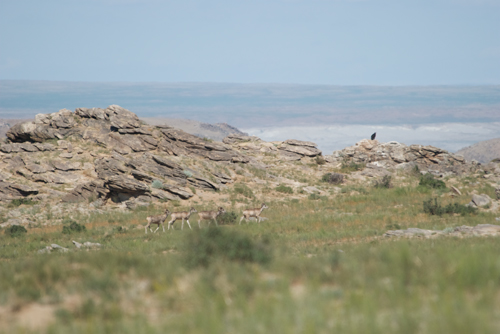
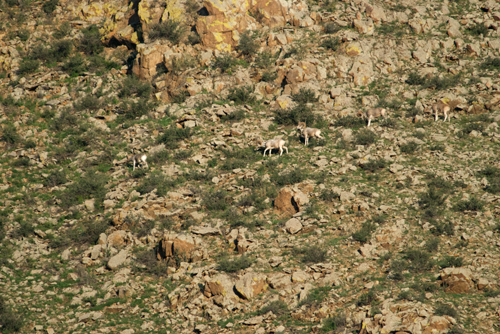
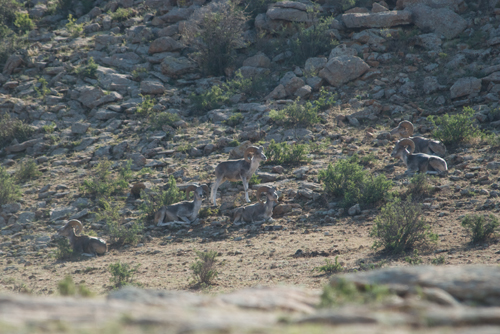
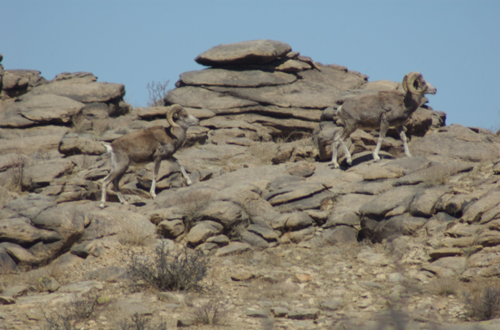
Driving into Ikh Nart in 2008; a grab shot from the car of four ramsRams on rocky hillside at Gun-Galuut Nature Reserve in 2009; the key to spotting them is to look for movement and those long, thin legs, which don't seem to quite fit the landscape; this was with my 80-400 mm lens (effectively 600mm on a digital body) at maximum zoomThis group of rams, at Baga Gazriin Chuluu Nature Reserve were about 800 meters away within plain view of the road through the park; "lazy" animal watching
I thought that I would share some of the photos I’ve taken and the paintings that have come out of them. It usually takes around three, often quite a few more, reference shots since I move animals around, change backgrounds or whatever it takes to make a composition work. I’m only going to show the main animal reference that I worked from. This fieldwork is critical. When working on a painting, I’m also remembering what it was like to be at that place, how the wind felt, the utter quiet when I stopped for a break, then trudging along, looking up and seeing that the sheep had already spotted and were watching me.
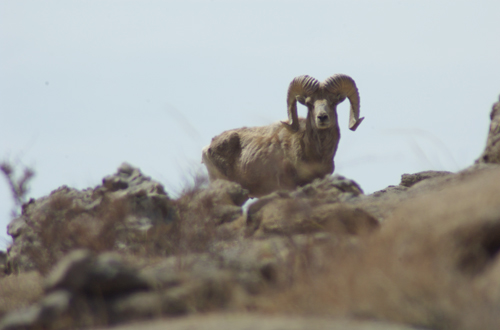
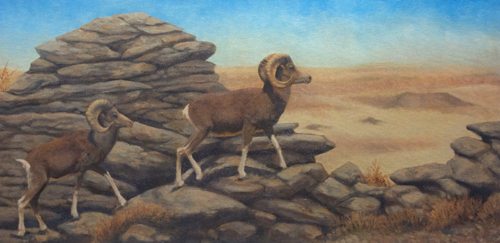
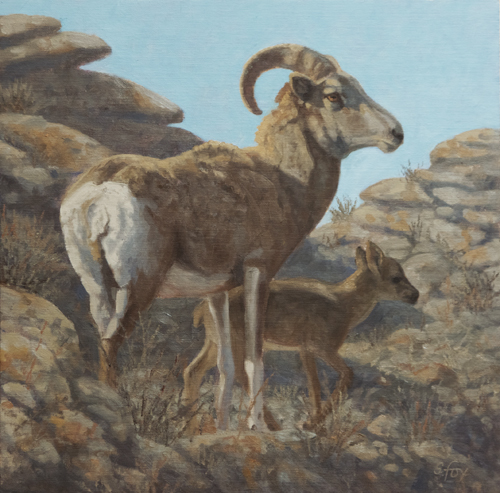
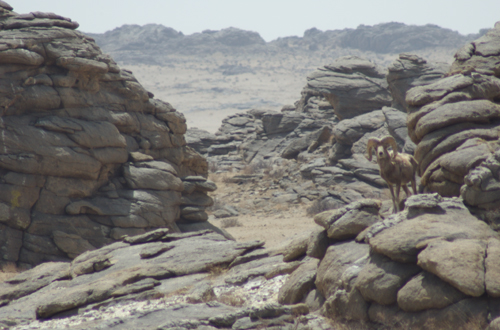
For one of my first argali paintings, I wanted to show them in the fantastic landscape of Ikh Nartiin Chuluu; April 2005Ikh Nartiin Chuluu Argali 15x30" oilArgali ewe, Ikh Nartiin Chuluu; April 2005; I added a lamb and moved the ewe up so her head would be against the sky for maximum contrastArgali Ewe and Lamb, Ikh Nartiin Chuluu; 12x12" oil on canvasboardOld ram, Ikh Nartiin Chuluu; April 2005; He's probably long gone, but we spent a, for me, memorable half hour together as he let tag along behind him after checking me out; that's also him in the first photo at the top of this postMutual Curiosity 17x30" oil




























 Susan Fox, American Artist