I’ll be open this weekend, June 11-12 from 11am-5pm both days. Event information and directions to my studio for this wonderful Humboldt County event is here.
Here’s today’s featured painting:

I’ll be open this weekend, June 11-12 from 11am-5pm both days. Event information and directions to my studio for this wonderful Humboldt County event is here.
Here’s today’s featured painting:
I’ll be open next weekend, June 11-12 from 11am-5pm both days. Event information for this wonderful Humboldt County event is here.
Here’s today’s featured painting:

I’ll be open next weekend, June 11-12 from 11am-5pm both days. Event information for this wonderful Humboldt County event is here.
Here’s today’s featured painting:
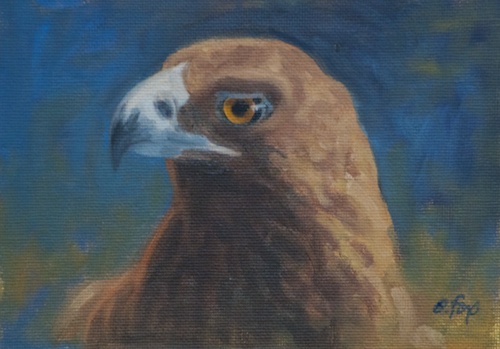
I’ll be open the second weekend, June 11-12 from 11am to 5pm. You can find directions to my studio and more information about this annual Humboldt County art event here.
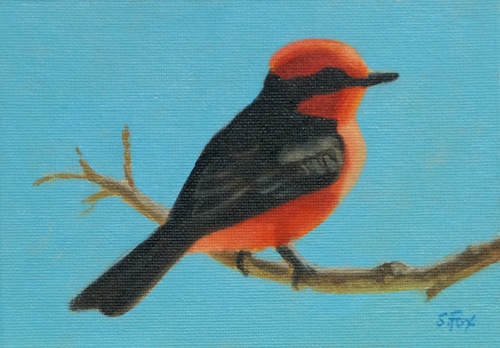
Between now and the 11th I’ll be posting a painting every day so that you can see what I’ll have available. They will be small works and very affordable. Here’s today’s featured painting, a vermillion flycatcher which I saw near Tucson, Arizona during my March trip to the Sea of Cortez:
I’ll also have prints and cards, plus a selection of my large, framed pieces, including my latest major work, “Then They Walked Out Into The Morning Light”.

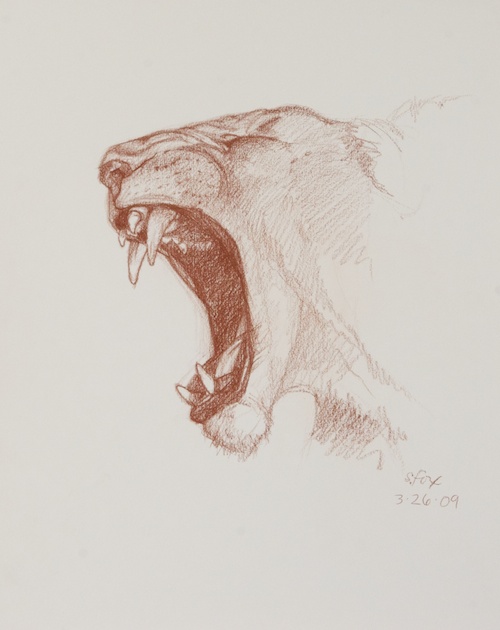
Most Wednesdays I’ll be sharing original drawings and paintings available through my Etsy shop. They will all be one-of-a-kind originals and are subject to prior sale.
Just listed:
Click to purchase here

Click to purchase here

Click to purchase here
Kicking back this holiday weekend? Want to visit (virtually) some of the greatest art museums in the world?
Google’s done some really dumb stuff in its time, but with their new Art Project, they’ve brilliantly figured out a way to make great art accessible to everyone in a way never before possible.
Here’s an article over at ArtInfo that explains how.
For artists, while there will never be a substitute for seeing art in the original, Art Project not only provides extremely accurate images (unlike books, posters, postcards, etc., which are always a bit of a disappointment), it lets you zoom in close, REALLY close. Much closer than you would ever be allowed to get to the real thing. At least until they throw you out.
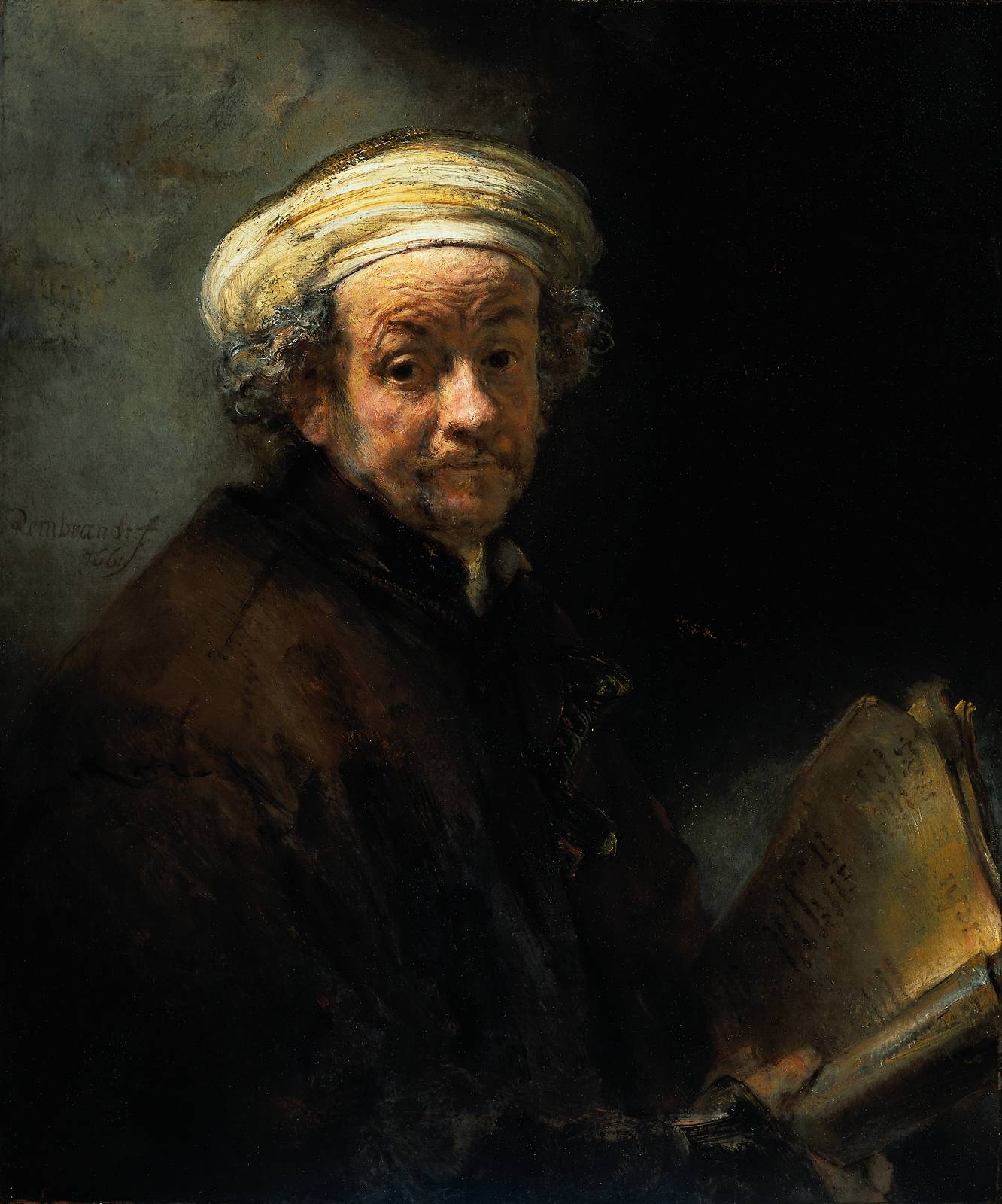
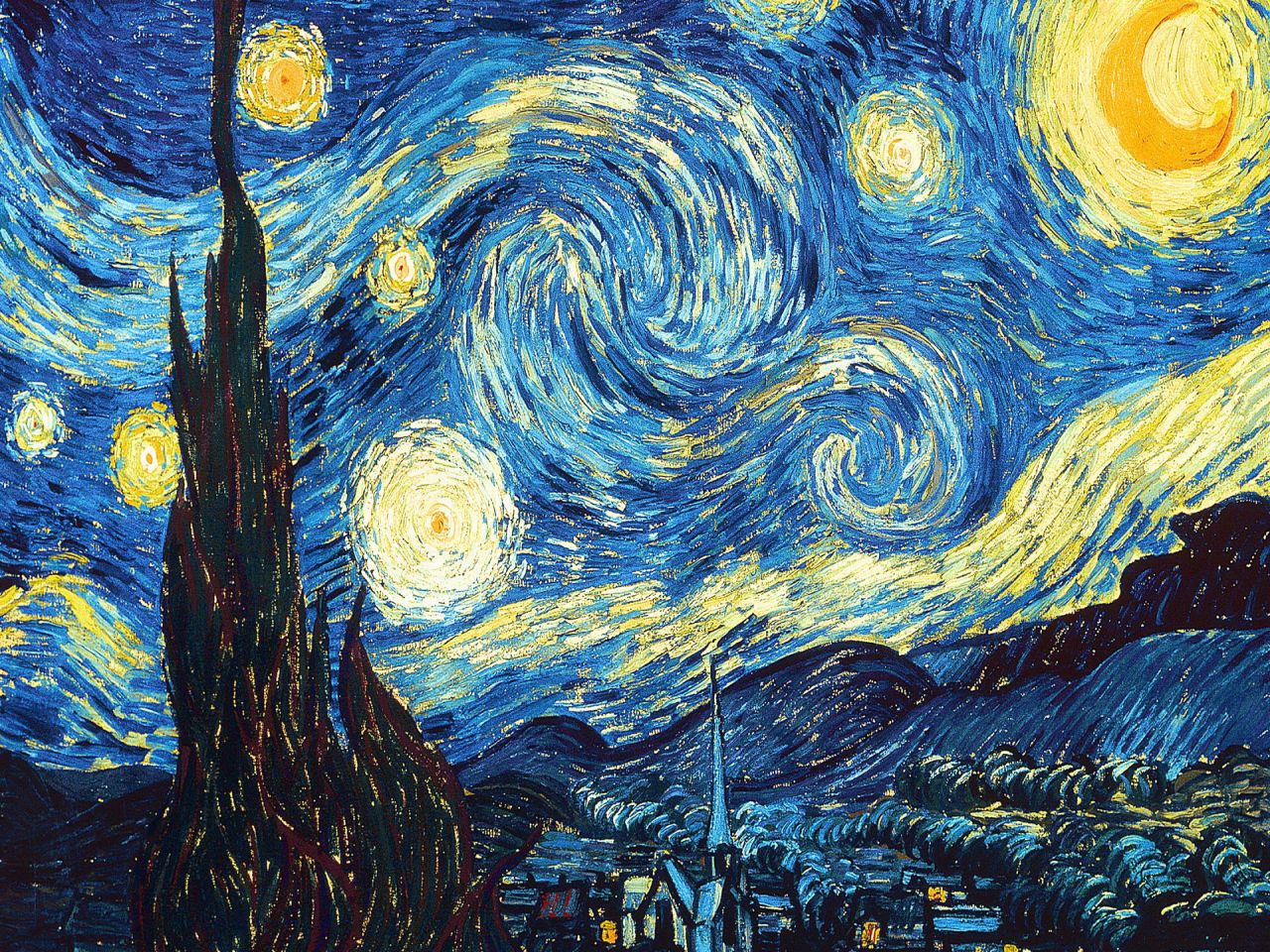
I can imagine Art Project being very useful for a classic way of studying painting, copying master works. The ability to zoom in and see brush stokes and edges is really terrific. Here’s an example from the Rijksmuseum, the main museum housing the work or Rembrandt. It’s “Self Portrait as the Apostle Paul”. Or one of my all-time favorite paintings…Starry Night by Vincent van Gogh, from the Museum of Modern Art.
Have a great weekend!

One of the fun things about exploring and learning about other cultures is seeing how familiar things like rock music are taken up and reinterpreted.
I’ve found a number of gems on YouTube:
A Sound, a particular favorite of mine who I would love to see live sometime, takes on “While My Guitar Gently Weeps” by George Harrison and pulls it off very nicely:
Another group, Signal, created this dramatic video cover of Daughtry’s “Over You”:
A Sound seems to have gotten their start on the Mongol version of American Idol, “The Universe’s Best Songs”. Fun to see them in the beginning and how polished they’ve become in the first video above. Here’s their performance of Maroon 5’s “This Love” from the tv broadcast:
Finally, this young Mongol guy kept it simple. Nice voice, a guitar, the Mongolian flag in the background and Dylan’s “Knockin’ On Heaven’s Door”:
To be a well-rounded artist with as much information as possible at one’s disposal, I think it’s important get outside of one’s genre and see what else is out there.
The classic piece of advice is to visit great museums and see masterpieces in the original and I agree with that.
But, seeing a great painting and understanding what one can and maybe, should, learn from it are two different things.
Today I’m going to present two works each from five great artists, none of whom are “animal artists”, although almost all of them included animals in their work at one time or another.
I’m going to offer you a thought or two about how you might explore what I believe the artist has to offer. See what you can think of that uses the ideas in these paintings, but with animal subjects.
First is Roy Anderson, one of the great living painters of Native Americans. These images are from a book “Dream Spinner, The Art of Roy Anderson”, which I found at Settlers West Gallery in Tucson this past March for, can you believe it, $10. They may still have some. I don’t know if they will mail them out, but it can’t hurt to call and ask.
At the back of the book is a whole section on how Mr. Anderson creates his paintings, worth more than twice the price of the book for the excellent advice and information he offers.

Here is a master class in color and value relationships. The painting has three “layers” from front to back. Imagine if this was a herd of wildebeest trudging through the dust of the Serengeti.

This one is similar to the first Roy Anderson painting I saw and which just blew me away. I love the strength of the backgrounds. No fear of color here! How could one vignette an animal with this as an inspiration? I must admit, though, that I’ve thought about how to present a Mongol herder in his traditional garb, using my own ideas of shapes and colors for the background.
Second is Edgar Degas, who was equally accomplished in painting, pastel and sculpture.
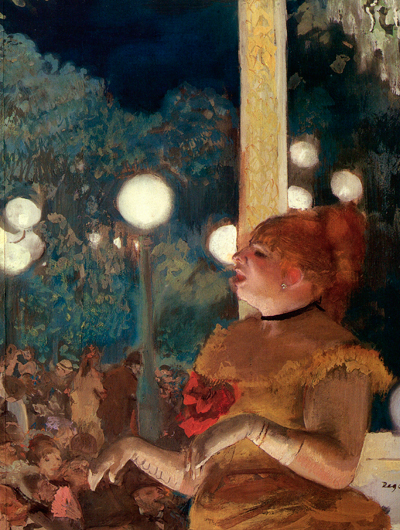
What inspires me personally about his work is his revolutionary compositions, in which figures and other elements are “cut-off’ by the edge of the canvas.
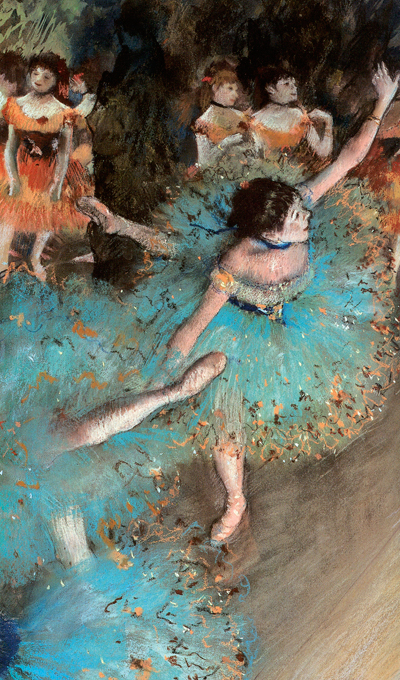
If you find your compositions getting a little stale or have realized that you tend to plop your subject in the middle of the canvas, looking through a book of Degas’ work will blast you loose.
Third is Richard Diebenkorn, an abstract painter who scandalized his contemporaries in the 1950s by introducing recognizable figures into his work at a time when that was considered beyond the pale.

How could this composition be adapted to an animal subject? Like Degas, Diebenkorn has used an unconventional placement of his subject, tight against the left edge and facing more or less off the canvas.
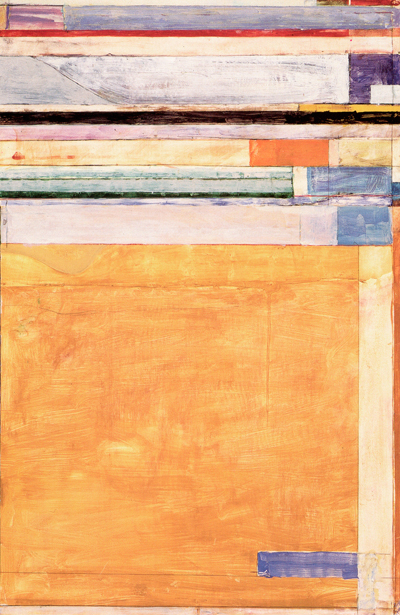
All good painting has a solid abstract structure underneath. Robert Bateman, the legendary wildlife artist, started as an abstract painter and then applied that knowledge to his animal art. Here is a Diebenkorn abstract from the 1990s that could inspire a representational composition.
Fourth is Dean Cornwell, known as the Dean of American Illustrators. He trained in mural painting with Frank Brangwyn in England and it shows in his ability to put together panoramic images with lots going on.

The inspiration in this piece is having the foreground and even the main character in shadow, contrasted with the bright, colorful background.

Cornwell’s rich, decorative approach and fantastic draftsmanship have something to offer artists in any genre.
Fifth is Joaquin Sorolla, known for his incredible ability to paint light.
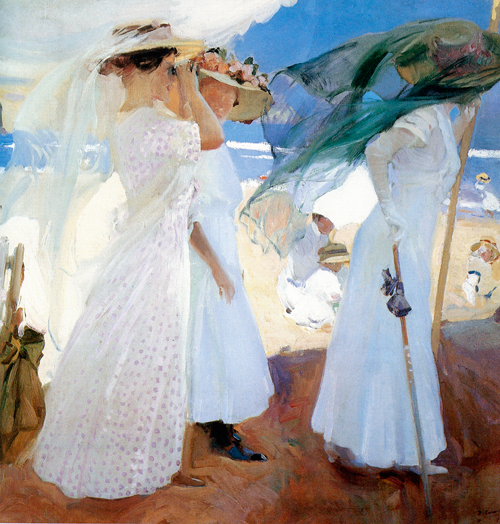
It’s easy to get caught up in what is called “local color”, the inherent color of a subject. This and the next painting illustrate the truth that the color of something depends on the light (and also what the object is next to). We accept that the three ladies in the foreground are wearing white, but there is not a speck of pure white paint on any of their dresses.
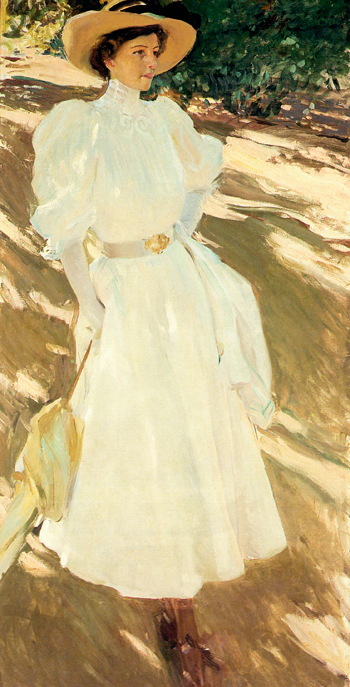
How many colors can you count in this “white” dress?
The paintings:
They Sing Towards the Sun 40×72″ oil (detail)
Elk Robe Medicine 36×26″ oil
The Song of the Dog 22 5/8×17 7/8″ gouache and pastel over monotype on paper
The Green Dancer (Dancers on Stage) 26×14 1/4″ pastel and gouache on paper
Coffee 57 1/2x 52 1/4′ oil
Untitled No. 12 38×25″ crayon, graphite and acrylic on paper
Pontius Pilate’s Banquet from The Robe 23×30″ oil
“Ransom”, a Captain Blood story 26×51 1/2″ oil
Bajo el toldo (Zarauz) 39 3/8×45 1/4″ oil
Maria en la Granja 67×33 1/2″ oil
Hard to believe it, but I have reached 400 posts. I started my blog on December 10, 2007. It doesn’t seem like it has been that long. It’s become part of my weekly routine and a fun way to share my art and my travels.
I also really appreciate the support and comments that I get from my readers. Thank you!
Now, on to Mongolia Monday! Today I’m going to post links to 10 of my favorite sites, ones that I would recommend to anyone who is interested in learning about Mongolia or who is planning to go there.

1. News.mn: http://english.news.mn/home.shtml– News.mn has consistently been the best place I’ve found for keeping up with what is going on in Mongolia. There is also the UB Post, which is better known, but the load time on the site is glacial.

2. Asian Gypsy: http://asiangypsy.blogspot.com/– He doesn’t post nearly enough, but this is definitely my favorite blog written by a Mongol. I get the email feed so that I don’t miss a post.
3. Weather Underground: http://www.wunderground.com/global/stations/44292.html– Want to know what the weather is like in Ulaanbaatar? Here it is.

4. Altan Urag: http://www.altanurag.mn/en.html– One of the best known groups to come out of Mongolia, Altan Urag (which means “Golden Lineage”, a reference to the family and descendents of Chinggis Khan), describes themselves as a “folk rock band”, which means an amazing synthesis of modern western and traditional Mongolian music, including morin khuur and khoomii (horsehead fiddle and throat singing). Their music can also be heard in movies like “Khadak” and “Mongol”. And their website is waaay cool.

5. Ganbold: http://www.ganbold.com/– Ganbold, who currently lives in the USA, is a graphic designer and artist with a very impressive client list. I had clicked on a banner ad he had placed on a Mongol site and really liked what I saw. Then, sometime later, a “Ganbold” left a comment on this blog. I clicked the url in the commenter info. and. low and behold, it was the same person! We’ve stayed in touch on and off since then. The home page of his website is, literally, a work of art. Click “Enter”. Highly recommended for bird lovers.
6. Budbayar Boldbaatar: http://www.budartist.com/– I absolutely adore his work, but Budbayar is also standing in for the many, many excellent artists that Mongolia produces and who deserve to be known to the world.

7. Circle of Tengerism- http://www.tengerism.org/– One thing that many westerners do know about Mongolia is what we call “shamanism” and the Mongols call “Tengerism”. “Tenger” is Mongolian for “sky”, also known as The Eternal Blue Sky or Eternal Heaven. This ancient belief system has survived centuries of persecution and suppression and today is an active part of the culture of the country.
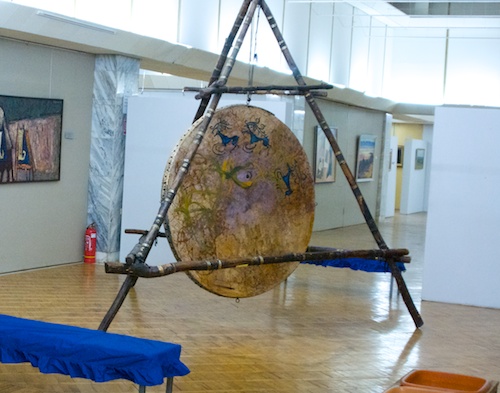
8. Ikh Nartiin Chuluu Nature Reserve- http://www.ikhnart.com/home.html– My entry point into Mongolia in 2005, Ikh Nart is where I’ve been able to become actively involved in conservation and working with local herders. The reserve is home to the world’s only argali research project.

9. Gun-Galuut Nature Reserve- http://www.argalipark.com/– Very different habitat from Ikh Nart, but also home to a population of argali sheep. This reserve was set up by the local government and is administered by a community association. Visitors can ride a horse or in a yak cart, try Mongol archery, take a boat out on the river and hike the surrounding area.
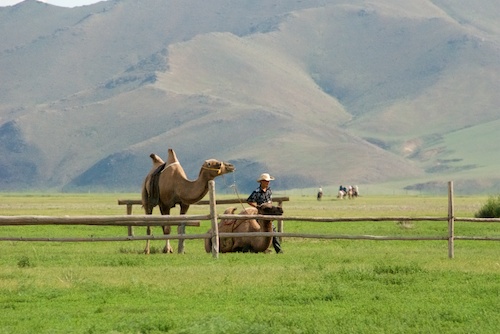
10. Nomadic Journeys- http://nomadicjourneys.com/– Finally, a tip of the hat to the tour company that I have relied on to get me around Mongolia since 2006. The website not only describes their trip offerings, but is a wealth of information about Mongolia, the country, land, people and wildlife.
 Susan Fox, American Artist